

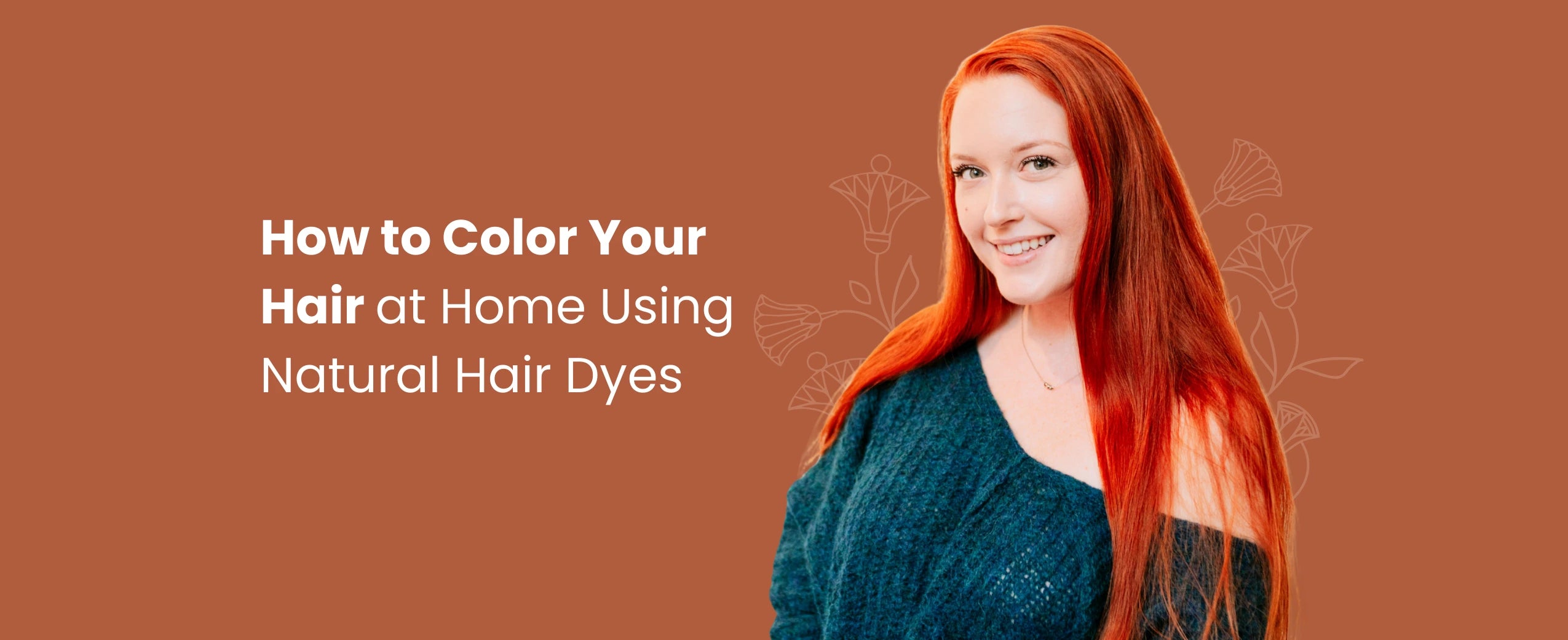


How to Color Your Hair at Home Using Natural Hair Dyes
Dyeing your hair at home doesn't have to involve harsh chemicals or expensive salon visits. If you're looking for a more natural way to refresh your hair color while avoiding damage, natural hair dyes offer a safe, effective, and affordable alternative. From covering greys to deepening rich tones or adding subtle highlights, hair dyeing naturally is a practice rooted in time-tested botanicals like henna and indigo.
Whether you're new to natural hair dye or looking to upgrade your at-home hair dye routine, this blog walks you through everything from prepping your strands to maintaining vibrant, long-lasting color. You'll learn how to choose the best natural hair dye for your hair type, mix it properly, and apply it confidently without needing professional help.
This video gives an overview of how to apply natural hair dyes like henna and care for them while washing and styling afterward.
How to Prep Your Hair Before Using Natural Hair Dye at Home
Before applying natural hair dye, proper prep ensures better color absorption, even coverage, and long-lasting results. Unlike conventional dyes, organic hair dye works best when applied to clean, product-free hair and a healthy scalp. Here's how to prep your hair for optimal results:
Cleanse Your Hair Thoroughly
Start by washing your hair 24–48 hours before applying the dye. Use a gentle, sulfate-free shampoo to remove dirt, oils, or product buildup without stripping your hair completely. This allows the powder hair dye, like henna or indigo, to bond effectively to the hair shaft.
Avoid using conditioner before dyeing, as it can create a barrier to color absorption. If you’re dealing with dryness or want a soothing, hydrating cleanse, this article on nourishing dry hair with a honey hair treatment offers helpful tips.
Detangle and Keep Hair Damp
Before applying any natural hair dye or herbal mix, make sure your hair is clean, detangled, and damp. Excess water can dilute the paste, while dry hair may resist absorption. Damp strands help the dye spread more evenly and absorb better. Detangling beforehand also ensures a smoother application and helps prevent patchy results.
For more on treating scalp issues and prepping hair holistically before dyeing, this Ayurvedic regimen covers common scalp concerns.
Avoid Oils and Heavy Styling Products
Avoid applying oils, gels, or heavy styling products right before your natural hair coloring session. These can create a barrier that prevents the dye from fully bonding to your strands - especially when using pure, plant-based powders. If you’ve used oils or styling products recently, just make sure to wash them out thoroughly with a clarifying shampoo before applying the dye.
Test for Sensitivity or Allergies
If this is your first time using a no-chemical hair dye, it’s a good idea to do a strand or patch test. Mix a small amount of the dye and apply it to a discreet area on your scalp or hair to check for any sensitivity, staining strength, or undesired tones.
Gather Your Tools in Advance
Prepare gloves, an old towel, a dye brush or applicator, clips for sectioning, and a shower cap. Natural dyes can stain skin, fabric, and surfaces, so wear something you don’t mind coloring and cover the area where you’ll be applying the product.
Best Tips for First-Time Users of Natural Hair Dyes
Switching to a natural hair dye for the first time can feel exciting, but also a little uncertain if you’re used to chemical box dyes or salon treatments. To make your at-home experience smoother, here are a few beginner-friendly tips to help you get the best results using plant-based hair dye products.
Start with a Strand Test
Always test your dye mixture on a small section of hair before applying it fully. This helps you preview the final shade, especially if you're using natural henna hair dye or indigo. Color develops gradually with these organic hair dyes, so this step helps set realistic expectations.
Know Your Hair Porosity
If you have high-porosity hair, it may absorb color faster, while low-porosity hair might need more time for the dye to take effect. Understanding your porosity helps you time your application more accurately and choose the best hair dye for your hair’s needs.
Wash Hair Before Dyeing
Make sure to wash your hair before applying natural dye - clean hair allows the plant color to bind better to the strands. Use a gentle, sulfate-free shampoo to remove buildup and oils.
Use a Heat Cap or Wrap
To deepen the dye's intensity, especially with powder hair dye like henna or cassia, wear a heat cap or wrap your head in plastic and a towel. This keeps the mixture warm and helps release the plant pigments more effectively.
Patience Pays Off
Unlike chemical dyes, natural hair dye takes time to set and oxidize. You may not see the full depth of color until 24–48 hours later. Trust the process; it’s gentler, safer, and leaves your hair feeling stronger.
Trying hair dye for natural hair at home doesn't have to be intimidating. With a few simple precautions and the right mindset, you'll enjoy vibrant, long-lasting color that’s better for your hair and scalp.


Step-by-Step Guide to Applying Natural Hair Dye at Home
Coloring your hair naturally at home is easier than it seems, especially when using chemical-free hair dye options like henna or indigo. These plant-based dyes are not only safe but also offer long-lasting results while supporting the health of your scalp and strands.Here’s a step-by-step guide to help you apply natural hair dye confidently and effectively at home.
Choose the Right Natural Hair Dye
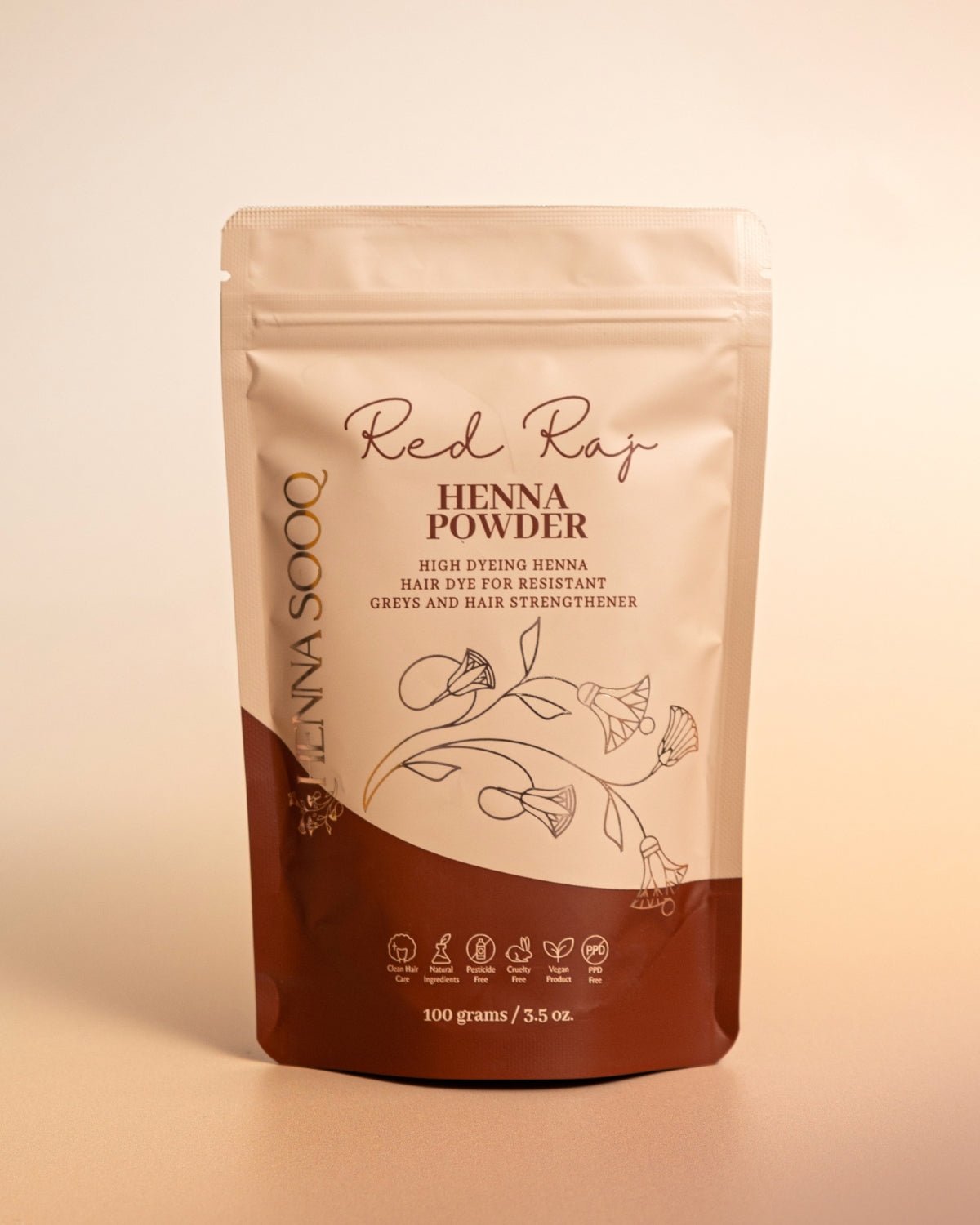
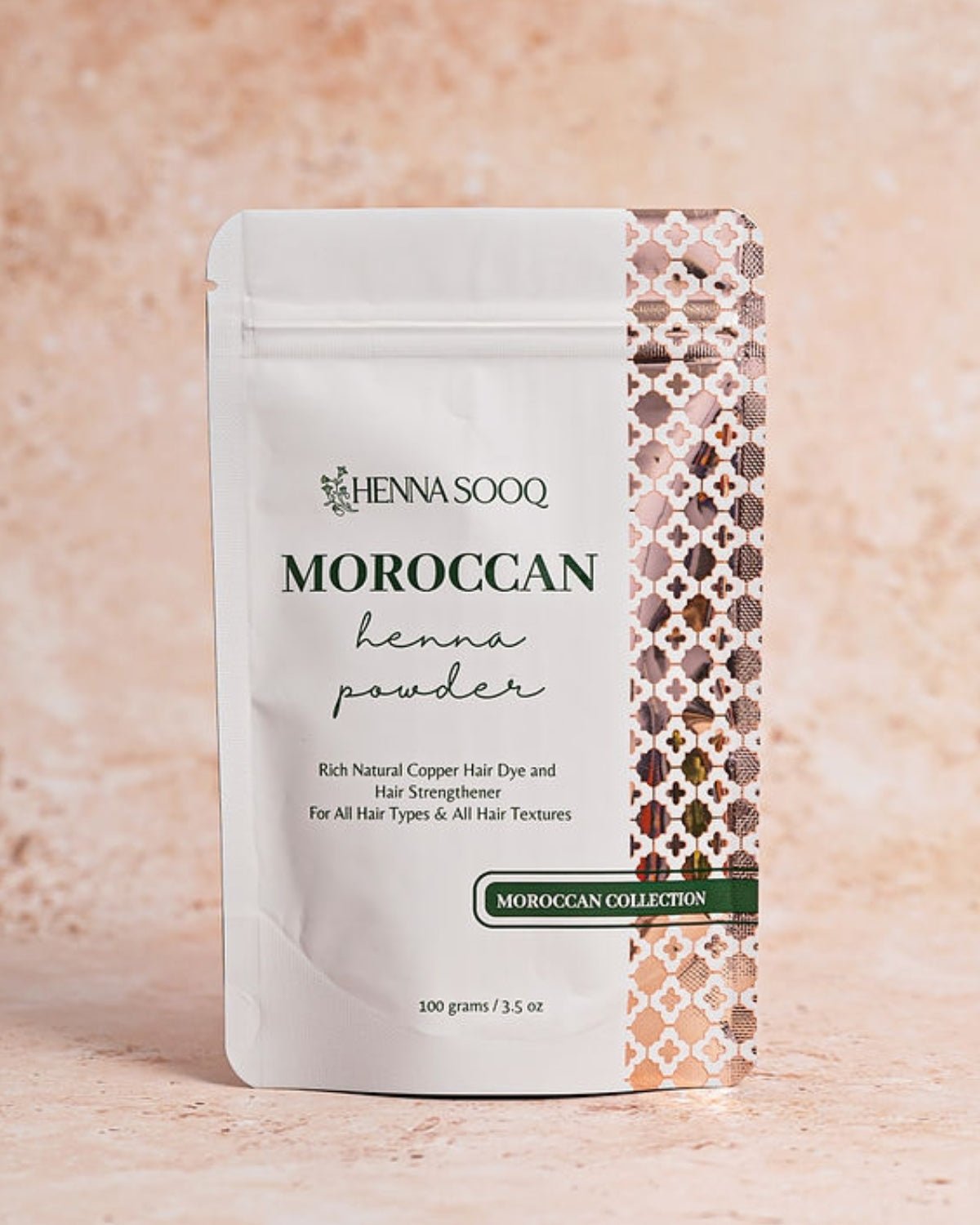
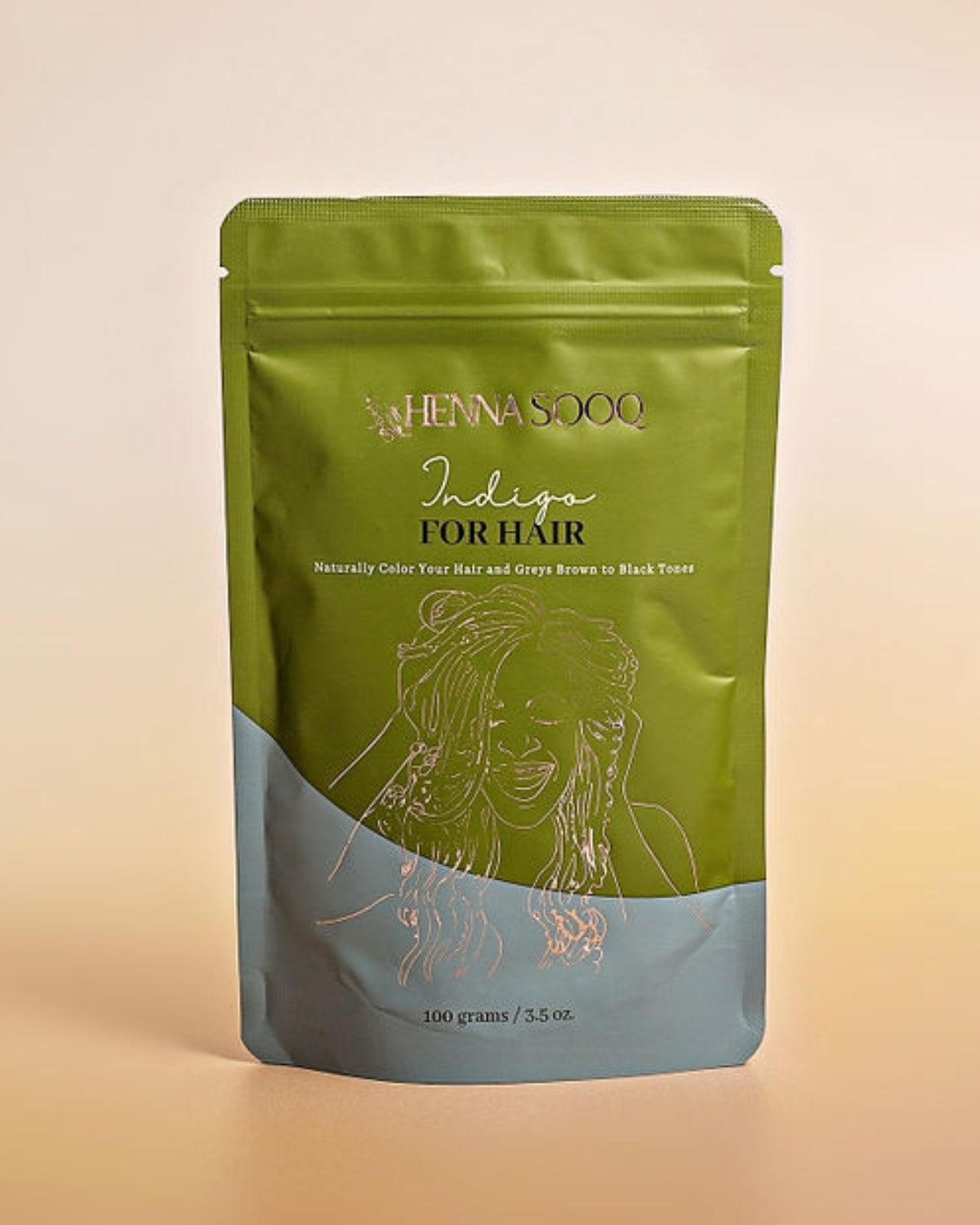
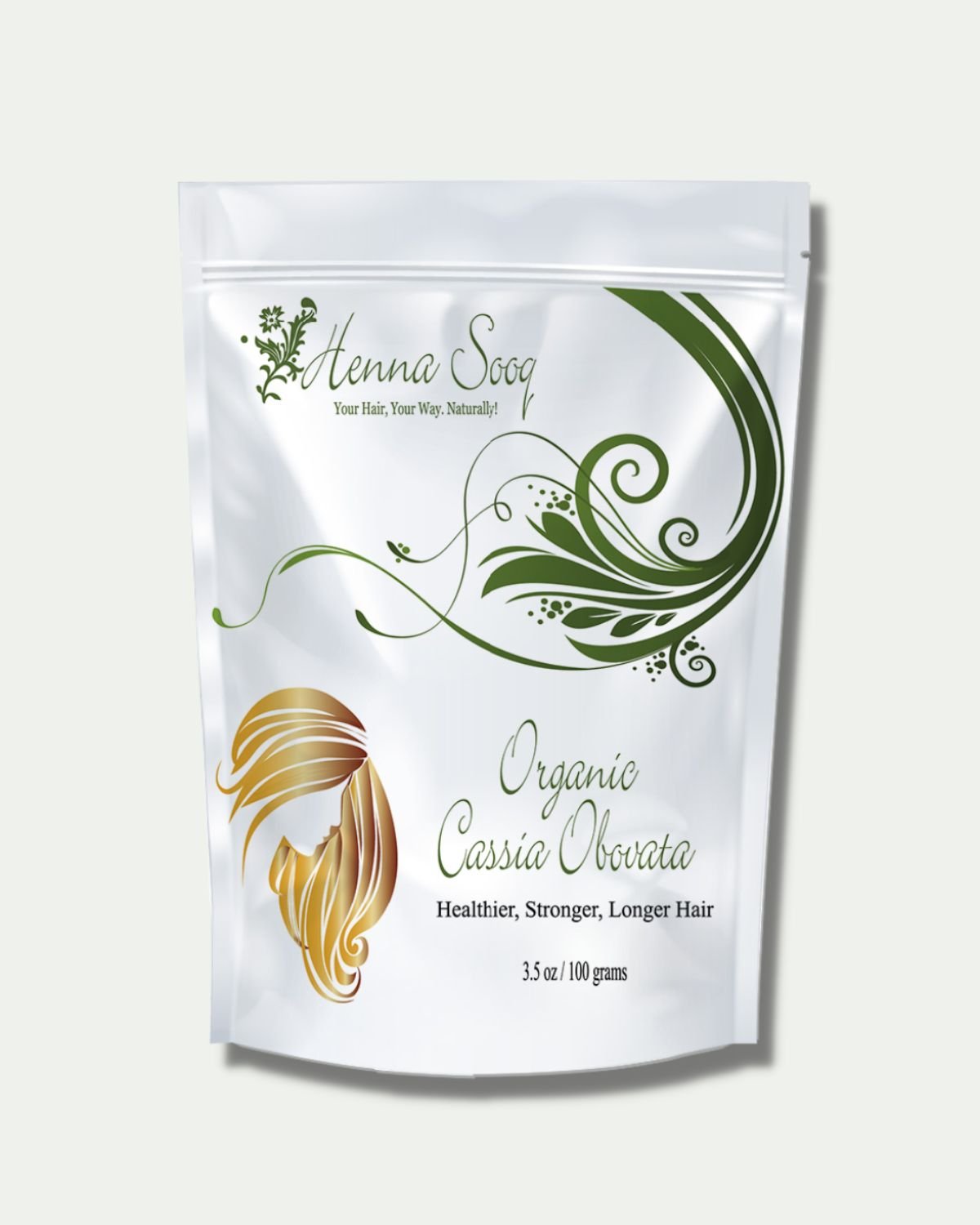
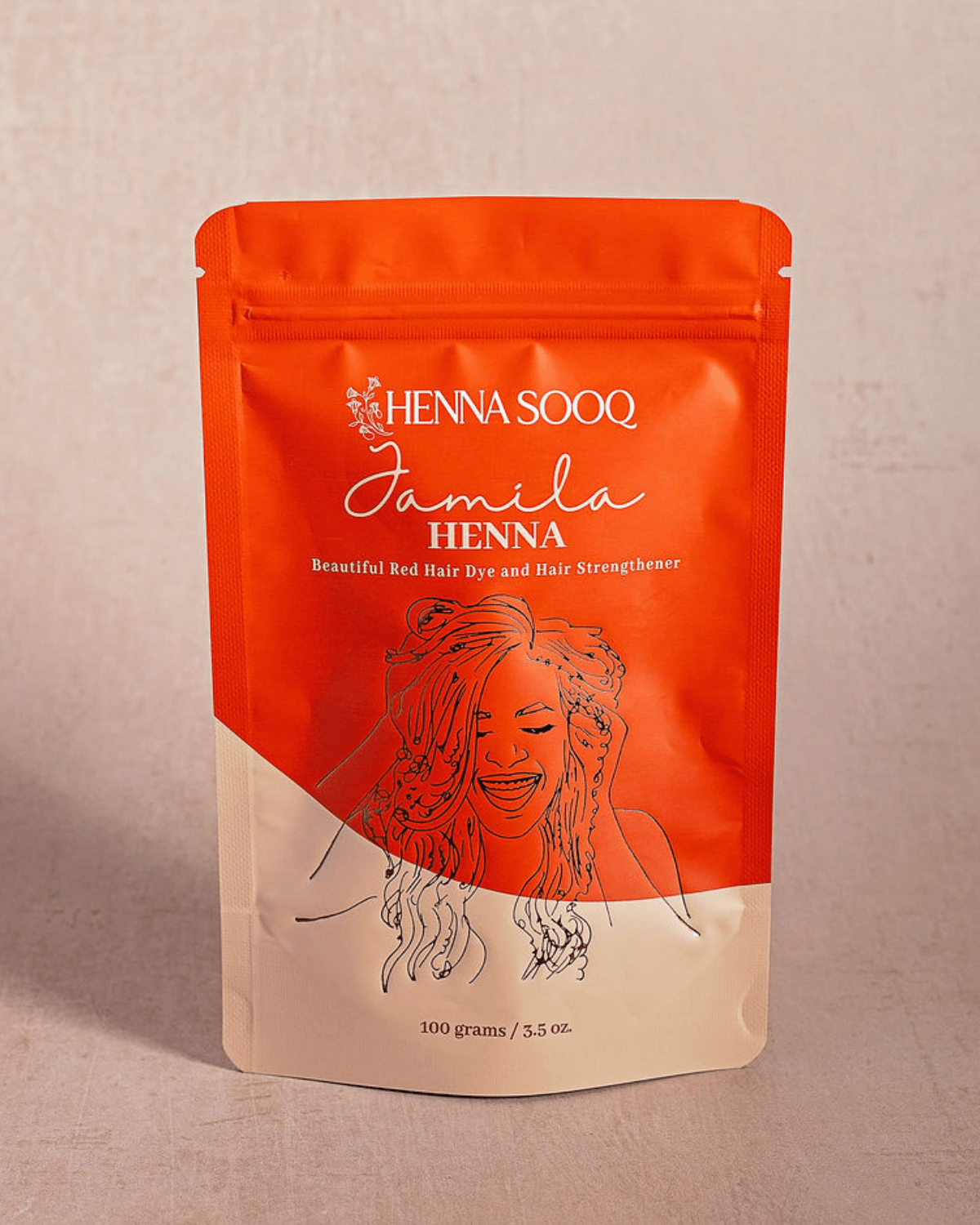
Start by selecting a natural hair dye that suits your desired result and current hair color. Henna is great for reddish tones, while indigo or a henna-indigo blend can give you natural black hair dye results. If you're looking to cover greys or add shine, cassia or amla-infused blends would be best.Look for organic hair dye powders with no added chemicals or metallic salts. These are typically safer, especially for sensitive scalps or hair that has been previously damaged. Always check the ingredient list to ensure it's a no-chemical hair dye formula made from pure, botanical sources.
Prep Your Hair (Clean and Damp)
To get the best results with natural hair dye, start by washing your hair right before coloring with henna. Use a gentle, sulfate-free shampoo to cleanse your scalp and strands thoroughly. This removes any buildup that could block the dye from taking hold. After washing, gently towel-dry your hair; it should be clean and damp when you start your application.Avoid applying conditioner before dyeing, as it may create a barrier. Proper prep ensures your best at-home hair dye can absorb evenly and deliver vibrant, long-lasting color results.
Mix the Natural Hair Dye Properly
Follow the instructions on your powder hair dye packaging. Generally, you’ll mix the herbal powder with warm distilled water (or herbal tea) until it reaches a yogurt-like consistency. Let it sit for dye release, often 1–4 hours for henna, shorter for indigo.If you’re using a natural henna hair dye, ingredients like aloe vera, amla, or hibiscus can be added for extra conditioning.
Section Your Hair for Application
Divide your hair into four to six sections, depending on your thickness and length. Use clips to secure each section. This ensures even coverage and makes the process more manageable, especially for beginners applying hair dye to natural hair.
Starting at the back helps avoid dripping and makes it easier to keep track of where you've applied. Use gloves to prevent staining your hands. Natural dyes are potent and may color your skin temporarily.
Apply the Dye Generously from Roots to Ends
Apply the mixture generously, starting at the roots and working your way to the ends. Don’t skimp; natural hair dye works best when fully saturating each strand, especially if you're covering greys or using natural black hair dye like indigo.
Take your time to massage the paste in evenly, smoothing it over each section. This ensures full absorption and a more consistent final color. Be gentle to avoid unnecessary pulling or breakage.
To see how indigo performs on resistant greys and achieves deeper tones like black without harsh chemicals, watch this helpful demonstration.
Wrap and Let the Color Develop
Once your hair is fully coated, wrap it in plastic (a shower cap or plastic wrap works well) to trap heat and moisture. You can add a towel or headwrap over it for extra warmth, which helps enhance dye release and absorption.
Let the dye sit for 2–4 hours, depending on your desired depth of color. For the best dye for natural hair, patience is key; the longer it stays, the richer the result, especially for herbal dyes.
Rinse Thoroughly (No Shampoo)
After your dye has finished processing, rinse it out using warm to cool water; don’t use shampoo at this stage, as the color is still settling. Gently loosen the paste with your fingers or a wide-tooth comb under running water.
Follow up with a cleansing cowash or natural conditioner to help remove any leftover herbs and restore softness - this step is necessary, not optional.
Extra tip: Rinse with cool water at the end to help seal in the color, especially when using indigo for deeper, longer-lasting results.
Stick to gentle, color-safe routines in the days that follow to maintain vibrancy.
Moisturize and Seal In Color
Once rinsed, apply a light, nourishing oil or herbal leave-in conditioner to seal in moisture. This helps enhance shine and prevent dryness, especially after using a no-chemical hair dye blend that includes drying herbs like henna.
Look for post-treatment products designed for hair dye for healthy hair, especially those that include amla, aloe vera, or jojoba. Hydration is key to maintaining softness and color depth in the days after dyeing.
Here’s a practical look at how using an Ayurvedic moisturizing mix after dyeing helps lock in hydration and enhances shine.
Final Color Results Develop Over 48 Hours
The beauty of natural hair dye is that it continues to oxidize over time. Don’t be surprised if your hair appears brighter, darker, or richer in tone a day or two after application.
Avoid heat styling or heavy washing during this period. Let the color settle in naturally. This patience pays off with a vibrant, long-lasting result that supports both color and hair dye for healthy hair goals.
With this step-by-step guide, you’re ready to embrace the best way to dye hair at home safely, naturally, and confidently. Using natural hair dye doesn’t just give you a beautiful color; it supports your hair’s health every step of the way.
How to Maintain Color and Care for Hair After Natural Dyeing
When switching to natural hair dye, one of the most common questions is how long the color actually lasts. While it may not behave like conventional formulas, it offers a much gentler and longer-term approach to healthy color.
Plant-based hair dyes bind to the outer layer of the hair and typically grow out gradually, rather than fading abruptly. Some soft fading can still occur with washing and sun exposure, but the color tends to remain rich and blend naturally as your hair grows. Unlike chemical dyes that show clear regrowth lines or sudden color shifts, natural dyes transition more subtly over time.
In contrast, chemical hair dye penetrates the hair shaft with ammonia and peroxide, offering faster and often more intense results. However, it also strips the hair of natural oils and weakens the strand structure over time. This may lead to damage, especially with repeated use.
While organic hair dye may require more frequent refreshing, it supports hair dye for healthy hair goals. Many users find that consistent use improves texture, shine, and color retention. And since there's no chemical hair dye involved, it's safe to reapply without risking long-term damage.
Natural Hair Dyes vs. Professional Salon Color: What’s the Difference?
Choosing between natural hair dye and professional salon color often comes down to your personal goals, hair condition, and lifestyle. While both can deliver beautiful results, their approach, ingredients, and long-term effects are quite different.
Professional hair dye used in salons typically contains chemicals like ammonia, PPD, and peroxide to lift and deposit color. This allows for dramatic color changes and predictable results, especially if you're going lighter. However, frequent use can lead to dryness, scalp sensitivity, and long-term damage. It also requires touch-ups every few weeks to maintain color consistency, especially with greys or lightened hair.
In contrast, organic hair dye and other chemical-free hair dye options use plant-based ingredients like henna, indigo, and cassia. These dyes coat and bind to the outer layer of the hair without damaging the inner structure.
While you won’t be able to bleach or drastically change your shade, natural henna hair dye adds richness, enhances your natural color, and improves hair health over time. It's especially well-suited for those looking to strengthen and color in one step without the risks of synthetic chemicals.
So, if you're looking for hair dye for healthy hair that nourishes while it colors, natural dye is an excellent choice. But if you're aiming for bold color changes or salon-style highlights, be prepared for more upkeep and potential damage with chemical options.
Common Mistakes to Avoid When Using Natural Hair Dye at Home
Dyeing your hair naturally at home is simple, but certain mistakes can affect your final results. Avoiding these common pitfalls can ensure your natural hair dye works effectively and leaves your hair healthy and vibrant.
Not Prepping Your Hair Properly
Using a natural hair dye on dirty or heavily product-coated hair can block the color from adhering well. Always start with clean, damp hair that’s free of oils, conditioner, or leave-ins. This allows plant-based dyes like henna or indigo to bind more effectively to your strands.
Skipping the Strand Test
Whether you're using powder hair dye or a blend of henna and indigo, always test a small section of hair before full application. This shows how your hair reacts and helps set realistic expectations for the final color.
Not Mixing the Dye Correctly
Improper mixing can lead to clumpy or uneven color application. Follow instructions carefully, especially when using organic hair dye powders that require resting time (like henna) or immediate use (like indigo).
When dyeing naturally, it helps to understand the impact of liquid consistency - here’s advice on how various liquids affect your henna recipe.
Washing Hair Too Soon After Dyeing
After rinsing out your natural black hair dye or herbal color, don’t shampoo for at least 24–48 hours. This allows the color to oxidize and deepen for more lasting results.
Ignoring Moisture Needs After Dyeing
While natural hair dye is gentler than chemical options, it can still leave your hair feeling dry if not followed with moisture. Always condition or use a nourishing mask after rinsing to restore softness and seal in color.
By avoiding these common mistakes, you can get the most out of your natural, no-chemical hair dye and enjoy vibrant, healthy-looking color at home safely and confidently.


Ready to Dye Your Hair Naturally? Shop Plant-Based Color Now
Now that you know how to dye your hair naturally at home, choosing the right products is the next step. Whether you're covering greys, enhancing your natural tone, or experimenting with a new shade, using the best natural hair dye makes all the difference.
Look for organic hair dye options that are free from harsh chemicals and loaded with nourishing herbs like henna, indigo, and amla. These ingredients not only provide rich, long-lasting color but also promote scalp health and strengthen your strands from root to tip.
If you're seeking a chemical-free hair dye that delivers both color and care, plant-based solutions like natural henna hair dye and indigo are excellent choices. They're safe, effective, and can be customized to achieve anything from rich auburns to deep, natural black hair dye results without compromising the health of your hair.
Explore our full range of natural hair dye products and start your at-home coloring journey with confidence. It's the best way to achieve salon-quality results naturally, from the comfort of your own home.
Natural Hair Dye 101: Common Questions and Expert Answers
How can I cover my grey hair without chemicals?
Using natural henna hair dye and indigo powder is a reliable, plant-based method for covering greys. Henna naturally stains the hair orange-red, while indigo can be used after henna to darken the shade to brown or black without any harmful additives.
Is natural hair dye better than chemical hair dye?
Yes, for those seeking a gentler alternative. Natural hair dye is typically free from ammonia, PPD, and other harsh chemicals. While it may take longer to process, it nourishes your hair and offers long-term benefits like stronger strands and a healthier scalp.
How can I dye my hair naturally?
Choose a chemical-free hair dye or a blend of Ayurvedic powders. Mix according to the instructions, apply to clean, dry hair, and allow it to process. Then, rinse. It's a simple, effective way to dye hair naturally without risking damage.
What is the healthiest way to dye your hair at home?
The healthiest option is using organic hair dye made from botanical ingredients. It’s gentle on both scalp and strands, and ideal for maintaining hair integrity while still achieving vibrant results. Always deep condition afterward to keep hair moisturized.
Can I dye my natural hair without bleaching it?
Absolutely. If you’re not looking to lighten your hair, there’s no need to bleach. Natural hair dye for black hair or brunettes works beautifully on dark strands, enhancing shine and depth without stripping pigment.
How long does henna dye last on hair?
Henna may fade over 4–6 weeks, depending on your wash routine and hair type. With proper care, henna provides lasting color and strengthens hair over time.
What is the best organic hair dye?
The best hair dye for natural hair is one made from 100% pure herbs, such as henna, indigo, cassia, and amla. These powders are known for delivering results safely while supporting hair health.
Is indigo a natural hair dye?
Yes. Indigo is a plant-based dye that turns hair deep brown to black when used over henna-treated strands. It's an essential part of any natural black hair dye process.
Is henna a natural hair dye?
Yes. Henna is one of the oldest natural hair dye products, offering vibrant orange-red tones while strengthening hair and improving scalp health.


