




What Is Henna Made Of? From Plant to Powder to Natural Hair Color
Before henna becomes the rich, earthy paste used for hair color, it starts as a leaf.
That’s the part many people don’t realize. Real henna is not a chemical color mix or a mystery powder. It comes from the henna plant, where the leaves are harvested, dried, and ground into the fine green powder used for natural hair color and body art.
For hair, henna works with your natural shade instead of lightening it. That’s why one mix can look coppery on greys, richer red on brown hair, and more subtle on darker strands. The final color depends on your starting shade, your hair, and whether henna is used alone or blended with other plant powders.
In this guide, we’ll break down what henna is made of, how it goes from plant to powder, what gives it color, and how to choose pure henna powder for your best natural hair color results.
What Is Henna? The Plant Behind Natural Hair Color
Henna is a plant-based powder made from the leaves of the henna plant, also known as Lawsonia inermis. The leaves are dried, ground into a fine powder, and mixed with liquid to create a paste that can be used for natural hair color or body art.
For hair, henna is best known for creating warm copper, red, auburn, and reddish tones. It does not lighten the hair. Instead, it works with your natural color, which is why the final result can look brighter on greys and lighter hair, richer on brown hair, and more subtle on dark hair.
True henna is different from “black henna.” Pure henna powder naturally creates orange-red to reddish tones, while black henna may refer to products or mixes that are not the same as natural henna. That difference matters, especially when choosing henna for hair color or body art.
Before getting into the details of how henna works, this short video captures the story and spirit behind plant-based hair care that has been practiced for centuries.
What Is Henna Made Of? From Henna Plant to Henna Powder
Henna is made from the leaves of the henna plant, also known as Lawsonia inermis. These leaves are the part of the plant used to create true henna powder for hair color and body art.
The process starts with the plant itself. Once the leaves are harvested, they are dried and ground into a fine green powder. That powder is what most people recognize as henna before it is mixed into a paste.
For hair color, henna powder is usually mixed with liquid until it becomes smooth enough to apply, and The Good and the bad: how liquids affect your henna recipe explains how your choice of liquid can influence the final color result. Once prepared, it releases its natural dye and can be used to add warm copper, red, auburn, or reddish tones to the hair.
Here’s the simple plant-to-powder process:
- Henna plant: The source of true henna.
- Henna leaves: The part of the plant used for powder.
- Drying: The leaves are dried before grinding.
- Grinding: The dried leaves become fine henna powder.
- Mixing: The powder is mixed into a paste before use.
- Application: The paste is applied to hair or skin for natural color.
So, when people ask what henna is made out of, the answer is simple: pure henna powder is made from dried henna leaves. For pure henna powder, dried henna leaves are the only necessary ingredient.
What Is the Difference Between Fresh Henna Leaves and Henna Powder?
Fresh henna leaves and henna powder come from the same plant, but they are not used in the exact same way. For natural hair color and body art, the leaves are typically dried and ground into a fine powder, then mixed into a smooth paste before application. Henna comes from the Lawsonia inermis plant, and the leaves are the part used to make henna powder.
| Feature | Fresh Henna Leaves | Henna Powder |
|---|---|---|
| What it is | Leaves from the henna plant before they are dried and ground | Dried henna leaves are ground into a fine green powder |
| Where it comes from | The Lawsonia inermis plant | The same plant, but processed into powder form |
| How it is prepared | Fresh leaves would need to be processed before use | Powder is mixed with liquid to create a paste |
| Best known use | The raw plant source of henna | Natural hair color, body art, and henna hair dye mixes |
| Texture | Leafy, fresh plant material | Fine powder that can be mixed into a smooth paste |
| Color role | Contains the natural dye source found in henna leaves | Releases color when mixed and prepared into a paste |
| Ease of use | Less common for everyday hair color because it requires extra preparation | More practical and consistent for mixing, applying, and storing |
| What to look for | Healthy henna leaves from the actual henna plant | Pure henna powder made from Lawsonia inermis leaves |
The main difference is convenience. Fresh henna leaves are the starting point, while henna powder is the usable form most people choose for hair color and body art. When you are shopping for natural henna powder, look for pure henna made from Lawsonia inermis leaves, especially if your goal is natural hair color or body art paste.
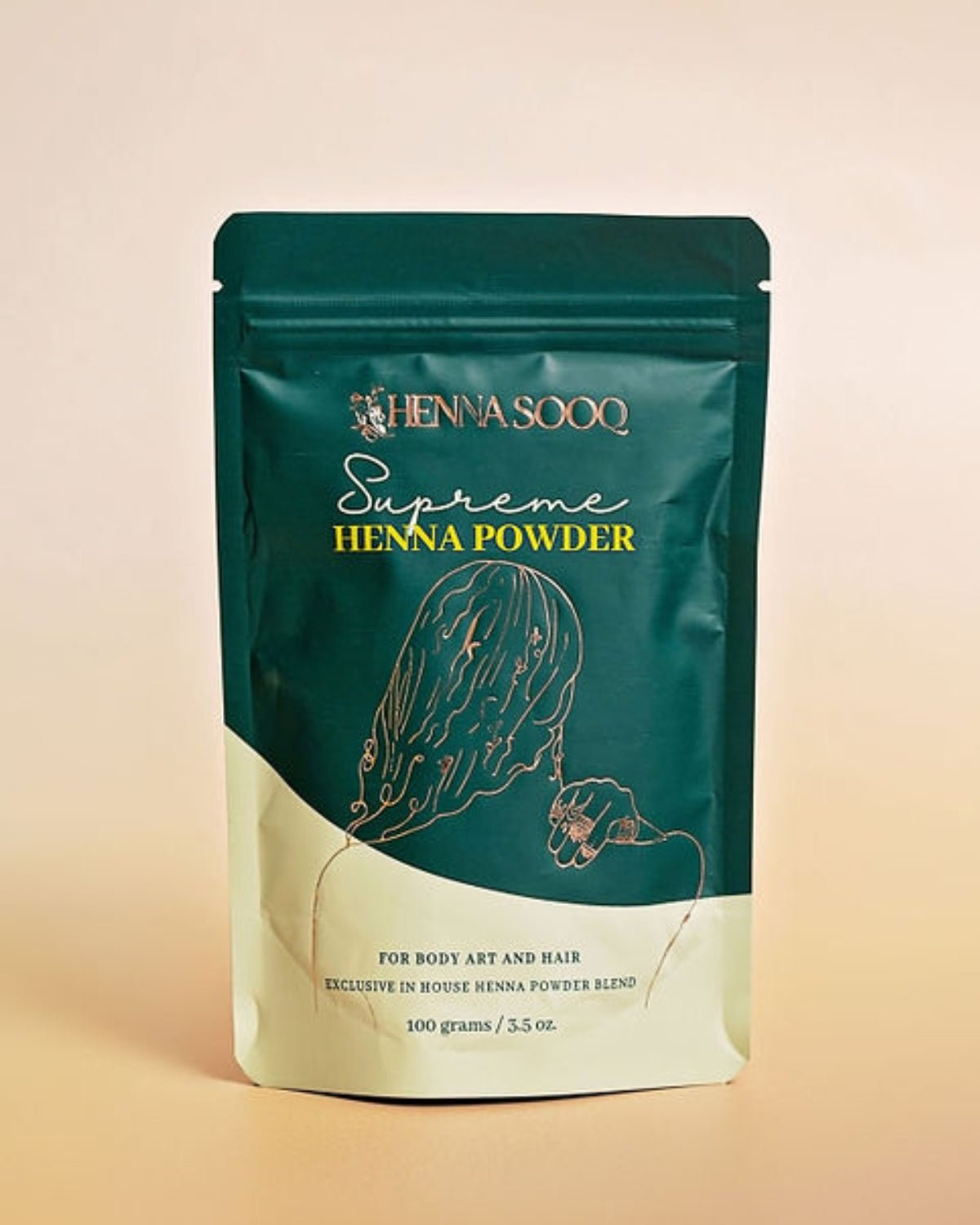
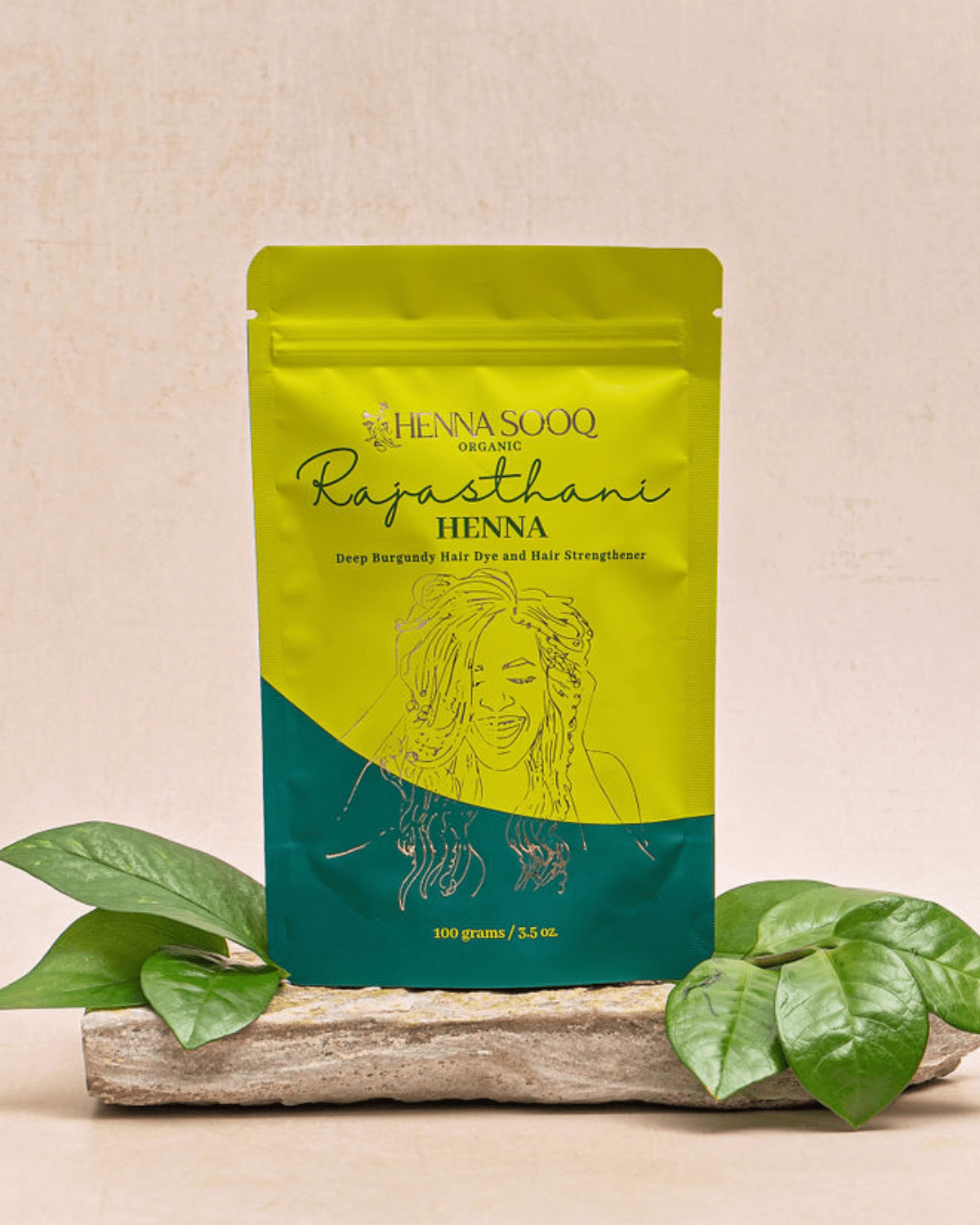


How to Choose Pure Henna Powder for Hair Color
Choosing the right pure henna powder matters because your final color starts with the quality of the powder. For natural hair color, look for henna made from the dried leaves of the henna plant, also known as Lawsonia inermis. True henna should not need synthetic dyes or mystery color boosters to create its natural copper, red, and auburn tones.A good natural henna powder should be simple, fresh, and clearly labeled. If your goal is warm red tones, choose pure henna. If your goal is brown, dark brown, or black, look for a plant-based method that uses henna with indigo instead of expecting henna alone to create those darker shades.
Here’s what to look for:
Clear ingredient information
Choose henna that clearly lists what it is made from. Pure henna should come from henna leaves, not a blend of unknown powders. How to choose the right henna powder goes deeper into what to look for when evaluating quality.No “instant black henna” claims
Pure henna does not naturally create black color. For black hair color, henna is typically applied first, then indigo is applied afterward - reddish brown henna and indigo must-dos and not-dos walks through how to use both powders safely without dryness.Fine, smooth powder
A finely sifted powder is easier to mix into a smooth paste and apply evenly to the hair.Freshness and proper storage
Fresh henna powder gives better color release when stored well. After opening, keep it sealed in its original foil pouch away from heat, light, and moisture.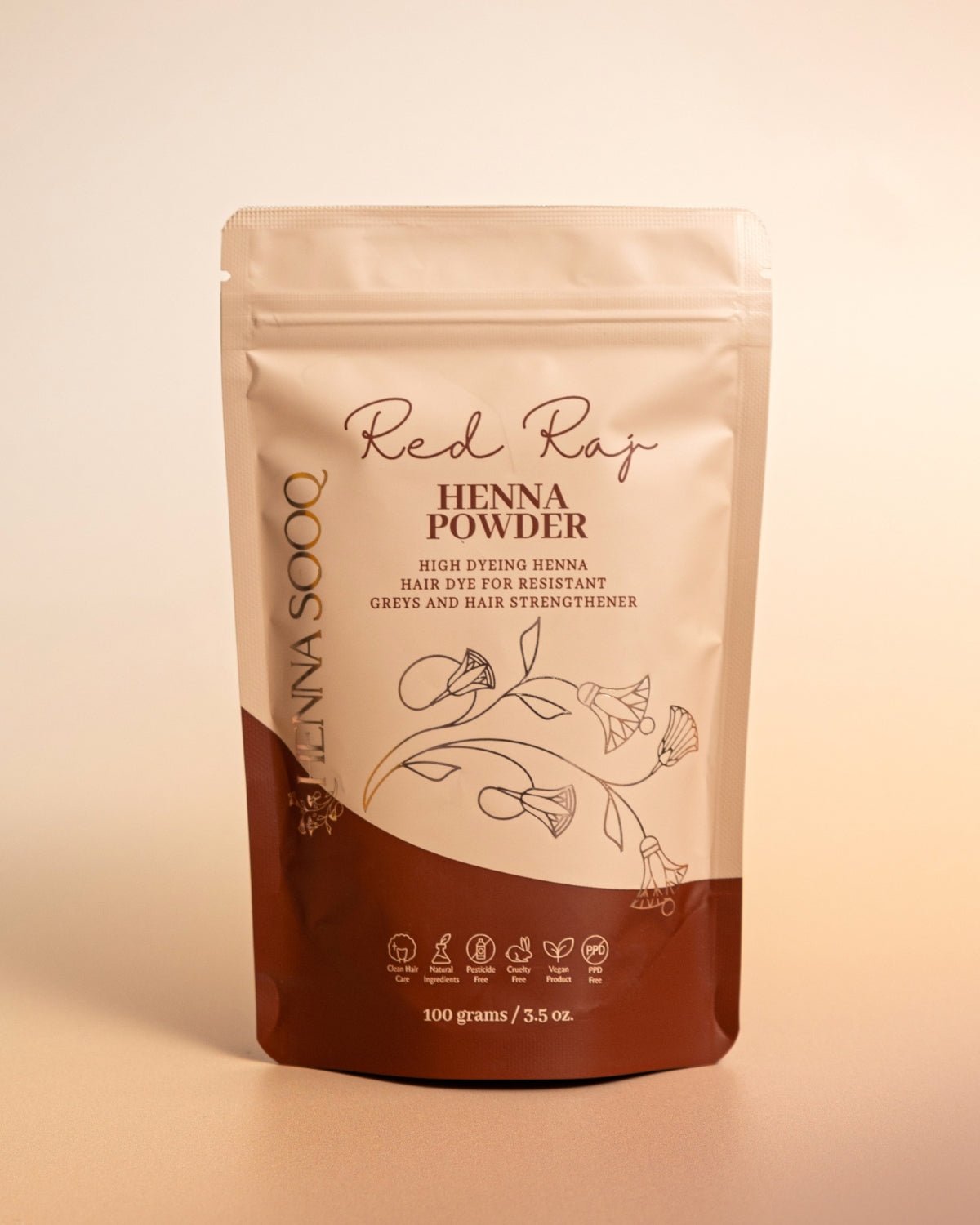
Red Raj Henna Hair Dye
Vibrant red henna color for naturally bold, radiant, healthy-looking hair.
Shop Now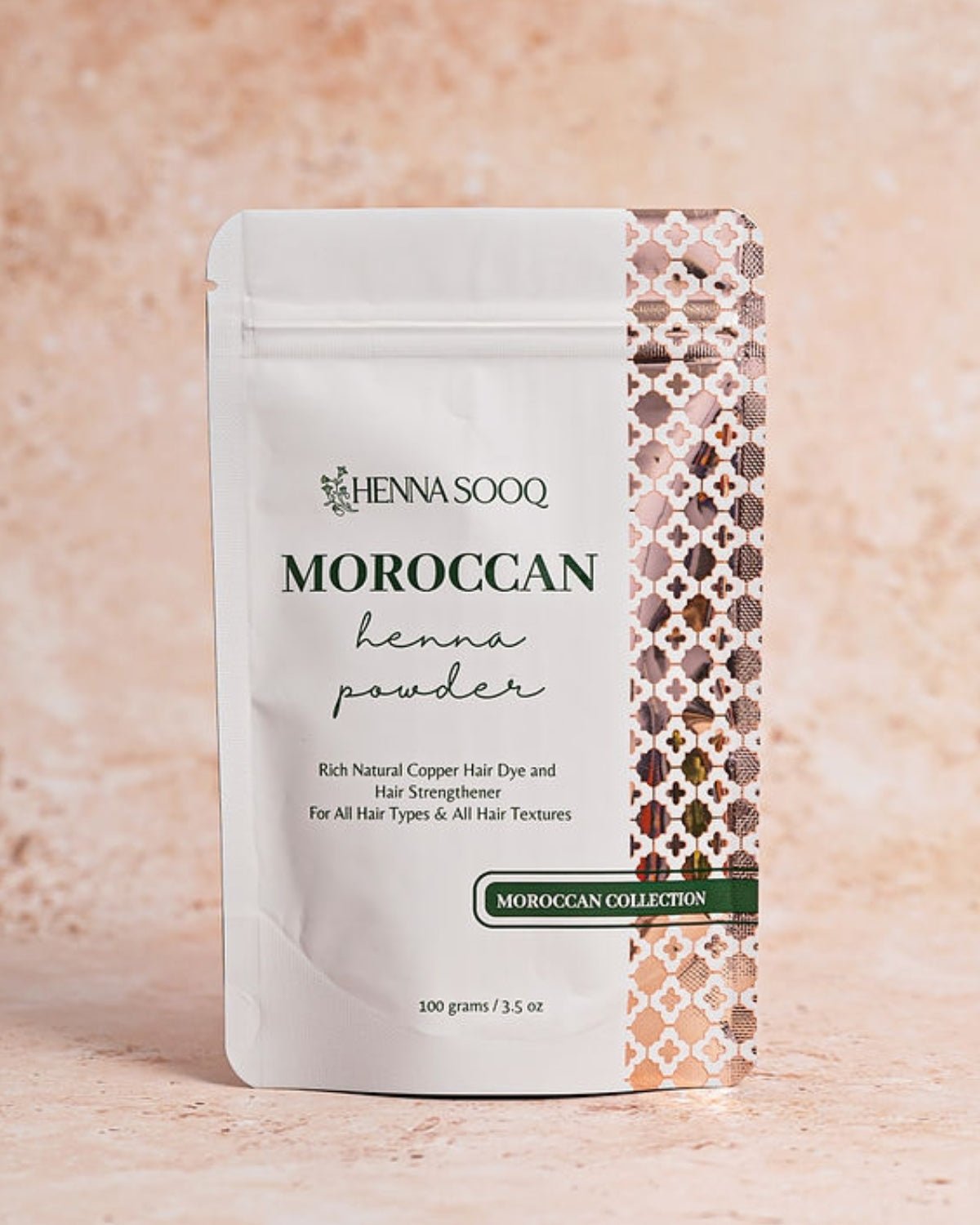
Moroccan Henna Hair Dye
Luxurious Moroccan henna for rich color and beautifully nourished hair.
Shop Now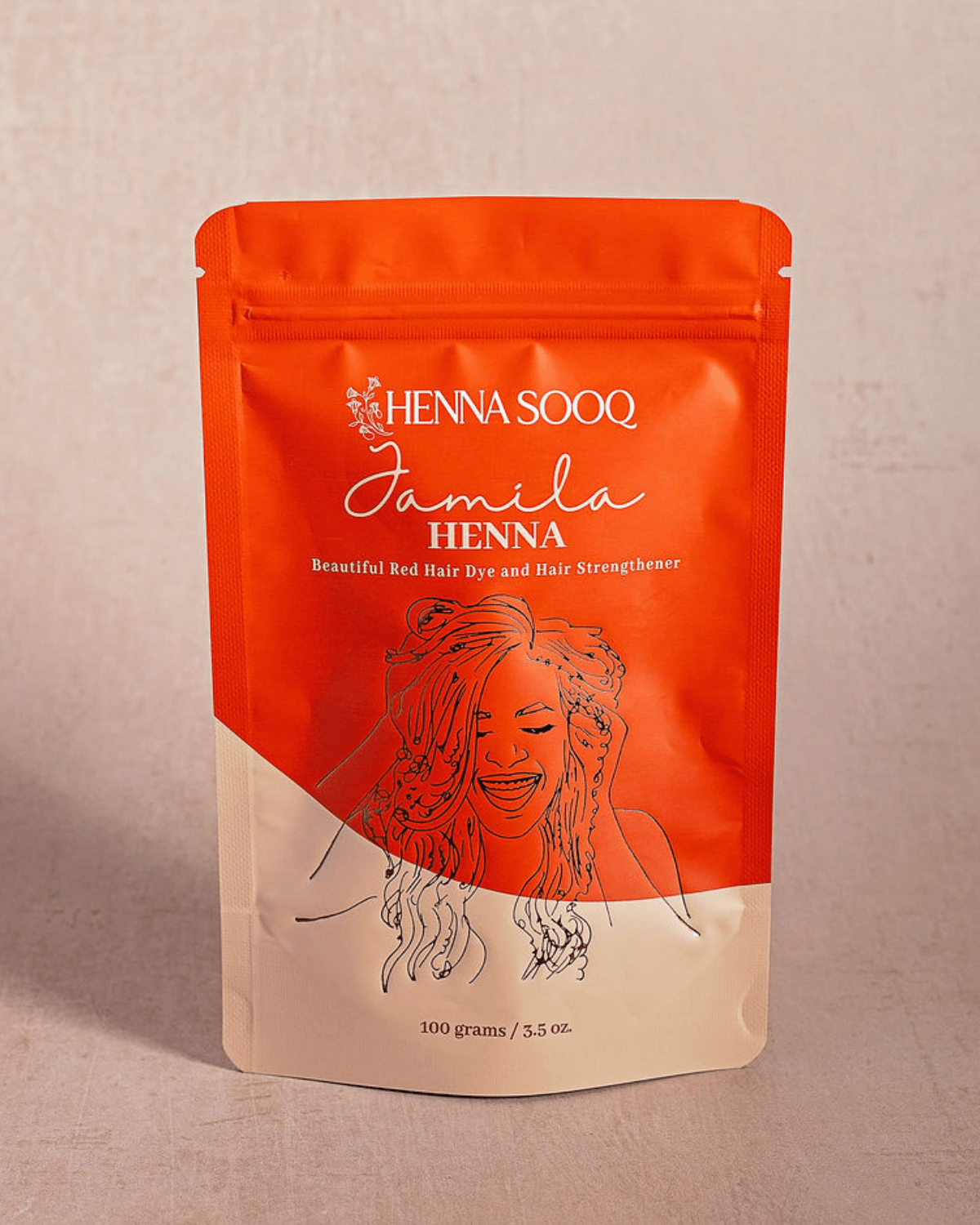
Jamila Henna Hair Dye
Premium Jamila henna for vibrant color and silky, healthy-looking hair.
Shop NowA shade goal that matches the powder
Use pure henna for copper, red, auburn, and warm reddish tones. Use henna with indigo for brown to black results, and strand test before applying your full mix.
The best henna powder for hair color is the one that matches both your ingredient standards and your shade goal. Keep it simple: choose pure henna for warm tones, choose henna and indigo for darker results, and always test first so you know how your hair responds.
What Gives Henna Its Natural Color?
Henna gets its natural color from the leaves of the henna plant. When those leaves are dried, ground into henna powder, and mixed with liquid, henna releases a red-orange dye molecule called lawsone - understanding how long henna should sit for dye release helps you get the most color out of your mix. This is what gives henna its signature warm stain on hair and skin.
For hair, that natural dye works with your starting shade. On grey or lighter hair, henna color can look brighter and more coppery. On brown hair, it can look richer and more auburn. On darker hair, the color may show as warm red tones or highlights in certain lighting.
Henna’s natural color range usually sits in the warm family:
- copper
- orange-red
- red
- auburn
- burgundy or red-brown tones, depending on the henna and starting shade
The exact result can vary because henna does not lighten hair. It adds plant-based color over the hair you already have, which means your natural hair color, grey percentage, and mix all affect the final shade.
This is also why pure henna powder is not naturally black, brown, or blonde on its own. Those results usually come from combining henna with other plant powders, such as indigo or cassia, depending on the color goal.
How Does Henna Work as a Plant-Based Hair Dye?
Henna works as a plant-based hair dye because its natural dye molecule binds to the hair and leaves behind a warm color. Instead of lifting or lightening your natural shade, henna layers color onto the hair you already have. That is why the final result can look different for every person.
When henna powder is mixed into a paste and allowed to release its dye, it can be applied to the hair for natural color. The color then develops into warm copper, red, auburn, or reddish tones, depending on your starting shade, grey percentage, and how your hair responds.
Here’s the simple way to understand it:
Henna does not bleach or lighten hair
It will not turn dark brown or black hair blonde, copper, or light red.
Henna works with your starting color
Lighter hair and greys usually show the color more brightly, while darker hair may show softer red or auburn tones.
Henna color can build over time
Repeated applications may create a deeper or richer color result, especially on hair that takes plant-based dye well.
Henna can be blended with other plant powders
Indigo is often used with henna for brown to black tones, while cassia is used in lighter blonde blends. How to use cassia obovata for hair explains what cassia does and how to work it into a natural color routine.
This is what makes henna hair color different from conventional dye. It is less about forcing one exact shade and more about choosing a natural color path that works with your hair’s current color, texture, and history.
What Color Does Henna Make Hair?
Henna naturally creates warm color results. On its own, pure henna powder does not make hair blonde, brown, or black. Instead, it adds copper, orange-red, red, auburn, or reddish tones depending on your starting hair color.
Because henna works with the shade you already have, the final color can look different from person to person. Lighter hair and greys usually show the brightest results, while darker hair may show more subtle warmth or red tones in the light.
Here’s a simple guide:
| Starting Hair Color | Henna May Look Like |
|---|---|
| Grey or white hair | Bright copper, orange-red, or warm red |
| Blonde or light hair | Copper, strawberry blonde, or brighter red tones |
| Light brown hair | Warm copper, auburn, or reddish brown |
| Medium brown hair | Auburn, red-brown, or warm red tones |
| Dark brown hair | Subtle auburn, red, or warm undertones |
| Black hair | Very subtle red or warm tones, often more visible in sunlight |
Henna color is best understood as a warm overlay, not a full color replacement. If your goal is brown, dark brown, or black hair, henna is usually paired with indigo. This complete guide to coloring hair with henna and indigo walks through how that process works step by step. If your goal is a lighter golden or blonde-style result, cassia may be used in the blend.
Natural Henna Powder vs. Black Henna
Natural henna powder and black henna are not the same thing. Pure henna comes from the leaves of the henna plant and naturally creates orange-red, copper, red, and auburn tones. It is not naturally black.
Black henna is a term that can be confusing because it is often used in two very different ways. In natural hair color, people may use “black henna” to describe a henna and indigo process for black hair. In body art, however, “black henna” can refer to mixes with additives and should not be treated as the same thing as pure natural henna.
| Feature | Natural Henna Powder | Black Henna |
|---|---|---|
| What it is | Powder made from dried henna leaves | A broad term that may refer to henna and indigo hair color or unsafe body art mixes |
| Natural color | Orange-red, copper, red, or auburn tones | Pure henna does not naturally create black color |
| For hair color | Used alone for warm red tones or with indigo for brown to black results | Black hair color is usually created with henna first, then indigo |
| For body art | Used for traditional reddish-brown henna stains | Black henna body art may contain unsafe additives and is not the same as pure henna |
| What to look for | Pure henna powder made from henna leaves | For hair, look for clear ingredient information and plant-based blends with henna and indigo |
If your goal is natural black hair color, look for a plant-based henna and indigo method rather than pure henna alone, stubborn greys and black hair: How to Make Indigo Work for Resistant Hair is a useful read for anyone targeting darker results.
If your goal is body art, choose natural henna paste or powder and avoid products marketed as instant black henna.
This video shows exactly what henna alone versus henna with indigo looks like on black hair, a useful visual for anyone trying to understand the difference between pure henna and black hair results.
What Happens When Henna Is Mixed With Other Plant Powders?
Henna can be used on its own, but it is often mixed with other plant powders when the goal is to adjust the final color result. Pure henna powder naturally creates warm copper, red, auburn, and reddish tones. When blended with other herbs, the color can shift softer, deeper, or darker depending on the powder used.
| Plant Powder Mixed With Henna | How It Can Affect the Result | Best Used For |
|---|---|---|
| Indigo | Helps deepen henna’s warm base into brown, dark brown, or black tones | Brown to black hair color |
| Cassia | Can create lighter golden tones on grey or blonde hair, and can soften the intensity of henna in lighter blends | Blonde, golden, strawberry blonde, or softer copper tones |
| Amla | May be added to henna-based mixes depending on the desired tone and overall hair goals | Customized herbal color blends |
| Other Ayurvedic herbs | Can be used in herbal hair mixes depending on the treatment goal, but they may affect texture, tone, or how the blend feels on the hair | Hair masks, strengthening blends, or customized natural hair care |
The most important thing to know is that henna is still the warm color base. Indigo is the key plant powder used when the goal is brown, dark brown, or black hair. Cassia is best for lighter shade goals, especially on grey or blonde hair, while amla and other Ayurvedic herbs are usually used to customize the mix.
A strand test is always a smart step before applying a full blend - how to use Red Raj henna hair dye and color resistant greys is a useful example of how strand testing and blending work together for real hair color results.
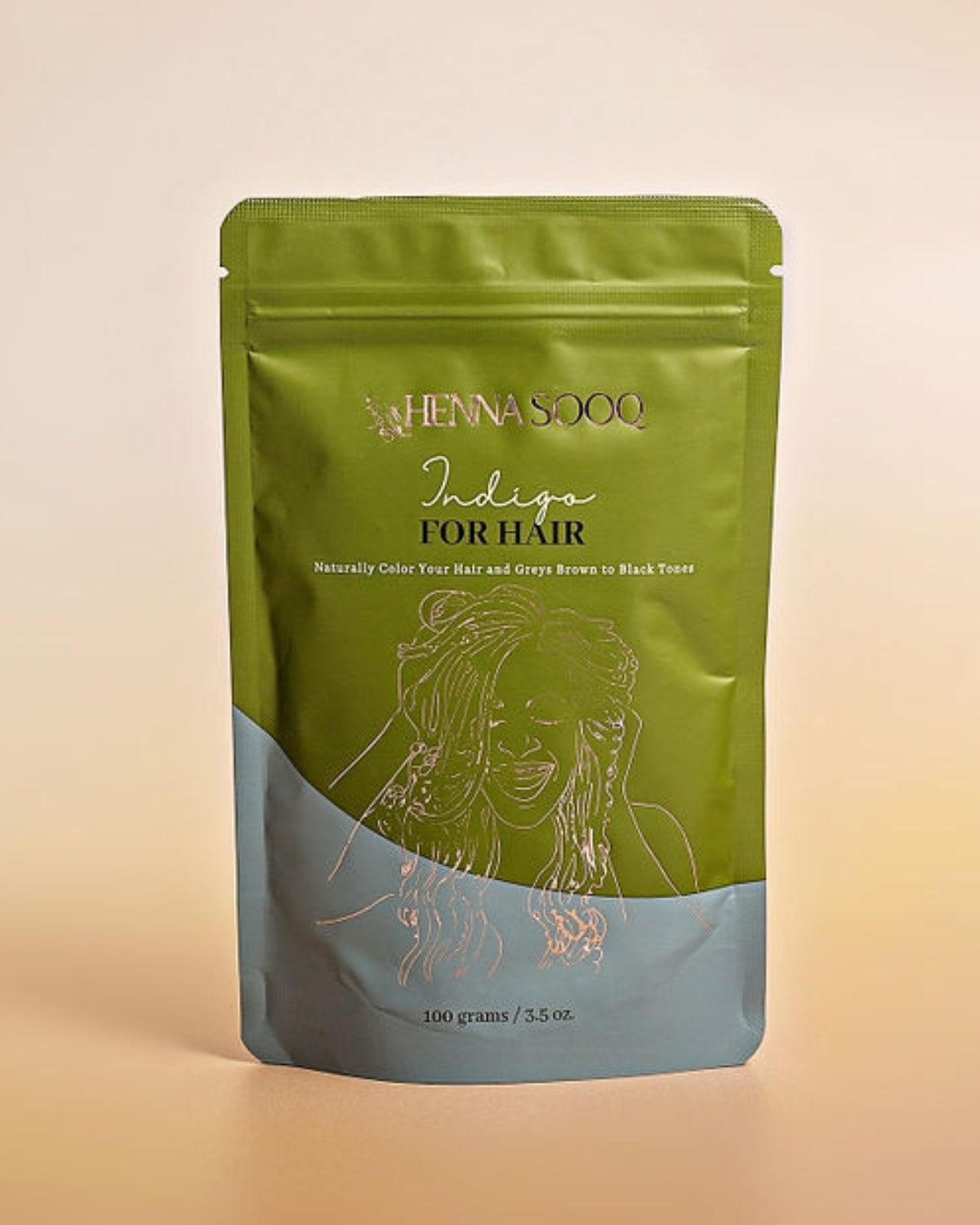
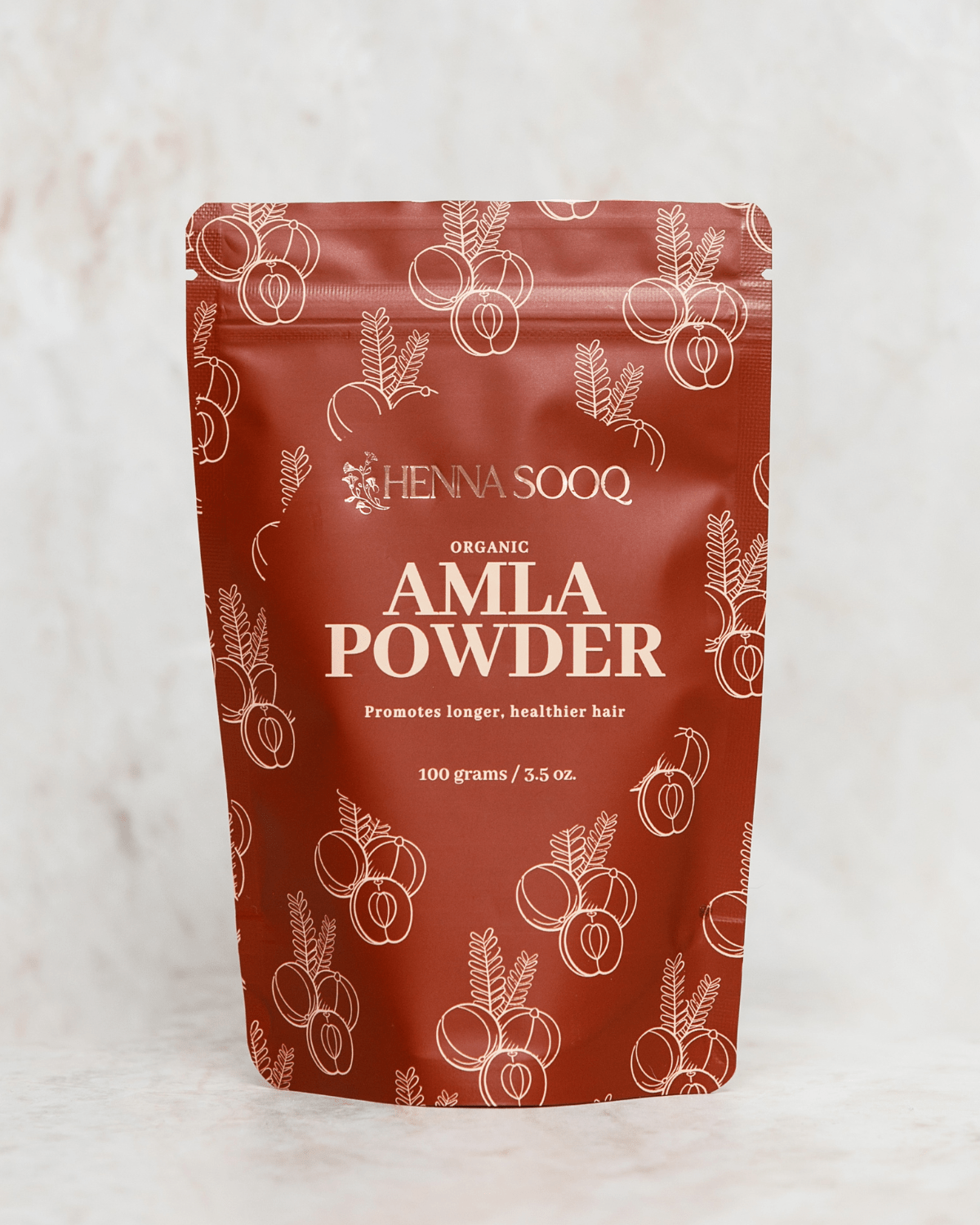

Find Your Natural Henna Hair Color
Ready to choose a shade that works with your hair, not against it? Explore Henna Sooq's natural henna hair color options based on your starting color and your goal, whether you want warm copper, rich red, auburn, brown, dark brown, or black results with plant-based blends.
Start with pure henna powder if you want classic warm tones, or choose henna with indigo if your goal is brown to black hair color. Before applying your full mix, do a strand test so you can preview your result and feel confident before color day.
Frequently Asked Questions About Henna
What plant does henna come from?
Henna comes from the Lawsonia inermis plant. This plant is also known as henna, and its leaves are dried and ground into the powder used for natural hair color and body art.
The quality of the final henna powder depends on the plant material, processing, freshness, and how well the powder is sifted before use.
Is henna made from leaves or flowers?
Henna powder is made from the leaves of the henna plant, not the flowers. The leaves are the part that gets dried, crushed, and ground into the fine powder used for hair dye and body art.
Henna flowers are part of the plant, but they are not what creates the henna powder used for natural color.
Are henna flowers used to make henna powder?
No, henna flowers are not used to make henna powder. Henna powder is made from dried henna leaves from the Lawsonia inermis plant.
The flowers may be part of the plant, but the color powder used for hair and body art comes from the leaves.
What is henna powder made of?
Henna powder is made of dried, ground henna leaves. True henna powder comes from the Lawsonia inermis plant and is mixed with liquid to create a paste for hair color or body art.
If you are choosing henna for hair, look for clear ingredient information so you know whether it is pure henna powder or a blend with other plant powders.
Is pure henna powder natural?
Yes, pure henna powder is natural when it is made only from dried henna leaves. Henna is a plant-based powder made from the leaves of the henna plant, also known as Lawsonia inermis, and if you're weighing whether it's the right choice for your hair, reasons to switch to henna hair dye lay out what makes plant-based color different from conventional dye.
For the cleanest choice, avoid products with unclear ingredients, metallic salts, or mystery color additives.
What gives henna its color?
Henna gets its color from the natural dye found in henna leaves. When the leaves are dried, ground, and mixed into a paste, henna releases the color that creates warm red, copper, and auburn tones.
The final color depends on your starting hair shade, grey percentage, and whether henna is used alone or blended with other plant powders.
How does henna work on hair?
Henna works on hair by adding plant-based color over your existing shade. It does not lift or lighten hair like some conventional dyes, so results vary depending on your natural color.
On lighter hair or greys, henna may look brighter and more coppery. On darker hair, it may show as warmer red or auburn tones.
Is henna a plant-based hair dye?
Yes, henna is a plant-based hair dye. It is made from powdered leaves of the Lawsonia inermis plant and is used to create natural hair color.
Pure henna is best known for warm red, copper, and auburn tones. For brown, dark brown, or black results, henna is usually paired with indigo.
What color does henna make hair?
Henna naturally makes hair warm red, copper, auburn, or reddish tones. The result depends on your starting hair color because henna works with your natural shade instead of lightening it.
For brown, dark brown, or black hair color, henna is typically used with indigo rather than used alone.
Does henna cover grey hair?
Yes, henna can cover grey hair, but the final color depends on your starting shade, how resistant your greys are, and whether you use henna alone or blend it with indigo. Pure henna typically gives grey hair a warm copper, orange-red, or red tone.
If you want brown, dark brown, or black grey coverage, henna is usually paired with indigo. Some greys can be stubborn, so a strand test is helpful, and more than one application may be needed for stronger, more even coverage.
What is black henna made of?
Black henna is not the same as pure natural henna. Pure henna comes from henna leaves and naturally creates warm red, copper, and auburn tones, not black.
For natural black hair color, the safer plant-based approach is typically henna with indigo. In body art, “black henna” can refer to unsafe mixes, so ingredient clarity is really important.
Is black henna the same as natural henna?
No, black henna is not the same as natural henna. Natural henna is made from dried henna leaves and creates warm red-orange to auburn tones.
For hair color, black results are usually created with henna and indigo. Pure henna powder alone does not naturally create black hair color.
How do you store henna powder after opening?
After opening, keep henna powder sealed in its original foil pouch, not in a clear container or another container. Store it away from heat, light, and moisture to help protect the powder’s quality and freshness.
For best results, follow the storage directions on the product packaging, especially if you are using organic henna powder or body art quality henna powder.
How can you tell if henna powder is high quality?
High-quality henna powder should have clear ingredient information and be made from true henna leaves. A fine sift is also helpful because it makes the powder easier to mix into a smooth paste and apply evenly.
For hair color, choose pure henna powder if you want warm red, copper, or auburn tones. If the product promises instant black results from henna alone, check the ingredients carefully because pure henna is not naturally black.


