




8 Best Henna Hair Dye Picks for Healthy, Rich Color
Finding the right hair dye can be tricky when you want color that looks rich and natural without the damage that chemical-based products often cause. Henna has become a trusted choice for individuals seeking a plant-based alternative that not only colors the hair but also aligns with a more natural approach to beauty.
Derived from herbs like henna, indigo, and cassia, it’s used widely as a natural way to enhance color while keeping hair healthy-looking. What makes henna so popular is the range of shades it offers. From deep black and classic brown to vibrant red and softer blondes, there’s a tone to suit almost every style.
Many people also choose it as a way to naturally cover greys, while others enjoy the depth and shine it can bring to their hair. In this blog, we’ll look at eight of the best henna hair dye options, each with its unique character, to help you find the shade that fits your look and lifestyle.
Why Choose Henna Hair Dye Over Chemical Hair Color?
Traditional chemical dyes often rely on harsh ingredients that can strip moisture, weaken strands, and cause irritation for sensitive scalps. Henna, on the other hand, is plant-based and offers a gentler approach to coloring. It has been used for centuries as a natural way to add color and vibrancy to hair without the synthetic additives found in many commercial dyes.
Another reason people prefer henna is its versatility. Depending on how it’s prepared and combined with other natural herbs, it can create a wide range of shades, from deep blacks and browns to radiant reds and warm blondes. This makes it a flexible option for those who want to experiment with different tones while keeping their routine aligned with more natural hair care practices.
Benefits of Using Natural Henna Hair Dye for Healthy Hair
Henna is valued not only for the way it colors hair but also for the many additional benefits it brings to hair care. Here are some of the reasons people choose it:
Plant-based and natural: Derived from herbs like henna, indigo, and cassia, henna hair dye is free from synthetic chemicals and additives. This makes it a preferred choice for people looking for a more natural hair care routine.
Gentle on the scalp: Conventional dyes often contain ingredients that can irritate sensitive skin. Henna, being a natural option, is often chosen by those who want a gentler, more soothing coloring experience.
Wide range of shades: Henna can be combined with different herbs to produce an impressive palette of colors. From black henna hair dye to red henna hair dye, dark brown henna hair dye, or even blonde hair dye, there are many shades to explore.
Grey coverage option: One of the biggest reasons people turn to henna is its ability to color or blend grey strands. For those searching for a natural dye for hair, it provides a way to keep color fresh without relying on chemicals.
Strengthening properties: Henna coats each hair strand, which can make the hair feel stronger and more resilient over time. This is why it’s often considered one of the best hair dye options for overall hair health.
Adds natural shine: After using natural henna hair dye, many people notice a healthy gloss that enhances the appearance of their color. The shine adds vibrancy and helps hair look more polished.
Supports scalp health: Traditionally, henna has been used not only as a dye but also for its cooling and balancing qualities. Many find that it leaves their scalp feeling cleaner and refreshed.
Long-lasting color: Unlike many synthetic dyes that fade quickly, henna color gradually deepens with repeated use. With regular applications, it builds richness and dimension, making it a favorite henna hair dye for grey hair as well.
Safe for different hair types: Henna is versatile enough to be used on all textures, including curly, coily, and loc’d hair. It’s also considered safe to apply to hair that has been previously treated.
Cultural tradition: With centuries of use in hair and body art, henna carries a long-standing history of trust. This cultural connection makes it more than just a dye; it’s part of a natural beauty tradition.
Together, these benefits highlight why henna has become one of the most popular choices for people looking for hair dye for natural hair. It offers beautiful results while staying true to a more holistic approach to hair care.
How to Apply Henna Dye Hair Color: Step-by-Step Guide
Using henna for coloring may feel different from applying a store-bought chemical dye, but the process is straightforward once you understand the basics. Here’s a simple guide to help you get started.
Step 1: Prepare Your Hair
Make sure your hair is clean and free from buildup. Washing with a gentle shampoo before applying henna ensures the dye can coat the strands more evenly.
Step 2: Mix the Henna Powder
Combine your henna powder with warm liquid (such as distilled water or tea) and stir until you reach a smooth, paste-like consistency. For extra moisture, some people also add natural powders like aloe.
Note: You can safely use all types of bowls with our Henna Sooq products since they do not contain metallic salts or additives. However, we recommend stainless steel, silicone, or glass bowls and tools as the best options.
Step 3: Let the Paste Rest
Let the henna paste rest for 3-4 hours to allow for proper dye release. This resting period ensures a richer, longer-lasting color.
Step 4: Apply the Henna Paste
Section your hair and apply the paste from roots to ends, ensuring every strand is coated. Using gloves and a brush or your hands makes the application easier and less messy.
Step 5: Cover and Wait
Leave the paste on for 3-4 hours max. Leaving henna on longer does not improve color depth and may cause dryness or hair damage.
Step 6: Rinse Thoroughly
Rinse the henna out with water until it runs clear. Avoid shampooing immediately, as it may cause some of the color to fade. Conditioning can help soften the strands after rinsing.
Step 7: Allow Color to Deepen
Henna color often oxidizes and deepens over the next 1-2 days. Be patient as the final shade reveals itself naturally.
Henna coloring is a gradual, building process that rewards patience. With regular applications, you’ll notice your henna dye hair color developing into a richer, healthier-looking shade, making it one of the most rewarding ways to experiment with natural hair dye.




8 Best Henna Hair Dye Picks for Healthy, Rich Color
Henna blends create a range of tones, from soft blondes to deep blacks. Each shade is crafted from natural herbs like henna, indigo, and cassia, which influence the final result. Here are eight popular picks to explore in detail:Black Henna Hair Dye – Rich, Bold Tones
Black tones are achieved through a two-step method: applying henna first and then indigo. This process helps create a deeper result compared to single-step blends. Since outcomes vary based on natural color or how much grey is present, lighter hair may pull warmer undertones like red or orange before deepening with indigo.Because black henna hair dye develops differently depending on the starting shade, some people find repeated applications useful in reaching a more uniform black tone. The blend itself uses plant-based and vegan herbs, offering a natural approach to a darker color.
Brown Henna Hair Dye – Classic Everyday Shade
Brown shades are created by mixing henna and indigo in equal parts. This 50/50 blend works like balancing tones, similar to mixing paint colors, resulting in a medium brown finish. On lighter hair or higher amounts of grey, the color can sometimes appear warmer, pulling more red or orange at first.Over time and with repeated use, brown henna hair dye can develop more depth. Like other henna blends, it’s plant-based and works across different textures, making it a versatile choice for everyday color.
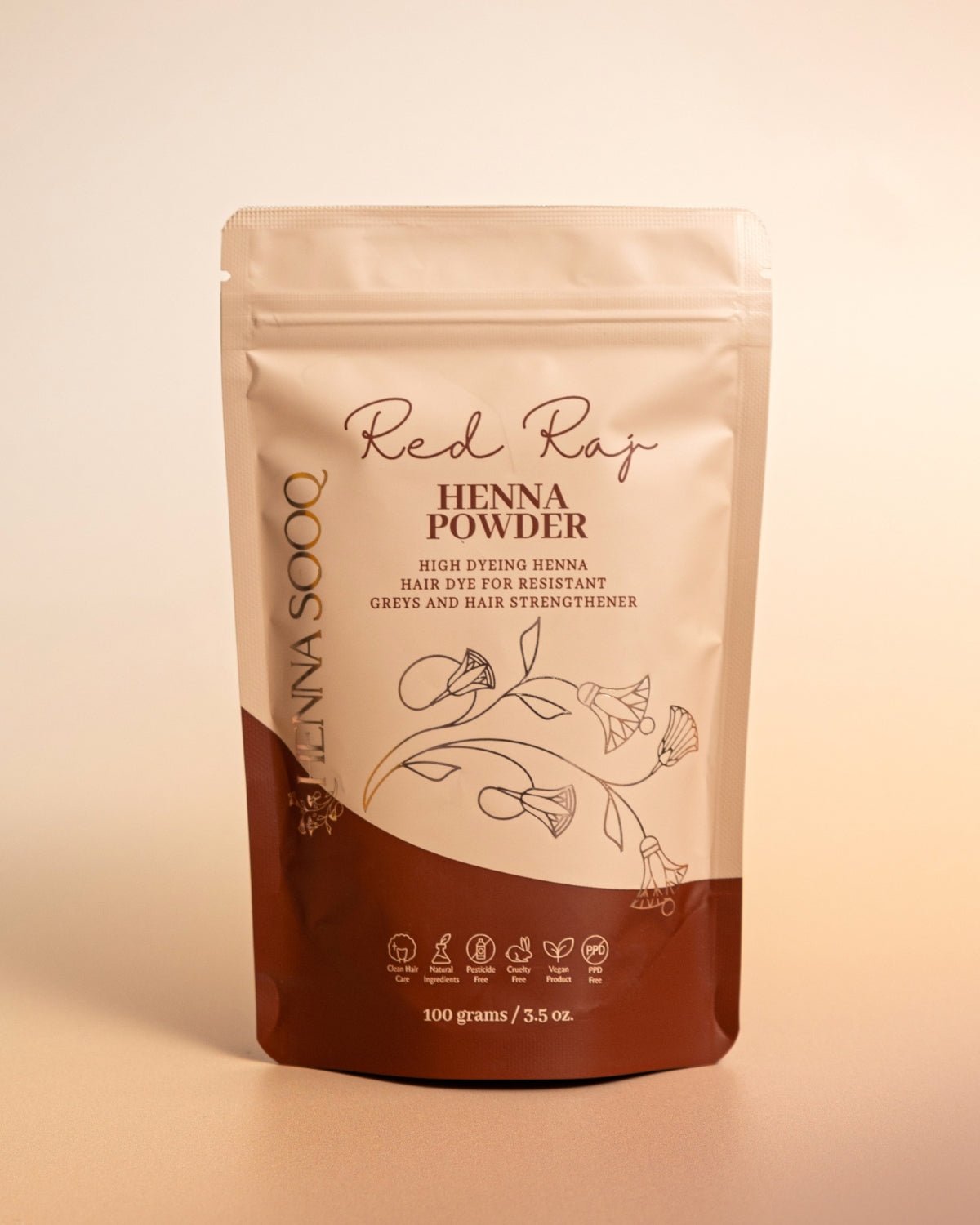
Red Henna Hair Dye – Vibrant and Eye-Catching
Pure henna naturally dyes hair in shades of red. Depending on the starting color and percentage of grey, the result may vary from bright red tones to softer, more subtle hues. Lighter hair generally produces stronger red or orange effects, while darker hair shows more subdued highlights.Henna color also builds with repeated applications, and red henna hair dye can become richer over time. Using it regularly deepens the red tone, offering layers of vibrancy that evolve with every application.
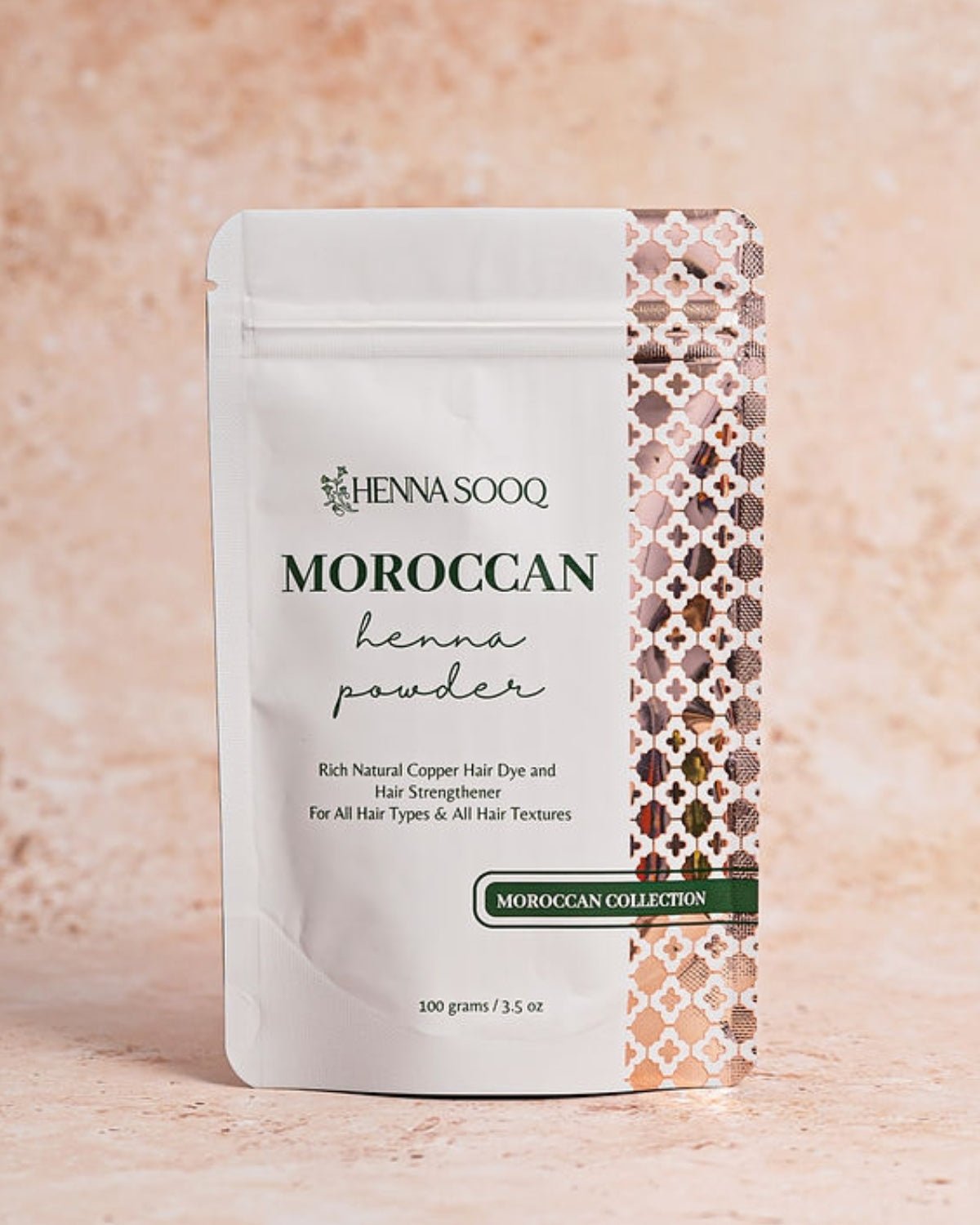
Moroccan Henna Hair Dye
Wrap your strands in warm copper tones with this fresh Moroccan blend.
Shop Now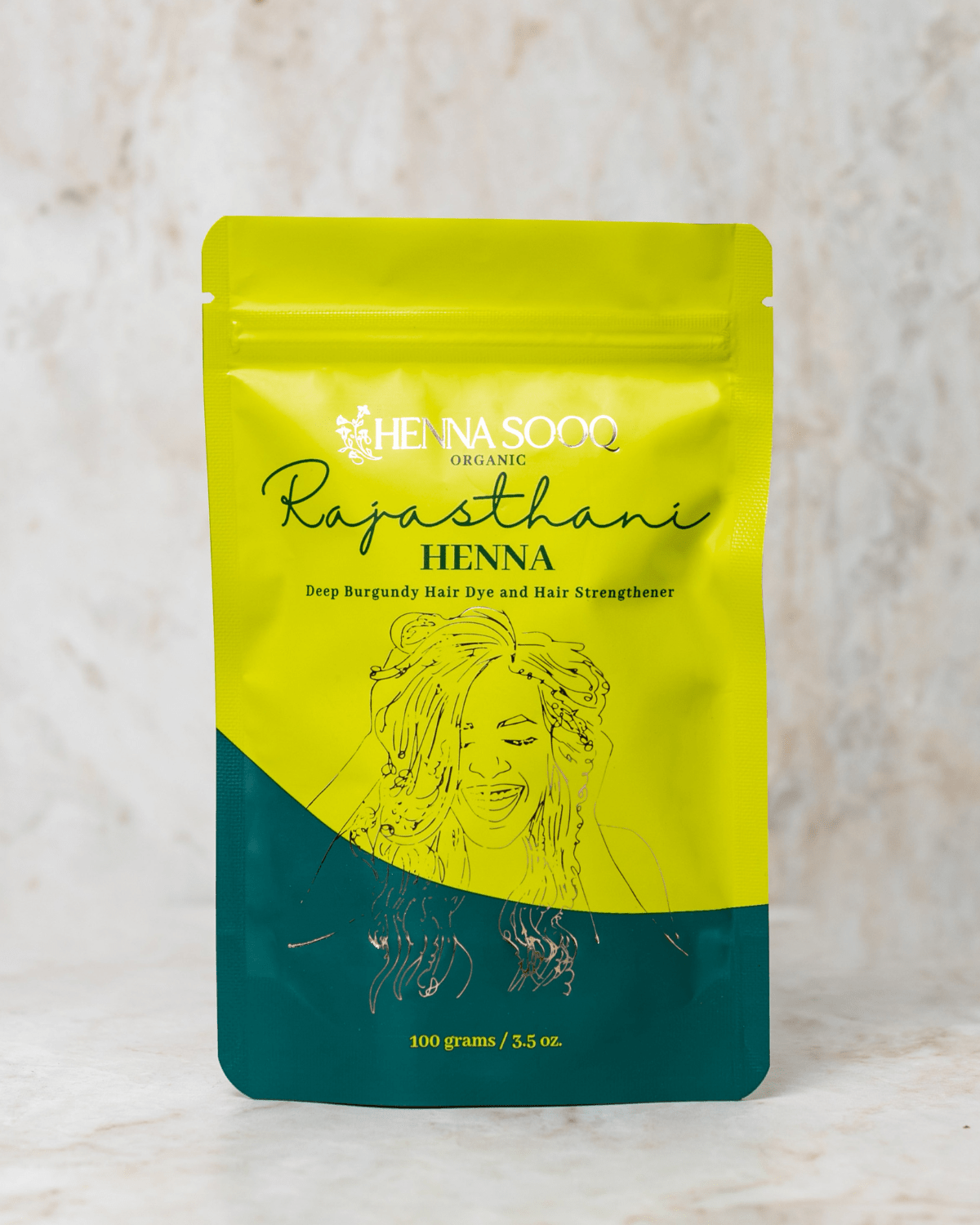
Rajasthani Henna Hair Dye
Deep red color and smooth application from pure, organic henna leaves
Shop Now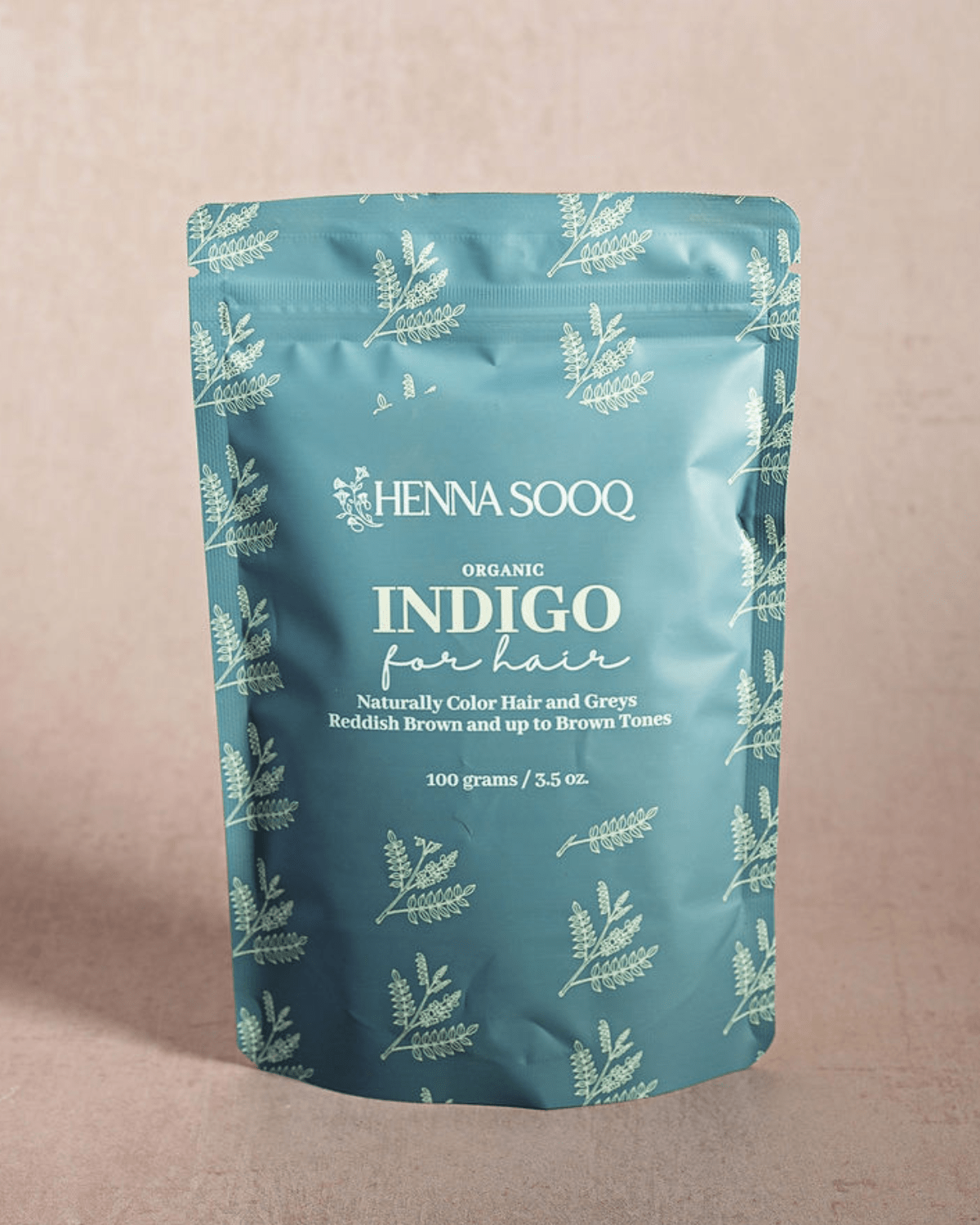
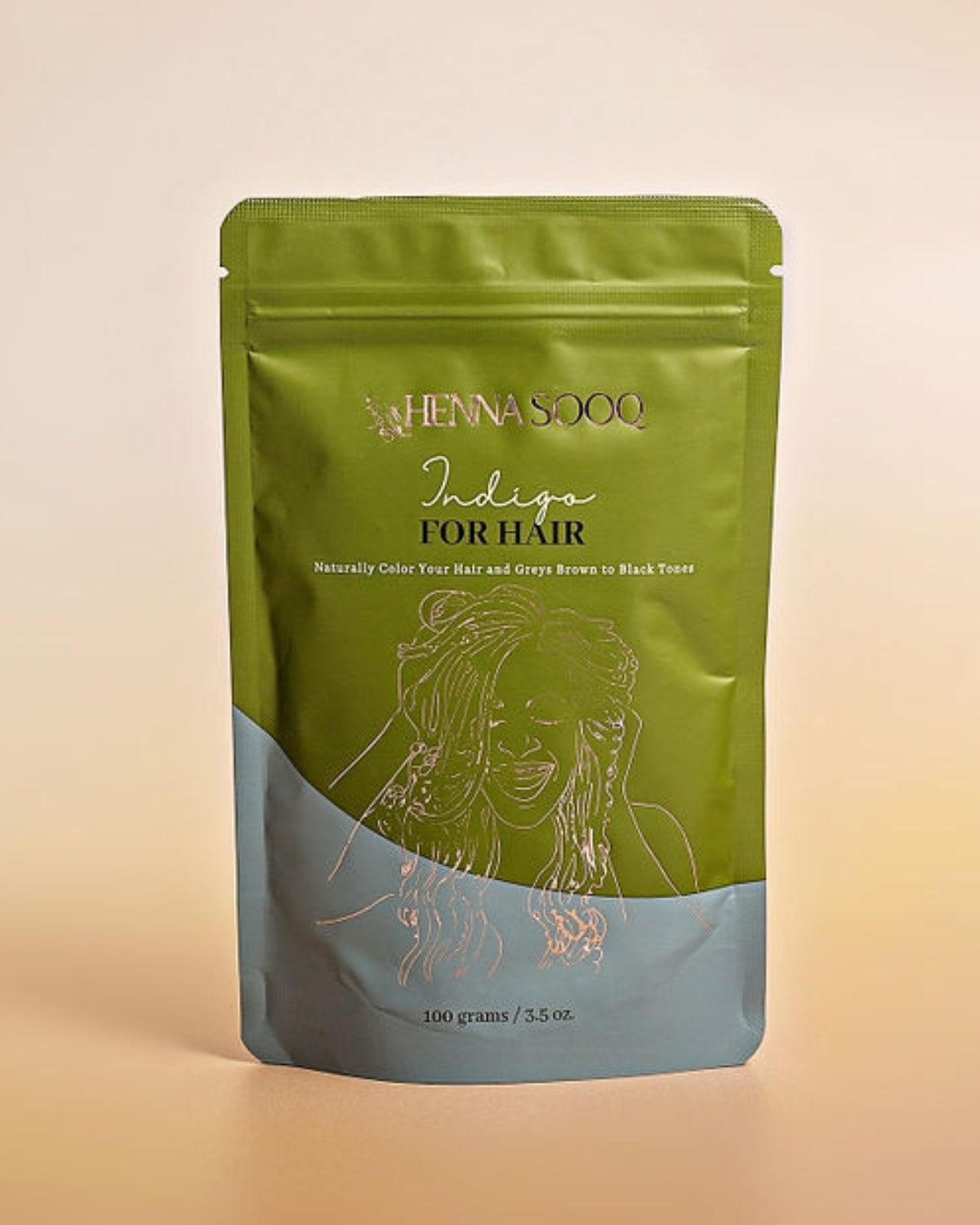
Organic Indigo Hair Dye
Achieve cool, dark tones naturally with this certified organic indigo.
Shop NowBlonde Henna Hair Dye – Golden Light Tones
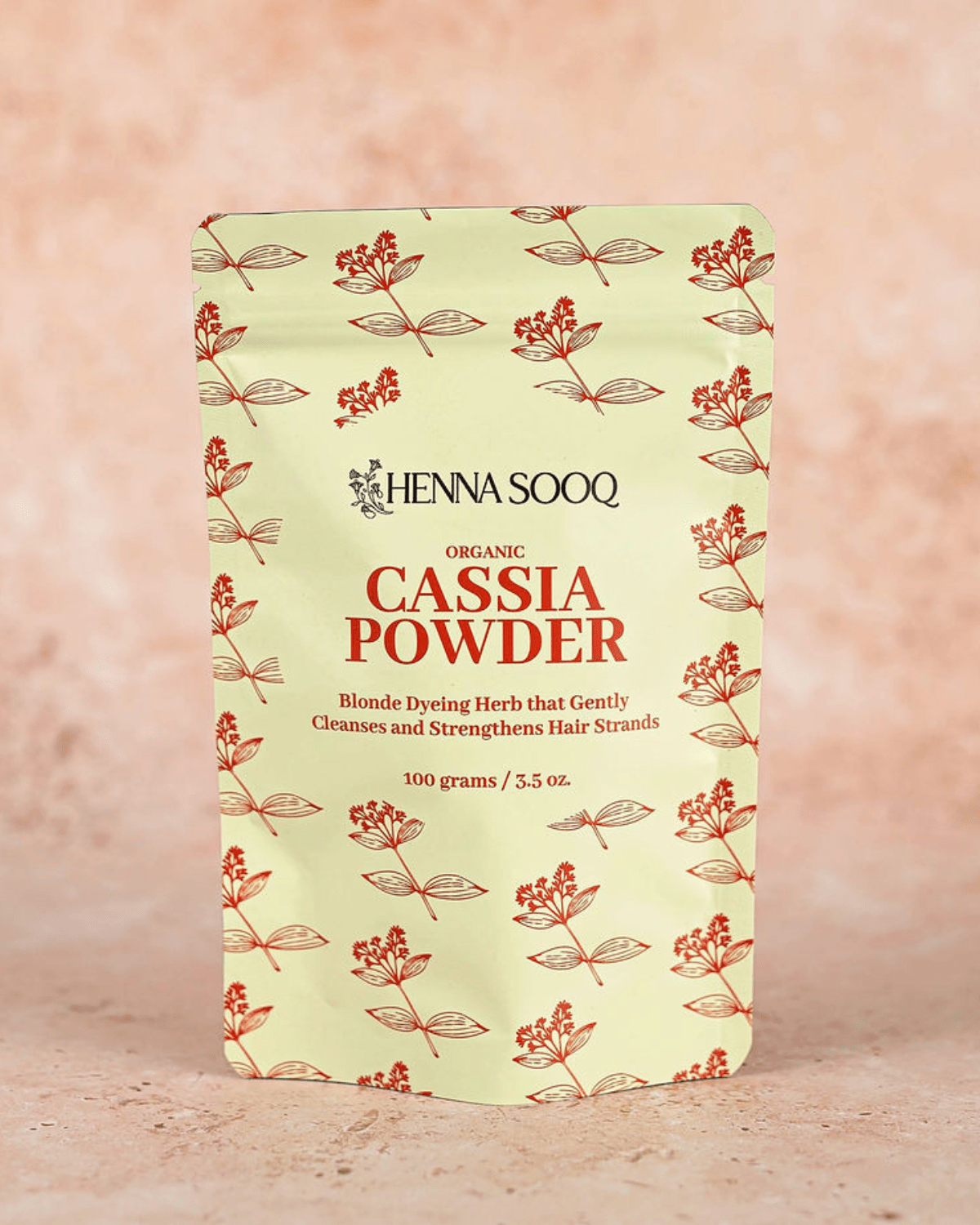
Blonde tones are achieved using cassia obovata. Unlike chemical dyes, cassia doesn’t lighten darker hair but works best on naturally light shades and greys, giving them a golden tint. Since it’s semi-permanent, the effect generally lasts only a few weeks.
Because gray strands can sometimes resist taking on color, blonde henna hair dye may not always create uniform coverage. Beyond coloring, cassia also has cleansing and strengthening properties, which can refresh the scalp as part of a natural care routine.
Dark Brown Henna Hair Dye – Deep, Elegant Color
Dark brown results are created by blending more indigo with henna, often in a 70/30 ratio. This combination produces a rich, darker shade compared to medium brown tones. The way the color develops depends on the base shade and the presence of greys, which can sometimes show warmer undertones at first.
As with other blends, consistent applications of dark brown henna hair dye can help deepen the shade over time. It’s a versatile choice across different textures, creating an elegant finish that balances warmth with depth.
Reddish Brown Henna Hair Dye – Warm, Balanced Shade
Reddish brown comes from using more henna than indigo, typically in a 70/30 mix. This creates a shade that combines earthy brown tones with warm red undertones, resulting in a balanced look. The exact outcome depends on the starting color, especially on lighter bases or hair with significant greys.
Like other blends, reddish brown henna hair dye may appear more vibrant on lighter hair and more subtle on darker shades. Repeated applications can help achieve a richer, more even tone over time.
Copper Henna Hair Dye – Bright and Luminous
Copper tones are created through a 50/50 blend of henna and cassia. This pairing produces a fiery shade that can appear bold and luminous, especially on lighter hair. Depending on the amount of grey or base color, it may vary in brightness and intensity.
The copper henna hair dye blend is plant-based and vegan, designed to color naturally without synthetic additives. For those looking for brighter tones, repeated use often helps create a stronger and more defined shade.
Strawberry Blonde Henna Hair Dye – Soft and Playful
Strawberry blonde tones are achieved by mixing cassia with a smaller portion of henna, usually in a 70/30 ratio. This creates a lighter shade with soft red undertones that blend into a warm, playful finish. On lighter bases, it can appear brighter, while darker hair may show only subtle highlights.
Because outcomes depend on the base color and amount of gray, strawberry blonde henna hair dye may reveal warmer undertones in the first applications. With repeated use, the shade can become more pronounced, offering a naturally radiant look.
With these eight herbal blends, there’s a spectrum of natural shades to explore, from rich blacks and browns to vibrant reds and softer blondes. Each one is crafted from plant-based ingredients, giving you a way to experience color that connects tradition with natural beauty.
Top Tips for Best Results With Henna Hair Dye for Grey Hair
Covering grey strands with henna can sometimes feel a little different compared to coloring darker bases. With the right approach, though, it’s possible to get more consistent, natural-looking results. Here are some helpful tips:
Start with Clean Hair
Before applying henna, wash your hair to remove oils, buildup, or residue. Clean hair helps the dye adhere better, especially on resistant grey strands.
Be Patient With Application
Grey hair often takes longer to absorb natural color. Leaving the paste on for the recommended time allows the pigment to penetrate more fully and helps avoid patchy results.
Consider Layering Applications
Repeated applications can gradually deepen the color on grey hair. Since henna builds richness over time, layering helps achieve a more even and lasting shade.
Choose the Right Blend
Different blends, such as black, brown, or reddish brown, can provide varying levels of grey coverage. Selecting a tone that matches your goals helps the finished look blend more naturally.
Use Root Touch-Ups Between Full Applications
For those with fast-growing greys, applying henna just to the roots between full treatments can help maintain consistency without re-coloring all of the hair each time.
Allow Time for Color to Develop
Henna shades often oxidize and settle in the days after application. Grey strands may appear brighter at first, but will usually darken and blend in more naturally over time.
Grey hair can be more resistant, but with the right techniques, henna offers a natural way to achieve smooth, even coverage. Patience and consistency are key, and over time, many find that henna provides some of the most natural-looking results for blending or coloring greys.
Common Mistakes to Avoid When Using Natural Hair Dye at Home
Working with henna hair dye and other plant-based dyes is simple once you learn the basics, but there are a few mistakes that can affect results. Here are some to keep in mind when coloring at home:
Not Preparing the Hair Properly
Applying dye to hair with heavy oils or product buildup can prevent the color from adhering evenly. A gentle wash before coloring ensures the strands are clean and ready to absorb the dye.
Mixing Henna Incorrectly
Using the wrong liquid or rushing the mixing process can result in a paste that doesn’t release enough dye. Taking the time to prepare a smooth, well-rested mixture gives better color payoff.
Skipping the Strand Test
Each hair type and starting shade reacts differently to natural dye. Testing a small section first can prevent surprises and help adjust timing or mixing ratios before a full application.
Not Leaving the Paste on Long Enough
Henna needs time to work into the hair shaft. Rinsing too early can lead to lighter or uneven results, especially on grey strands. Patience is important to allow the full depth of color to develop.
Expecting Immediate Final Color
Henna shades often take a day or two to oxidize and reach their true tone. Washing or judging the results too soon may cause unnecessary worry when the color simply hasn’t settled yet.
Over-Oiling Hair Before or After Coloring
Applying too much oil before or after coloring can prevent the dye from absorbing properly or may pull out fresh color. Avoid heavy oiling around the time of your henna treatment for best results.
Over-Washing After Application
Shampooing right after rinsing out henna can strip away freshly deposited color. Instead, rinse thoroughly with water, apply conditioner, and let the shade set before doing a full wash.
Avoiding these common mistakes makes the coloring process smoother and more effective. By preparing properly, following each step with care, and having patience, henna can deliver rich, natural-looking results right at home.
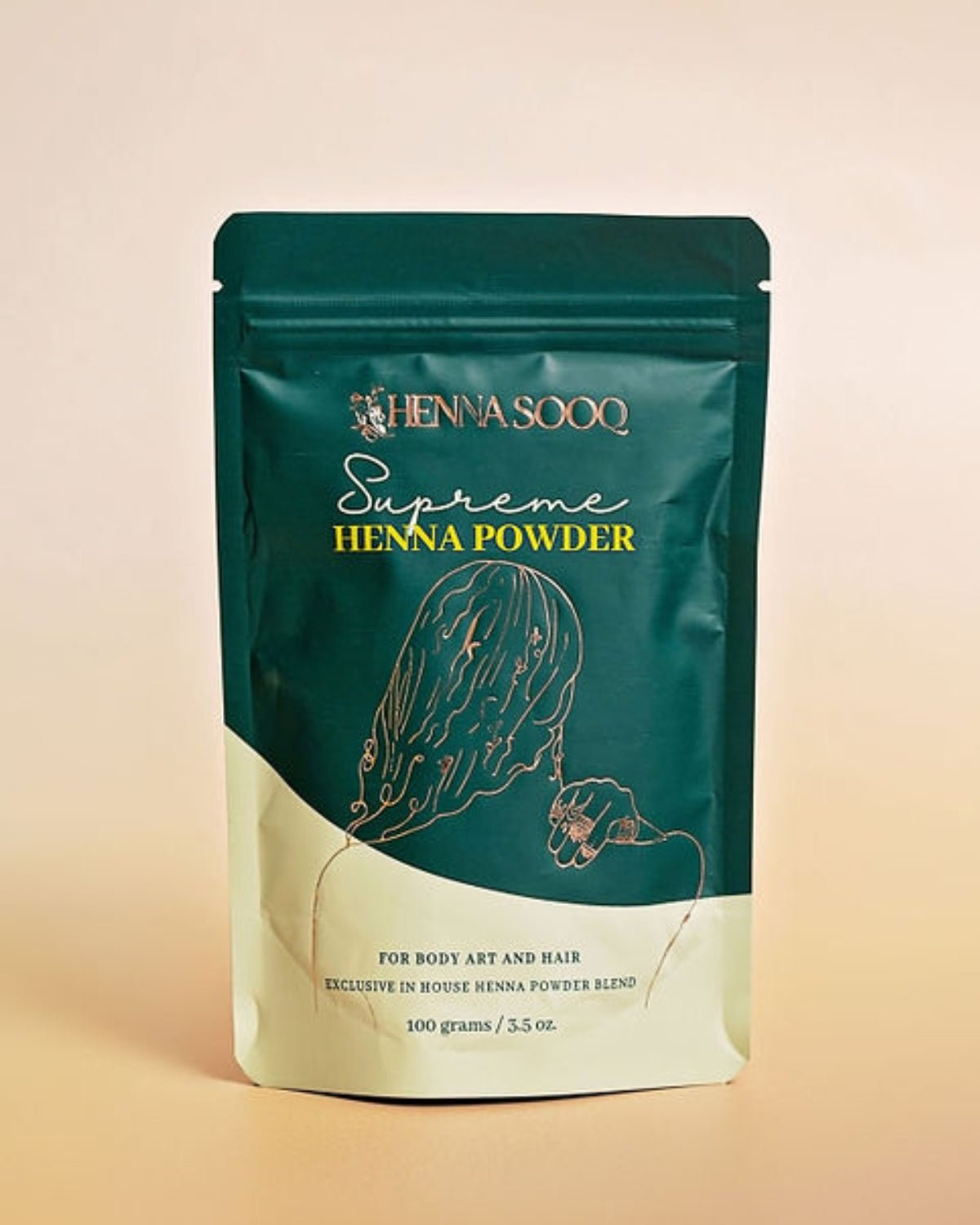

Exploring different shades of henna is a great way to see how versatile natural color can be. From deep black and rich browns to vibrant reds and softer blondes, Henna Sooq offers a wide range of options crafted from plant-based ingredients that provide color without harsh chemicals.
If you’re ready to begin your natural coloring journey, browse Henna Sooq’s henna hair dye collections to find the shade that best matches your style. Whether you’re looking to cover greys, refresh your natural tones, or try something new, Henna Sooq makes it simple to achieve beautiful, healthy-looking color.
Is henna dye good for hair?
Henna is often chosen not only as a natural dye for hair but also as a way to support overall hair health. It coats each strand, which can make hair feel thicker and look shinier after use. Unlike many chemical-based dyes, it’s plant-derived, which makes it a preferred option for people who want a more holistic approach to coloring. Regular use can also build richer color over time.
Is henna dye safe in pregnancy?
Many people consider henna a safe, chemical-free hair dye alternative, but it’s always important to check with a healthcare professional during pregnancy. Some women choose henna over synthetic dyes because it’s plant-based and doesn’t rely on harsh chemicals. Since every situation is different, it’s best to consult your doctor before using henna while pregnant.
Is henna safe for all hair types and textures?
Henna hair dye is widely used across different textures, from straight to curly and even locs. Because it is a natural hair dye, it tends to work well on a variety of hair types without altering the texture. Results may differ depending on your natural color and condition, but overall, henna is considered a versatile option.
Henna vs. Indigo: what’s the difference for hair dyeing?
Henna on its own produces reddish tones, while indigo is used to create darker shades like brown and black. When combined, the two herbs can achieve a wide range of natural colors. For example, brown henna hair dye often uses equal parts of henna and indigo, while black tones may require a two-step process. This pairing makes them popular for creating chemical-free blends.
How long does henna hair dye last on natural hair?
Henna is often described as a long-lasting, natural hair dye because the color bonds to the hair strand. On average, results may last several weeks, though they can gradually fade with washing and exposure. Unlike temporary dyes, repeated applications of henna tend to deepen and build the shade over time. This makes it a reliable option for rich, natural hair color.
Can I use henna hair dye to cover grey or white hair?
Yes, henna is frequently chosen as a way to cover or blend grey strands. Since grey hair can be more resistant, results sometimes appear brighter or warmer after the first application. With consistency and repeated use, henna often produces a more even, natural-looking tone. Many people find it one of the best henna hair dye choices for greys.
Can I use henna hair dye on chemically treated or bleached hair?
Henna can be applied to previously treated hair, but results may vary depending on the starting condition and color. For example, lighter or bleached hair may pull stronger red or orange tones. It’s recommended to test a small section before applying it all over. Doing a strand test helps ensure you’ll be happy with the outcome.
Does henna hair dye damage or dry out hair?
Unlike chemical dyes that strip the cuticle, henna is a natural plant-based dye that coats the strands. Some people notice dryness after using it, which is why many add moisturizing ingredients like aloe during mixing. With proper care and hydration, henna can be a safe way to color without the long-term damage associated with synthetic dyes.
How often should I use henna hair dye to maintain color?
Most people reapply henna every 4-6 weeks, though root touch-ups can be done more often if needed. Since the color deepens with repeated use, regular applications can help maintain richness and consistency. The exact frequency depends on personal preference, hair growth rate, and the desired shade intensity.
Is henna hair dye suitable for men’s hair and beards?
Yes, henna can be used on men’s hair and facial hair as a natural coloring option. Many choose it to cover greys or to add depth without chemical dyes. As with head hair, results vary depending on the starting color and condition, but it offers a plant-based, chemical-free alternative for men’s grooming as well.


