




Sensitive Scalp Hair Care: Ingredients to Use and Avoid
You wash your hair expecting your scalp to feel clean and refreshed, but instead, you're left dealing with itching, tightness, or irritation. Sometimes, the discomfort starts after trying a new shampoo or hair treatment. Sometimes, even products you've used for months suddenly seem to bother your scalp. When this happens, figuring out what's triggering the reaction can be just as frustrating as the discomfort itself.
A sensitive scalp can react to certain ingredients, product buildup, or everyday hair care habits. And while natural ingredients are often associated with gentle care, they aren't automatically suitable for everyone. Paying attention to product formulas and your scalp's response is an important part of finding what works for you.
So, how do you care for a sensitive scalp without making things worse? In this article, we'll explore the common causes of scalp sensitivity, ingredients to look for and avoid, and how to choose gentle hair care products. You'll also learn simple ways to build a routine that keeps your scalp clean and comfortable without unnecessary trial and error.
What Is a Sensitive Scalp?
A sensitive scalp is one that reacts easily to certain hair care products, ingredients, or environmental conditions. You might notice itching, tightness, tenderness, or discomfort after washing your hair, applying a treatment, or using a new styling product. For some people, these reactions happen occasionally, while others experience scalp sensitivity more frequently.
Your scalp is covered with skin, just like the rest of your body, and it can react to ingredients that don't agree with it. Even natural plant-based oils may cause irritation in some individuals. That's why understanding your scalp's needs is just as important as choosing products for your hair type.
Is a Sensitive Scalp the Same as a Dry Scalp?
Not necessarily. Although dryness and sensitivity can occur together, they aren't exactly the same thing. A dry scalp generally lacks sufficient moisture or oil and may feel tight, itchy, or flaky. A sensitive scalp, however, describes a scalp that reacts to certain triggers, even when dryness isn't present.
This distinction matters because adding more moisturizing products may not solve the problem if a particular ingredient is irritating.
Why Does Understanding Your Scalp Sensitivity Matter?
Recognizing how your scalp responds to different products can help you make more informed hair care choices. Instead of trying several new treatments at once, it's better to introduce ingredients gradually and observe how your scalp reacts.
If you're using natural hair care, remember that plant-based ingredients aren't automatically suitable for everyone. Some people may tolerate certain herbs well, while others may develop sensitivities.
For more guidance, explore this guide to using Ayurvedic herbs for sensitive skin and allergies, which discusses introducing individual ingredients before trying more complex blends.
Understanding these differences is a useful first step toward building a gentle hair care routine that supports scalp comfort without unnecessary irritation.
What Are the Common Signs of a Sensitive Scalp?
A sensitive scalp doesn't always look irritated. Sometimes, the first sign is a feeling of discomfort, such as itching or tightness, even when your scalp appears normal. Other times, you may notice visible changes, especially after washing your hair or applying a new product.
Recognizing these signs can help you understand when your scalp needs a gentler approach to hair care.
Frequent Itching or Discomfort
An itchy scalp is one of the most noticeable signs of sensitivity. You might experience itching shortly after washing your hair, applying an oil, or using a styling product. If the discomfort repeatedly appears after using a particular product, it may be worth reviewing its ingredients.
Redness or Visible Irritation
Redness can sometimes develop when your scalp reacts to a hair care product or treatment. You may notice it around your hairline, parting, or other exposed areas of the scalp. If redness appears alongside itching or discomfort, stop using the product you suspect may be causing the reaction.
Dryness and Tightness
Does your scalp feel tight or uncomfortable after shampooing? This may happen when your cleansing routine leaves your scalp feeling overly dry. Although dryness doesn't always indicate sensitivity, the two can occur together.
Paying attention to how your scalp feels after washing can help you determine whether your routine needs adjusting.
Burning or Stinging Sensations
Some people experience burning or stinging after applying certain hair dyes, shampoos, or scalp treatments. These sensations may indicate that your scalp is reacting to an ingredient. Burning or stinging shouldn't be ignored. If a product causes discomfort, stop using it and rinse it away according to the product's instructions.
Flaking or a Dry, Itchy Scalp
Flaking may occur alongside itching and dryness, but it doesn't necessarily mean you have a sensitive scalp. Similar symptoms can also appear with dandruff or other scalp conditions. Rather than immediately adding more oils or treatments, consider whether your scalp needs a different approach to cleansing and care.
For more information, explore this guide to caring for a dry, itchy, and flaky scalp.
Discomfort After Using New Hair Products
If your scalp becomes itchy, red, or uncomfortable after introducing a new shampoo, herbal mask, or oil, it may be reacting to an ingredient in the formula. Even plant-based ingredients can cause sensitivity. That's why introducing new products gradually and performing a patch test according to product instructions are important precautions.
When Should You Pay Closer Attention?
Occasional scalp discomfort doesn't always indicate a serious problem. However, persistent itching, recurring redness, burning, swelling, or worsening irritation shouldn't be dismissed as ordinary sensitivity. If symptoms continue after you stop using a suspected product, or if you notice sores, significant flaking, or hair loss, consult a dermatologist to help identify the cause.
Scalp sensitivity can look and feel different for everyone. Recognizing when discomfort occurs, which products you've recently used, and how your scalp responds can help you make more informed choices about your hair care routine.



What Causes Scalp Sensitivity and Irritation?
Understanding the causes of sensitive scalp concerns can help you identify possible triggers and make better choices for your hair care routine. Here are some common factors worth considering.Reactions to Hair Care Ingredients
Not every ingredient works well for every scalp. Certain shampoos, conditioners, hair dyes, and styling products may contain ingredients that cause irritation or allergic reactions in some people.Even products you've used before may become problematic if you develop a sensitivity over time. If itching, redness, or discomfort repeatedly occurs after applying a particular product, stop using it and review its ingredients.
Overwashing or Aggressive Cleansing
Keeping your scalp clean is important, but washing too frequently or using cleansing products that leave your skin feeling stripped may contribute to dryness and discomfort.A scalp that feels tight or irritated immediately after washing may benefit from a gentler cleansing approach. Pay attention to how your scalp responds rather than following a rigid washing schedule. The goal is to remove dirt, oil, and buildup without making your scalp feel uncomfortable.
Product Buildup on the Scalp
Hair oils, styling gels, conditioners, and other products can leave residue on your scalp, especially when they're layered frequently or aren't thoroughly rinsed away.Buildup may leave the scalp feeling coated or uncomfortable. However, not every instance of scalp irritation is caused by residue, so more cleansing isn't always the solution.
If you're dealing with buildup, gentle cleansing is preferable to aggressive scrubbing, particularly when your scalp already feels sensitive. For more information, read this guide to removing scalp buildup safely.
Sensitivity to Natural Herbs and Plant-Based Ingredients
Natural hair care ingredients can be a wonderful addition to a routine, but natural doesn't automatically mean irritation-free.Henna, indigo, Ayurvedic herbs, and plant-based oils may cause reactions in certain individuals. Even if you've used a particular ingredient successfully in the past, sensitivities can develop over time.
When exploring new herbal treatments, introduce ingredients individually rather than combining several unfamiliar products at once. This makes it easier to identify which ingredients your scalp tolerates.
Hair Coloring and Chemical Treatments
Certain hair coloring products and chemical treatments can cause scalp discomfort, particularly when they contain ingredients to which your skin is sensitive. Some hair dyes contain ingredients such as PPD (para-phenylenediamine), which can trigger allergic reactions in susceptible individuals.Natural hair coloring ingredients also require care. Plant-based dyes aren't guaranteed to suit every scalp, so review ingredients and follow patch-testing instructions. If you're considering henna, this henna hair dye guide provides more information about natural coloring and what to consider before application.


Rough Scrubbing and Excessive Exfoliation
Scrubbing your scalp too aggressively may leave it feeling sore or irritated, especially if you're already experiencing sensitivity. Using different clarifying or exfoliating treatments during the same wash can also make your cleansing routine unnecessarily harsh.
If your scalp feels uncomfortable, avoid grainy scrubs or vigorous rubbing. A gentle cleanser may be more appropriate until you understand what's irritating.
Underlying Scalp Conditions
Sometimes, recurring discomfort isn't simply a reaction to a shampoo or hair oil. Persistent itching, flaking, redness, or soreness may be associated with an underlying scalp condition. Because different scalp concerns can have similar symptoms, it isn't always possible to identify the cause by appearance alone.
If irritation continues, becomes painful, or is accompanied by sores or noticeable hair loss, consult a dermatologist rather than repeatedly trying new home treatments.
How Can You Identify What's Irritating Your Scalp?
If you're unsure what's causing your scalp discomfort, start by reviewing your recent hair care habits.
- Think about any shampoos, oils, dyes, or treatments you've recently introduced.
- Notice whether irritation occurs immediately after washing or applying a product.
- Stop using products that consistently cause itching, burning, or redness.
- Introduce new ingredients one at a time and follow product-specific patch-testing instructions.
- Avoid adding multiple scalp treatments while your skin is already irritated.
Scalp sensitivity doesn't always have one clear cause. Understanding your scalp's reactions and keeping your routine simple can help you identify potential triggers. If symptoms persist or worsen, a dermatologist can help determine whether an allergy, irritation, or another scalp condition is responsible.
What Ingredients Should You Avoid If You Have a Sensitive Scalp?
When your scalp is easily irritated, knowing what to avoid can be just as important as choosing the right ingredients. A shampoo, hair oil, or herbal treatment might work beautifully for someone else but leave your scalp feeling itchy or uncomfortable.
The tricky part is that there isn't one universal list of ingredients everyone with a sensitive scalp needs to avoid. Your skin may react to a particular ingredient, a combination of ingredients, or how frequently you're using a product. That's why reading labels and understanding your personal triggers are essential parts of sensitive scalp care.
Here are some ingredients and product formulations worth paying closer attention to.
Essential Oils That May Trigger Sensitivity
Essential oils are popular in natural hair care, but their concentrated nature means they aren't always suitable for sensitive skin. Even when derived from plants, essential oils can cause discomfort or allergic reactions in some individuals.
Products containing multiple essential oils may also make it harder to identify which ingredient is responsible for a reaction. If you're sensitive to essential oils, consider products formulated without them. Avoid applying undiluted essential oils directly to an irritated scalp, and discontinue use if you notice itching, redness, or burning.
Fragrances and Scented Hair Products
A pleasant-smelling shampoo isn't necessarily the best choice for every scalp. Fragrance ingredients, including those derived from natural sources, may trigger sensitivity in certain individuals. If you've experienced discomfort after using strongly scented products, fragrance may be worth investigating.
Pay attention to ingredient lists rather than relying only on labels such as "natural" or "botanical." If fragrance has caused problems for you before, consider a fragrance-free formula that meets your cleansing needs.
Harsh Cleansing Formulas
Shampoo is essential for removing dirt, oil, and product buildup, but some cleansing formulas may leave your scalp feeling excessively dry or uncomfortable. If you regularly experience tightness or itching after washing, the cleanser you're using may not be the right match for your scalp.
However, it's important not to assume that every sulfate-containing shampoo is irritating. The overall formula and your individual tolerance matter more than the presence of a single cleansing ingredient.
When choosing a shampoo, focus on finding one that cleanses effectively without leaving your scalp feeling stripped.
Hair Dye Ingredients That Have Previously Caused Reactions
Hair coloring products deserve extra attention when you have a history of scalp sensitivity. If you've experienced itching, burning, or redness after using a particular hair dye, avoid using it again until you understand what caused the reaction.
Always review the ingredients and follow the manufacturer's allergy-testing and application instructions before coloring your hair. If you've previously experienced a significant reaction, seek medical advice before trying another dye.
Ayurvedic Herbs You Haven't Tested Individually
Ayurvedic ingredients are commonly used in natural hair care, but combining several unfamiliar herbs in one treatment may not be the best starting point for someone with a sensitive scalp. If irritation occurs after applying a mixture, determining which ingredient caused the reaction can become difficult.
A more cautious approach is to introduce herbs individually and observe how your skin responds before using more complex blends. Even ingredients commonly used for conditioning, such as aloe vera, may cause allergic reactions in some people.
Products Containing Ingredients You're Allergic To
Sometimes, the issue isn't whether an ingredient is considered gentle or natural. It's simply that your skin doesn't tolerate it. For example, someone who experiences discomfort after using a particular botanical extract may need to avoid that ingredient even if it's commonly found in moisturizing products.
If you suspect a product allergy, stop using the product and keep its ingredient list for reference. A dermatologist can help investigate recurring reactions and determine whether formal allergy testing is appropriate.
Strong Exfoliating or Clarifying Treatments Used Too Frequently
Clarifying products and scalp exfoliants are designed to help remove buildup, but using them too frequently or scrubbing aggressively can make an already uncomfortable scalp feel worse. If you're experiencing burning, tenderness, or visible irritation, avoid adding more intensive cleansing treatments until you've identified the cause.
Instead, focus on gentle cleansing and avoid unnecessary friction. Remember that not every itchy scalp needs exfoliation or additional scalp treatments.
How to Choose the Best Shampoo for a Sensitive Scalp
Finding the right shampoo can be tricky when your scalp reacts easily to certain products. You want something that removes dirt, excess oil, and buildup without leaving your scalp feeling tight, itchy, or uncomfortable afterward. But with so many shampoos labeled gentle, natural, or moisturizing, how do you know which one is right for you?
The best shampoo for a sensitive scalp isn't necessarily the one with the longest list of botanical ingredients. It cleanses effectively, avoids your known triggers, and leaves your scalp feeling comfortable after washing.
Here are a few things to consider when choosing a shampoo.
Look for a Gentle Cleansing Formula
A good shampoo should remove everyday buildup without leaving your scalp feeling excessively dry. If your scalp regularly feels tight or uncomfortable after washing, your current cleanser may not be the right fit.
When choosing a gentle shampoo for sensitive scalp care, pay attention to how your skin responds after cleansing. You don't necessarily need an intensive clarifying treatment every time you wash your hair.
Check for Fragrance and Essential Oils
Fragrance and essential oils are common ingredients in shampoos, including natural hair care formulas. While many people use them without problems, they can trigger irritation in some individuals. If you've experienced itching or discomfort after using scented products, consider a fragrance-free shampoo or one without essential oils.
However, remember that essential oil-free doesn't automatically mean allergy-free. Always review the full ingredient list, particularly if you have known sensitivities.
Consider Moisturizing Ingredients
If your scalp feels dry after washing, choosing a shampoo with conditioning ingredients may help make your cleansing routine more comfortable. Natural hair care formulations sometimes include ingredients such as aloe vera and plant-based oils to support moisture and softness.
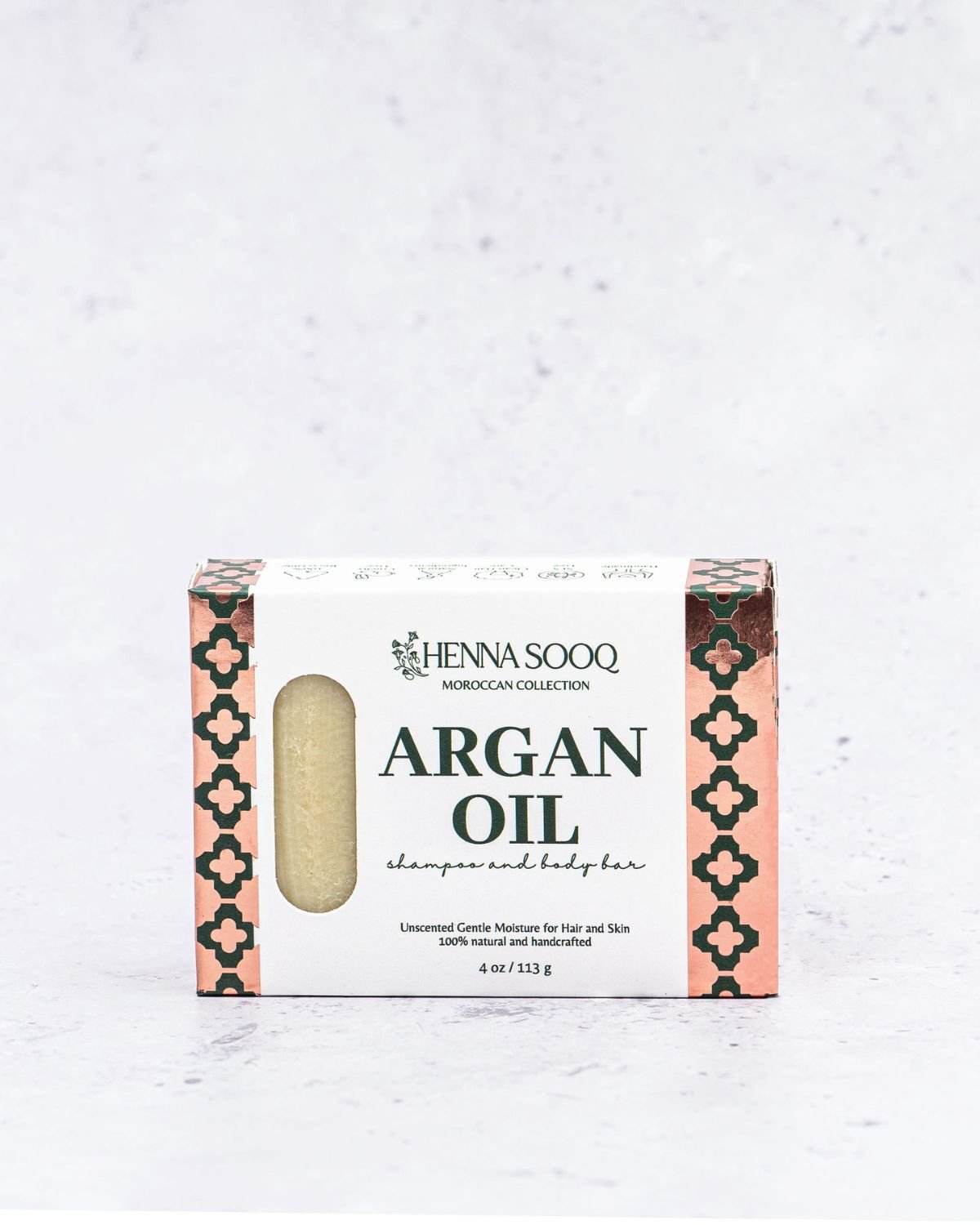
For example, the Argan Oil Shampoo and Body Bar is described by its maker as a moisturizing, essential oil-free cleanser recommended for sensitive skin and scalp.
Don't Assume Sulfate-Free Always Means Better
Sulfate-free shampoos are often associated with gentle cleansing, but removing sulfates doesn't automatically make a product suitable for every sensitive scalp. Shampoos contain different cleansing agents, preservatives, and other ingredients that can affect how your skin responds.
Rather than focusing on one label, consider the overall formula. A suitable sensitive scalp shampoo should cleanse your hair and scalp without causing recurring itching, burning, or discomfort.
Be Careful With Herbal Shampoo Blends
If you're interested in a natural shampoo for sensitive scalp care, herbal cleansing products may be worth exploring. However, plant-based ingredients aren't automatically suitable for sensitive skin.
If you're new to Ayurvedic hair care, avoid introducing several unfamiliar herbs at once. Starting with individual ingredients can make it easier to recognize possible sensitivities.
Best Ingredients for Sensitive Scalp Hair Care
When your scalp feels itchy, dry, or easily irritated, choosing the right ingredients can make a difference in your everyday hair care routine. But finding suitable ingredients isn't always as simple as choosing products labeled natural or gentle. What works well for one person may cause discomfort for another.
The best approach to sensitive scalp hair care is to look for ingredients that support your scalp's needs while paying attention to how your skin responds. If you're exploring natural hair care, starting with simple formulations and introducing one new ingredient at a time can help you identify what works for you.
Aloe Vera for Moisture and Scalp Comfort
Aloe vera is a popular natural hair care ingredient, especially for its moisturizing properties. It's often added to hair masks, conditioners, and herbal treatments to help provide moisture without relying on heavy oils.
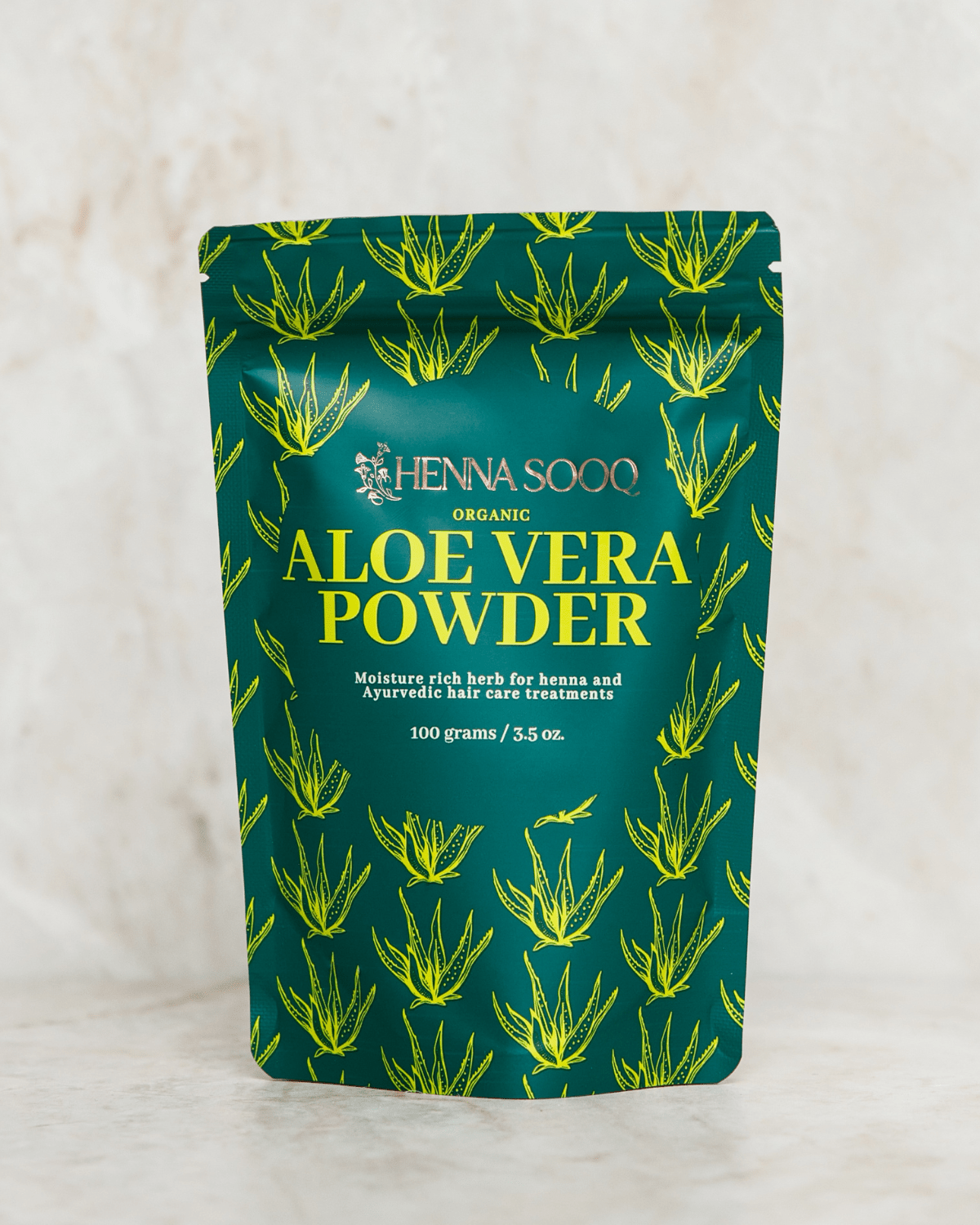
For a dry or uncomfortable scalp, aloe vera may be worth considering as part of a gentle conditioning routine. It can be mixed with water or incorporated into a hair mask, depending on the product instructions.
However, aloe vera isn't suitable for everyone. Some people can experience allergic reactions, so test it on a small area before introducing it into your routine.
For more information, explore this guide to using aloe vera for hair and skin.
Chamomile for Gentle Scalp Care
Chamomile is another botanical ingredient used in natural scalp treatments. It can be prepared as an herbal tea and incorporated into certain hair and scalp masks.
One published herbal hair care recipe combines aloe vera powder with chamomile tea to create a scalp pack intended for itchy or irritated skin.
If you're interested in trying chamomile, keep the preparation simple and follow established usage instructions. As with other botanical ingredients, avoid it if you have a known allergy or notice irritation after use.
Jojoba Oil for Lightweight Conditioning
Jojoba oil is commonly used in natural hair care as a conditioning ingredient. It can be incorporated into herbal treatments when additional softness and moisture support are needed. For someone with scalp sensitivity, a simple, single-ingredient oil may be easier to evaluate than a blend containing several botanical extracts or essential oils.
However, jojoba oil isn't a treatment for every cause of scalp irritation. Start with a small amount, follow the product's directions, and discontinue use if discomfort develops.
Learning how to use jojoba oil on hair and skin can help you explore different application methods.
Camellia Oil for Moisturizing Hair Care
Camellia oil is another plant-based oil used in Ayurvedic-inspired hair care recipes. It is included among the moisturizing alternatives recommended in the brand's educational guide to choosing Ayurvedic herbs. When your scalp is sensitive, consider whether you need an oil on the scalp itself or whether applying a conditioning product to your hair lengths would be more appropriate.
Remember that even pure botanical oils can cause reactions in some people, so simplicity and individual tolerance matter more than the number of ingredients in a treatment.
For additional information, read this guide to choosing Ayurvedic hair care ingredients.
Shea Butter for Dry Hair Conditioning
Shea butter is often used in moisturizing hair treatments, particularly when hair feels rough or lacks softness. Learning how to use organic shea butter for hair can help you explore different conditioning methods, especially when you prefer keeping richer treatments on your hair lengths and ends.
It can be incorporated into certain Ayurvedic hair care recipes to add conditioning benefits. However, caring for dry hair and caring for an irritated scalp aren't always the same thing. If your scalp is sensitive, you may prefer using richer conditioning ingredients on your hair lengths and ends rather than applying them directly to irritated skin.
Simple Herbal Ingredients Used Individually
If you enjoy Ayurvedic hair care, you may be tempted to combine several herbs into one scalp treatment. However, complex mixtures can make it difficult to identify which ingredient is causing a reaction. A more careful approach is to start with one ingredient at a time, follow its instructions, and observe how your scalp responds before trying additional herbs.
Once you know which ingredients your skin tolerates, you can make more informed decisions about whether to try products containing multiple herbs.


How to Build a Gentle Hair Care Routine for a Sensitive Scalp
A sensitive scalp deserves thoughtful care, and finding the right products can make your hair care routine feel much easier. Whether you're dealing with occasional dryness, itching, or discomfort after washing, the key is to choose ingredients your scalp tolerates and avoid unnecessary irritation.
Henna Sooq offers a variety of natural and Ayurvedic hair care essentials, including herbal cleansers, conditioning treatments, and scalp care products to explore. From gentle washing options to nourishing herbal blends, you can find products that complement your routine while keeping your personal sensitivities in mind. Discover your next hair care favorites and build a routine that feels right for you, one carefully chosen product at a time.
Frequently Asked Questions About Sensitive Scalp Care
How do I know if I have a sensitive scalp?
If your scalp frequently feels itchy, tight, tender, or uncomfortable after washing or using hair products, you may have a sensitive scalp. Redness, dryness, and burning sensations can also indicate irritation. Pay attention to when these symptoms appear and whether certain ingredients trigger them. Persistent discomfort should be evaluated by a dermatologist.
Can a sensitive scalp cause hair loss?
A sensitive scalp doesn't necessarily cause hair loss. However, some underlying scalp conditions associated with itching and inflammation may contribute to shedding or hair loss. Excessive scratching can also damage hair strands. If you notice persistent irritation alongside unusual shedding, thinning, or bald patches, consult a dermatologist to identify the underlying cause.
What ingredients are best for a sensitive scalp?
The best ingredients depend on your individual sensitivities. Aloe vera is commonly used in moisturizing hair treatments, while jojoba and camellia oils are used for conditioning. However, even these natural ingredients can cause reactions in some people. Choose simple formulations, introduce ingredients individually, and pay attention to how your scalp responds.
What ingredients should I avoid if my scalp is sensitive?
Avoid ingredients that have previously caused itching, redness, or discomfort. Common potential triggers include fragrances, certain essential oils, hair dye ingredients, and some preservatives. Strong cleansing formulas may also contribute to dryness. Since sensitivities vary, reviewing ingredient lists and identifying your personal triggers is more helpful than avoiding entire ingredient categories unnecessarily.
Is sulfate-free shampoo better for a sensitive scalp?
Not necessarily. Sulfate-free shampoos can be suitable for sensitive scalps, but the absence of sulfates doesn't guarantee a gentle formula. Other cleansing agents, fragrances, or botanical extracts may still irritate. The best approach is to choose a shampoo that cleanses effectively without leaving your scalp feeling tight, itchy, or uncomfortable.
How often should I wash my hair if I have a sensitive scalp?
There isn't a universal washing schedule for sensitive scalps. The ideal frequency depends on your scalp's oil production, product buildup, activity level, and any underlying conditions. Wash often enough to maintain scalp cleanliness, using a cleanser your skin tolerates. If frequent washing causes discomfort, review your shampoo and cleansing habits rather than automatically washing less often.
Can natural oils irritate a sensitive scalp?
Yes. Natural oils can cause irritation or allergic reactions in certain individuals, especially when they contain concentrated essential oils or multiple botanical ingredients. Even pure plant-based oils aren't suitable for everyone. Introduce new oils carefully, avoid applying undiluted essential oils directly to your scalp, and discontinue use if itching, redness, or burning develops.
Why does my scalp burn or itch after using hair products?
Burning or itching after applying a hair product may indicate irritation or an allergic reaction to one of its ingredients. Fragrances, hair dyes, essential oils, and certain cleansing agents can be potential triggers. Stop using the suspected product and rinse it away as directed. If symptoms persist, worsen, or repeatedly return, seek advice from a dermatologist.
Can scalp sensitivity go away?
Scalp sensitivity may improve when you identify and avoid the ingredient or habit causing irritation. Switching to a suitable cleanser and simplifying your routine can help when products are contributing to discomfort. However, symptoms related to allergies or underlying scalp conditions may require professional treatment. If irritation continues despite changes to your routine, consult a dermatologist.


