




Why Is My Coarse Hair So Dry? Causes and Moisture Solutions
Does your hair feel rough, dry, or difficult to manage, no matter how much conditioner you use? If you have coarse hair, you might be familiar with the frustration of dealing with frizz, tangles, and strands that never seem to stay moisturized. But having coarse hair doesn't mean your hair has to be dry.
Coarse hair has thicker individual strands, but factors like your hair care habits, environmental conditions, and product choices can affect how soft and manageable it feels. Understanding what causes dryness can help you make better choices for your hair.
In this article, we'll explore why coarse hair can become dry, what may be making the problem worse, and simple ways to improve moisture retention. You'll also learn how to build a gentle hair care routine that helps your hair feel softer, smoother, and easier to manage.
What Is Coarse Hair? Meaning, Texture, and Characteristics
Coarse hair refers to hair with individual strands that are naturally thicker in diameter than fine or medium hair. Unlike hair density, which describes how many strands grow on your scalp, coarse hair texture refers to each strand's thickness.
If you're wondering what coarse hair looks and feels like, the easiest way to understand it is by looking at its common characteristics. Coarse hair can be straight, wavy, curly, or coily, and its appearance varies depending on your natural hair type.
Common Characteristics of Coarse Hair
- Thicker individual strands: Each strand has a noticeably wider diameter than fine hair.
- Noticeable texture: Individual strands may feel more substantial when you roll them between your fingers.
- Prone to dryness: Some people with coarse hair experience roughness, frizz, or difficulty maintaining moisture.
- Different curl patterns: Coarse strands can be straight, wavy, curly, or coily.
- Varied moisture needs: Depending on the hair's condition and porosity, richer conditioning treatments may help improve softness and manageability.
How to Identify Coarse Hair at Home
One simple way to identify your hair texture is to take a clean, dry strand of shed hair and gently roll it between your fingers. If you can easily feel the strand, you may have coarse hair. Fine strands are generally harder to feel, while medium strands fall somewhere in between.
Keep in mind that coarse hair doesn't necessarily mean thick or full hair. You can have coarse individual strands but fewer hairs on your scalp. Understanding this distinction can help you choose a hair care routine that suits your natural texture.
For a closer look at different strand textures, explore this guide to understanding natural hair texture.
Fine vs. Coarse Hair: What’s the Difference?
The main difference between fine and coarse hair is the thickness of each strand. Fine hair has a smaller strand diameter, while coarse hair has a wider diameter and feels more substantial to the touch.
Both textures can be straight, wavy, curly, or coily. And while coarse hair may appear fuller because of its thicker strands, it doesn't necessarily mean you have more hair on your scalp.
Key Differences Between Fine and Coarse Hair
| Hair Characteristics | Fine Hair | Coarse Hair |
|---|---|---|
| Strand thickness | Thin, delicate strands | Thicker, more noticeable strands |
| Texture | Usually feels soft and lightweight | Feels more substantial to the touch |
| Volume | May appear flat or lack body | May appear fuller due to thicker strands |
| Moisture needs | Often benefits from lightweight conditioning | May benefit from richer moisturizing treatments |
| Product choices | Lightweight products that won't weigh hair down | Conditioning products that help maintain softness and manageability |
Why Does Hair Texture Matter for Moisture Care?
Understanding your hair texture can help you choose products that work with your strands. Fine hair may become weighed down by heavy oils and conditioning products. Coarse hair, on the other hand, may benefit from more intensive conditioning, particularly when it feels dry or rough.
However, strand thickness alone doesn't determine how much moisture your hair needs. Hair porosity, existing damage, and your everyday hair care habits also play a role.
Knowing these differences makes it easier to create a routine that supports your hair's natural texture without unnecessary products or treatments.


Why Is My Coarse Hair So Dry? Common Causes
Does your coarse hair feel soft right after washing but turn rough and dry a day or two later? Or does it seem like no matter how much conditioner you use, your hair still struggles to stay moisturized?While coarse hair naturally has thicker individual strands, dryness isn't always caused by hair texture alone. Your washing habits, styling routine, hair porosity, and environmental conditions can all affect how well your hair retains moisture.
Understanding what's causing the dryness is an important step toward finding a hair care routine that works for you.
Hair Porosity and Moisture Retention
Hair porosity describes how easily your strands absorb and retain moisture. It plays an important role in how your hair responds to water, conditioners, and moisturizing treatments. High-porosity hair absorbs moisture quickly but may lose it just as fast, leaving strands feeling dry or rough.Low-porosity hair, on the other hand, may take longer to absorb moisture, sometimes making conditioning products feel like they're sitting on the surface. If your hair feels dry despite regular conditioning, understanding your porosity can help you make better product choices.
For more information, explore this guide to understanding hair porosity.
Overwashing or Using Harsh Shampoos
Washing your hair helps remove dirt, oil, and product buildup, but cleansing too frequently or using shampoos that leave your strands feeling stripped can contribute to dryness. If your coarse hair feels rough, tangled, or unusually dry immediately after shampooing, your cleansing routine may need some adjustments.Choosing a gentle shampoo and following up with a suitable conditioner can help maintain softness without skipping necessary cleansing.
Excessive Heat Styling
Frequent blow-drying, flat ironing, and curling with high heat can leave coarse hair feeling dry and more difficult to manage. Over time, repeated heat exposure may damage the hair's outer cuticle, affecting how well the strands retain moisture. This can make frizz, roughness, and breakage more noticeable.Reducing heat exposure and using appropriate heat protection can help limit further damage.


Chemical Treatments and Hair Coloring
Bleaching, chemical straightening, and other processing treatments can affect the hair cuticle and make it harder for strands to retain moisture. If your hair started feeling noticeably drier after a color or chemical treatment, the change may be related to processing rather than your natural coarse hair texture.
Previously treated ends may also need more conditioning attention than newer growth.
Environmental Factors
Your surroundings can also influence how your hair feels throughout the day. Dry weather, sun exposure, and harsh winds can make already-dry strands feel rougher and more difficult to manage. If your hair seems drier during certain seasons, environmental conditions may be contributing to the problem.
Adjusting your moisturizing routine as the weather changes can help keep your hair feeling more comfortable and manageable.
Not Conditioning Hair Enough
Coarse hair can benefit from regular conditioning, particularly when the strands feel rough, tangled, or difficult to detangle. Skipping conditioner or relying only on shampoo may leave dry hair without enough conditioning support. Depending on your hair's needs, a rinse-out conditioner, leave-in product, or occasional deep conditioning treatment may help improve softness.
The goal isn't to use as many products as possible. It's to find a combination that keeps your hair feeling moisturized without excessive buildup.
Rough Detangling and Everyday Friction
Hair can also become harder to manage when it experiences repeated friction or rough handling. Aggressive brushing, pulling through tangles, and styling without enough slip can contribute to cuticle wear and breakage.
As strands become damaged, they may feel rougher and develop more tangles. Taking a gentler approach to detangling and styling can help protect your hair from unnecessary damage.
Dry coarse hair doesn't always have one single cause. For some people, moisture retention is the biggest concern. For others, product choices, heat styling, or everyday hair care habits may be contributing factors. Paying attention to when your hair feels driest can help you identify what needs to change before choosing a coarse hair treatment.
How to Make Coarse Hair Soft and Silky Naturally
If your coarse hair feels rough or difficult to manage, you don't necessarily need a complicated routine to improve its softness. The key is to focus on moisture, gentle handling, and ingredients that work well with your hair's natural texture.
While you can't change the natural thickness of your strands, consistent moisturizing and conditioning can help coarse hair feel softer, smoother, and easier to manage. Here are some natural ways to care for dry coarse hair.
Deep Condition Your Hair Regularly
Deep conditioning is one of the simplest ways to give dry, coarse strands extra care. Moisturizing hair masks can help soften rough hair, improve manageability, and make detangling easier.
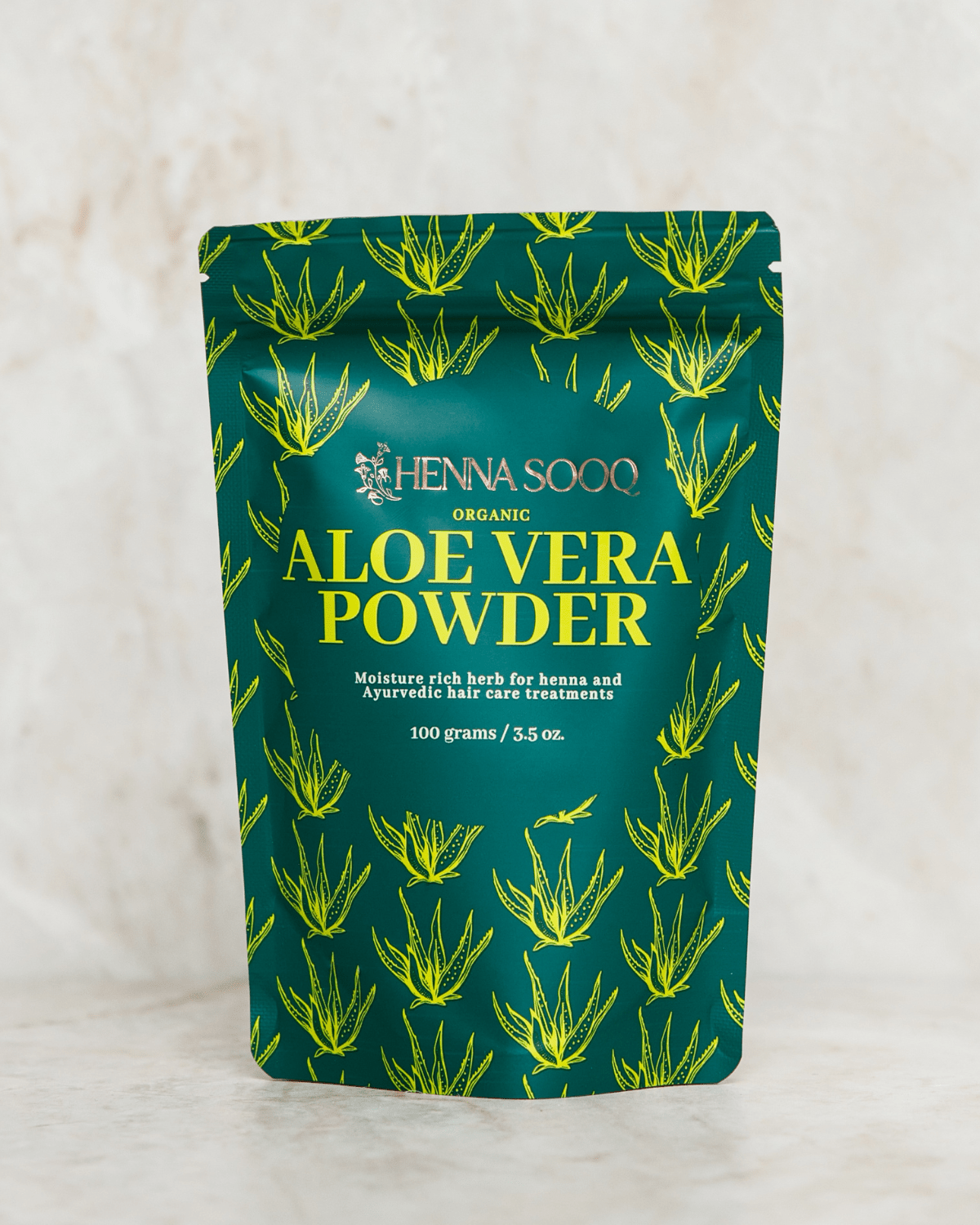
Look for conditioning treatments with ingredients such as aloe vera, amla, or nourishing plant-based oils. If your hair feels particularly dry, try incorporating a deep conditioning treatment into your weekly routine and adjust the frequency based on how your strands respond.
A henna, hibiscus, and cocoa butter conditioning mask is one example of an herbal treatment that combines conditioning ingredients.
Use Natural Hair Oils to Maintain Softness
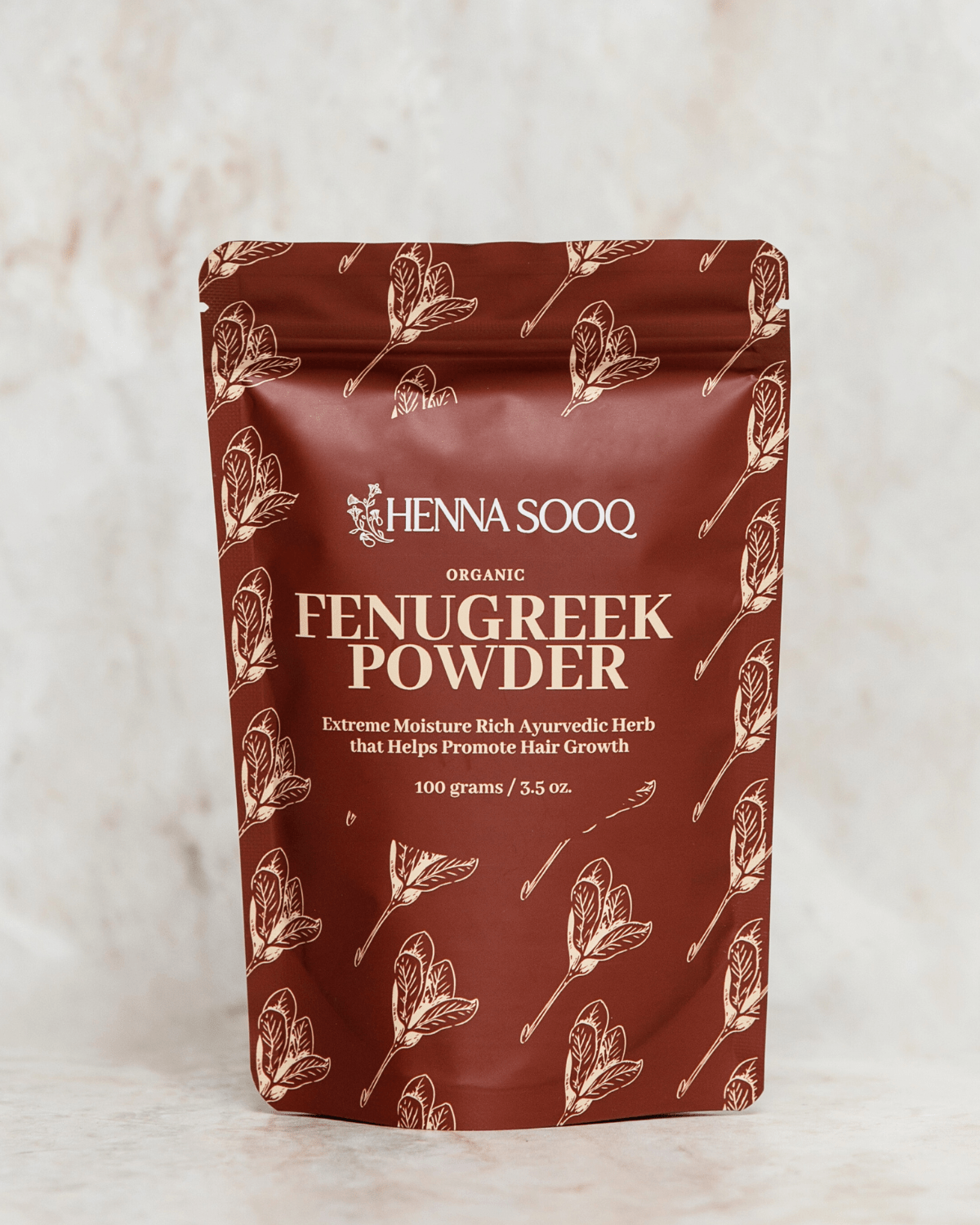
Natural oils can be a helpful addition to your routine, especially when your hair feels dry or frizzy. Coconut oil, jojoba oil, and other plant-based oils are commonly used in natural hair care to improve softness and manageability.
Applying a small amount after moisturizing may also help reduce moisture loss. The important thing is to apply oils to hair that has already been moisturized, rather than relying on oil alone to address dryness.
For more guidance, explore this guide to choosing the right hair oil for your hair type.
Try Moisturizing Ingredients Like Aloe Vera and Honey
Certain natural ingredients are commonly used in conditioning treatments for dry hair.
- Aloe vera: Often included in moisturizing hair masks to support softer, more manageable strands.
- Honey: A humectant commonly used in conditioning treatments to help attract moisture.
- Shea butter: A rich conditioning ingredient that may help soften particularly dry hair.
- Coconut oil: Often used in hair treatments to improve manageability and reduce dryness.
Keep Your Hair Moisturized Between Washes
You don't have to wait until wash day to give your hair some extra attention. If your ends feel dry between washes, a small amount of leave-in conditioner can help refresh your strands. Focus on areas that tend to feel rough or become tangled easily.
For hair that needs additional conditioning, you can follow with a little oil to help maintain softness. Avoid applying too much product at once, since buildup can leave hair feeling heavy or coated.
Be Gentle When Detangling
Coarse hair can become difficult to detangle when it's dry, particularly if it's also curly or coily. Instead of pulling through knots, apply a conditioner that provides enough slip to help your fingers or comb move through the strands more easily.
Start at the ends and gradually work toward the roots, separating larger tangles into smaller sections when needed. Gentle detangling can help minimize unnecessary pulling, friction, and breakage.
Reduce Heat Styling
Frequent exposure to high temperatures can contribute to dryness and damage, making coarse hair feel rougher over time. When possible, limit the use of flat irons, curling irons, and high-heat blow-drying. If you do use heat, choose appropriate temperature settings and a suitable heat protectant.
Reducing unnecessary heat exposure can help preserve your hair's condition and make it easier to maintain softness.
Choose Treatments That Suit Your Hair Porosity
Coarse hair doesn't always need the heaviest products available. Your hair's porosity also affects how it responds to moisturizing treatments.
For example, hair that loses moisture quickly may benefit from layering a leave-in conditioner with an oil or richer conditioning product. Hair that becomes weighed down easily may respond better to lighter formulas.
Rather than choosing products based on strand thickness alone, consider how your hair feels after washing, conditioning, and styling.
For more information, read this guide to choosing hair products for dry hair.
Making coarse hair feel softer isn't about changing its natural texture. It's about understanding what your strands need and finding a consistent balance of moisture, conditioning, and gentle care. With the right approach, coarse hair can feel softer, look smoother, and become easier to manage without losing its natural character.
How to Build a Hair Care Routine for Dry, Coarse Hair
Caring for dry, coarse hair doesn't have to involve a long list of products or complicated steps. What matters most is finding a routine that keeps your strands clean, conditioned, and manageable without leaving them feeling stripped or weighed down.
Since coarse hair can have different moisture needs depending on its porosity and condition, the best routine is one you can adjust based on how your hair responds. Here's how to build a simple routine for softer, more manageable hair.
Step 1: Start With a Gentle Shampoo
A good hair care routine begins with cleansing. Shampoo helps remove dirt, excess oil, and product buildup, giving your hair a fresh start before conditioning. When choosing the best shampoo for coarse hair, consider how your strands feel after washing.
If your hair regularly feels rough or tangled afterward, you may need to reconsider your cleansing products or washing frequency. Focus on cleansing your scalp thoroughly while being gentle with the lengths of your hair.
Step 2: Follow With a Moisturizing Conditioner
Conditioning is an important step in hair care for dry, coarse hair. A suitable conditioner helps soften the strands, improve manageability, and make detangling easier. When choosing a conditioner for coarse hair, look for a formula that provides enough slip to help you work through tangles without excessive pulling.
Apply conditioner throughout your hair, paying particular attention to the lengths and ends. Allow it to sit according to the product instructions before rinsing.
Step 3: Include a Deep Conditioning Treatment
If regular conditioning isn't enough to keep your hair feeling soft, consider adding a moisturizing hair mask to your routine. Deep conditioning treatments can be particularly helpful when your hair feels rough, tangled, or difficult to manage after washing.
Depending on your hair's needs, you can incorporate a moisturizing treatment into your weekly routine. Pay attention to how your strands respond and adjust as needed.
For additional guidance, explore this guide to adding moisture to henna and Ayurvedic hair treatments.
Step 4: Apply a Leave-In Conditioner or Moisturizing Product
After washing, your hair may benefit from additional conditioning to help maintain softness between wash days. A leave-in conditioner or moisturizing product can help make dry strands more manageable, especially around the ends.
Apply a small amount to damp hair, concentrating on the areas that need extra attention. Start with less product and add more only if necessary to avoid unnecessary buildup.
For curly or coily textures, a consistent hair hydration routine can also help maintain softness between wash days.
Step 5: Use Hair Oil as Needed
Hair oils can be a useful addition to your routine, particularly when your coarse hair feels dry or lacks softness. After moisturizing, apply a small amount of oil to the lengths or ends of your hair. The amount you need will depend on your strand thickness, density, and how your hair responds.
Step 6: Detangle and Style With Care
Once your hair is conditioned, take your time detangling rather than pulling through knots. Work in smaller sections when necessary, starting at the ends and gradually moving toward the roots. Using a conditioner with enough slip can make this process easier.
If you frequently use heated styling tools, consider reducing how often you use them. Gentler styling habits can help minimize unnecessary damage and keep your hair feeling more manageable.
Step 7: Adjust Your Routine Based on Your Hair's Needs
Not every person with coarse hair needs the same products or washing schedule. Some people find that their strands respond well to richer conditioning treatments, while others prefer lighter formulas. Hair porosity, curl pattern, styling habits, and existing damage can all influence what works best.
Pay attention to a few simple signs:
- Hair feels dry after washing: Review your shampoo and conditioning routine.
- Hair tangles easily: Consider whether your conditioner provides enough slip.
- Hair feels heavy or coated: Reduce the amount of product you're applying.
- Ends feel rough between washes: Try refreshing them with a small amount of moisturizing product.
- Hair feels softer and easier to manage: Maintain the routine that's working.
The goal isn't to use every available coarse hair treatment. It's to find a consistent combination of cleansing, conditioning, moisturizing, and gentle styling that suits your hair.
Healthy-looking coarse hair starts with understanding its individual needs. A consistent routine, supported by the right products and thoughtful care, can help improve softness and manageability without trying to change your natural texture.
Common Hair Care Mistakes That Make Coarse Hair Drier
Even when you're using moisturizing products, certain everyday habits can leave coarse hair feeling rough, frizzy, or difficult to manage. Sometimes, the problem isn't that your hair needs more products. It's how you're cleansing, conditioning, and styling it.
If your hair still feels dry despite following a routine, here are some common mistakes worth looking out for.
Washing Your Hair Too Frequently
Washing helps keep your scalp clean, but shampooing more often than your hair needs can remove natural oils and leave the strands feeling dry.
If your hair feels rough or tangled after every wash, reconsider your cleansing routine. Choose a shampoo that cleanses effectively without leaving your hair feeling stripped, and adjust your washing frequency based on your scalp and hair's needs.
Skipping Conditioner or Deep Conditioning
One common mistake is assuming that shampoo alone is enough to care for coarse hair. Conditioner helps improve softness, reduce friction, and make detangling easier. Skipping it can leave already-dry strands feeling rough and difficult to manage.
If regular conditioning isn't enough, consider adding a moisturizing hair mask when your hair needs extra care.
For more tips, explore these common hair conditioner mistakes and how to avoid them.
Using Too Much Hair Oil
Natural oils can help improve softness, but applying more oil doesn't necessarily mean your hair will feel more moisturized. Using too much can leave your strands feeling heavy or coated, especially when combined with other styling products.
Instead, start with a small amount and focus on the areas that need extra conditioning. If your hair feels dry, consider using a moisturizing product before applying oil.
Relying on the Wrong Products for Your Hair Type
Not all coarse hair has the same needs. Some people have thick strands with high porosity, while others have coarse hair that doesn't absorb products as easily. Choosing products based only on hair texture can sometimes lead to disappointing results.
For example, a rich butter may work well for very dry strands but feel too heavy on hair that experiences frequent buildup. Pay attention to your hair's porosity, condition, and response to different formulas when selecting coarse hair products.
Using Too Much Heat Without Protection
Regular use of flat irons, curling irons, and blow dryers at high temperatures can contribute to dryness and damage. If your hair already feels rough, frequent heat styling may make it more difficult to maintain softness and manageability.
Try reducing unnecessary heat exposure, using lower suitable temperatures, and applying a heat protectant when styling with hot tools. A consistent hair care routine for frizzy hair can help you manage roughness and frizz with gentler styling habits.
Detangling Too Roughly
Pulling through stubborn knots or brushing aggressively can lead to unnecessary breakage, especially when hair is already dry and tangled.
Instead of forcing a comb through your strands, work in smaller sections and use a conditioner or detangling product that provides enough slip.
Start at the ends and gently work upward to help minimize pulling and friction.
Applying More Products Instead of Addressing Buildup
When coarse hair feels dry, it's tempting to keep adding oils, creams, and leave-in conditioners.
However, layering too many products without cleansing adequately can lead to buildup, leaving hair feeling coated, heavy, or difficult to manage.
If your hair no longer responds to your usual conditioning products, consider whether buildup may be contributing to the problem. Learning how to remove scalp buildup safely can help you adjust your cleansing routine without unnecessary scrubbing or over-cleansing.
Constantly Changing Your Hair Care Routine
Trying new products can be helpful, but switching your entire routine too frequently makes it difficult to understand what actually works for your hair. Instead of replacing everything at once, make small adjustments and pay attention to how your hair responds.
A consistent routine can help you identify which cleansing, conditioning, and moisturizing products leave your coarse hair feeling its best.
For more guidance on preventing everyday damage, read about the common causes of damaged hair and how to care for it.
Caring for dry, coarse hair isn't about using the richest products or following an elaborate routine. It's about avoiding habits that contribute to dryness and finding the right balance of cleansing, conditioning, and gentle styling. Small, consistent changes can make a noticeable difference in how soft and manageable your hair feels.


Your Journey to Softer, Healthier-Looking Hair Starts Here
Your coarse hair deserves the care it needs to look and feel its best! If dryness, frizz, and rough texture have been making your hair difficult to manage, a few thoughtful changes to your routine can make a difference.
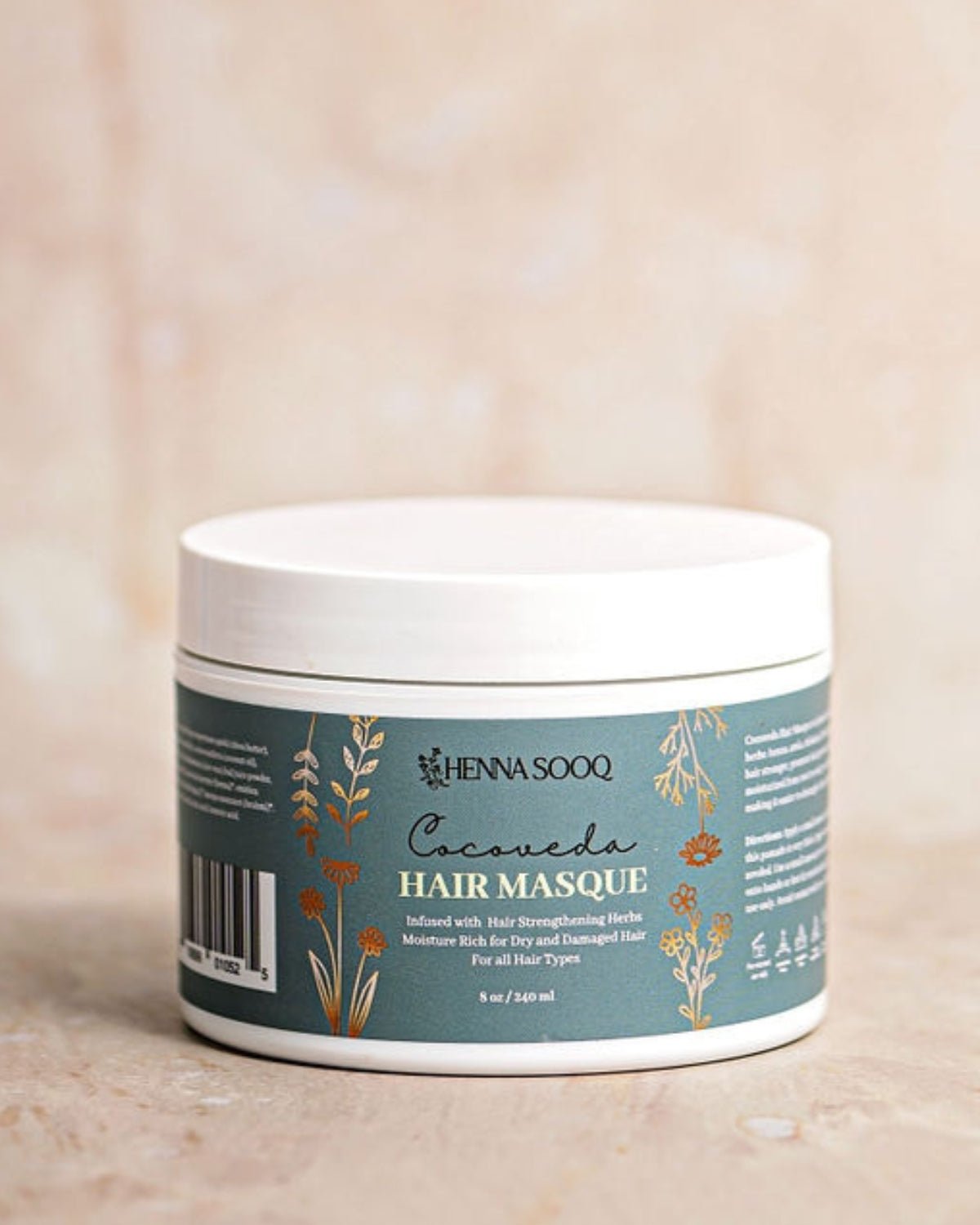
Choosing moisturizing products, conditioning regularly, and handling your strands gently can help improve softness and manageability. The key is understanding your hair's unique needs and finding a consistent routine that works with your natural texture. Henna Sooq offers a range of natural and Ayurvedic hair care essentials to help you care for your strands.
From moisturizing hair masks and conditioning treatments to nourishing hair oils, explore options that can complement your routine and help keep dry hair feeling softer and more manageable. Discover your new hair care favorites and take the next step toward healthier-looking hair!
Frequently Asked Questions About Coarse Hair
Is coarse hair naturally dry?
Coarse hair isn't necessarily dry, but it can be more prone to feeling rough and needing conditioning. Hair porosity, washing habits, heat styling, and environmental factors can all affect moisture retention. A gentle cleansing routine, regular conditioning, and suitable moisturizing products can help keep coarse hair feeling softer and more manageable.
Is coarse hair healthy?
Yes, coarse hair can be completely healthy. Coarse hair simply refers to the thickness of individual hair strands, not their overall condition. Healthy coarse hair can be strong, soft, and manageable. Dryness, excessive breakage, and roughness may indicate that your hair needs additional care, but having naturally coarse strands isn't a sign of damage.
What is the difference between thick hair and coarse hair?
Coarse hair describes the diameter of individual strands, while thick hair often refers to hair density, or how many strands grow on your scalp. You can have coarse hair with low density or fine hair with high density. Understanding the difference can help you choose products that suit both your strand thickness and overall hair fullness.
How do I know if I have coarse hair?
One simple way to identify coarse hair is to take a clean, dry strand of shed hair and gently roll it between your fingers. If the strand feels noticeably thick or substantial, you may have coarse hair. Fine strands are typically harder to feel. Remember that coarse hair can be straight, wavy, curly, or coily.
Can coarse hair become soft and smooth?
Yes! Coarse hair can feel soft and smooth without changing its natural strand thickness. Regular conditioning, moisturizing hair masks, gentle detangling, and limiting excessive heat can help improve softness and manageability. The key is choosing treatments that suit your hair's moisture needs rather than trying to change its natural texture.
How often should you wash coarse hair?
There isn't one washing schedule that works for everyone with coarse hair. The right frequency depends on your scalp condition, styling habits, product buildup, and how dry your hair feels. Wash often enough to keep your scalp clean, but avoid unnecessary cleansing if it leaves your strands feeling stripped. Follow with a suitable conditioner to maintain softness.
What ingredients should you avoid in coarse hair products?
If your coarse hair is dry, be cautious with shampoos containing strong cleansing agents that leave your strands feeling stripped and products with high amounts of drying alcohols. However, not all sulfates or alcohols are harmful, and ingredient suitability depends on the overall formula. Choose products based on how well they cleanse, condition, and support your hair's moisture needs.
Is coarse hair the same as high-porosity hair?
No, coarse hair and high-porosity hair describe different characteristics. Coarse hair refers to the thickness of individual strands, while hair porosity describes how easily hair absorbs and retains moisture. Coarse hair can have low, medium, or high porosity. Understanding both characteristics can help you choose moisturizing products and treatments that work for your hair.


