




9 Natural Ingredients That Transform Hair Texture
Have you ever looked at someone's hair and wondered, "How is it so soft, defined, and healthy-looking?" Chances are, it has everything to do with understanding their hair texture and knowing exactly what it needs.
Whether you have fine hair texture that goes flat by noon, coarse hair texture that feels rough no matter what you try, or wavy hair texture that can't quite decide what it wants to be, one thing is true for everyone. Your hair texture is unique, and it deserves a care routine built specifically around it.
Ayurvedic herbs and natural ingredients have been used for centuries to nourish, strengthen, and transform all types of hair texture, from straight hair to coily hair texture and everything in between. And the results? They speak for themselves.
In this blog, we're diving deep into 9 powerful natural ingredients that can change the way your hair looks, feels, and behaves, no matter where you fall on the hair texture chart. You'll also learn how to identify your own natural hair texture, understand the difference between hair texture types, and build a routine that actually works for your specific hair.
So whether you're just beginning to explore textured hair care or you've been on this natural hair journey for years, this one's for you. Let's get into it
What Is Hair Texture (And Why It Matters More Than You Think)
Have you ever wondered why products that work for others do nothing for your hair? The answer almost always comes back to one thing - hair texture.
So, What Is Hair Texture?
Hair texture refers to the thickness or diameter of each hair strand. It describes how your hair feels, behaves, and responds to products and treatments. It falls into three main categories:
- Fine hair texture: thin strands that go flat easily and lack volume
- Medium hair texture: the most common type, moderate thickness, and easier to manage
- Coarse hair texture: thick strands that often feel dry and need extra moisture
It is worth noting that hair texture is not the same as hair type. Hair type describes your hair's pattern - straight, wavy, curly, or coily. Hair texture describes the thickness of each strand. We will cover this difference in the next section.
Why Does Hair Texture Matter?
Understanding your natural hair texture helps you:
- Choose products that actually work for your hair
- Understand why your hair absorbs moisture the way it does
- Build a textured hair care routine tailored to your specific needs
- Stop chasing someone else's hair goals and work with what you have
The truth is, no matter where you fall on the hair texture chart, whether you have wavy, curly, coily, or straight hair texture, nature has the right ingredients to nourish and transform it.
You do not need to fight your natural texture. You just need to learn how to nourish it the right way.
Hair Texture vs Hair Type: What’s the Difference?
This is one of the most commonly confused topics in the hair care world. The terms hair texture and hair type are often used interchangeably, but they mean two very different things. Here is a simple breakdown:
| Hair Type | Hair Texture | |
|---|---|---|
| What it means | The shape or pattern of your hair strand | The thickness or diameter of each hair strand |
| Categories | Straight, Wavy, Curly, Coily | Fine, Medium, Coarse |
| What it describes | How your hair grows and moves | How your hair feels and behaves |
| Example | Type 4 coily hair | Coarse strand thickness |
| What it determines | Your curl or wave pattern | How your hair absorbs moisture and products |
| Can it change? | Rarely, unless chemically altered | Yes, due to age, diet, and damage |
Think of it this way, your hair type is the shape of your hair, and your hair texture is the width of your strand. You can have curly hair texture that is fine, medium, or coarse. You can have straight hair texture that is thick or thin. Both work together to define your hair's unique needs.
Different Types of Hair Texture
When we talk about types of hair texture, there are 4 main categories, and each one has its own unique characteristics, needs, and beauty. Understanding which category your hair falls into is the first step toward building a routine that truly works for your natural hair texture.
Straight Hair Texture
Straight hair texture lies flat from root to tip with no curl or wave pattern. It is the smoothest of all hair texture types and tends to:
- Reflects light easily, giving it a naturally shiny appearance
- Get oily faster as sebum travels down the straight strand more easily
- Lack of volume and body, especially at the roots
- Be resistant to holding curls or waves without heat or styling products
Straight textured hair may look low maintenance, but it still needs regular cleansing, nourishment, and care to stay healthy and strong. Lightweight Ayurvedic ingredients work best for this texture.
Wavy Hair Texture
Wavy hair texture falls beautifully between straight and curly, creating a gentle S-shaped wave pattern. It is one of the most versatile of all hair textures and tends to:
- Have natural movement and body that straight hair lacks
- Be prone to frizz, especially in humid weather
- Lose its wave pattern easily without the right products
- Need a balance of moisture and definition to look its best
Wavy hair texture responds really well to lightweight natural ingredients that enhance its natural wave pattern without weighing it down. The key is working with the wave, not against it.
Curly Hair Texture
Curly hair texture forms a defined spiral or ringlet pattern and is one of the most beautiful yet misunderstood of all hair texture types. It tends to:
- It is naturally drier than straight or wavy hair because sebum has a harder time traveling down the curl
- Shrinks significantly when dry, making it appear shorter than it actually is
- Be prone to frizz and tangles without proper moisture
- Thrive with rich moisturizing ingredients and gentle detangling
Curly hair texture needs consistent deep conditioning and moisture-sealing ingredients to stay defined, bouncy, and frizz-free. Ayurvedic herbs like amla, brahmi, and hibiscus are particularly loved by curly hair - you can explore how to use them in this curly hair tips guide.
Coily Hair Texture
Coily hair texture, also known as kinky hair, has the tightest curl pattern of all types of hair texture. It is the most fragile yet most versatile texture and tends to:
- It has the highest shrinkage of all hair texture types, sometimes shrinking up to 75% of its actual length
- It is the driest of all textures, as natural oils struggle to travel down the tight coil pattern
- Be prone to breakage and dryness without regular deep moisture treatments
- Look absolutely stunning when properly nourished and cared for
Coily hair texture requires the most intensive moisture and care of all hair textures. Rich Ayurvedic ingredients like henna, cassia, fenugreek, and bhringraj are especially beneficial for keeping coily hair strong, moisturized, and thriving. Read this blog to know how they work together in this coily hair product guide.
Hair Texture Chart: Find Your Exact Hair Type
A hair texture chart is one of the most useful tools for understanding your hair. It helps you identify not just your hair texture type but also your curl pattern, so you can make smarter choices about the products and ingredients your hair needs.
Here is a simple natural hair texture chart to help you find your place:
| Hair Texture | Strand Thickness | Common Characteristics |
|---|---|---|
| Fine | Thin | Soft, flat, oily, quickly, lacks volume |
| Medium | Moderate | Versatile, resilient, easy to manage |
| Coarse | Thick | Dry, rough, needs deep moisture |
And when combined with hair type patterns:
| Hair Type | Pattern | Common Textures |
|---|---|---|
| Type 1 | Straight hair texture | Fine to medium |
| Type 2 | Wavy hair texture | Fine to medium |
| Type 3 | Curly hair texture | Medium to coarse |
| Type 4 | Coily hair texture | Medium to coarse |
Use this hair texture chart as a starting point. Once you know where your hair falls, you can begin choosing ingredients and routines that are truly built for your texture.


9 Natural Ingredients That Help Transform Hair Texture
Nature has always had the best answers for healthy, beautiful hair. The following 9 ingredients are rooted in Ayurvedic tradition and trusted by thousands of customers across all types of hair textures. Whether your hair is straight, wavy, curly, or coily, these ingredients can transform the way your hair looks and feels.Henna
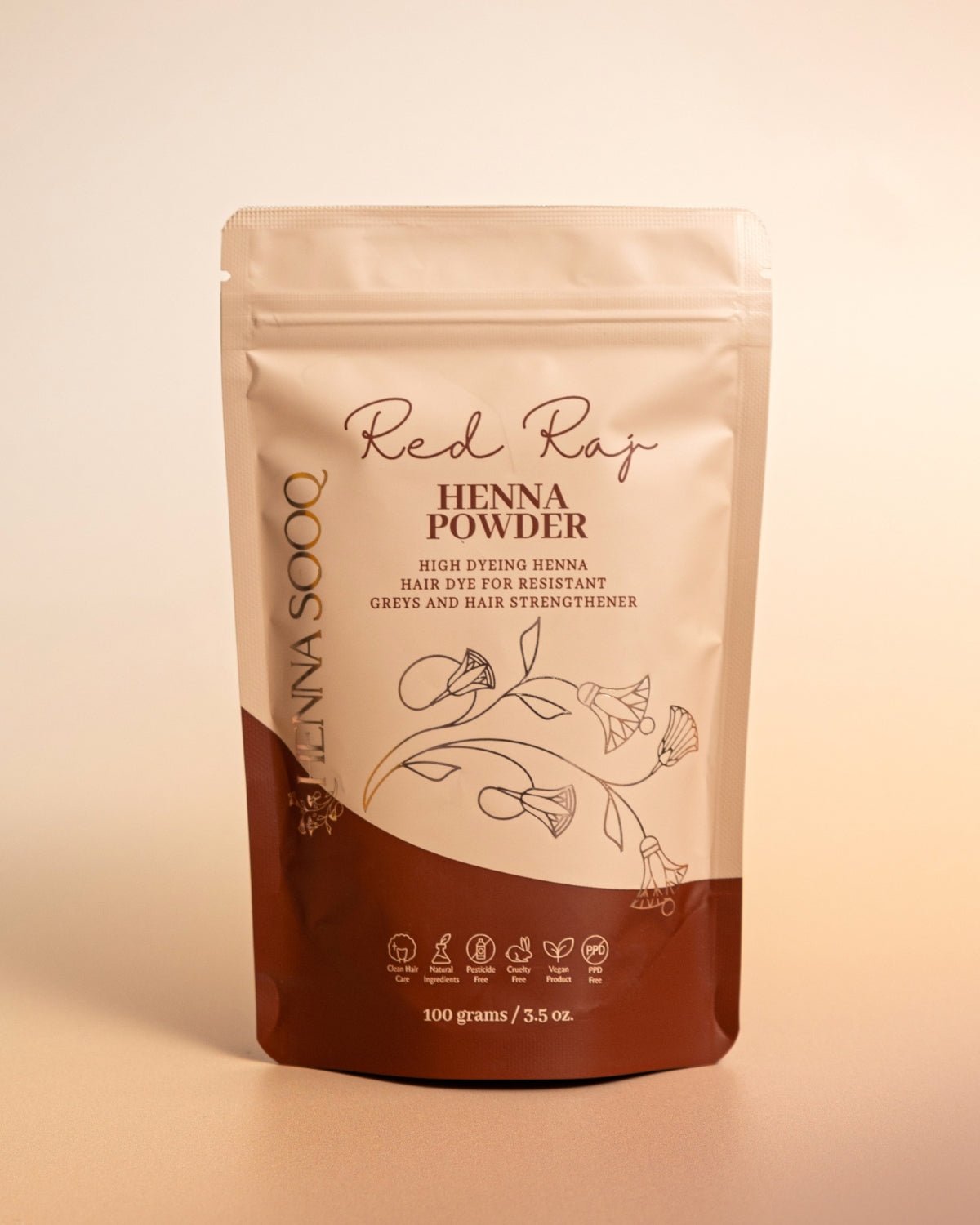
Henna is one of the most powerful natural ingredients for transforming hair texture from the inside out. It works by coating the hair strand with a thin layer of strengthening plant protein, which adds body, reduces breakage, and makes each strand feel noticeably thicker and more resilient. It is especially loved by those with fine hair texture who want more strength and definition.Beyond strengthening, henna also seals the hair cuticle, leaving hair smoother, shinier, and easier to manage. Regular use can significantly improve the overall feel of coarse hair texture and add beautiful definition to curly and coily hair texture. Try the Red Raj Henna Hair Dye or the Henna Gloss Bar for a nourishing, texture-transforming treatment. If you're new to henna, this complete henna hair dye guide walks you through everything you need to know.
Amla (Indian Gooseberry)
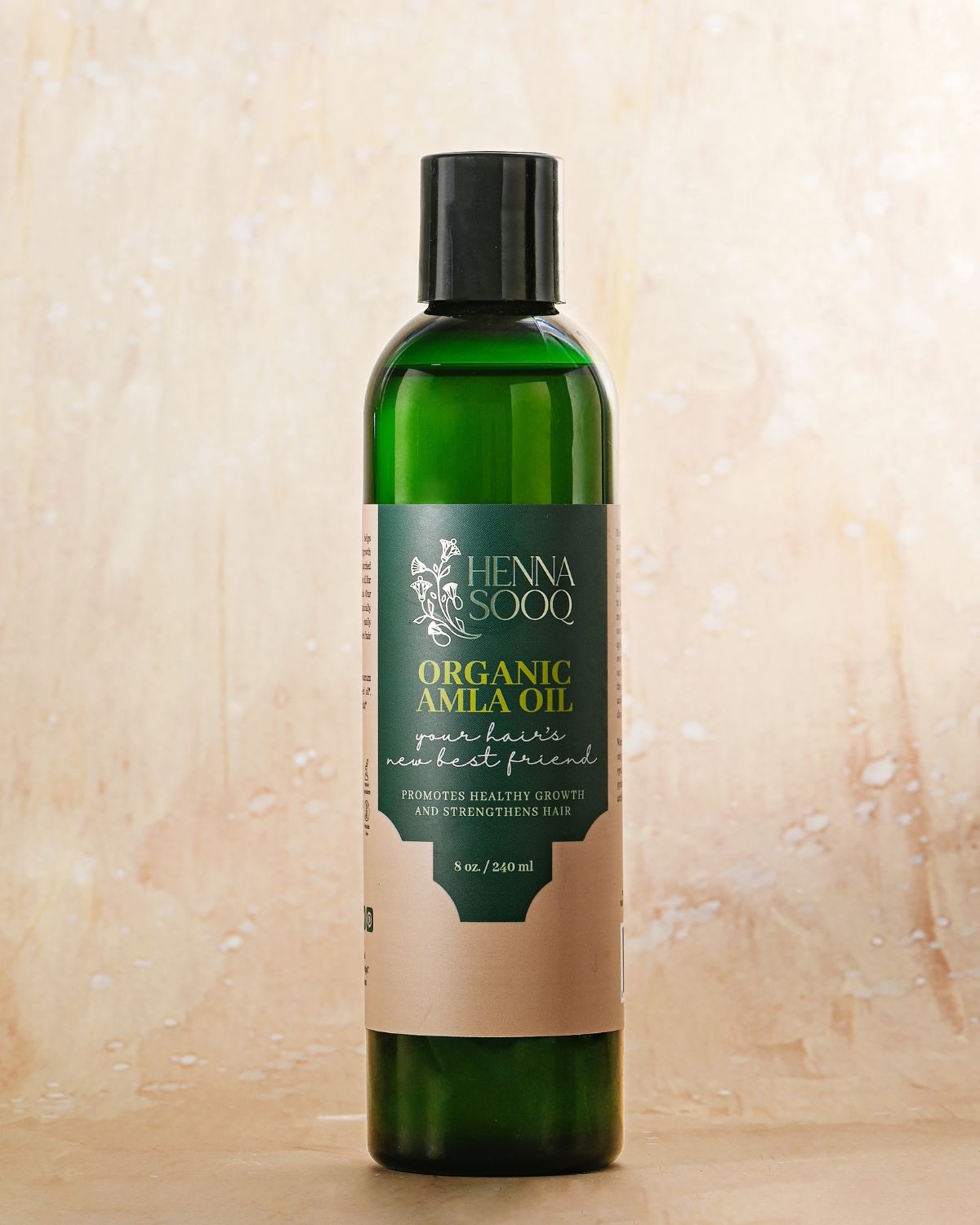
Amla is one of the most celebrated herbs in Ayurvedic hair care, and for good reason. Rich in vitamin C and natural antioxidants, amla helps strengthen hair strands, maintain curl pattern, and add incredible volume to hair of all texture types. It is particularly effective for those with wavy and curly hair textures who want more definition and bounce.What makes amla truly special is its ability to nourish the scalp and promote longer, healthier hair growth over time. It also helps balance moisture levels in the hair, making it a wonderful ingredient for both fine hair texture that needs volume and coarse hair texture that needs softness. Shop Organic Amla Powder or Organic Amla Oil to add this powerhouse to your routine.
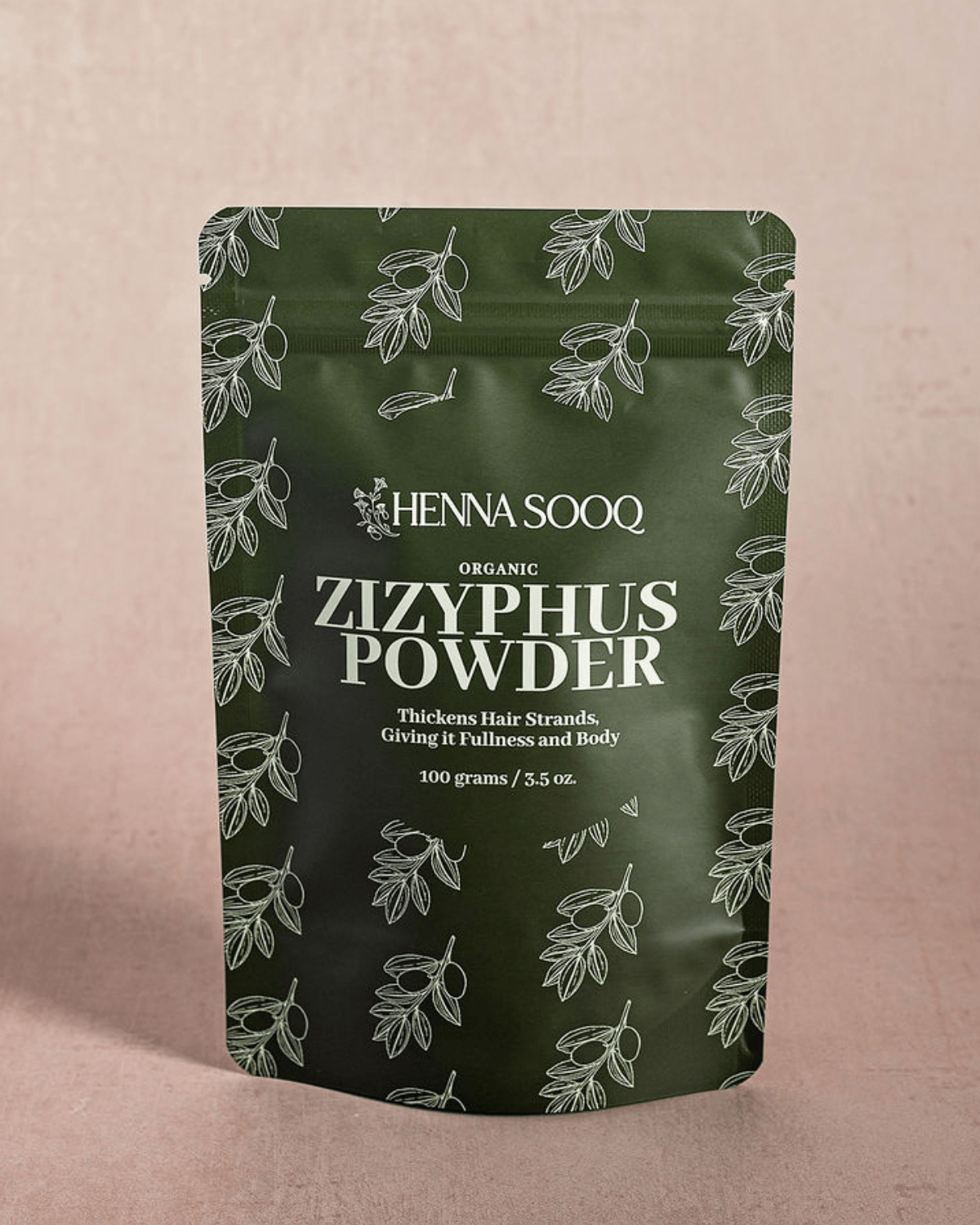
Organic Zizyphus Powder
Cleanse, strengthen, and volumize your hair naturally with Organic Zizyphus.
Shop Now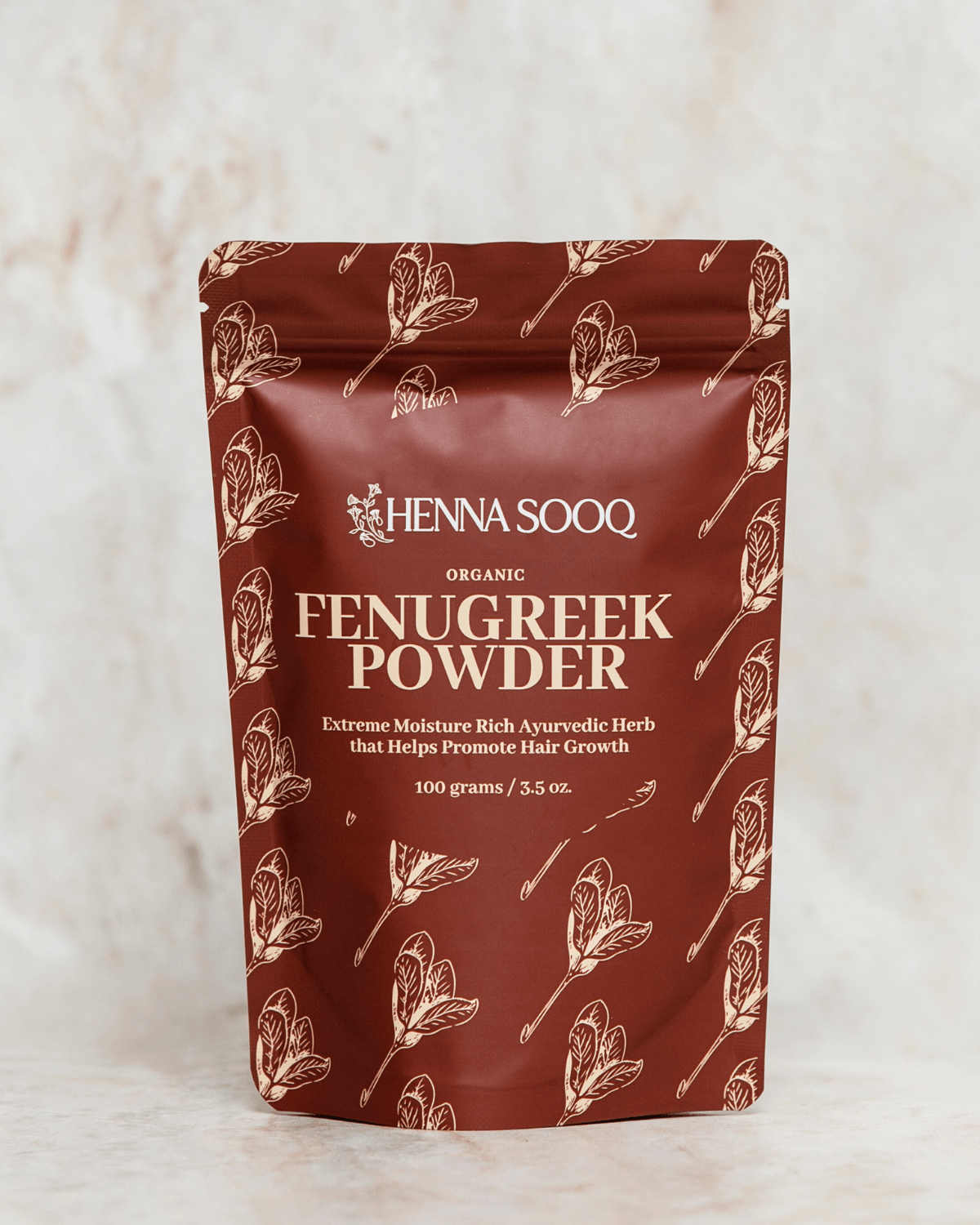
Organic Fenugreek Powder
Boost moisture, reduce breakage, and unlock stronger, fuller hair naturally.
Shop Now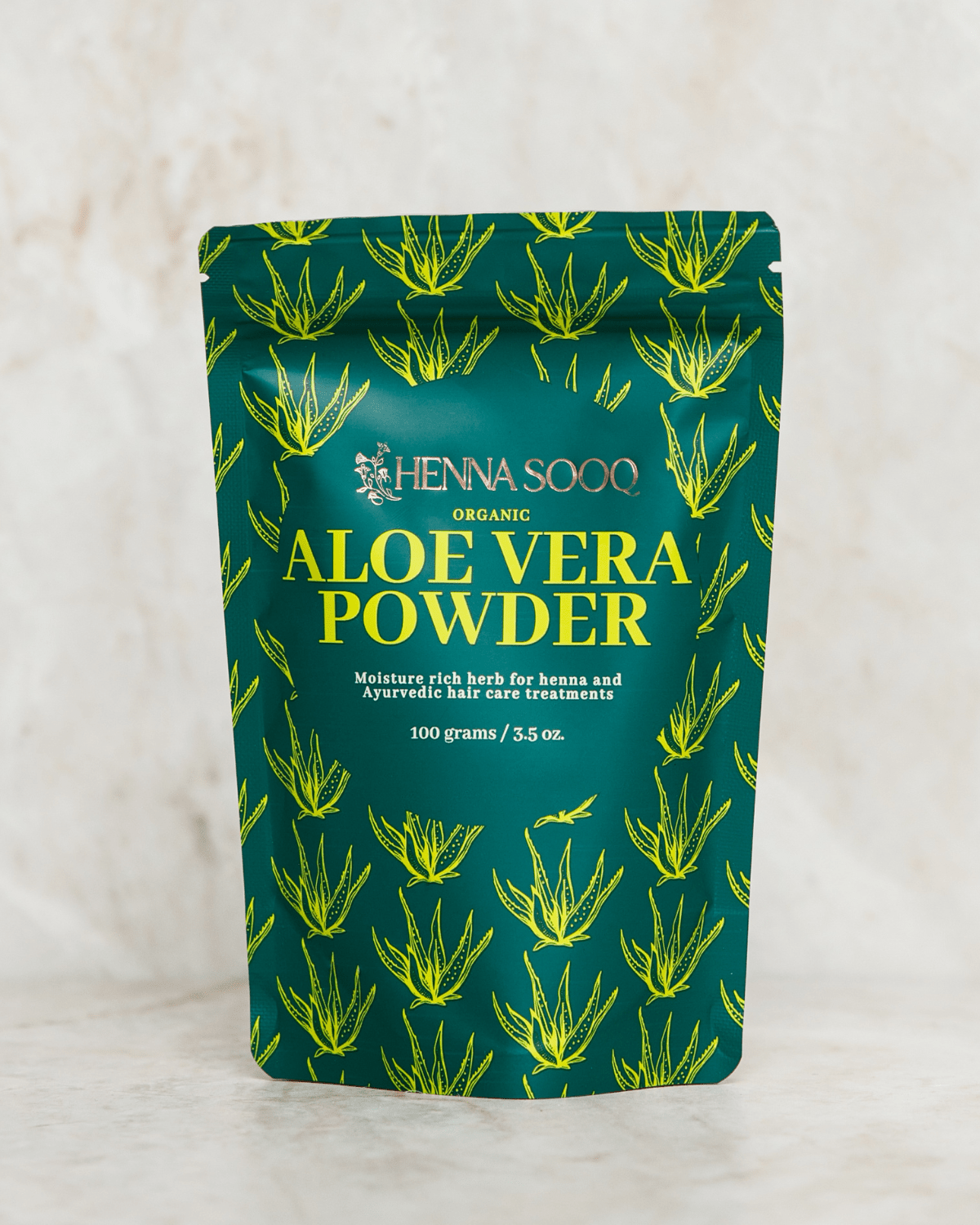
Organic Aloe Vera Powder
Hydrate, soothe, and strengthen your hair naturally with Organic Aloe Vera Powder.
Shop NowCassia (Cassia Obovata)
Cassia is often called the "blonde henna" but its real superpower has nothing to do with color. Cassia is a deeply conditioning herb that strengthens, cleanses, and adds incredible shine to all hair texture types without depositing color on dark hair. It is one of the best natural ingredients for improving the overall health and smoothness of textured hair.
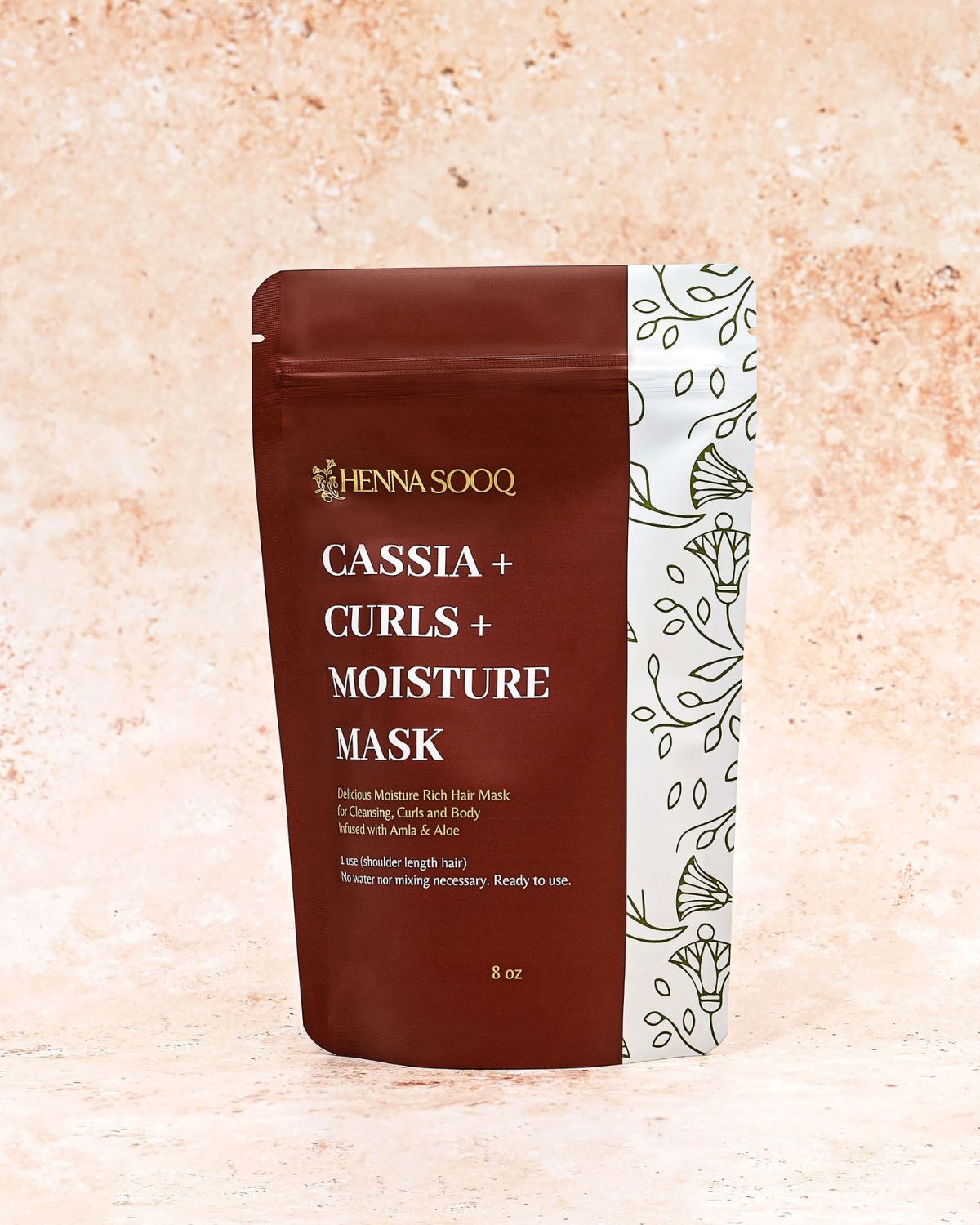
For those with fine or damaged hair texture, cassia is especially valuable because it thickens and strengthens strands without weighing them down. It also protects hair from environmental damage, leaving it feeling softer and looking more vibrant after every use. Find it in the Sweet Honey Enriching Hair Nourisher or the Cassia + Curls + Moisture Hair Mask.
Aloe Vera
Aloe vera is one of the most universally loved natural ingredients for hair care, and it works beautifully across all hair texture types. It is packed with vitamins, minerals, and amino acids that deeply hydrate the hair strand, reduce frizz, and improve the overall feel and manageability of hair.
For wavy and curly hair texture, aloe vera is a game-changer. It enhances the natural curl pattern, reduces frizz, and leaves hair feeling soft and defined without any stiffness or crunch. For coily hair texture, it provides the deep moisture that tight coils constantly crave. Add Organic Aloe Vera Powder to your next hair mask or treatment for an instant texture boost.
Fenugreek
Fenugreek is a deeply nourishing Ayurvedic herb that is rich in mucilage, a natural substance that coats the hair strand with incredible slip and softness. This makes it one of the best natural ingredients for improving coarse hair texture that feels rough or difficult to detangle. It also helps reduce hair loss and strengthen strands from the root.
What many people love about fenugreek is how it transforms the feel of textured hair after just a few uses. Hair feels smoother, softer, and more manageable, and detangling becomes significantly easier. It works beautifully across curly, coily, and wavy hair textures where moisture and slip are essential. Try Organic Fenugreek Powder mixed into your favorite hair mask for best results.
Zizyphus (Sedr)
Zizyphus, also known as Seder, is one of the most underrated ingredients for transforming hair texture naturally. This Ayurvedic herb is known for its remarkable ability to enhance volume, thicken hair strands, and boost curl definition all without depositing any color. It is especially ideal for fine hair texture that lacks body and fullness.
Unlike many volumizing ingredients that leave hair feeling stiff or dry, zizyphus actually conditions and nourishes the strand at the same time. It leaves wavy and curly hair texture looking fuller, bouncier, and more defined while also being gentle enough for delicate, fine strands. Shop Organic Zizyphus Powder to experience this texture-transforming herb for yourself.
Hibiscus
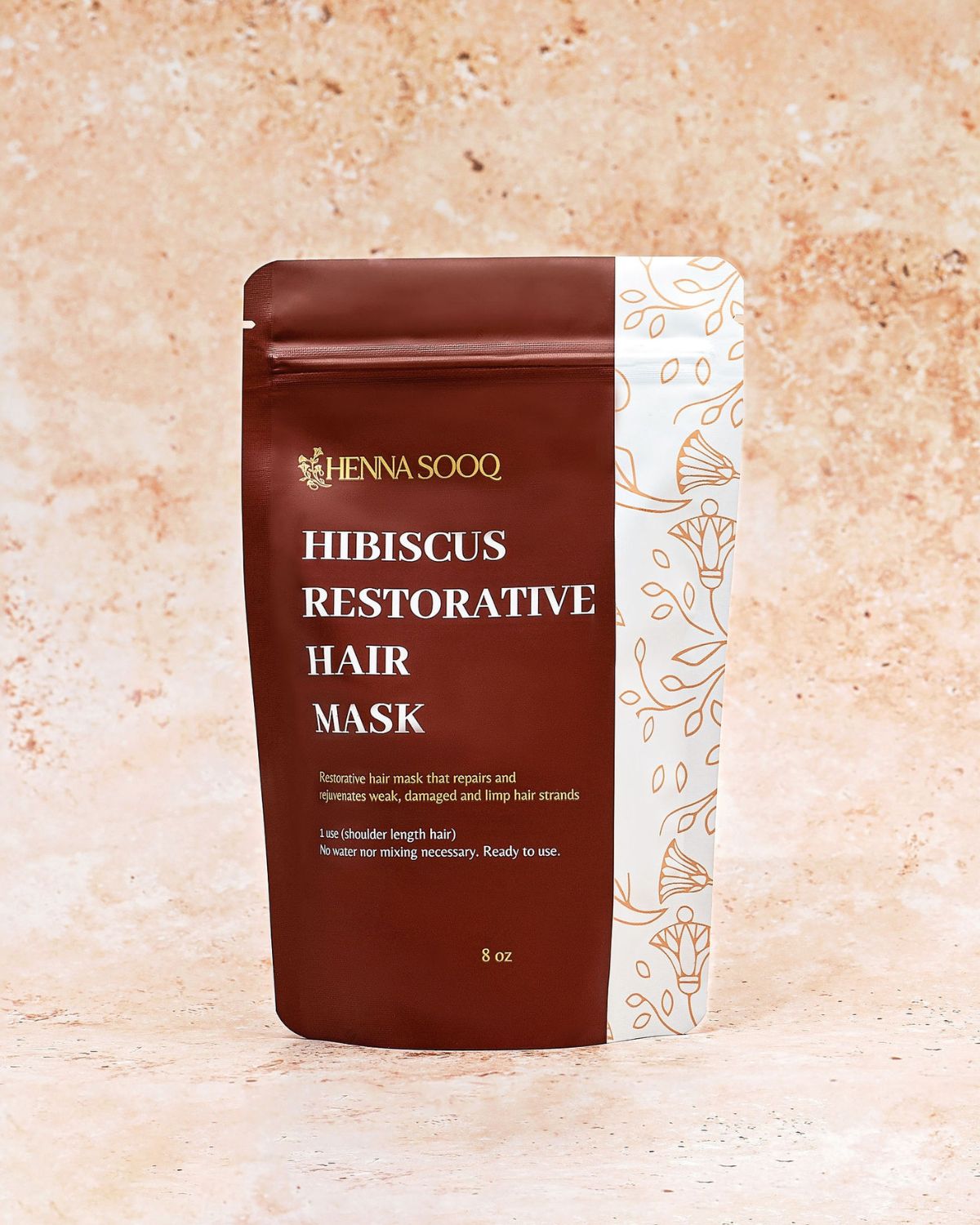
Hibiscus is a beautiful and powerful Ayurvedic ingredient that works wonders for weak, damaged, and limp hair. It is rich in natural acids and vitamins that help restore the hair's natural elasticity, improving how textured hair stretches, moves, and holds its shape. It is particularly beneficial for hair that has lost its natural bounce and vitality.
For curly and coily hair texture, hibiscus helps restore definition and moisture to strands that have been weakened by heat, color, or environmental damage. It also helps smooth the hair cuticle, reducing frizz and improving overall shine across all different hair textures. The Hibiscus Restorative Hair Mask is a beautiful, ready-to-use option for bringing damaged hair back to life.
Moroccan Rhassoul Clay
Moroccan Rhassoul Clay is a mineral-rich clay that deeply cleanses the scalp and hair without stripping away its natural oils, making it one of the best ingredients for resetting and improving hair texture over time. A clean, healthy scalp is the foundation of healthy hair, and rhassoul clay delivers a deep cleanse that most shampoos simply cannot match.
What makes rhassoul clay particularly special for textured hair care is that it cleanses gently without drying the hair out. It removes product buildup and impurities that can weigh down wavy and curly hair texture or make coily hair texture feel stiff and unresponsive. Regular use helps hair feel lighter, softer, and more defined. Try the Moroccan Rhassoul Clay on its own or the Moroccan Rhassoul + Soapnut + Neem Mud Mask for a complete scalp detox.
Rosemary Essential Oil
Rosemary essential oil is one of the most well-known and trusted natural ingredients for scalp health and hair growth, and a healthy scalp directly leads to healthier, better-textured hair. It stimulates circulation at the scalp level, which encourages stronger, thicker hair growth over time, benefiting all hair texture types from fine to coarse.
For those looking to improve the thickness and density of fine or thin hair texture, rosemary oil is a must-have addition to any routine. It can be blended directly into hair oils, masks, or henna treatments for an extra boost of scalp nourishment. The Moroccan Rosemary Essential Oil at Henna Sooq is sourced directly from Morocco, making it one of the most authentic and pure options available.
The beauty of Ayurvedic hair care is that it works with your natural hair texture, not against it. Each of these 9 ingredients brings something unique to the table, whether your hair needs strength, moisture, definition, volume, or shine. The key is understanding what your specific hair texture type needs and choosing accordingly. Start with one or two ingredients that resonate most with your hair goals and build from there.
Factors Affecting Hair Texture
Your natural hair texture is not set in stone. While genetics play the biggest role in determining your type of hair texture, several other factors can affect how your hair feels and behaves over time.
Genetics
Your genes are the primary reason your hair looks and feels the way it does. The shape of your hair follicle determines your curl pattern, while the thickness of your strand determines your texture. This is why different hair textures run in families.
Age
Hair texture naturally changes as we age. Many people notice their hair becoming finer, drier, or even changing curl pattern over time. Hormonal shifts, particularly during puberty, pregnancy, and menopause, can all cause noticeable changes in hair texture types.
Heat and Chemical Damage
Excessive heat styling and chemical treatments can permanently alter your natural hair texture. If your hair is already showing signs of damage, this guide on repairing and strengthening natural hair is worth a read.
Diet and Nutrition
What you eat directly impacts the health of your hair. A diet lacking in essential vitamins, minerals, and proteins can lead to changes in hair texture, making it dry, brittle, or dull. Nutrients like biotin, iron, zinc, and vitamin E are particularly important for maintaining healthy textured hair.
Hard Water
Mineral buildup from hard water can coat the hair shaft over time, making coarse hair texture even rougher and fine hair texture feel heavy and limp. Regular clarifying and scalp care can help combat this.
Hair Care Habits
Over-washing, rough handling, tight hairstyles, and using the wrong products for your hair texture type can all negatively impact how your hair looks and feels over time.
How to Identify Your Hair Texture at Home
Not sure where you fall on the hair texture chart? Here are two simple ways to identify your natural hair texture at home, no professional needed.
The Strand Thickness Test
Take one clean, dry strand of shed hair and place it between your fingers. If you can barely feel it, your hair may be fine. If you can feel it slightly, your hair is likely medium. If the strand feels strong, textured, or easy to notice between your fingers, your hair may be coarse.
The Air-Dry Curl Pattern Test
To identify your curl pattern, wash your hair and let it air dry without styling products. Once fully dry, look at the natural shape your hair forms. Straight hair has little to no bend, wavy hair forms S-shaped bends, curly hair forms spirals or loops, and coily hair forms tighter curls or zig-zag patterns.
The Water Absorption / Porosity Check
Spray a small section of clean, dry hair with water and watch how it reacts. If water sits on top for a while, your hair may be low porosity. If it absorbs slowly and evenly, you may have medium porosity. If it soaks in quickly but dries fast, your hair may have high porosity.
Once you’ve tried these simple at-home checks, you’ll have a much clearer idea of what your hair naturally needs.
How Does Hair Texture Affect Your Hair Care Routine?
Your hair texture type should be the foundation of every decision you make in your hair care routine. Here is how different hair textures affect the way you should care for your hair:
Fine Hair Texture
- Use lightweight ingredients that add moisture without weighing hair down
- Avoid heavy oils and thick butters that can make hair look greasy and flat
- Focus on volumizing and strengthening ingredients
- Wash more frequently to prevent buildup
Medium Hair Texture
- Most ingredients and products work well for medium texture
- Focus on maintaining a balance between moisture and protein
- Regular deep conditioning treatments help keep hair resilient and healthy
Coarse Hair Texture
- Prioritize rich, deeply moisturizing ingredients that penetrate the strand
- Use regular deep conditioning and hair mask treatments
- Avoid harsh sulfates that strip natural oils
- Focus on sealing moisture into the hair shaft
Wavy and Curly Hair Texture
- Focus on defining and moisturizing the curl pattern. Wavy hair routine guide breaks it down step by step.
- Use ingredients that reduce frizz and enhance natural texture
- Avoid products with heavy silicones that weigh curls down
Coily Hair Texture
- Needs the most moisture of all hair texture types
- Deep conditioning and regular Ayurvedic treatments are essential
- Gentle detangling and protective styling help retain length and health

Explore Hair Care Made for Your Texture
Ready to build a routine that actually gets your hair? Henna Sooq makes it easy to choose natural hair care based on your unique texture, whether your strands are straight, wavy, curly, coily, fine, medium, or coarse.
Your hair texture deserves care that works with it, not against it. If your hair feels dry, rough, weighed down, frizzy, or hard to manage, this is your sign to start choosing ingredients and products with your texture in mind.
Not sure where to start? Use what you learned from the hair texture chart and your natural hair texture to guide your next step. The better you understand your type of hair texture, the easier it becomes to find the products your hair will love.
Explore hair care made for your texture and start building a routine that feels personal, natural, and totally you.
Frequently Asked Questions About Hair Texture
What is textured hair?
Textured hair usually refers to hair that has a visible natural pattern, such as waves, curls, coils, or bends. However, all hair has some type of texture. Your hair texture can describe both your pattern and the feel of your strands, including fine hair texture, medium hair texture, or coarse hair texture.
What are the 4 main types of hair texture?
The four main hair texture types are straight, wavy, curly, and coily. These are often shown on a hair texture chart to help you understand your natural hair texture and how your hair naturally forms.
What is the most common hair texture?
Hair texture varies from person to person, and many people have more than one type of hair texture on their head. You may have straight hair texture in one area, wavy hair texture in another, or a mix of curly hair texture and coily hair texture. The most important thing is learning how your own texture behaves.
How do you add texture to hair?
You can add texture to hair through styling methods, lightweight products, braids, twists, or heat-free styling techniques. If your goal is to support your natural hair texture, focus on choosing products that match your hair texture types and help your hair feel soft, defined, and manageable.
Does hair texture change with age?
Hair texture can appear to change over time due to aging, hormonal changes, styling habits, chemical treatments, heat use, and changes in hair health. Your natural hair texture may feel finer, coarser, drier, or less defined at different stages of life.
Does henna change hair texture?
Henna may affect the way hair feels because it is often used in natural hair care to support stronger-feeling, fuller-looking strands. Some people notice their hair feels smoother or more full-bodied after using henna. Results can vary depending on your hair texture, routine, and how henna is used.
How do you improve grey hair texture?
Grey hair can sometimes feel drier or coarser, so gentle cleansing, regular conditioning, and moisture-supportive ingredients can help it feel softer and more manageable. Natural hair care routines that support softness and hydration may help improve the feel of grey hair texture over time.
How do I tell what texture my hair is?
To identify your hair texture, wash your hair and let it air dry without heavy styling products. Look at the pattern your hair naturally forms, then feel a single shed strand between your fingers. This can help you understand if you have straight, wavy, curly, or coily hair, along with fine, medium, or coarse strands.
What causes your natural hair texture?
Your natural hair texture is mostly influenced by genetics. Genetics help determine your curl pattern, strand thickness, and whether your hair is straight, wavy, curly, coily, fine, medium, or coarse. Routine, heat styling, chemical treatments, weather, and moisture levels can also affect how your texture looks and feels.
Can you change your hair texture naturally?
You cannot permanently change your genetic hair texture naturally, but you can improve how your hair looks and feels with the right care. Natural ingredients, gentle cleansing, conditioning, and moisture support can help your hair feel softer, smoother, stronger, and more manageable.
Why does texture matter for your hair care routine?
Texture matters because different hair textures need different types of care. Fine hair texture may need lightweight products, while coarse hair texture may need richer conditioning support. Curly hair texture and coily hair texture often need more moisture and gentle detangling, while straight hair texture and wavy hair texture may need lighter care to avoid buildup.
How often should you wash textured hair?
How often you wash textured hair depends on your scalp, lifestyle, product use, and hair texture type. Some hair may need more frequent cleansing, while curly hair texture and coily hair texture may benefit from a gentler routine that helps maintain moisture. The best schedule is the one that keeps your scalp clean and your strands feeling balanced.


