




10 Must-Try Curly Hair Tips for Defined, Frizz-Free Curls
Curly hair is beautifully diverse, ranging from soft waves to tight coils, and each curl pattern comes with its own set of needs. No matter your curl type, achieving defined, frizz-free curls often depends on using the right curly hair products and adopting a consistent routine.
Without proper care, curls can become dry, undefined, and prone to breakage. Understanding how to care for curly hair types and selecting the best products, such as sulfate-free shampoos, nourishing conditioners, and hydrating leave-ins, can make all the difference in maintaining healthy, manageable curls.
This article outlines 10 practical tips for enhancing curl definition while minimizing frizz, all grounded in proven methods for caring for curly hair. From identifying your curl type to finding the best shampoo and conditioner for curly hair, you’ll learn how to build a routine that supports your natural texture. Whether you're working with loose curls or tighter coils, the focus is on using clean, effective hair care products for curly hair and avoiding common mistakes that can compromise curl health over time.

Understanding Curly Hair Types
To care for curly hair properly, it’s important to understand your curl type. Hair patterns are typically categorized into four main types: Type 1 (straight), Type 2 (wavy), Type 3 (curly), and Type 4 (coily/kinky). Since this article focuses on curls, we’ll look more closely at Type 2 to Type 4, which cover most curly hair types.Type 2: Wavy Hair
- 2A: Loose, fine waves with minimal frizz. It can be easily weighed down by heavy products.
- 2B: Waves are more defined with some frizz, especially near the crown.
- 2C: Thick, S-shaped waves with more volume and frizz. Often appears almost curly.
Type 3: Curly Hair
- 3A: Loose, spiral curls that are shiny and bouncy but prone to frizz.
- 3B: Tighter curls with more volume and a coarse texture. It can dry out easily.
- 3C: Dense, corkscrew curls with lots of volume and shrinkage. Needs deep moisture.
Type 4: Coily/Kinky Hair
- 4A: Soft, S-patterned coils. Holds moisture better than 4B/4C but is still prone to dryness.
- 4B: Z-shaped curls with less definition and more shrinkage. Very fragile.
- 4C: Tightest curl pattern with no defined curl shape. Most prone to breakage and dryness.
Why It Matters
Knowing your curl type helps you:
- Choose the best shampoo and conditioner for curly hair
- Customize your routine based on texture and porosity
- Avoid product buildup or dryness
- Select the best curly hair products that match your hair’s needs
Understanding your curl type is the first step toward building a hair care routine that truly works. It helps you make informed decisions about which products to use, how to apply them, and how to treat your curls based on their texture and needs. Whether your hair falls into the wavy, curly, or coily category, choosing the right curly hair products like natural shampoo, moisturizing conditioner, or nourishing hair mask can make all the difference in keeping your curls healthy, defined, and frizz-free.
Why Curly Hair Needs Specialized Care
Curly hair has a unique structure that makes it more prone to dryness, frizz, and breakage than straight hair. The natural oils produced by the scalp have a harder time traveling down the twists and turns of curly strands, which means moisture doesn’t get evenly distributed. As a result, curls often require more targeted hydration and protection to stay healthy and defined.
This is why a generic hair care routine often falls short for curly textures. Using the wrong products, especially those with sulfates, drying alcohols, or heavy silicones, can strip moisture, disrupt the curl pattern, and lead to long-term damage.
A specialized curly hair care routine focuses on balancing moisture and protein, choosing the best shampoo and conditioner for curly hair, and incorporating nourishing treatments like a curly hair mask or leave-in conditioner. For those looking for a more natural approach, Ayurvedic hair products for curly hair, such as those made with henna, amla, and cassia, can support stronger, more resilient curls without harsh chemicals.


10 Curly Hair Tips for Defined, Frizz-Free Curls
Caring for curly hair isn’t just about following trends; it’s about understanding what your hair needs to stay healthy, defined, and manageable. Whether you're dealing with frizz, dryness, or inconsistent curl patterns, a few intentional changes to your routine can go a long way. These ten curly hair tips are designed to help you build a consistent care routine using the right techniques and curly hair products that support your hair’s natural texture.
Know Your Curl Type
Understanding your curl type, whether it’s wavy (2A–2C), curly (3A–3C), or coily (4A–4C) is key to choosing the right products and routine. Each curl type responds differently to moisture, styling techniques, and ingredients, so identifying yours helps create a more effective hair care plan.
Once you know your type, you can better select the best curly hair products for your texture. Lightweight products suit looser waves, while tighter curls often need richer formulas like creams and oils. This foundation helps prevent frizz and enhances curl definition over time.
Use a Sulfate-Free Shampoo
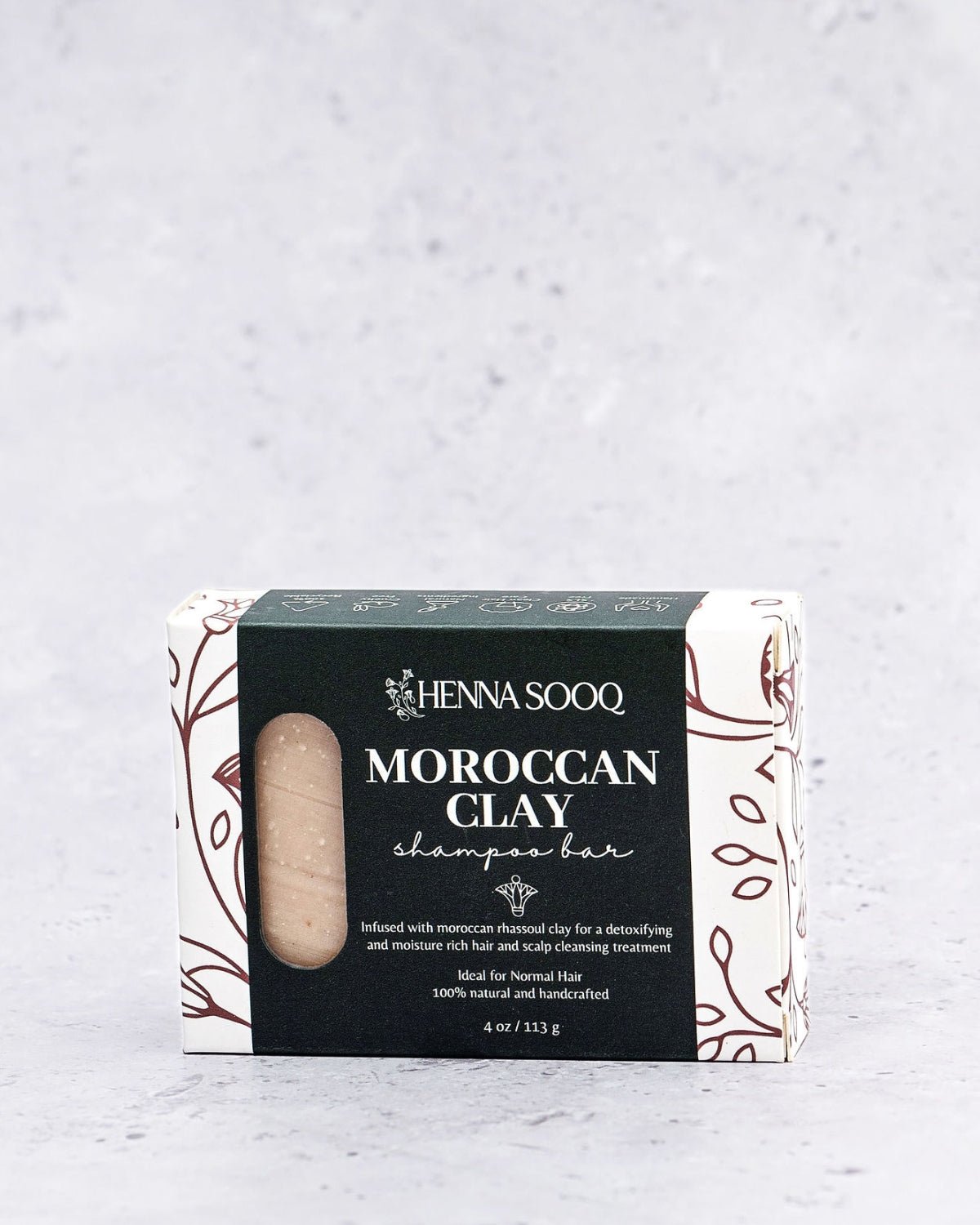
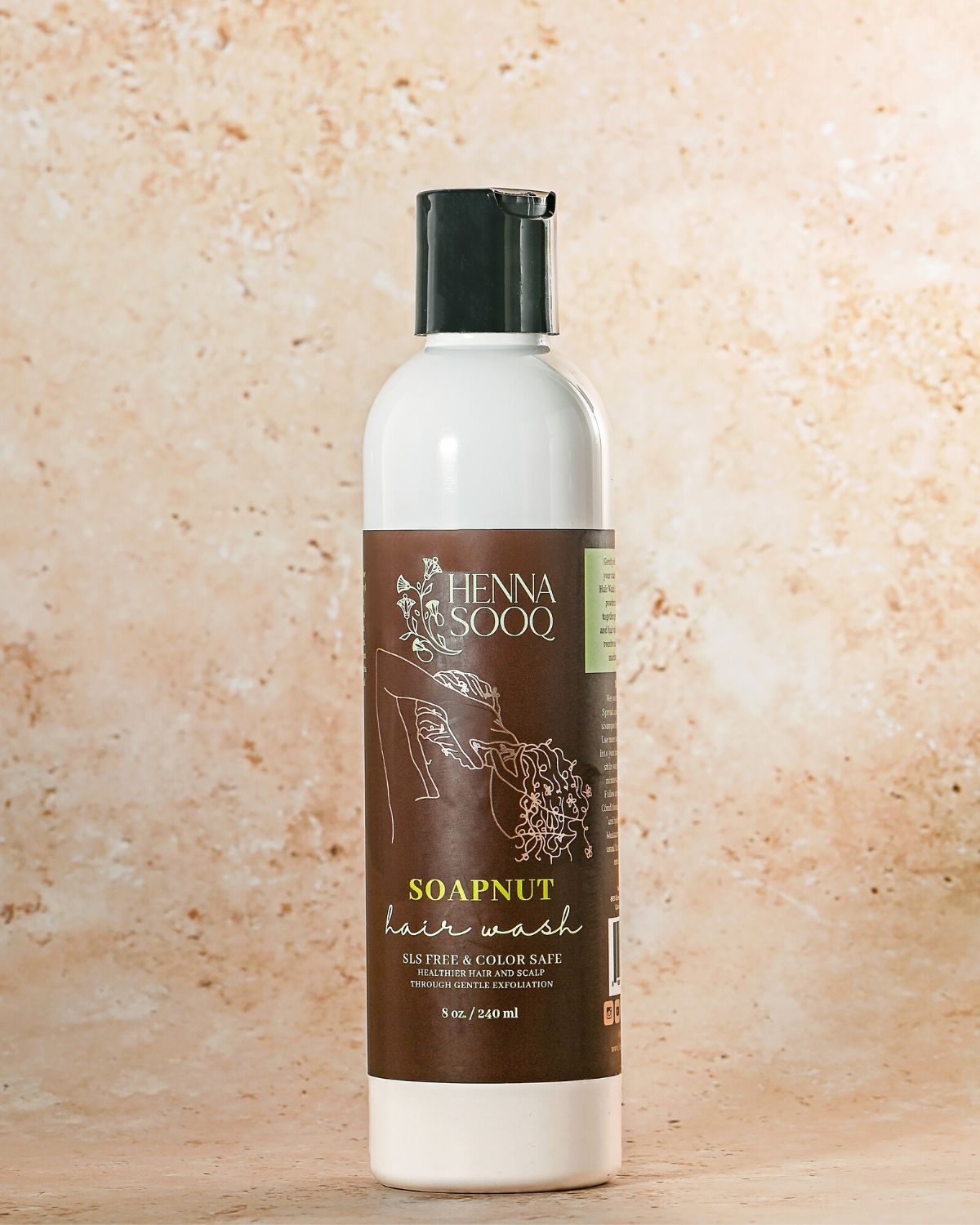
Sulfates can be too harsh for curly hair, stripping away the natural oils that curls need to stay soft and defined. A gentle, sulfate-free curly hair shampoo helps cleanse the scalp without drying out your strands or disrupting your curl pattern.
Look for the best shampoo for curly hair that includes moisturizing ingredients or natural Ayurvedic herbs like shikakai or amla. These plant-based alternatives cleanse effectively while maintaining the health and bounce of your curls.
Deep Condition Weekly
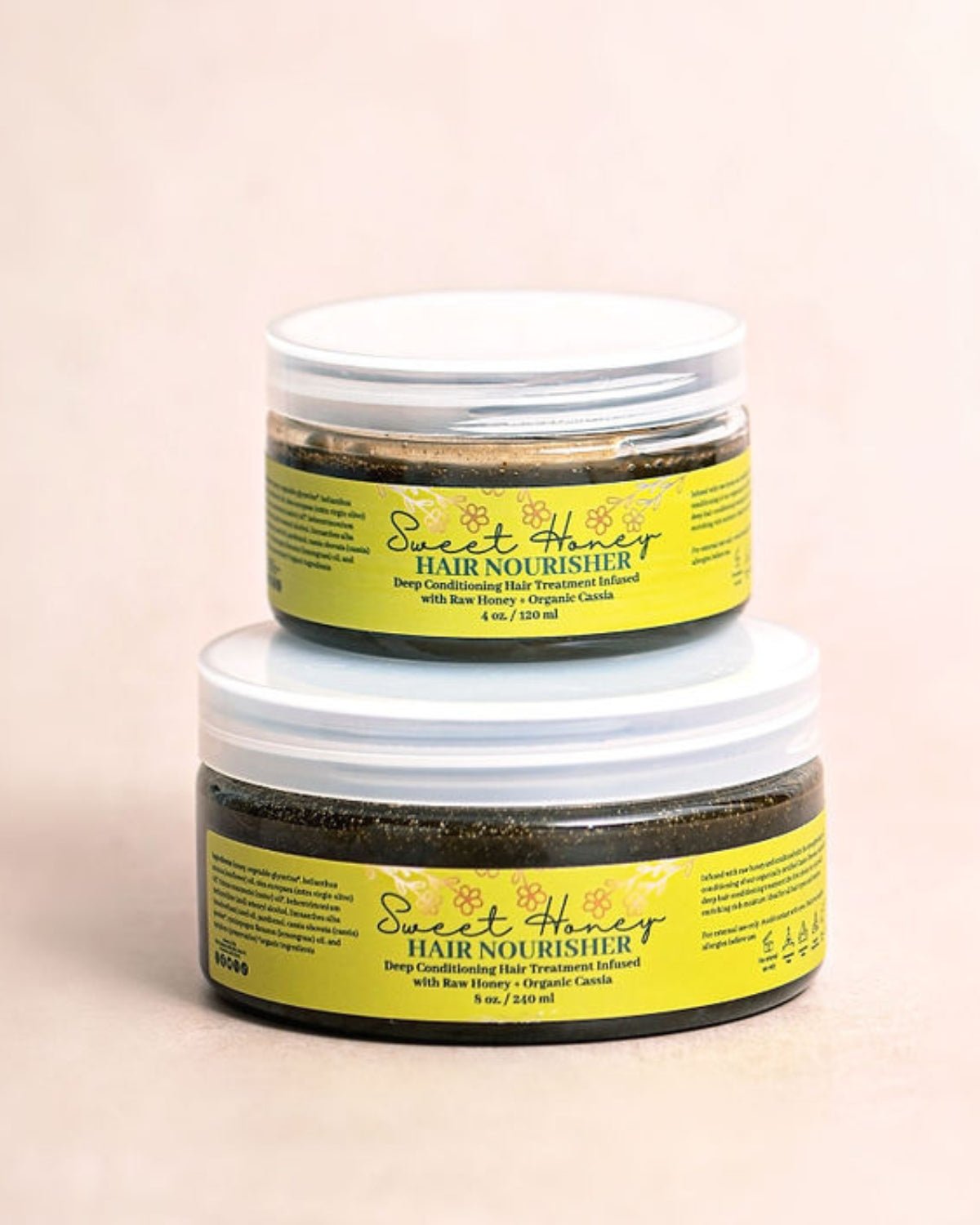
Curly hair thrives on moisture, and regular deep conditioning is essential to prevent dryness, frizz, and breakage. A weekly treatment with a hair mask for curly hair can help restore softness and improve elasticity.
Choose the best hair mask for curly hair with nourishing ingredients like aloe vera, fenugreek, or hibiscus. These help your curls retain moisture longer, leaving them more defined and manageable throughout the week.
Don’t Skip Conditioner
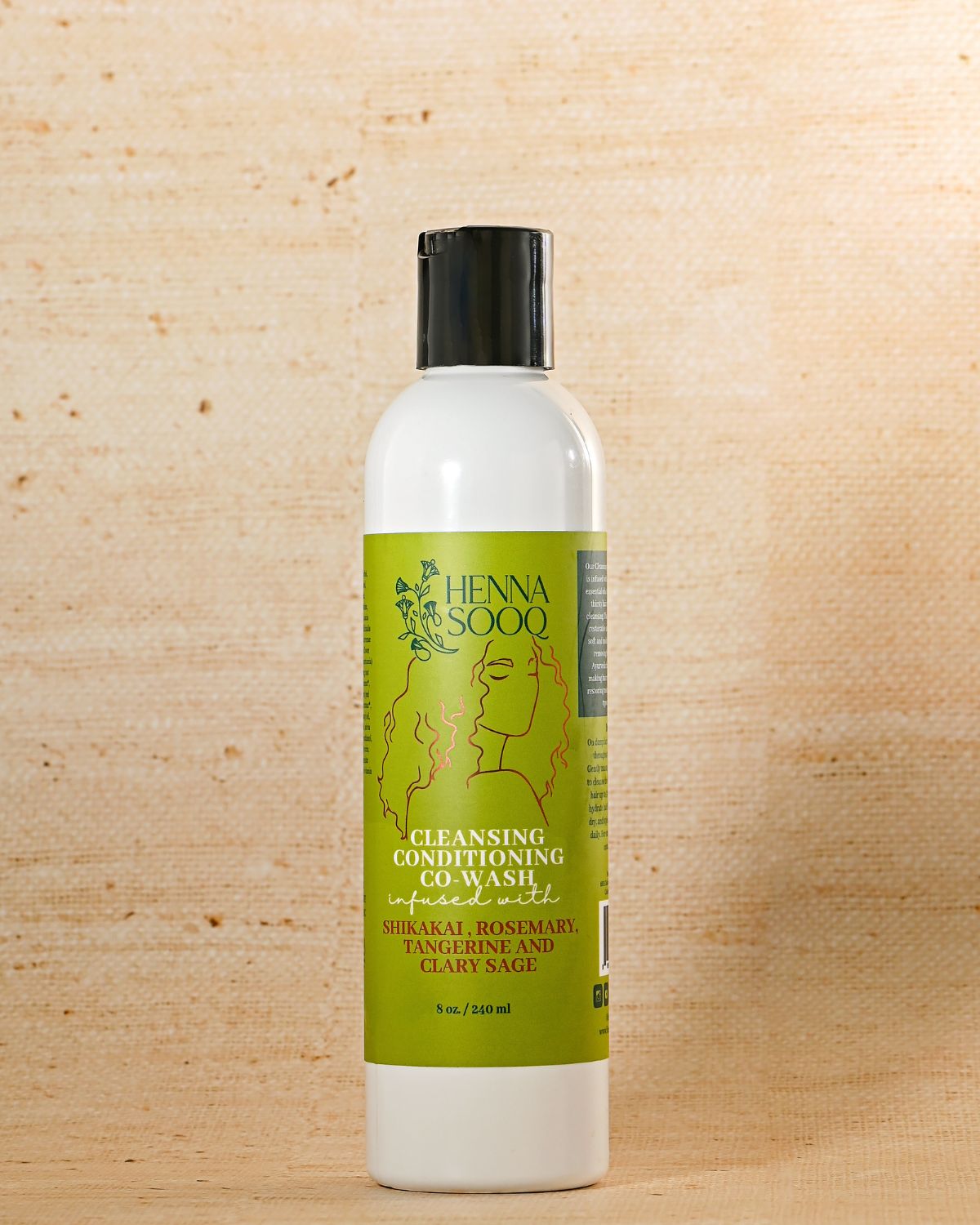
Skipping conditioner is one of the quickest ways to end up with dry, frizzy curls. A rich conditioner for curly hair hydrates your strands and helps seal the cuticle, which reduces frizz and adds shine.
Using the best conditioner for curly hair also improves manageability and makes detangling easier. Focus on applying it from mid-length to ends, and leave it in for a few minutes to deeply nourish your curls.
Layer Products with the LOC or LCO Method
The LOC (Leave-in, Oil, Cream) and LCO (Leave-in, Cream, Oil) methods are popular for locking in moisture. These layering techniques help curls stay hydrated longer and reduce frizz.
Start with a lightweight leave-in conditioner for curly hair, followed by an oil to seal in moisture, and a curl cream for hold and definition. This method works across most curly hair types and supports long-lasting curl definition.
Avoid Heat Styling When Possible
Frequent use of heat tools like flat irons and blow dryers can weaken curls and lead to dryness or damage. Air drying or diffusing on a low-heat setting is much gentler and helps maintain your natural curl pattern.
If you do use heat, always apply a heat protectant and limit the frequency. Incorporating strengthening treatments like henna for curly hair can also help repair heat-damaged strands over time.
Protect Your Hair Overnight
Friction from pillowcases can lead to tangles, breakage, and frizz by morning. Sleeping on a satin or silk pillowcase, or using a satin bonnet or scarf, helps preserve your curls overnight.
You can also try the "pineapple" method, gathering your hair loosely at the top of your head to maintain volume and curl shape while you sleep. These simple habits can make your curls easier to manage in the morning.
Trim Regularly to Maintain Healthy Ends
Trimming curly hair every 8–12 weeks helps prevent split ends from traveling up the strand and keeps your curls looking full and healthy. Neglecting trims can lead to knots, breakage, and loss of curl definition.
Healthy ends are key to achieving smooth, defined curls. Even a light dusting of the ends can make a big difference in how your hair feels and behaves.
Balance Protein and Moisture
Curly hair needs both protein for strength and moisture for softness. Too much moisture can make curls limp, while too much protein can cause stiffness and breakage.
Pay attention to how your curls respond to products. Rotate between moisture-based masks and protein-rich treatments to maintain balance. Ayurvedic curly hair products with strengthening herbs like henna or cassia are a great way to naturally support this balance.
Be Consistent with Your Routine
Consistency is key when it comes to curly hair care. Curls respond best to routines that nourish them regularly and gently, rather than constantly switching products or methods.
Stick with a routine that works for your hair type, and give it time to show results. Using the best hair products for curly hair, such as a sulfate-free shampoo, moisturizing conditioner, and a curl-defining cream, will gradually improve curl health and definition over time.
Every curl is unique, but with the right habits and product choices, achieving defined, frizz-free curls is possible. By knowing your curl type, using gentle cleansers, deep conditioning regularly, and protecting your hair from damage, you can maintain healthy curls that feel as good as they look. Stick with what works, stay consistent, and choose the best curly hair products that align with your texture and needs.
Common Problems Faced by Curly Hair
Curly hair can be incredibly versatile and beautiful, but it also comes with its own set of challenges. From frizz to dryness, understanding these common issues can help you choose the right curly hair products and build a routine that works.
Frizz and Lack of Definition
Frizz often happens when curls lack moisture or are exposed to humidity. Without enough hydration, curls lose their shape and become undefined.
Dryness and Dehydration
Natural oils struggle to travel down curly strands, making them prone to dryness. Regular use of a rich conditioner for curly hair helps restore moisture.
Breakage and Split Ends
Curly hair is more fragile due to its twists and bends. Over-styling, heat, and lack of moisture can cause breakage and split ends.
Product Buildup
Heavy or silicone-based products can leave residue on curls and the scalp. A monthly cleanse with a gentle curly hair shampoo keeps hair fresh and light.
Shrinkage and Uneven Curl Pattern
Tight curl types often shrink more, making hair appear shorter. Inconsistent moisture and damage can also affect curl uniformity.
Difficulty Finding the Right Products
Not all hair products for curly hair suit every curl type. Finding the right formula depends on your hair’s porosity, texture, and curl pattern.
Understanding these common challenges is the first step in overcoming them. With the right care and by choosing the best curly hair products for your texture, you can protect your curls and bring out their full potential.
Top Ingredients to Look for in Curly Hair Products
Choosing the right ingredients is essential for healthy, defined curls. Curly hair thrives on moisture, strength, and gentle care, so it’s important to look for ingredients that nourish without stripping or weighing the hair down. Here are some of the most effective and natural ingredients to look for in curly hair products, all of which are found in Henna Sooq’s formulations:
Henna
Henna is known for its strengthening properties. It helps reduce breakage, adds natural shine, and improves the overall structure of curly hair without relaxing the curl pattern when used properly.
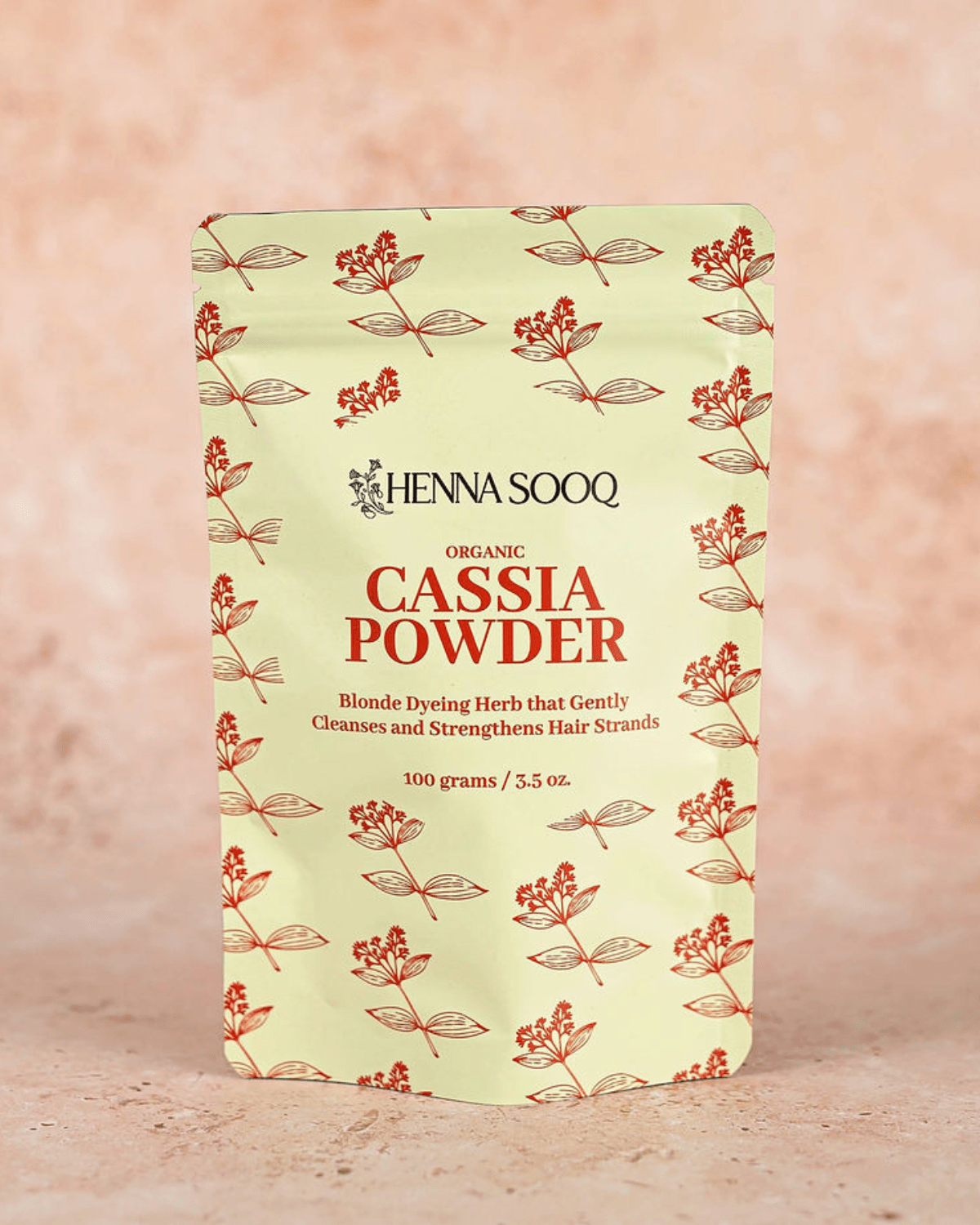
Cassia
Cassia is a natural conditioning herb often called "neutral henna." It enhances softness, reduces frizz, and improves moisture retention, making it ideal for dry or fragile curls.
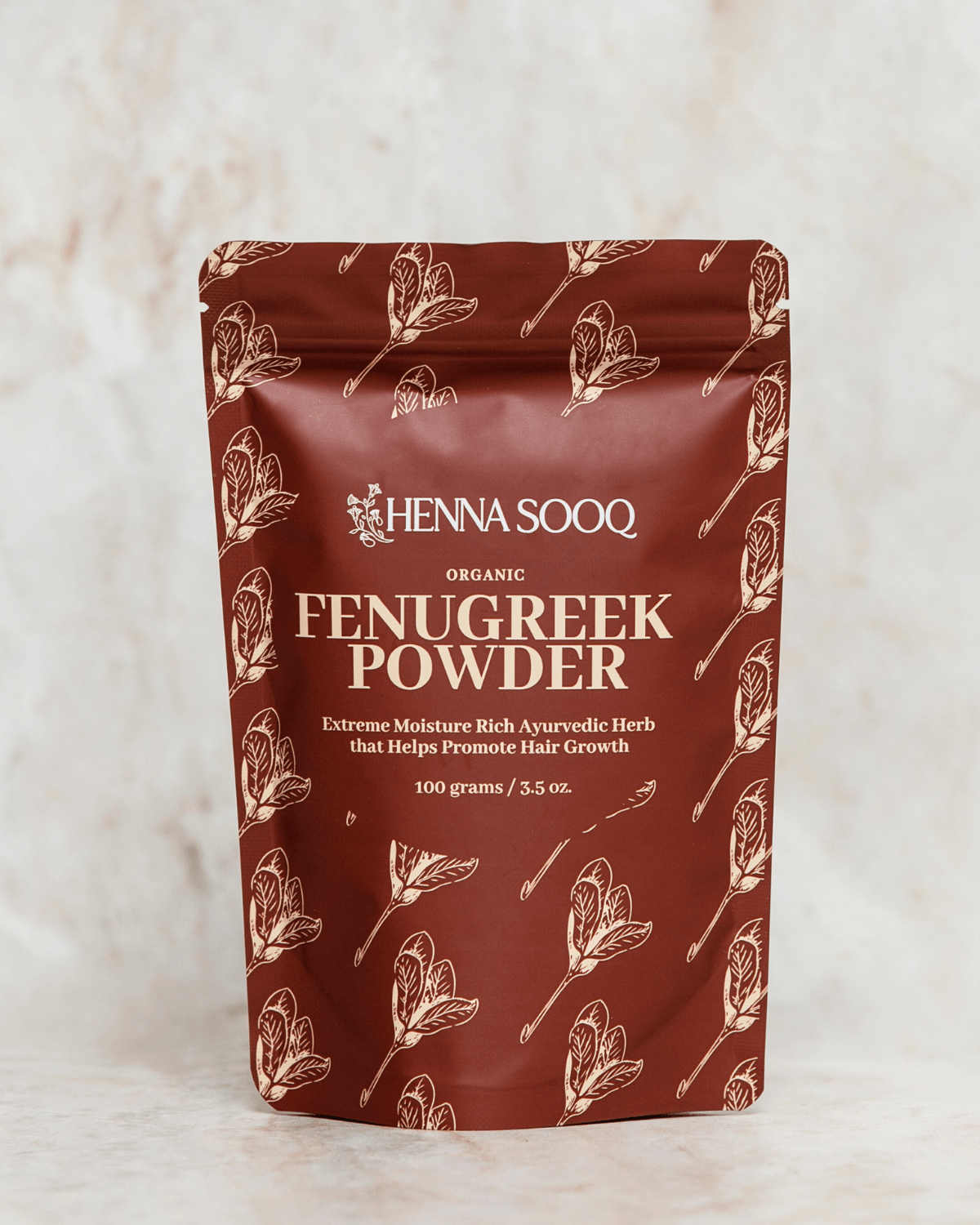
Fenugreek
Fenugreek (also known as methi) is rich in mucilage, which provides natural slip for detangling. It also helps hydrate curls, reduce shedding, and promote a healthier scalp environment. Fenugreek is a moisture-boosting herb that also supports growth, learn how to use fenugreek effectively.
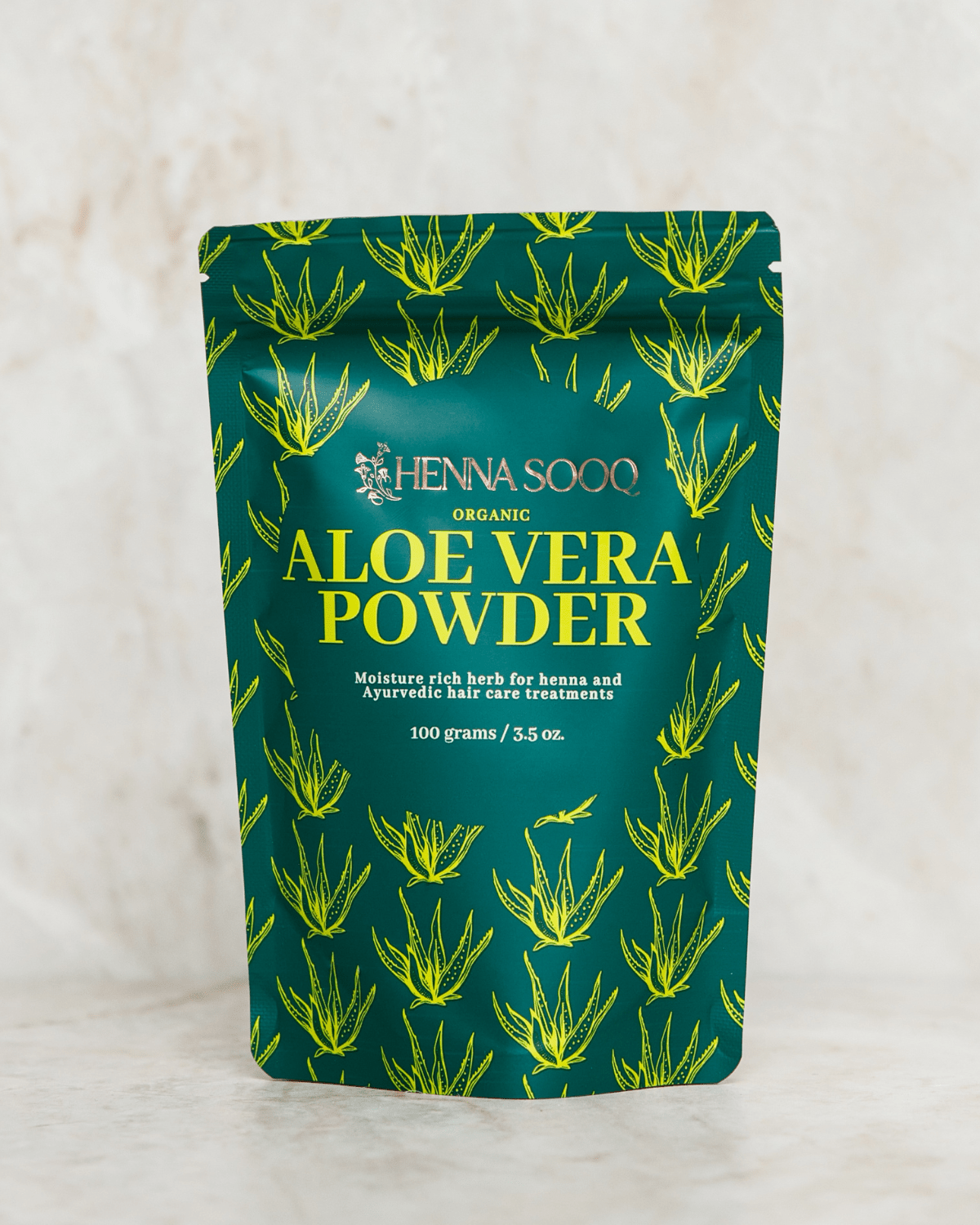
Aloe Vera
Aloe vera deeply hydrates curls, adds slip for detangling, and soothes the scalp. It enhances curl definition, reduces frizz, and supports healthy growth, making it perfect for dry or sensitive hair.
Honey
Honey is a natural humectant that attracts moisture to the hair. It smooths the hair cuticle, softens curls, and helps reduce frizz, making it a great ingredient in deep treatments.
Ayurvedic Botanicals & Essential Oils
Herbs and oils such as rosemary, peppermint, sweet orange, clary sage, and tangerine help support scalp health, stimulate circulation, and gently cleanse without drying out the hair.
These natural ingredients support key aspects of curly hair care, including hydration, definition, scalp balance, and strength. When used consistently, they can help improve the overall health and appearance of your curls, no matter your curl type.
Common Mistakes to Avoid in Curly Hair Care
Even with the best intentions, certain habits can work against your curls rather than for them. Avoiding these common mistakes can improve moisture retention, reduce frizz, and help you get the most out of your curly hair products. Here's what to watch out for:
Using Sulfate-Based Shampoos
Sulfates can strip the natural oils curly hair needs to stay hydrated. Opt for a gentle, sulfate-free curly hair shampoo to maintain moisture and protect your curl pattern.
Skipping Conditioner
Conditioner isn’t optional for curly hair. Skipping it leads to dryness and tangles. Using the best conditioner for curly hair helps with hydration, softness, and curl definition.
Overwashing the Hair
Washing too frequently can cause dryness and frizz. Most curly hair types benefit from cleansing just once or twice a week with a moisturizing shampoo and conditioner for curly hair or a co-wash.
Applying Products on Dry Hair
Curly hair absorbs products best when it’s damp. Applying your hair products for curly hair to soaking-wet strands helps lock in moisture and improves definition.
Not Deep Conditioning Regularly
Neglecting deep conditioning can lead to brittle, frizz-prone curls. Use a hair mask for curly hair weekly to strengthen and moisturize your strands deeply.
Using Too Much Protein or Moisture
An imbalance between protein and moisture can result in dry or limp curls. Pay attention to how your hair reacts and alternate between protein-rich and moisture-rich treatments as needed.
Rough Towel Drying
Using a regular towel can rough up the hair cuticle and cause frizz. Instead, use a microfiber towel or cotton t-shirt to gently blot excess water from your curls. Avoiding rough towel drying is just one of many small changes that make a big impact. Here are more seasonal tips for curly hair care.
Ignoring the Scalp
Healthy curls start at the scalp. Product buildup, dryness, or irritation can affect curl quality. Keep the scalp clean and balanced with gentle, plant-based hair care products for curly hair.
Not Protecting Hair While Sleeping
Leaving your hair unprotected overnight can cause tangles and frizz. Sleep on a satin pillowcase or wear a silk scarf or bonnet to preserve your curls.
Constantly Switching Products
It takes time to see results with new products. Switching too often doesn’t allow your curls to adjust. Stick with a consistent routine using the best curly hair products for your texture and goals.
Avoiding these common mistakes can drastically improve your curly hair care routine. With the right techniques, ingredients, and consistency, your curls can become healthier, more defined, and easier to manage. It’s all about giving your hair what it truly needs and cutting out what it doesn’t.


Shop the Best Products for Curly Hair Now
If you’re ready to take your curly hair care routine to the next level, choosing the right products is where it all begins. From moisture-rich conditioners and gentle co-washes to strengthening treatments and nourishing masks, the right formulas can make all the difference in achieving soft, defined, frizz-free curls.
At Henna Sooq, we offer a carefully selected range of clean, plant-based curly hair products made with your texture and scalp health in mind. Whether you're looking for the best shampoo and conditioner for curly hair, a deep curly hair mask, or natural Ayurvedic treatments like henna for curly hair, you'll find exactly what your curls need to thrive.
Frequently Asked Curly Hair Questions
Does henna damage curly hair?
No, henna does not damage curly hair when used correctly. In fact, it helps strengthen the hair shaft, reduce breakage, and enhance shine. It’s important to use 100% pure henna like Henna Sooq’s Rajasthani Indian Henna Powder and follow up with moisture to maintain curl softness.
Is henna good for curly hair?
Yes, henna is beneficial for curly hair. It improves strength, reduces shedding, and supports overall hair health. When paired with regular hydration like a curly hair mask or deep conditioner for curly hair, it can help curls look and feel more defined and resilient.
Does henna straighten curly hair?
Henna does not chemically straighten curly hair. However, because it strengthens and coats the strands, it may give the appearance of slightly elongated curls, especially in looser curl types. Your natural curl pattern remains intact with proper use.
Does henna loosen hair curls?
Henna may slightly loosen the appearance of curls due to added weight and strength, but it doesn’t alter the curl structure. Curl tightness typically returns after regular washes and conditioning treatments.
How often should I wash curly hair to keep it healthy?
Most curly hair types benefit from washing once or twice a week. Overwashing can lead to dryness, while using a moisturizing curly hair shampoo or co-wash keeps the scalp clean without stripping natural oils.
How can I refresh my curls between washes?
To refresh curls, lightly mist your hair with water or a water-based spray, then reapply a small amount of leave-in conditioner for curly hair or curl cream. This helps revive definition and reduce frizz without needing a full wash.
What’s the best shampoo and conditioner for curly hair?
The best shampoo and conditioner for curly hair should be sulfate-free, hydrating, and gentle on the scalp. Look for products with clean, plant-based ingredients that support moisture retention and work well with your curl pattern.
What type of hair mask is best for curly hair?
A good curly hair mask should be rich in moisture and easy to rinse out without buildup. Masks with ingredients like fenugreek, cassia, or honey help hydrate and soften curls while supporting strength and elasticity.
How do I know which curly hair type I have?
Curl types range from 2A (wavy) to 4C (coily), and are categorized by curl shape, texture, and density. Understanding your curl type helps you choose the best products for curly hair, including shampoos, conditioners, and treatments that support your hair's specific needs.


