




Hair Porosity Test: How to Find Your Porosity Type
Ever notice how your hair can feel dry even after you moisturize it, or how some products seem to disappear into your strands while others just sit on top? That often comes down to hair porosity.
Hair porosity describes how your hair takes in and holds onto moisture. It can affect everything from how quickly your hair gets wet to how long it takes to dry, how products absorb, and how well your hair holds moisture between wash days.
That is why understanding your porosity can be so helpful when building a hair care routine. The three main hair porosity types are low, medium, and high porosity, and each one tends to respond differently to water, oils, conditioners, and styling products.
If you have been wondering what my hair porosity is, there are a few simple ways to get a better idea. In this article, we’ll break down how to test hair porosity, how to read the results, what the different hair porosity levels mean, and what to keep in mind when trying a hair porosity test at home.
What Is Hair Porosity?
Hair porosity refers to your hair’s ability to absorb and retain moisture. It is largely influenced by the condition of the hair’s outer layer, known as the cuticle.
When the cuticle layers lie closely together, it can be harder for water and products to enter the hair. When those layers are more raised or open, moisture may enter more easily but can also escape more quickly.
Hair porosity is generally grouped into three levels:
- Low porosity: Hair tends to resist moisture and may take longer to become fully saturated.
- Medium porosity: Hair usually absorbs and retains moisture at a more balanced rate.
- High porosity: Hair tends to absorb moisture quickly but may also lose it faster.
Your porosity can influence how your hair responds to water, conditioners, oils, and styling products. This is why two people with similar hair types can still have very different results from the same routine.
Understanding your hair porosity gives you a better starting point for choosing techniques and products that work with your hair instead of against it.
Why Hair Porosity Matters for Your Hair Care
Knowing your hair porosity can make it easier to understand why certain products and techniques work well for your hair while others do not. Porosity affects how easily moisture enters the hair and how well that moisture stays there.
For example, low porosity hair may need more time and the right application methods to absorb moisture, while high porosity hair may take in moisture quickly but lose it just as fast. Medium porosity hair tends to fall somewhere in between.
Understanding your porosity can help guide choices like:
- how often you moisturize
- whether you prefer lighter or richer products
- how often you deep condition
- how you layer products
- how you protect your hair from dryness and buildup
It can also help you avoid relying only on curl pattern or other hair types when choosing a routine. Two people can have a similar curl pattern but very different porosity levels, which means their hair may respond differently to the same products.
Instead of treating a hair porosity test as a strict rule, think of it as one useful tool for learning how your hair behaves. Your everyday experience with washing, conditioning, drying, and styling can give you just as much insight when you are trying to understand your hair porosity.
What Are the Different Hair Porosity Types?
Hair porosity is typically described as low, medium, or high. These hair porosity levels reflect how easily moisture moves into the hair and how well it is retained afterward.
Low Porosity Hair
Low porosity hair has cuticles that tend to lie closely together. Because of this, water and products may take longer to absorb.
Common signs can include:
- water sitting on the surface of the hair before soaking in
- products feeling like they sit on top of the strands
- hair taking longer to become fully wet
- buildup developing more easily when too much product is used
Medium Porosity Hair
Medium porosity hair tends to absorb and retain moisture more evenly. Products usually penetrate without too much difficulty, and the hair often responds well to a balanced routine.
Common signs can include:
- hair becoming wet without much resistance
- products absorbing relatively easily
- moisture lasting for a reasonable amount of time
- hair drying at a moderate rate
High Porosity Hair
High porosity hair has a more open or raised cuticle structure, which allows moisture to enter quickly. The downside is that moisture may also leave the hair more easily.
Common signs can include:
- hair absorbing water and products quickly
- strands drying faster
- difficulty keeping hair moisturized
- greater tendency toward dryness, tangling, or frizz
Knowing these hair porosity types can give you a useful starting point, but no single sign should be used on its own to determine hair porosity. Looking at several characteristics together usually gives a clearer picture.


How to Test Hair Porosity at Home
There are several simple ways to check hair porosity at home. No single method is perfect on its own, so it is better to compare a few different observations and look for consistent patterns in how your hair responds to water, products, and drying.Water Test (Float Test)
The water test, sometimes called the float test, is one of the most common methods people use when learning how to test hair porosity. Place a clean, product-free strand of shed hair into a glass of room-temperature water and watch how it behaves for a few minutes.Hair that stays near the surface is often associated with lower porosity, while hair that sinks more quickly may be associated with higher porosity. However, surface tension, natural oils, product residue, and strand thickness can affect the result, so this porosity hair test water method should be treated as one clue rather than a definite answer.
Spray Bottle Test
For the spray bottle test, lightly mist a small section of clean, dry hair with water and watch what happens. Pay attention to whether the droplets sit on the surface or seem to absorb into the strands quickly.If water beads up and takes time to soak in, your hair may lean toward lower porosity. If the water absorbs almost immediately, your hair may be more porous. Medium porosity hair generally absorbs the moisture without either extreme.
Shower Absorption Test
Your regular wash day can also help you determine hair porosity. Notice how quickly your hair becomes fully saturated when you step into the shower and begin wetting it.Hair that takes longer to become thoroughly wet may lean toward lower porosity. Hair that becomes saturated very quickly may lean toward higher porosity. Because hair density and thickness also affect how quickly hair gets wet, compare this observation with other porosity signs.
Drying Time Test
After washing your hair, note approximately how long it takes to dry without using direct heat. Drying time can offer another clue about how easily water enters and leaves the hair.Lower porosity hair may take longer to dry because moisture can be slower to move through the cuticle. Higher porosity hair may dry more quickly because moisture can escape more easily. Hair length, density, thickness, weather, and styling products can also affect drying time, so this test works best alongside other methods.


Product Absorption Test
Pay attention to what happens when you apply conditioner, leave-in products, or other moisturizing products. This everyday observation can be especially useful when trying to understand what your hair porosity may be.
If products tend to sit on the surface or leave your hair feeling coated, your hair may lean toward lower porosity. If products seem to absorb quickly but your hair feels dry again soon afterward, it may lean toward higher porosity. Medium porosity hair often absorbs products at a more balanced rate.
Slip and Slide Test
The slip and slide test involves gently running your fingers along a clean strand of hair, usually from the ends toward the roots, to notice how the strand feels. A smoother strand may suggest that the cuticle layers are lying relatively flat, while a rougher or bumpier feel may indicate a more raised or damaged cuticle.
This test is highly subjective and cannot confirm your hair porosity levels by itself. Texture can also be affected by damage, split ends, product residue, and the natural shape of the strand. Use it together with the other tests and your everyday observations for a more complete picture.
How to Read Your Hair Porosity Test Results
Once you have tried a few at-home methods, look for patterns instead of relying on just one result. A single hair porosity test can be influenced by buildup, strand thickness, hair density, damage, or how recently your hair was washed.
Signs of Low Porosity Hair
Your hair may lean toward low porosity if water tends to bead on the surface, products take longer to absorb, and your strands take more time to become fully saturated.
You may also notice that heavier products sit on the hair or lead to buildup more easily. If several of your observations point in this direction, your hair may fall on the lower end of the hair porosity levels.
Signs of Medium Porosity Hair
Medium porosity hair usually absorbs water and products at a moderate rate. It tends to become wet without much resistance and often holds moisture without drying out unusually fast.
If your hair does not strongly match either the low or high porosity signs, it may fall somewhere in the middle. Medium porosity can still vary from person to person, so focus on how your own hair responds over time.
Signs of High Porosity Hair
Your hair may lean toward high porosity if it absorbs water very quickly, dries relatively fast, and seems to lose moisture soon after products are applied.
High porosity can also be associated with a more raised or damaged cuticle, especially in hair that has experienced frequent heat styling, bleaching, chemical processing, or environmental wear. Understanding the common causes of damaged hair can also help explain why porosity may change over time.
What If Your Results Are Mixed?
Mixed results are common. Different parts of your hair can behave differently, especially when the ends are older or more damaged than the roots.
If one test suggests low porosity and another suggests high porosity, do not force your hair into one category. Instead, keep observing how it responds to water, products, drying, and styling. Those everyday patterns are often more useful than a single porosity test for hair.
Can Your Hair Porosity Change Over Time?
Yes, hair porosity can change over time, especially as the condition of the hair changes. New growth may behave differently from older lengths because the ends of your hair have been exposed to more washing, styling, friction, heat, and environmental wear.
Chemical treatments such as bleaching, coloring, relaxing, or perming can also make hair more porous by altering or damaging the cuticle. Frequent high-heat styling and mechanical damage may have a similar effect, which is why some people notice that their ends absorb water and products differently from their roots.
If damage has become part of the picture, learning how to repair and strengthen natural hair can help you build a more supportive routine.
Porosity can also vary across different sections of the same head of hair. For example, your roots may show signs of lower or medium porosity while older or more processed ends behave more like high porosity hair.
Because of this, it can be helpful to check hair porosity again if your hair has gone through major changes. Rather than treating your porosity type as permanent, pay attention to how your hair responds to moisture, products, and styling over time.
Hair Porosity vs. Hair Type: What’s the Difference?
Hair porosity and hair type describe two different things. Your hair type usually refers to the shape or pattern of your strands, while hair porosity describes how your hair absorbs and retains moisture.
| Hair Porosity | Hair Type |
|---|---|
| Describes how easily hair absorbs and holds moisture | Describes the natural shape or pattern of the hair |
| Commonly grouped into low, medium, and high porosity | Commonly grouped into straight, wavy, curly, and coily patterns |
| Influenced by the condition of the hair cuticle | Influenced largely by the natural shape of the hair strand and follicle |
| Can vary between different sections of your hair | Usually remains relatively consistent unless the hair is chemically or physically altered |
| Can change over time as hair becomes damaged or processed | Does not directly tell you how well your hair absorbs moisture |
| Helps guide choices around moisture, product weight, and conditioning | Helps guide styling techniques and products suited to the hair’s pattern |
Two people can have the same hair type but very different porosity levels. For example, two people with curly hair may find that one person’s hair absorbs products immediately while the other experiences product sitting on the surface.
That is why it is useful to consider both hair type and hair porosity when building a routine. For example, someone with curls may also want to consider curl-specific hair care tips alongside how quickly their strands absorb and retain moisture.
How to Care for Your Hair Based on Porosity Type
Once you have a better idea of your hair porosity, you can adjust your routine based on how easily your hair absorbs and holds moisture. The goal is not to follow rigid rules, but to use your porosity as a guide and pay attention to how your hair responds.
Low Porosity Hair
Low porosity hair may have more difficulty taking in water and products, so lightweight formulas and careful product layering can be helpful. Applying products to damp hair and avoiding excessive buildup may make moisture easier to manage.
Clarifying when buildup becomes noticeable can also be useful, especially when your routine includes several oils or styling products. Understanding how to choose a hair oil for your hair type can also make it easier to avoid using formulas that feel unnecessarily heavy.
Medium Porosity Hair
Medium porosity hair generally absorbs and retains moisture at a fairly balanced rate. A simple routine with regular cleansing, conditioning, and moisturizing is often enough to maintain that balance.
Because medium porosity hair can still become dry or damaged over time, pay attention to changes in how your hair feels. Heat, chemical processing, and everyday wear can affect porosity, so adjust your routine when your hair’s needs change.
High Porosity Hair
High porosity hair tends to absorb moisture quickly but may lose it just as easily. Conditioning regularly and using products that help reduce moisture loss can be especially important. A hair mask for damaged or moisture-depleted hair may also be worth considering when your strands need additional conditioning support.
Gentle handling also matters because high porosity can be associated with cuticle damage. Limiting unnecessary heat and chemical stress, reducing friction, and keeping the hair conditioned can help support hair that feels dry, rough, or prone to tangling.
No matter where you fall among the different hair porosity types, your routine should ultimately be based on how your hair feels and behaves. Use porosity as a starting point, then adjust products and techniques based on the results you actually see.
Common Hair Porosity Test Mistakes to Avoid
At-home porosity checks can be helpful, but the results are easy to misread when you rely too heavily on one test. Your hair’s condition, buildup, density, strand thickness, and recent styling can all influence what you observe.
Relying on Only One Test
A single hair porosity test should not be treated as a final answer. For example, the float test can be affected by residue, natural oils, and surface tension, while drying time can vary depending on hair density and the environment.
Instead, compare several signs. Look at how quickly your hair gets wet, how products absorb, how long your hair stays moisturized, and how it behaves over multiple wash days.
Testing Hair With Product Buildup
Heavy oils, conditioners, stylers, or other residue can affect how water interacts with the strand. This can make it harder to accurately check hair porosity.
If you are trying a hair porosity test at home, use clean hair without heavy product buildup whenever possible. This gives you a better chance of observing how the hair itself responds.
Assuming Floating or Sinking Gives a Definite Answer
The popular water test is often presented as a simple way to determine hair porosity, but the result should be interpreted carefully. A strand floating does not automatically prove low porosity, and a sinking strand does not automatically confirm high porosity.
Use the water test as one observation rather than a diagnosis. Comparing it with other porosity clues will give you a more useful picture.
Ignoring Differences Between Your Roots and Ends
Your entire head of hair may not have the same porosity. Older ends may be more weathered or damaged than newer growth, especially if the hair has been exposed to heat, coloring, or chemical treatments.
When evaluating your hair porosity levels, pay attention to several sections of your hair. You may need to care for your roots and ends a little differently if they do not behave the same way.
Confusing Dry Hair With High Porosity
Dryness alone does not automatically mean your hair is high porosity. Hair can feel dry for many reasons, including product choice, buildup, environmental conditions, and your current routine, so it can be helpful to look at dry hair care more broadly before assuming porosity is the cause.
Look for a combination of signs before deciding where your hair falls among the different hair porosity types. Porosity is only one part of understanding what your hair needs.
Treating Your Porosity Type as Permanent
Hair porosity can change as the hair becomes older, damaged, chemically processed, or exposed to repeated heat and friction. That means a result you noticed months or years ago may not always reflect how your hair behaves now.
If you notice a major change in absorption, drying time, or moisture retention, it may be worth reassessing your hair instead of continuing to follow the same routine automatically.

Start Building Your Porosity-Friendly Routine
Now that you have a better idea of your hair porosity, use it to build a routine that fits the way your hair actually behaves.
Choose products and techniques based on how well your hair absorbs moisture, how quickly it dries, and how long it stays moisturized. Your porosity can help point you in the right direction, but your hair’s day-to-day response should always guide the final choice.
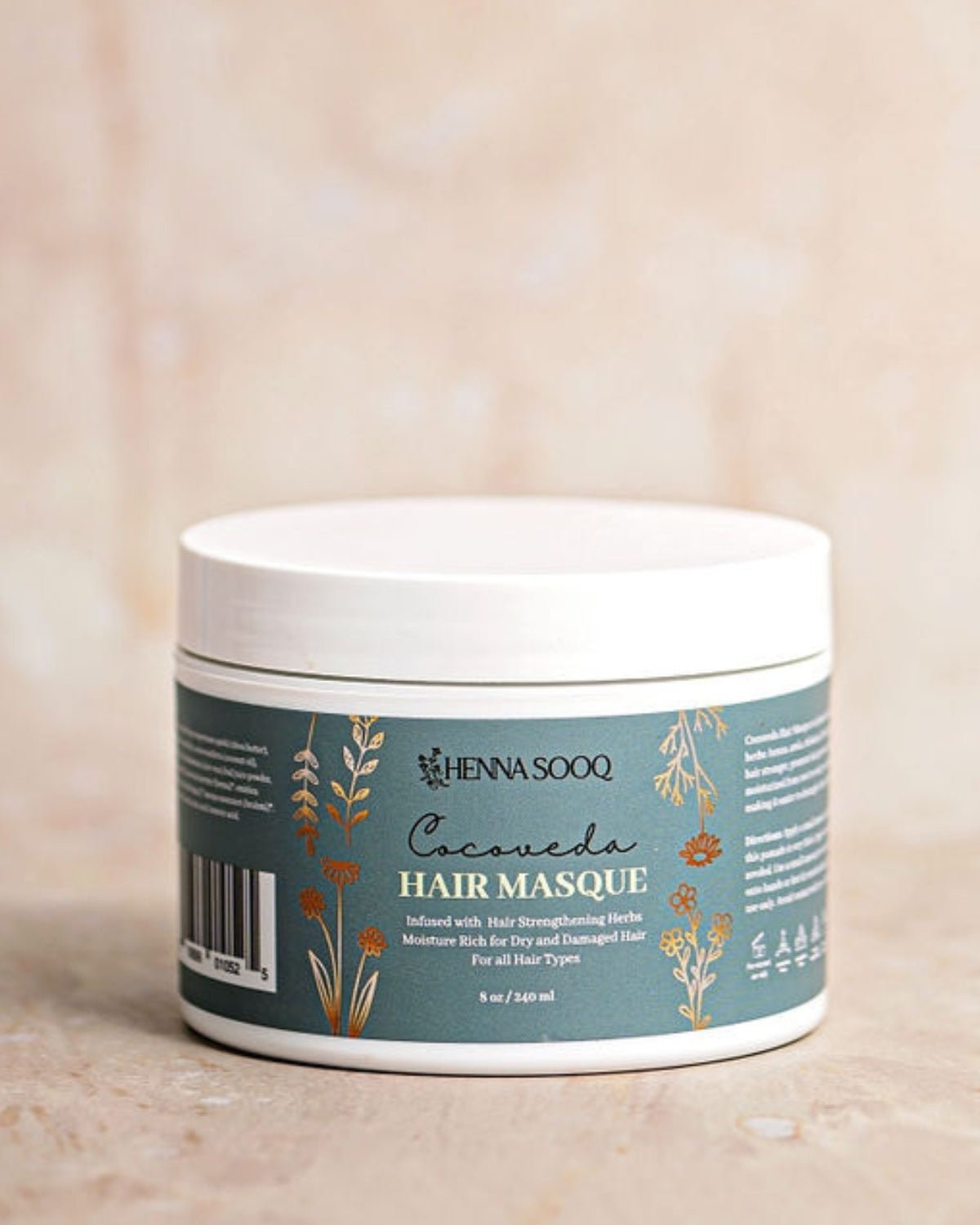
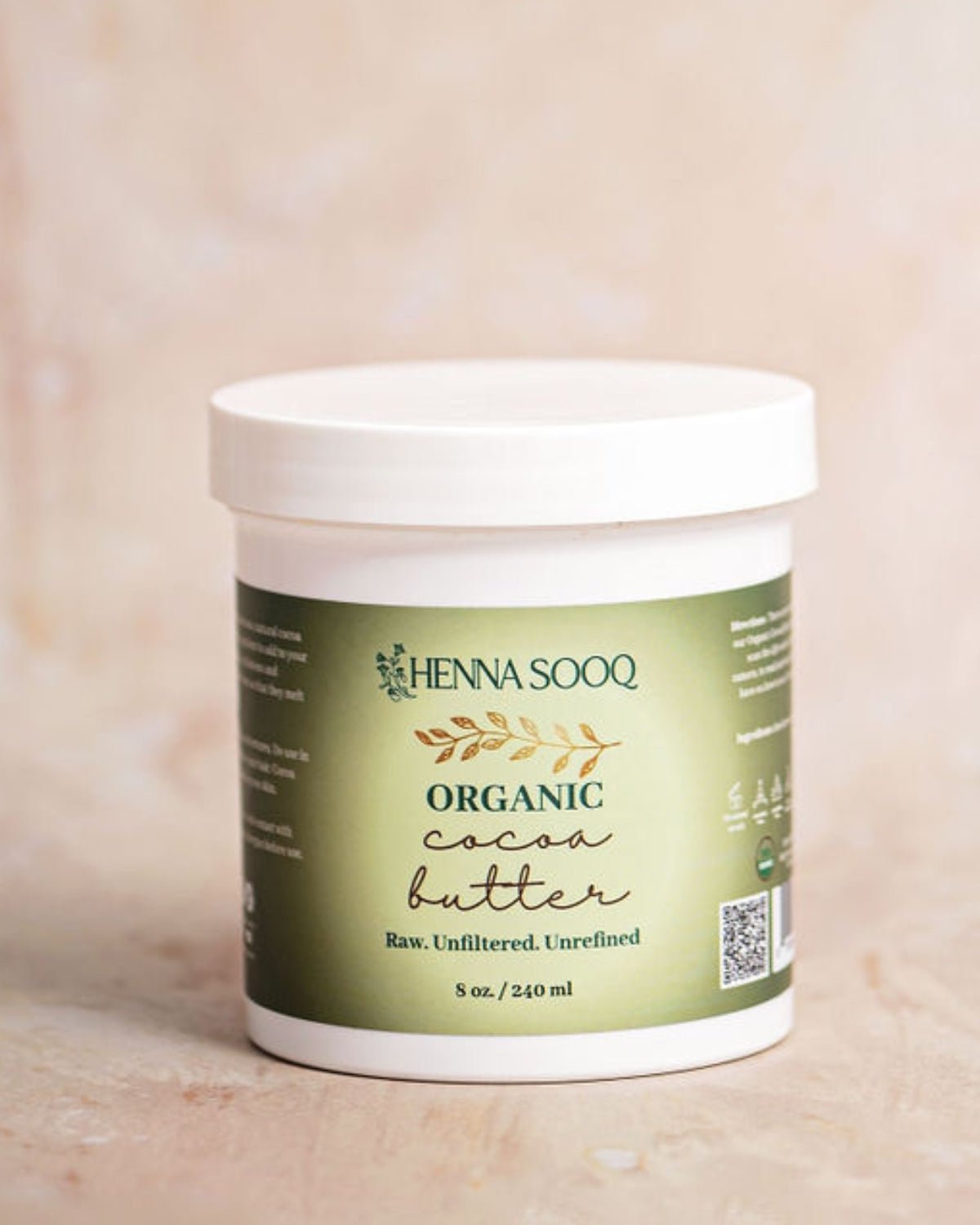
Ready to put your results to use? Explore Henna Sooq hair care options and build a routine around your hair’s current needs, from cleansing and conditioning to moisture support and styling.
FAQs About Hair Porosity and Hair Types
Is the hair porosity water test accurate?
The water or float test is a popular at-home method, but it should not be treated as a completely accurate way to determine hair porosity. Product residue, natural oils, strand thickness, and the way the hair interacts with the surface of the water can all influence whether it floats or sinks.
It is better to use the water test alongside other observations, such as how quickly your hair becomes wet, absorbs products, dries, and retains moisture. Looking at several signs together can give you a more useful picture of your hair porosity.
Can you have more than one hair porosity type?
Yes. Porosity can vary across different areas of your hair. Newer growth near the roots may behave differently from older ends that have experienced more heat, coloring, styling, friction, or general wear.
This means you may notice one section absorbing moisture more slowly while another dries out much faster. Instead of forcing all of your hair into one category, pay attention to the needs of different sections.
Can hair porosity change over time?
Yes. Hair porosity can change as the condition of your hair changes. Heat styling, chemical processing, coloring, bleaching, and everyday damage can affect the cuticle and make hair more porous over time.
Because of this, your current porosity may not always match how your hair behaved in the past. If you notice major changes in moisture absorption, drying time, or product performance, it can be useful to reassess your hair.
Does damaged hair have high porosity?
Damaged hair can become more porous, particularly when the cuticle has been affected by heat, chemical treatments, or over-processing. High porosity hair often absorbs moisture quickly but can also lose it quickly.
However, dryness or damage alone does not automatically mean your hair is high porosity. Look at several characteristics, including moisture absorption, drying time, product absorption, and how well your hair retains moisture.
Can product buildup affect a hair porosity test?
Yes. Product buildup can interfere with how water interacts with the surface of your hair. Oils, conditioners, creams, and styling products may coat the strand and make it appear more resistant to water than it normally is.
For an at-home porosity check, it is best to observe clean hair without heavy product residue. This is especially important when trying the water test, which recommends using a clean, product-free strand.
How often should you test your hair porosity?
There is no set schedule for testing hair porosity. You do not need to perform a porosity test every wash day or every few weeks if your hair is behaving consistently.
Consider reassessing your porosity when you notice significant changes in how your hair absorbs water, holds moisture, dries, or responds to products. It can also be useful after repeated heat styling, chemical processing, or other changes that may affect the condition of the hair.
Is hair porosity actually important or is it just a trend?
Hair porosity is a useful concept because it describes how hair absorbs and retains moisture. Understanding this can help explain why two people with similar curl patterns or hair types may respond very differently to the same products.
At the same time, porosity should not become a rigid rule for choosing every product in your routine. Consider it alongside your hair texture, density, condition, styling habits, and how your hair actually responds from one wash day to the next.


