




Henna Hair Color Chart: How to Choose Your Perfect Natural Shade
Choosing the right henna shade starts with one simple truth: your natural hair color matters. Henna doesn’t work like box dye. It won’t lighten dark hair or create the same result on everyone. Instead, it works with the color you already have, which is why a henna hair color chart is so helpful.
A henna hair chart shows how plant-based color may look on different starting shades, from greys and blondes to browns and black hair. It also helps you understand when henna alone is enough, and when herbs like indigo, cassia, or amla may be used to create softer, deeper, or darker results.
In this article, we’ll walk through how henna color works, how to use a natural hair color chart, and how to choose the shade that best fits your hair goals before you mix your color.
What Is a Henna Hair Color Chart?
A henna hair color chart is a simple guide that helps you understand how henna may look on different hair colors. Since henna works with your natural shade instead of lightening it, the final result can look different from person to person.
For example, henna may appear brighter and more coppery on lighter hair or greys, while darker hair may show more subtle red, auburn, or warm undertones. This is why a color chart for hair is helpful before choosing a plant-based shade.
A henna chart can also show when henna is used alone and when it may be paired with other plant powders. Indigo is often used with henna for brown to black tones, while cassia is used in lighter blonde blends, and amla may be added to henna-based mixes depending on the color goal.
Think of it less like a traditional hair dye chart and more like a shade expectation guide. It helps you compare your starting color, understand the possible result, and decide whether henna alone or a henna-based blend is the better choice for your hair goals.
Henna is more than a coloring method; this video captures the deeper story behind plant-based hair care and why it resonates with so many people.
How Henna Hair Color Works Differently Than Box Dye
Henna hair color and box dye do not work the same way, so they should not be compared like exact matches on a traditional hair dye chart. If you're new to plant-based color altogether, learning how to color hair using natural hair dyes is a good place to get grounded first. Traditional dye charts often show target shades, while henna works with your natural starting shade to create a personalized result.
| Factor | Box Dye | Henna Hair Color |
|---|---|---|
| How it changes color | Often designed to change the hair’s current color more directly | Works with your existing hair color instead of creating the same result on everyone |
| Lightening ability | Some formulas may lighten hair | Does not lift or lighten natural hair color |
| Color results | Usually follows a more exact hair dye color chart | Results vary based on starting shade, greys, porosity, and previous color |
| Shade range | Can include many different hair dye colors | Commonly creates warm copper, red, auburn, and deeper tones depending on the base color |
| Effect on lighter hair or greys | Can create a more predictable result depending on the dye formula | May look brighter, warmer, or more coppery |
| Effect on brown hair | Can shift the shade more dramatically depending on the formula | May create richer auburn, red, or warm brown tones |
| Effect on black hair | May show a more noticeable change if a lightener is involved | Often appears as red or warm undertones in certain lighting |
| How to choose a shade | A regular hair dye chart may help choose an exact target shade | A henna hair color chart helps set realistic expectations based on your starting color |
| Blending with other herbs | Usually not part of the box dye process | Can be blended with indigo, cassia, or amla to influence the final shade |
That’s why a henna chart is best used as a shade expectation guide, not a promise of one exact result. Before choosing your color, look at your current hair shade first, then choose the henna blend that best fits the color family you want.
Seeing a natural brown result come together from start to finish helps illustrate how differently henna behaves compared to conventional box dye.
What Colors Can You Get With Henna Hair Dye?
Henna hair color is all about your starting shade. Unlike a standard hair dye color chart, henna does not create the same result on every head of hair. And understanding why henna hair dyes are not all the same helps set realistic expectations before you choose your shade. It works with your natural color, which is why a natural hair color chart helps set realistic expectations before you choose your mix.
| Starting Hair Color | Henna Alone May Look Like | With Other Plant Powders |
|---|---|---|
| Grey or white hair | Bright copper, orange-red, or warm red tones | Indigo can help create brown to black tones when used with henna |
| Blonde or light hair | Copper, strawberry blonde, or brighter red tones | Cassia may be used in blonde blends, while indigo can deepen results when paired with henna |
| Light brown hair | Warm copper, auburn, or reddish brown | Indigo can help create brown or darker brunette tones |
| Medium brown hair | Auburn, warm red, or richer brown-red tones | Indigo can deepen the color into brown, dark brown, or dark chocolate brown |
| Dark brown hair | Subtle red, auburn, or warm undertones | Indigo can help create deeper dark brown results |
| Black hair | Subtle red tones that may show more in sunlight | Henna, followed by indigo, is used for black hair color results |
A henna hair color chart is not meant to promise one exact shade. It is a guide that helps you understand the range of possible results based on your current color, greys, and the plant powders used.
In general, henna alone stays in the warm red, copper, and auburn family. For brown, dark brown, dark chocolate brown, or black results, henna is typically paired with indigo. Cassia is used in lighter blonde blends, while amla can be used with henna mixes when the goal is to influence the final tone.
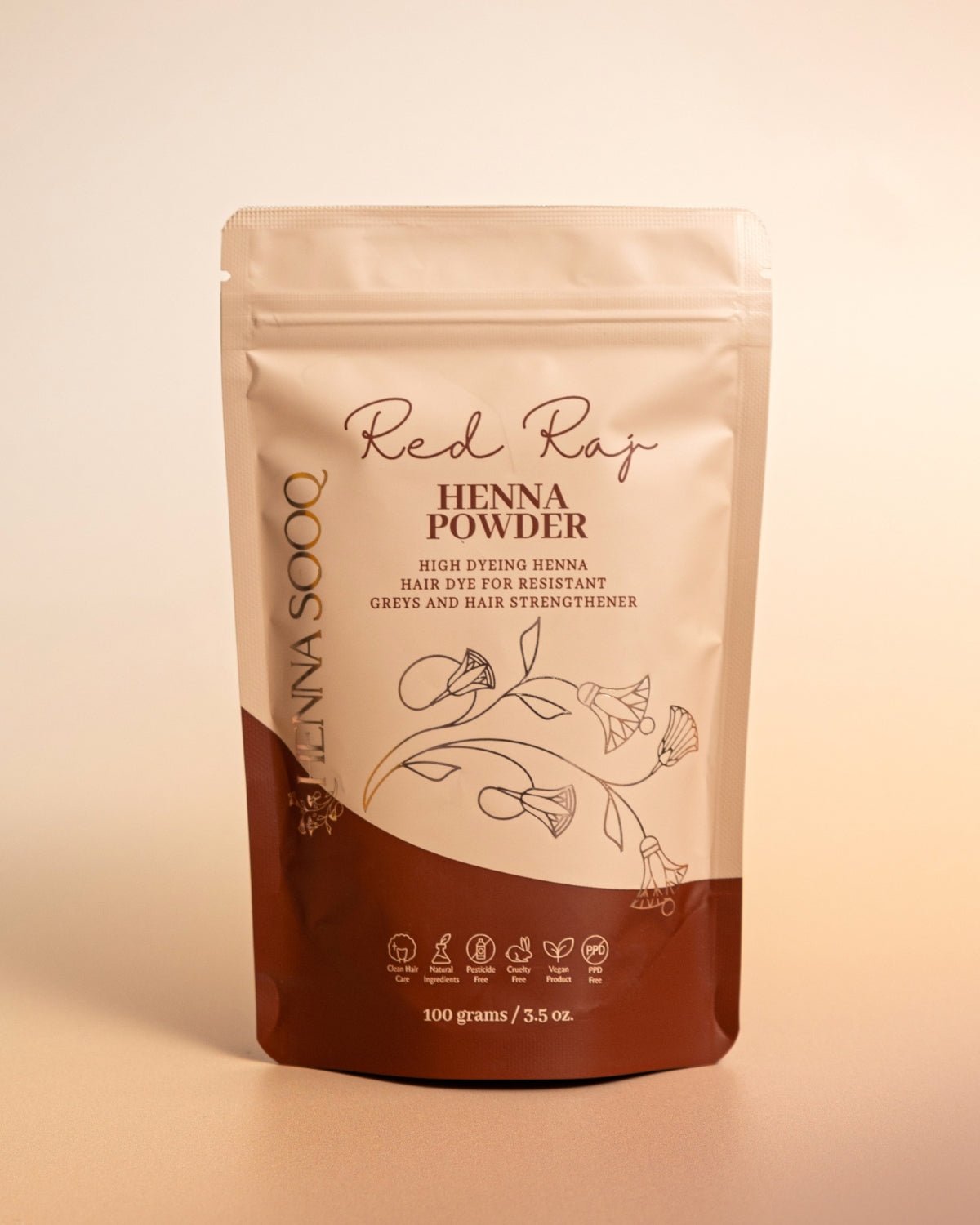
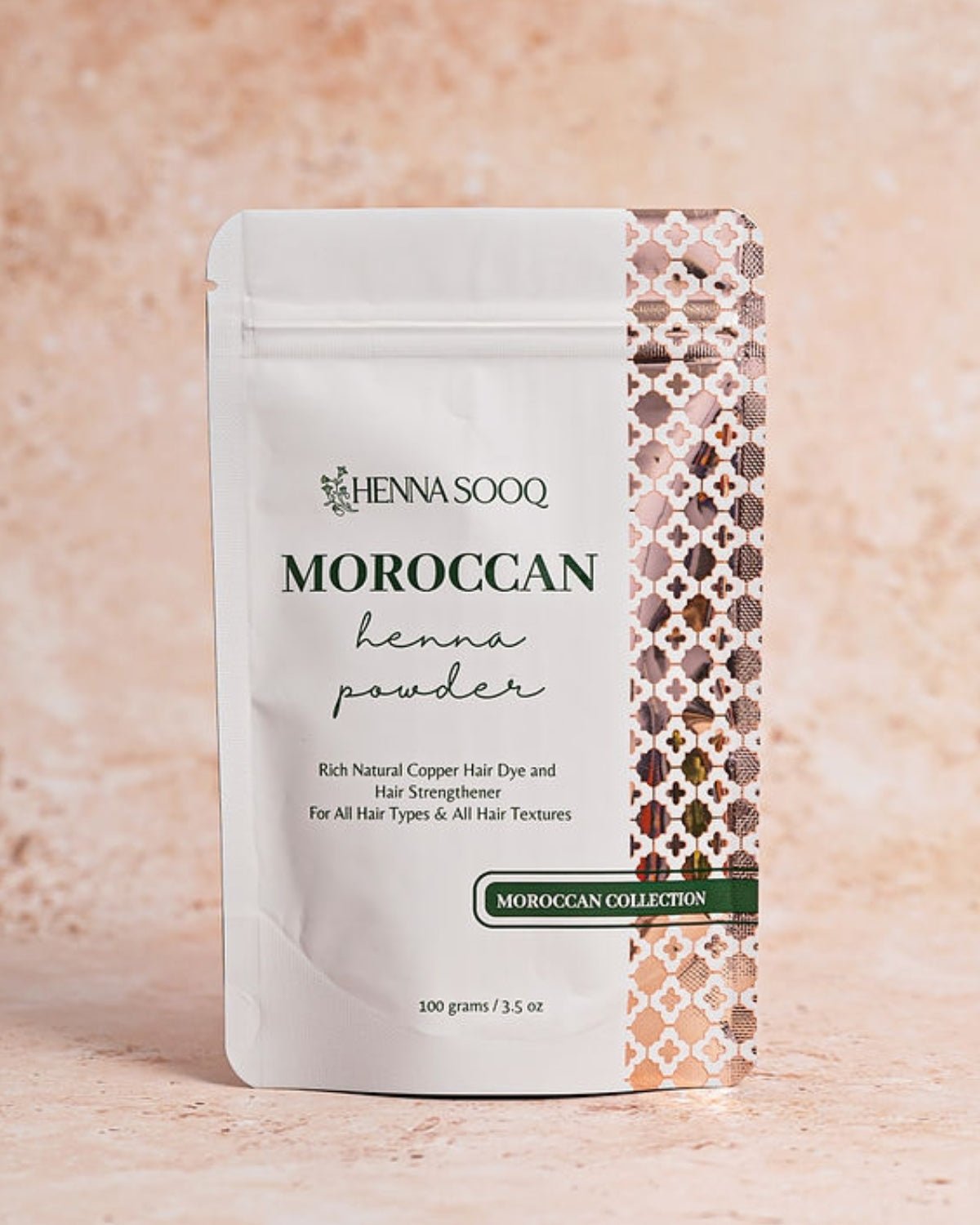


Henna Hair Color Chart: How to Choose Your Perfect Natural Shade
Choosing your perfect henna shade starts with looking at the hair color you already have. Henna does not lighten hair, so your starting color plays a big role in the final result. A henna hair color chart helps you compare your current shade with the natural color family you want, whether that is copper, red, auburn, brown, dark brown, black, or a softer blonde blend.The most important thing to remember is that henna is not one-size-fits-all. A shade that looks bright copper on grey hair may look like a warm red tone on brown hair and a subtle highlight on black hair. That is why the best henna hair color is the one that works with your starting shade, not against it.
If You Want Blonde or Golden Tones
Choose cassia-based blends if your goal is a softer golden tone on grey or blonde hair. Cassia does not usually show color on darker hair, but it can give a light golden tone on grey and blonde hair. When mixed with henna, cassia can help create shades like strawberry blonde and rich copper.This makes cassia helpful when you want a lighter-looking plant-based result without moving into deep red or brunette tones.
If You Want Brown Hair Color
Choose henna with indigo if your goal is brown hair color. Henna creates the warm base, and indigo helps deepen the result into brown tones. Henna and indigo can be used together for reddish brown, brown, and dark brown results, depending on the mix.For a softer brown, the mix usually leans more balanced. For a deeper brunette result, the mix usually includes more indigo.
If You Want Dark Brown or Dark Chocolate Brown
Choose a henna and indigo blend with more indigo if your goal is dark brown or dark chocolate brown. Dark chocolate brown is typically achieved with about 3 parts indigo to 1 part henna, or 70% indigo and 30% henna. Color results can still vary depending on your natural hair color.This is a good option when you want a deeper brunette shade without going fully black.
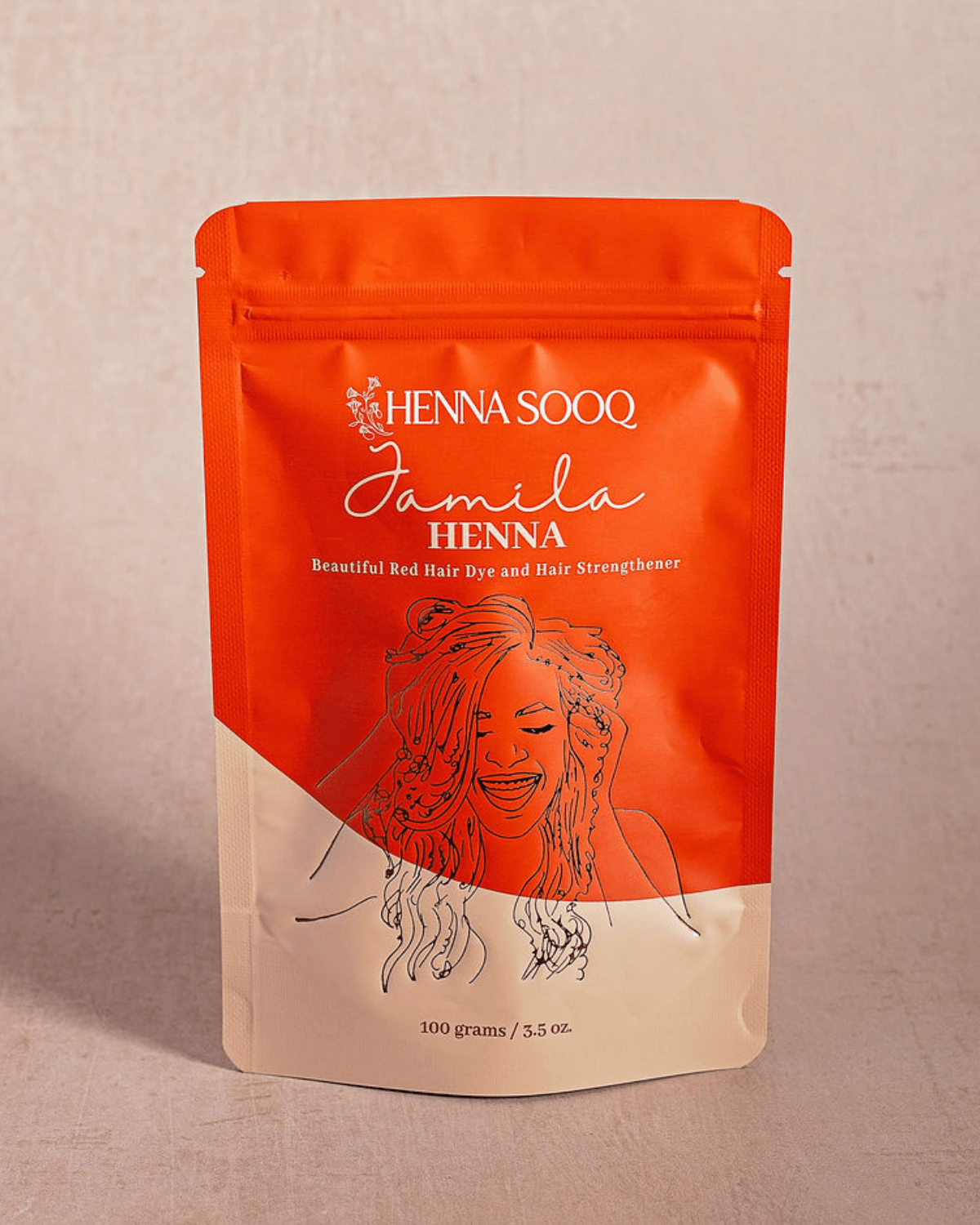
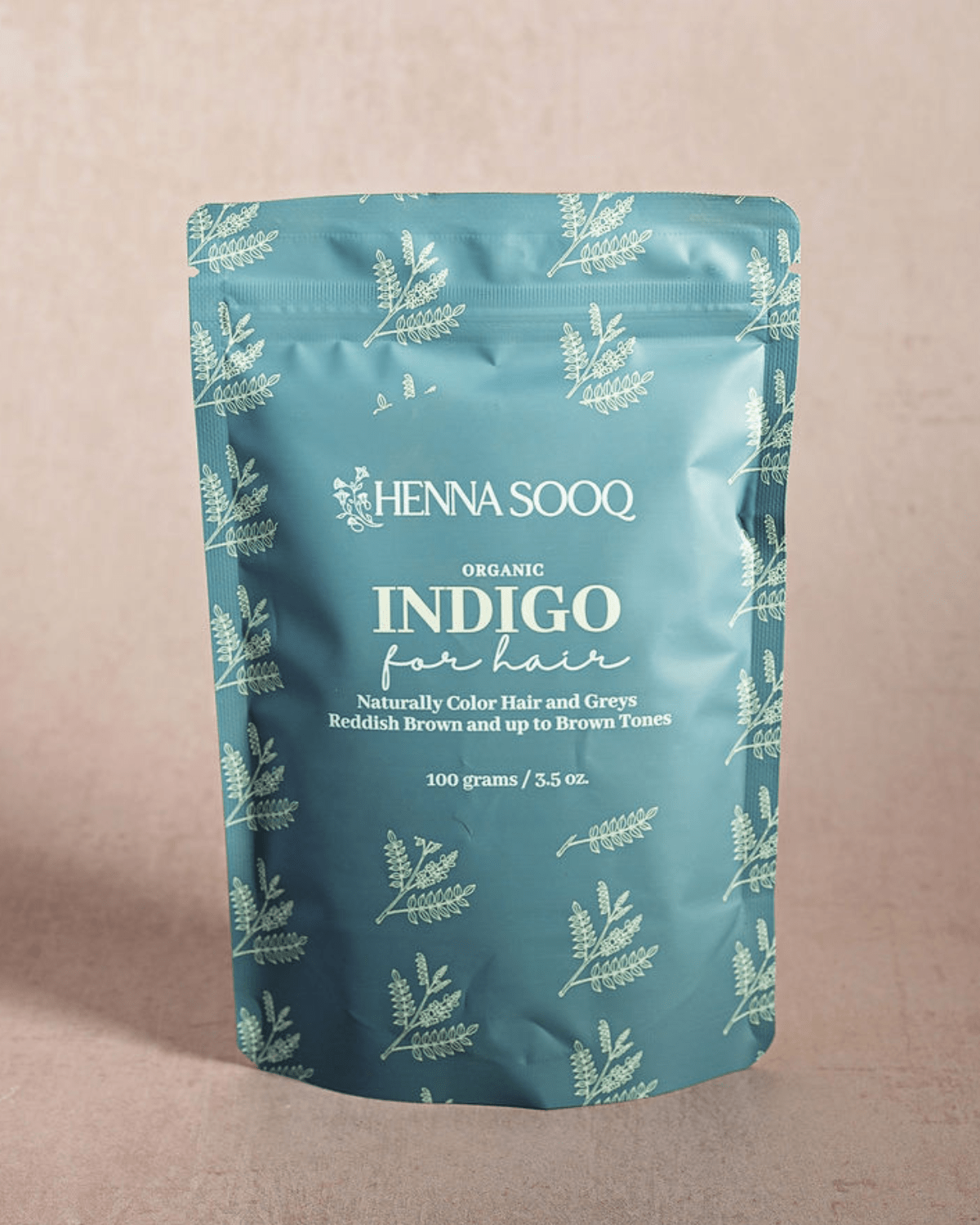
If You Want Black Hair Color
Choose a two-step henna and indigo method if your goal is black hair color. For black results, henna is applied first, then indigo is applied afterward. Indigo is used to naturally dye hair brown to black when used with henna.
This method matters because henna creates the base first, and indigo builds the darker finish in the second step.
If You Want Copper or Red Tones
Henna naturally lives in the warm color family, so it is a great fit when you want visible warmth, especially on grey, blonde, light brown, or medium brown hair. For tips specific to red results, red henna hair dye tips cover what to expect and how to get the most from your application.
On lighter hair, henna can appear brighter and more coppery. On darker hair, it may show as red or auburn undertones, especially in natural light.
For anyone looking to deepen or intensify their copper result, this video shows how hibiscus powder can naturally amplify warm red tones.
If You Want Grey Coverage
Choose your shade based on the result you want your greys to become. Henna alone can make greys look brighter, copper, or red. Henna with indigo can move greys into brown, dark brown, or black results, depending on the method and mix.
Greys can also be more resistant, so your result may not be perfect after one application. A strand test is the easiest way to preview how your greys may respond before applying your full mix. For more on working with resistant greys specifically, stubborn greys and black hair: how to make indigo work for resistant hair, walks through common challenges.
Quick Shade Guide
| Your Goal | Best Plant-Based Direction | What to Expect |
|---|---|---|
| Copper | Henna | Warm copper or red tones, especially visible on lighter hair and greys |
| Red or auburn | Henna | Rich warm red tones, more subtle on darker hair |
| Strawberry blonde | Cassia + henna | Softer, warm blonde-copper result on lighter hair |
| Brown | Henna + indigo | Natural-looking brown tones based on the ratio |
| Dark brown | More indigo + henna | Deeper brunette result |
| Dark chocolate brown | 70% indigo + 30% henna | Rich dark brown result, depending on starting shade |
| Black | Henna first, then indigo | Best approach for black results |
| Grey coverage | Henna alone or henna + indigo | Choose henna for copper/red, or henna + indigo for brown to black |
A natural hair color chart is most helpful when you use it as a guide, not a guarantee. Start with your current color, choose the plant powder or blend that matches your shade goal, and always strand test before applying your full color. That way, your henna hair color feels less like a guessing game and more like a plan.
How to Use the Henna Hair Color Chart
A henna hair color chart is easiest to use when you start with your current hair color, not your dream color. Since henna works with the shade you already have, your starting point helps you choose the most realistic path to your final result.
Step 1: Find Your Starting Shade
Look at your hair in natural light and decide which color family it falls into: grey, blonde, light brown, medium brown, dark brown, or black. This matters because henna will look brighter on lighter hair and more subtle on darker hair.
Step 2: Choose Your Shade Goal
Next, decide what result you want. If you want copper, red, or auburn, henna alone may be the right direction. If you want brown, dark brown, or black, you’ll usually need henna with indigo.
Step 3: Match the Right Plant Powder
Use the chart to see which plant powder or blend supports your goal. Henna creates warm red-orange tones, indigo helps deepen results into brown and black, cassia is used in lighter blonde blends, and amla can be added when you want to influence the final tone.
Step 4: Check Your Grey Percentage
Greys can affect the final color because they often show plant-based dye more brightly than darker strands. If you have a lot of grey, your result may look warmer or brighter at first, especially with henna alone. For a full walkthrough of the grey coverage process, cover grey hair naturally is worth reading before you mix.
Step 5: Strand Test First
Before applying color to your full head, test your mix on a small section of hair. A strand test helps you see how your hair responds, whether the shade is close to your goal, and whether you need to adjust your mix or method.
Step 6: Adjust if Needed
If the result is too warm, you may need a different blend or more indigo in your mix. If it is too dark, choose a lighter plant-based direction next time. Small adjustments are normal because henna color depends on your natural shade, greys, and hair history.
Using a color guide for hair this way helps you choose with more confidence. Instead of guessing from a picture, you’re matching your starting shade, your goal color, and the plant-based blend that best supports the result you want.
Hair Color Level Chart: Why Your Starting Shade Matters
A hair color level chart helps show how light or dark your hair is before you apply color. Traditional hair color levels usually move from very dark shades to very light shades, but with henna, the main thing to remember is simple: your starting shade affects how visible your final color will be.
Henna does not lighten hair, so it cannot take dark brown or black hair to blonde, copper, or light red. Instead, it adds plant-based color over your existing shade. That means lighter hair usually shows henna more brightly, while darker hair may show softer red, auburn, or warm undertones.
| Starting Hair Shade | How Henna May Show Up | What to Keep in Mind |
|---|---|---|
| Grey or white hair | Bright copper, orange-red, or warm red tones | Greys may show henna more vividly and may need a blend or repeated applications, depending on the goal |
| Blonde or light hair | Copper, strawberry blonde, or brighter red tones | Results can look more noticeable because the base is lighter |
| Light brown hair | Warm copper, auburn, or reddish brown tones | Henna can create visible warmth and red tones |
| Medium brown hair | Auburn, red-brown, or warm brown tones | Results may look richer but less bright than on lighter hair |
| Dark brown hair | Subtle auburn, red, or warm undertones | Henna may be more noticeable in sunlight or bright lighting |
| Black hair | Very subtle red or warm undertones | Henna will not lighten black hair, so the result is usually more subtle |
This is why a natural hair color chart is more helpful for henna than choosing a shade from a box dye swatch. With henna, your starting level sets the stage. Once you know where your hair begins, it becomes much easier to choose whether henna alone, henna with indigo, or a lighter cassia-based blend makes the most sense for your color goal.
How Henna, Indigo, Cassia, and Amla Affect Hair Color Results
Plant-based hair color is customizable because each powder plays a different role. Henna is the base for warm color, while indigo, cassia, and amla can help shift the final result depending on your starting shade and color goal.
| Plant Powder | What It Does for Hair Color | Best Used For |
|---|---|---|
| Henna | Adds warm copper, red, and auburn tones. It does not lighten hair, so the result depends on your starting shade. | Copper, red, auburn, and as the base for brown to black blends |
| Indigo | Deepens henna’s warm base into brown, dark brown, dark chocolate brown, or black tones. | Brown, dark brown, and black results when used with henna |
| Cassia | Often used in lighter blonde blends and with henna for softer golden or strawberry blonde tones on lighter hair | Blonde, golden, strawberry blonde, and lighter warm results |
| Amla | Can be added to henna mixes when you want to influence the final tone and support darker-looking results. | Softening bright red tones or supporting deeper brunette blends |
Henna Creates the Warm Base
Henna is the starting point for most natural hair color blends. On lighter hair or greys, it can look brighter and more coppery. On brown or black hair, it may appear as warmer red or auburn tones, especially in natural light.
Indigo Deepens Henna Into Brown and Black
Indigo is used with henna when the goal is brown, dark brown, dark chocolate brown, or black hair. For brown tones, henna and indigo are usually mixed. For black hair color, henna is applied first, then indigo is applied afterward, a process covered in depth in this complete guide to coloring hair with henna and indigo.
Cassia Supports Lighter Shade Goals
Cassia is often used when the goal is a lighter plant-based shade, especially on blonde, grey, or lighter hair. It can be used in blonde blends or combined with henna for softer, warm tones like strawberry blonde.
Amla Can Influence the Final Tone
Amla is often used in henna mixes when the goal is to adjust the final shade. Amla may be added to henna-based mixes depending on the desired tone, especially when creating a more customized herbal color blend.
The best way to choose from these types of hair color is to start with your current shade and then decide what direction you want to go. Henna brings warmth, indigo adds depth, cassia can add light golden tones to grey or blonde hair, and amla may be used in customized herbal mixes.
Common Mistakes When Choosing Henna Hair Color
Choosing henna hair color is easier when you know what to expect, but a few common mistakes can lead to results that feel too bright, too dark, or different from what you pictured. A henna hair color chart helps, but it works best when you use it as a guide, not a guaranteed final result.
Choosing a Shade Without Looking at Your Starting Color
Your natural color has the biggest impact on your result. Henna looks brighter on greys and lighter hair, richer on brown hair, and more subtle on black hair. Before choosing a shade, compare your current color to the chart first.
Expecting Henna to Lighten Dark Hair
Henna does not lift or lighten hair. If your hair is dark brown or black, henna will not turn it blonde, copper, or light red. It can add warmth, red tones, or auburn undertones, but it works with the color you already have.
Using a Regular Hair Dye Chart Like a Henna Chart
A traditional hair dye chart can make color feel exact, but plant-based color is more personalized. A henna chart shows possible results based on your starting shade, while box dye charts usually show target color outcomes.
Skipping the Strand Test
A strand test is one of the best ways to preview your result before applying color all over. It helps you see how your hair responds to henna, indigo, cassia, or amla and gives you a chance to adjust your mix if needed. For a broader look at what tends to go wrong and how to course-correct, common mistakes and tips for henna for hair go deeper on this.
Choosing Henna Alone for Brown or Black Results
Henna alone stays in the warm copper, red, and auburn family. If your goal is brown, dark brown, dark chocolate brown, or black, you usually need henna with indigo. For black hair, use henna first, then indigo afterward, and mixing indigo for brown to black hair color explains the ratios and timing in more detail.
Forgetting That Greys Can Look Brighter
Grey and white hair can show henna more vividly than darker strands. If you want your greys to become brown or black instead of copper or red, henna and indigo may be a better direction than henna alone.
Judging the Color Too Soon
Plant-based hair color can continue settling after rinsing. The shade may look brighter at first, then deepen as it settles. Give your color time before deciding whether you need another application or an adjusted blend.
The goal is not to chase an exact swatch. The goal is to choose the best plant-based path for your starting color, your greys, and the shade family you want.

Shop Henna Sooq Natural Hair Color for Your Perfect Shade
Ready to choose your natural shade with more confidence? Explore Henna Sooq's natural hair color options based on where you’re starting and where you want your color to go, whether that’s copper, auburn, brown, dark brown, dark chocolate brown, black, or a softer blonde blend.
Before applying your full mix, use the henna hair color chart as your guide and always start with a strand test. This helps you preview your result, adjust your blend if needed, and feel good about your color choice before wash day.
Frequently Asked Questions About Henna Hair Color Charts
What is a hair color chart?
A hair color chart is a guide that shows different hair colors, shade families, and sometimes levels of lightness or darkness. It helps you compare possible color results before choosing a hair dye color.
A henna hair color chart works a little differently because henna does not lighten hair. It helps you understand how plant-based color may look based on your starting shade.
How do I know which henna hair color to choose?
Choose henna hair color by starting with your current hair shade and then deciding what color family you want. Henna alone is best for copper, red, and auburn tones. Henna with indigo is used for brown and dark brown, while black is typically created by applying henna first, then indigo afterward.
If you want a lighter blonde-style blend, cassia may be part of the mix. Always strand test first so you can preview the result before applying color to all of your hair.
Does henna look different on every hair color?
Yes, henna can look different on every hair color because it works with your natural shade. Lighter hair and greys usually show henna more brightly, while darker hair may show softer red or auburn undertones.
Your final result can also depend on your hair’s porosity, previous color, grey percentage, and the plant powders used in your mix.
Can henna lighten dark hair?
No, henna does not lighten dark hair. It adds plant-based color over your existing shade, so dark brown or black hair will not become blonde, copper, or light red from henna.
On darker hair, henna may show as warm red, auburn, or coppery undertones, especially in natural light.
What color does henna make grey hair?
Henna can make grey hair look bright copper, orange-red, or warm red. Because grey and white hair are lighter, henna color usually appears more vivid on those strands.
If you want grey hair to look brown, dark brown, or black, henna is typically paired with indigo instead of being used alone.
What is the best henna hair color for brown hair?
The best henna hair color for brown hair depends on the result you want. Henna alone can add warm auburn, red, or coppery tones to brown hair.
If you want a deeper brown, dark brown, or dark chocolate brown result, henna with indigo is usually the better direction.
What is the best henna hair color for black hair?
The best henna hair color for black hair depends on whether you want subtle warmth or a darker color refresh. Henna alone can add red or warm undertones that may be more visible in sunlight.
If your goal is black color coverage or a deeper black result, the two-step henna and indigo method is typically used.
What is the best henna hair color for grey hair?
The best henna hair color for grey hair depends on your desired shade. Henna alone creates copper, orange-red, or warm red tones on greys.
For brown, dark brown, dark chocolate brown, or black grey coverage, henna is usually used with indigo. A strand test is especially helpful because greys can be more resistant.
Can I use henna and indigo to get brown hair?
Yes, you can use henna and indigo to get brown hair. A balanced henna and indigo mix is commonly used for brown tones, while more indigo can create deeper brunette results.
The final shade depends on your starting hair color, grey percentage, and the henna and indigo ratio.
Can I use henna and indigo to get black hair?
Yes, you can use henna and indigo to get black hair, but the two-step method is usually used. Henna is applied first to create the base, then indigo is applied afterward to deepen the result.
Mixing henna and indigo together in one bowl usually creates brown tones rather than a true black result.
What is the difference between a hair color chart and a henna hair color chart?
A regular hair color chart often shows target shades for conventional dye, while a henna hair color chart shows how plant-based color may appear on different starting hair colors.
The biggest difference is that henna does not lighten hair. A henna chart is more about shade expectations based on your current color, greys, and herbal blend.
How long does henna hair color last?
Henna is used as a long-lasting plant-based hair color, and some henna-based blends are described as permanent. The exact refresh timeline can vary depending on your hair, your mix, grey coverage needs, and aftercare. Results may also continue settling after rinsing.
To support your color, follow the product directions, use the right mix for your goal, and give the final shade time to develop before judging the result. To support your color, follow the product directions, use the right mix for your goal, and give the final shade time to develop before judging the result. The henna hair dye guide covers application and aftercare in more detail.
Should I strand test before using henna hair color?
Yes, you should strand test before using henna hair color. A strand test helps you preview how the color will look on your specific hair before applying the full mix.
This is especially important if you have greys, lighter hair, a previous color, or if you are using henna with indigo, cassia, or amla.


