




8 Proven Ways to Cover Grey Hair Naturally
Grey hair is a natural part of aging, but for many, those first silvery strands can come as a surprise. Whether you're embracing your changing hair color or looking for ways to cover grey hair naturally, you're not alone. Questions like how do you stop grey hair or how can I prevent grey hair are more common than ever, especially as we become more conscious about what we put on our bodies.
While traditional hair dyes may offer quick results, they often come with harsh chemicals that can damage hair over time. More people are now turning to gentler, holistic alternatives such as natural hair dye for grey hair, grey hair shampoo, and Ayurvedic remedies that not only color but also nourish the scalp.
In this article, we'll explore the causes of grey hair, discuss the difference between white and grey hair, and dive into the best hair dye for grey hair that’s natural and effective. From ancient botanical ingredients to modern-day rituals, discover 8 proven ways to cover grey hair without compromising your hair's health.
What Causes Hair to Turn Grey? The Science + Triggers
The appearance of grey hair is often seen as a sign of aging, but the truth is, it’s not always about age. Grey hair occurs when your hair follicles stop producing melanin, the pigment responsible for your natural hair color. As melanin production decreases, hair strands begin to lose their color, gradually turning grey, silver, or white.
Several factors can influence how early or how quickly you start to see grey strands. Genetics plays a major role, but other contributors include:
- Nutritional deficiencies (especially in B vitamins, iron, and copper)
- Oxidative stress from environmental damage and free radicals
- Lifestyle habits like smoking or chronic stress
- Hormonal imbalances
- Certain medical conditions or medications
If you're wondering how to stop grey hair, it's important to first understand these root causes. While you can't change your genetics, focusing on lifestyle, diet, and grey hair care can make a significant difference.
In some cases, people report a slowdown in greying or even grey hair reversal when adopting a healthier, more balanced routine. While scientific proof is limited, it's clear that addressing the causes of grey hair holistically can support overall hair health and possibly delay further greying.
White vs. Grey Hair: Is There a Difference?
Yes, there is a difference between white hair and grey hair, even though the terms are often used interchangeably. Understanding this subtle distinction can help you choose the best grey hair dye or natural method to cover grey hair more effectively.
Grey hair is the result of a mix of pigmented and non-pigmented strands. As melanin production declines, your hair gradually shifts from your natural color to various shades of grey. This stage usually happens first.
White hair, on the other hand, contains no pigment at all. It's completely devoid of melanin, making it appear brighter and more translucent. Once your hair reaches this stage, it's more challenging to color or tone without a strong base, especially with natural dyes.
Why does this matter?
When choosing the best hair dye for grey hair or grey hair shampoo, it helps to know what type of hair you're working with. For example:
- Henna for grey hair adheres well to both grey and white strands, but results may vary based on the underlying pigment.
- Indigo may not take well to pure white hair unless applied over a henna base.
- Shampoo for grey hair or grey hair conditioner may enhance tone or shine, but won’t dramatically change color.
Whether you're targeting early grey hair color changes or more advanced whitening, understanding your hair’s stage can guide you to the right natural solution.

Natural Hair Dyes vs. Chemical Dyes: What’s Safer for Grey Hair?
Choosing the right product to cover grey hair often comes down to this question: natural or chemical? While chemical dyes might promise fast and dramatic results, they often come at a cost, especially when it comes to long-term grey hair care.Why Chemical Dyes Might Be Making Grey Hair Worse
Chemical dyes use harsh ingredients like ammonia and peroxide to break into the hair shaft and deposit color. Over time, this can weaken hair strands, irritate the scalp, and potentially accelerate the appearance of grey hair. In some cases, frequent dyeing may even damage the melanocytes (the pigment-producing cells), making grey hair reversal less likely.People with sensitive scalps or already-fragile hair often find that these synthetic formulas make their grey hair color look dull or brittle. This can also lead to dependency, needing to recolor frequently to maintain results.
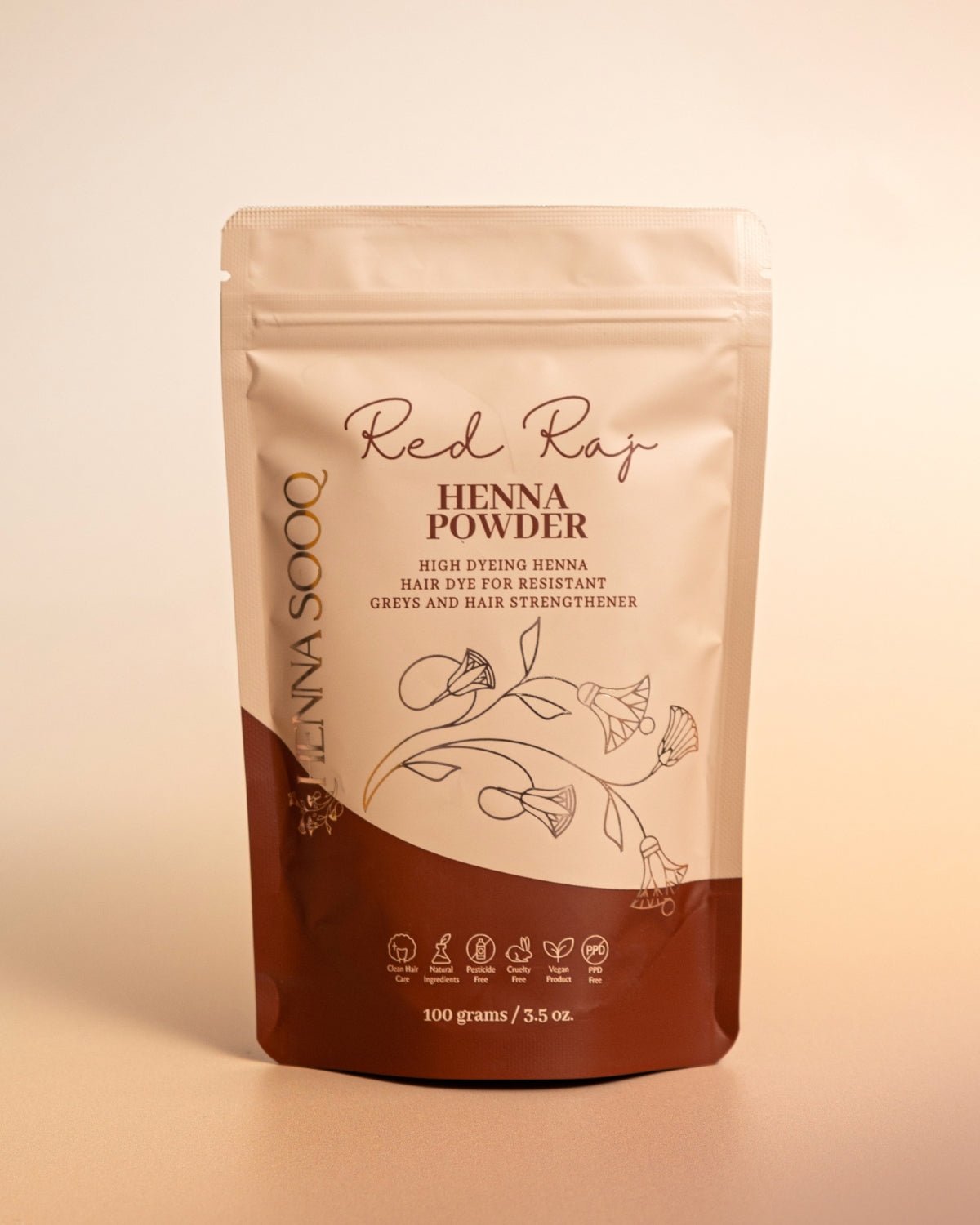
Natural alternatives, on the other hand, not only color but also condition the hair. Henna for grey hair is a standout because it bonds to the hair's outer layer, covering grey strands with a rich tone while strengthening the follicle. When paired with indigo or cassia, you can achieve a wide range of shades from warm copper to deep brunette without the damage.
Using natural grey hair products such as plant-based powders and shampoo for grey hair with herbal infusions may also help extend the life of your color while nourishing your scalp.
So when deciding on the best hair dye to cover grey, consider more than just the color outcome, think about the health of your hair today and years from now.
Is It Possible to Prevent Premature Greying?
One of the most common questions people ask is, “How can I prevent grey hair?” or even, “Is grey hair reversal possible?” While there’s no magic switch to completely stop the greying process, especially when it's genetic, there are natural ways to reduce grey hair and slow down its progression.
Premature greying when grey hair appears before age 30 is often linked to nutritional deficiencies, high stress levels, and oxidative damage. Supporting your body with the right nutrients and practices can help maintain melanin production for a longer period.
Key steps to potentially prevent grey hair include:
- Eating a diet rich in antioxidants, iron, copper, and B vitamins
- Reducing stress through mindfulness, yoga, or meditation
- Using natural grey hair products like henna for grey hair, amla, and other Ayurvedic herbs that nourish the scalp
- Avoiding harsh chemical dyes that can weaken hair and accelerate greying
While grey hair reversal remains a debated topic in science, anecdotal evidence suggests that some individuals experience a reduction in grey strands after adopting holistic care routines. Even if reversal isn’t guaranteed, prevention and maintenance are within your control.

8 Proven Ways to Cover Grey Hair Naturally
Finding natural, effective ways to cover grey hair doesn’t mean you have to compromise on results. Whether you're just starting to see silver strands or you’ve had grey hair for years, nature offers powerful solutions. These remedies not only help with grey hair color but also improve scalp health, strengthen strands, and support long-term hair wellness.Below are 8 proven, holistic methods that have stood the test of time, each one focused on promoting healthy, vibrant hair without chemical damage.
Henna: Nature’s Time-Tested Grey Hair Solution
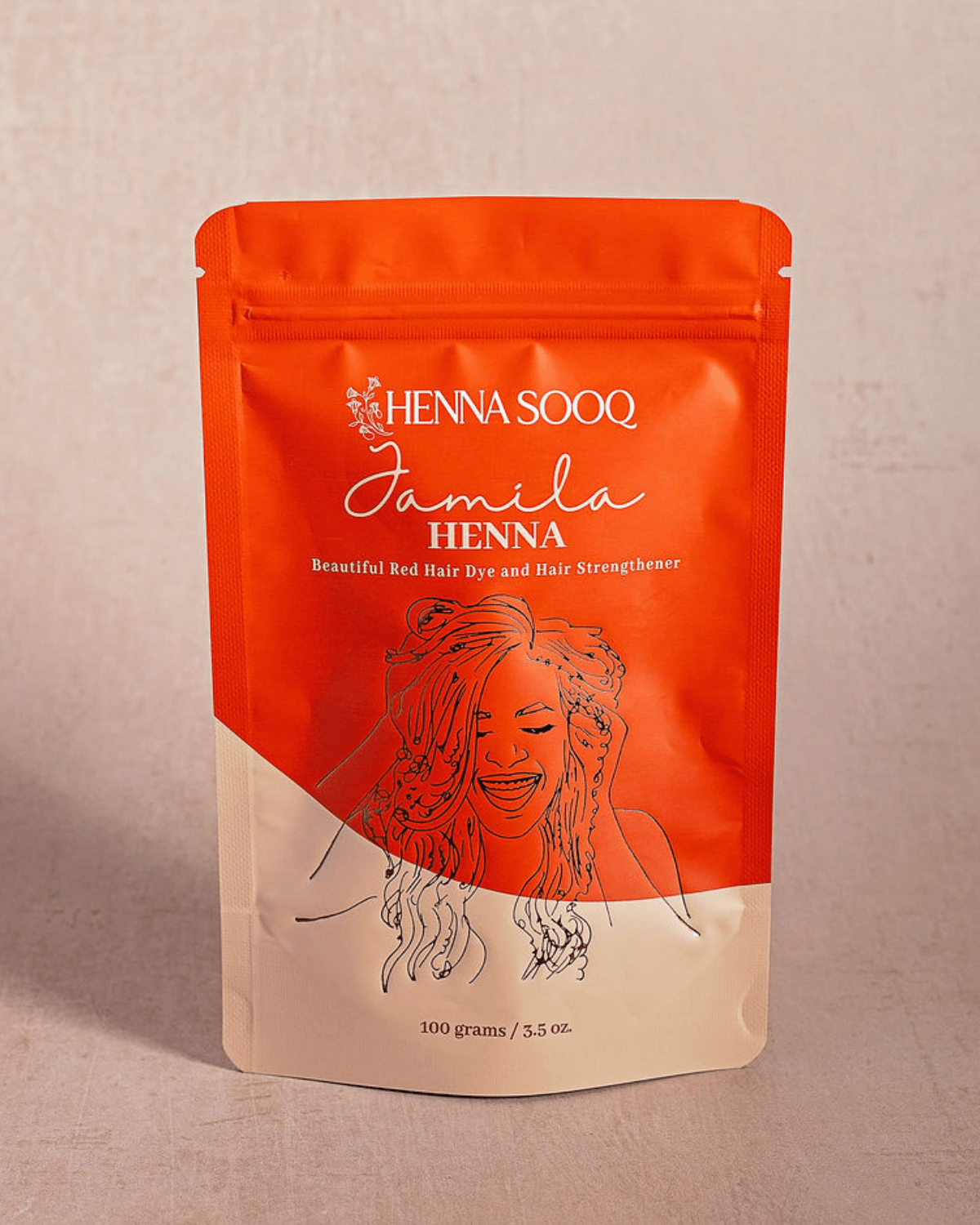
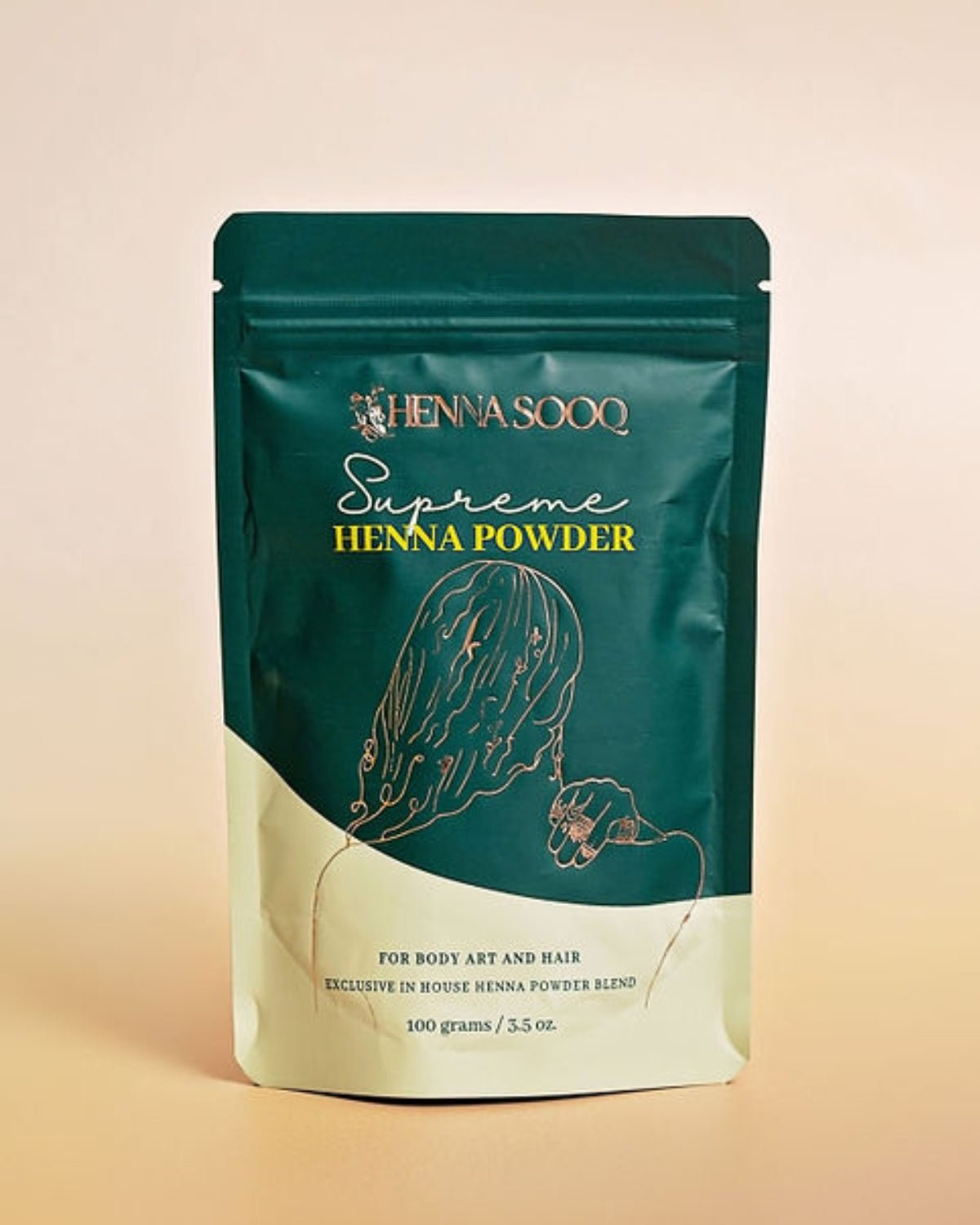
Henna is one of the most trusted natural options for covering grey hair. It contains lawsone, a natural dye molecule that binds to keratin and gives grey strands a reddish or copper tone.Using henna for grey hair regularly not only imparts rich, multidimensional color but also conditions the scalp and strengthens hair from root to tip. It’s a long-lasting solution that improves with repeated use.
Indigo: The Perfect Partner for Darker Tones
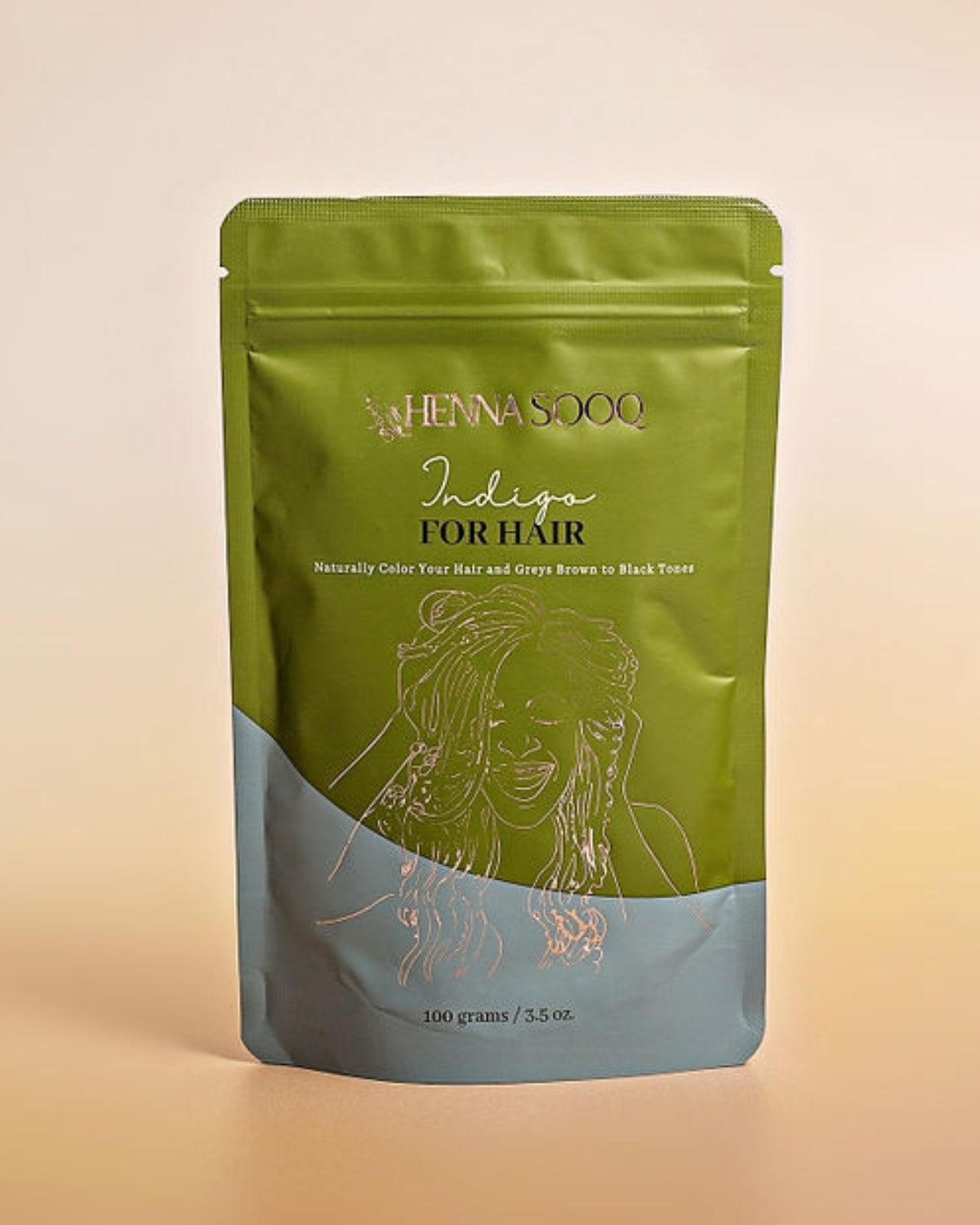
Indigo powder, when used after henna, helps achieve darker tones like brown and black, ideal if you're aiming for a deeper grey hair color. It works best when applied in a two-step process: henna first, indigo second.If you're dealing with stubborn greys or want deeper black tones, this blog on making indigo work for resistant grey hair offers helpful tips and techniques.
Together, henna and indigo create the best hair dye to cover grey naturally without exposing your hair to harsh chemicals. Plus, it’s completely plant-based and safe for long-term use.

Cassia: The Blonde-Friendly Natural Alternative
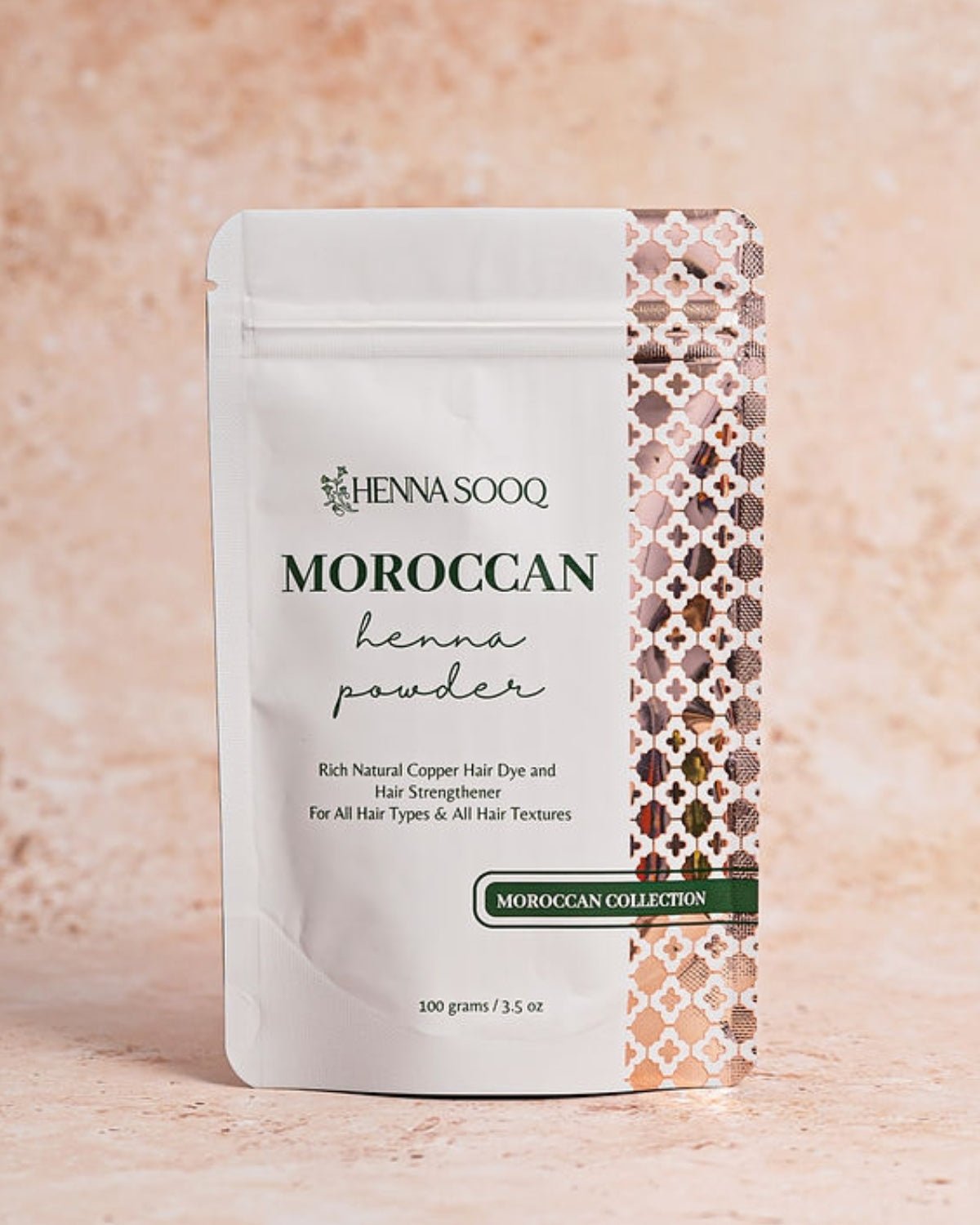
Cassia is often referred to as “neutral henna.” While it doesn’t darken grey hair dramatically, it imparts a golden tint perfect for those with lighter tones or those looking for subtle blending rather than full coverage.
It’s a great option for enhancing shine and thickness, making it an ideal grey hair product for blondes or light brunettes who want a more natural transition.
Amla: Boost Melanin and Deepen Natural Hair Tones
Amla, or Indian gooseberry, is rich in antioxidants and vitamin C, both vital for melanin production. It doesn't color hair on its own, but it helps enhance and deepen color when combined with other herbs like henna or indigo.
When used consistently, amla may help reverse grey hair by naturally promoting pigment restoration. It also helps with scalp health and adds a beautiful sheen to your hair.
Coconut Oil + Curry Leaves Infusion
This traditional Indian remedy is believed to nourish hair follicles and delay the onset of greying. Curry leaves are rich in antioxidants and beta-carotene, which support natural melanin levels.
To use: simmer fresh curry leaves in coconut oil, strain, and massage into the scalp regularly. It’s a soothing treatment that may help reduce grey hair over time while deeply moisturizing the scalp.
Black Tea and Coffee Rinses for Subtle Color Enhancement
Strong black tea or brewed coffee can darken hair temporarily and add warm undertones to grey or white strands. They’re ideal for boosting existing color or refreshing faded dye between treatments.
These natural rinses don’t offer permanent results, but when used regularly, they can subtly deepen grey hair color and leave hair looking glossy and vibrant.
Balanced Nutrition for Melanin Support
The link between diet and grey hair is strong. Deficiencies in copper, zinc, iron, and B12 are often associated with early greying. Incorporating nutrient-rich foods can support melanin production and delay grey hair naturally.
For those wondering how to reduce grey hair, focusing on whole foods, leafy greens, seeds, and adequate hydration is a great place to start. Supplements may help in some cases, but food-first is always best.
Stress Reduction and Scalp Massage for Hair Longevity
Chronic stress is a well-known contributor to premature grey hair. Regular scalp massage with nourishing oils like bhringraj or amla oil improves circulation and creates a calming, hair-friendly environment.
Taking time to relax, meditate, and sleep well may sound simple, but these practices are powerful. Managing stress can help preserve melanin, reduce breakage, and extend the life of your natural color.
Nature offers more than just color; it offers care. Whether you choose henna for grey hair, herbal masks, or a nutrient-rich routine, the key is consistency and mindfulness. Each of these 8 remedies not only helps cover grey hair, but also brings you closer to healthier, stronger, and more vibrant strands.
The Benefits of Using Henna to Cover Grey Hair
Choosing henna for grey hair isn’t just about color; it’s about long-term hair wellness. Here are the top benefits of using henna as a natural alternative to chemical dyes:
Covers Grey Hair Naturally and Effectively: Henna binds to the outer layer of each hair strand, delivering rich, vibrant tones that blend beautifully with grey. It’s one of the most effective grey hair dye options from nature.
Conditions and Strengthens Hair: Unlike chemical dyes that strip moisture, henna acts as a natural conditioner. It strengthens from root to tip, making it ideal for fragile or aging hair.
Long-Lasting Color That Improves Over Time: With consistent use, henna deepens in tone and becomes more vibrant, offering a naturally dimensional grey hair color that doesn't fade quickly.
Safe for Sensitive Scalps and Chemically Treated Hair: Henna is gentle and free of harsh chemicals, making it a safe option for those with sensitive skin or previously dyed grey hair.
No Harsh Smells or Burning Sensations: Say goodbye to the strong odors and scalp irritation that often come with synthetic dyes. Henna offers a more comfortable coloring experience.
Supports Scalp Health: Henna has natural antimicrobial properties that help keep the scalp clean and balanced, promoting better hair growth and reduced hair fall.
Free from Ammonia, Peroxide, and Other Harsh Additives: It’s a pure, plant-based hair dye for grey with zero synthetic chemicals, ideal for those seeking a clean beauty approach.
Pairs Well with Other Ayurvedic Herbs: Henna works beautifully with indigo, amla, and cassia to customize the best hair colour for grey hair, whether you prefer red, brown, or black tones.
Helps Maintain Scalp pH and Oil Balance: Regular use of henna can help regulate oil production, reduce dandruff, and create an optimal environment for healthy hair.
Empowers a Natural, Sustainable Haircare Routine: Choosing henna supports a more eco-conscious and holistic approach to grey hair care, from the ingredients to the results.
Best Natural Ingredients to Nourish and Strengthen Grey Hair
Grey hair requires special care not just for color, but also for strength, moisture, and scalp health. The right ingredients can help restore shine, improve texture, and support a healthier environment for your hair to thrive. These are some of the best ingredients used in Henna Sooq products that work especially well for grey hair care:
Henna (Lawsonia Inermis)
Known for its natural dyeing ability, henna also strengthens and thickens the hair shaft. It adds natural volume and shine while helping to cover grey hair without damage.
Indigo (Indigofera Tinctoria)
Often used alongside henna, indigo helps create deeper tones like dark brown and black. It works especially well when applied over henna-treated hair to customize hair dye to cover grey.
Cassia (Cassia Obovata)
Sometimes referred to as “neutral henna,” cassia adds shine and strength, making it ideal for lighter tones. It helps improve manageability and overall texture, supporting healthy grey hair.
Amla (Emblica Officinalis)
Amla supports scalp health and helps maintain natural pigment by providing antioxidants and vitamin C. It’s often used to boost the effects of henna and indigo in grey hair products.
Shikakai (Acacia Concinna)
A gentle cleanser that helps remove buildup without stripping natural oils. It supports a balanced scalp environment, essential for strong and healthy grey hair.
Cocoa Butter
Found in conditioners, cocoa butter delivers deep hydration ideal for dry or coarse grey hair that’s prone to brittleness.
Peppermint Essential Oil
Known for stimulating circulation, peppermint oil can invigorate the scalp, reduce itchiness, and support overall grey hair care when used regularly.
Cocoveda Hair Oil
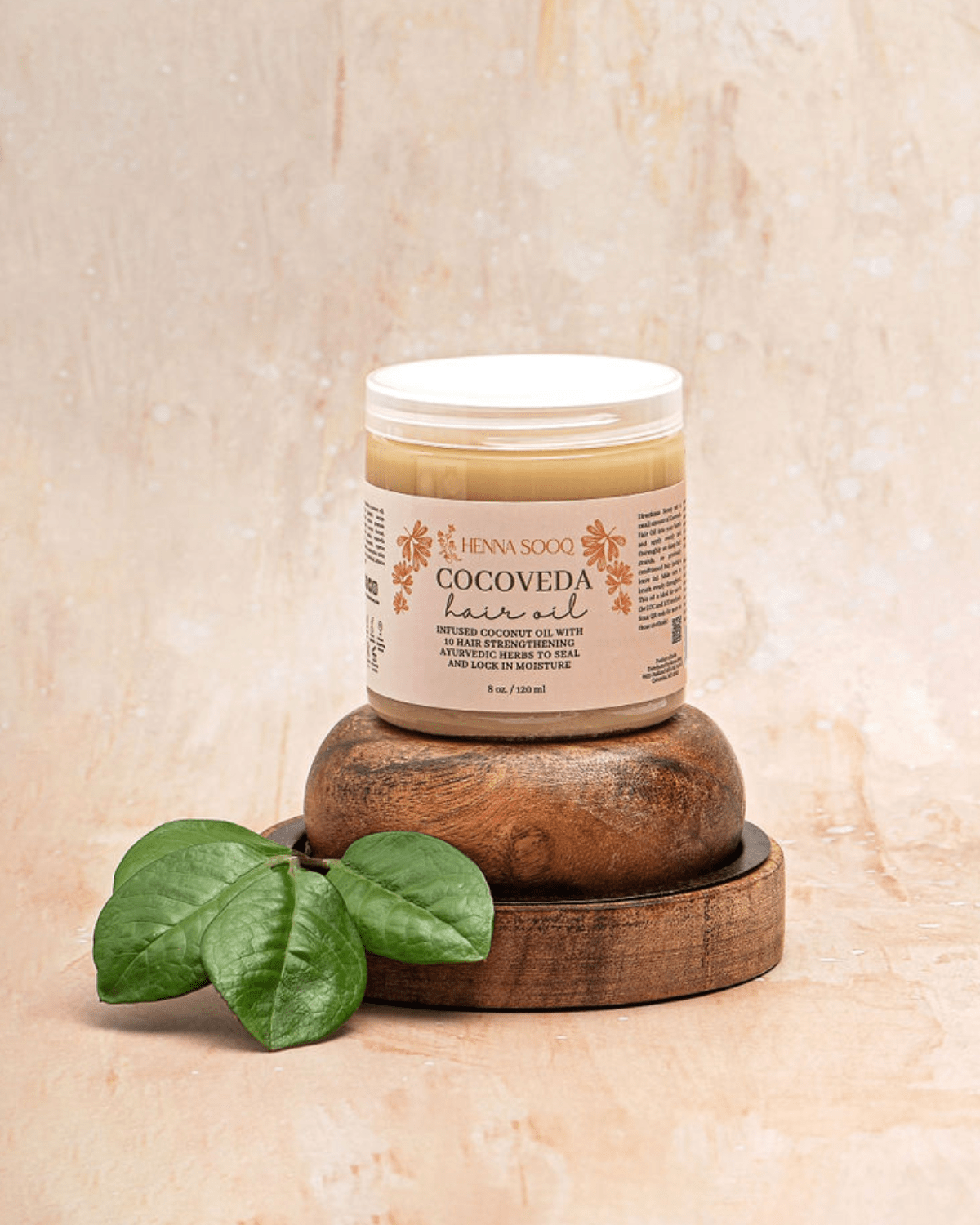
A nourishing Ayurvedic blend infused with coconut oil and 10 strengthening herbs, Cocoveda Hair Oil deeply hydrates coarse grey hair, restoring flexibility and shine. It helps lock in moisture, reduce frizz, and promote scalp health, making it an ideal daily oil for softer, stronger, and shinier hair.
How to Create a Grey Hair Routine That Actually Works
When caring for grey hair, consistency is key. A solid routine that incorporates cleansing, nourishment, and natural color maintenance can keep your hair looking vibrant, healthy, and strong. Here’s how to build a simple, effective routine using grey hair products that actually support your hair’s unique needs.
Cleanse Gently, Without Stripping Moisture
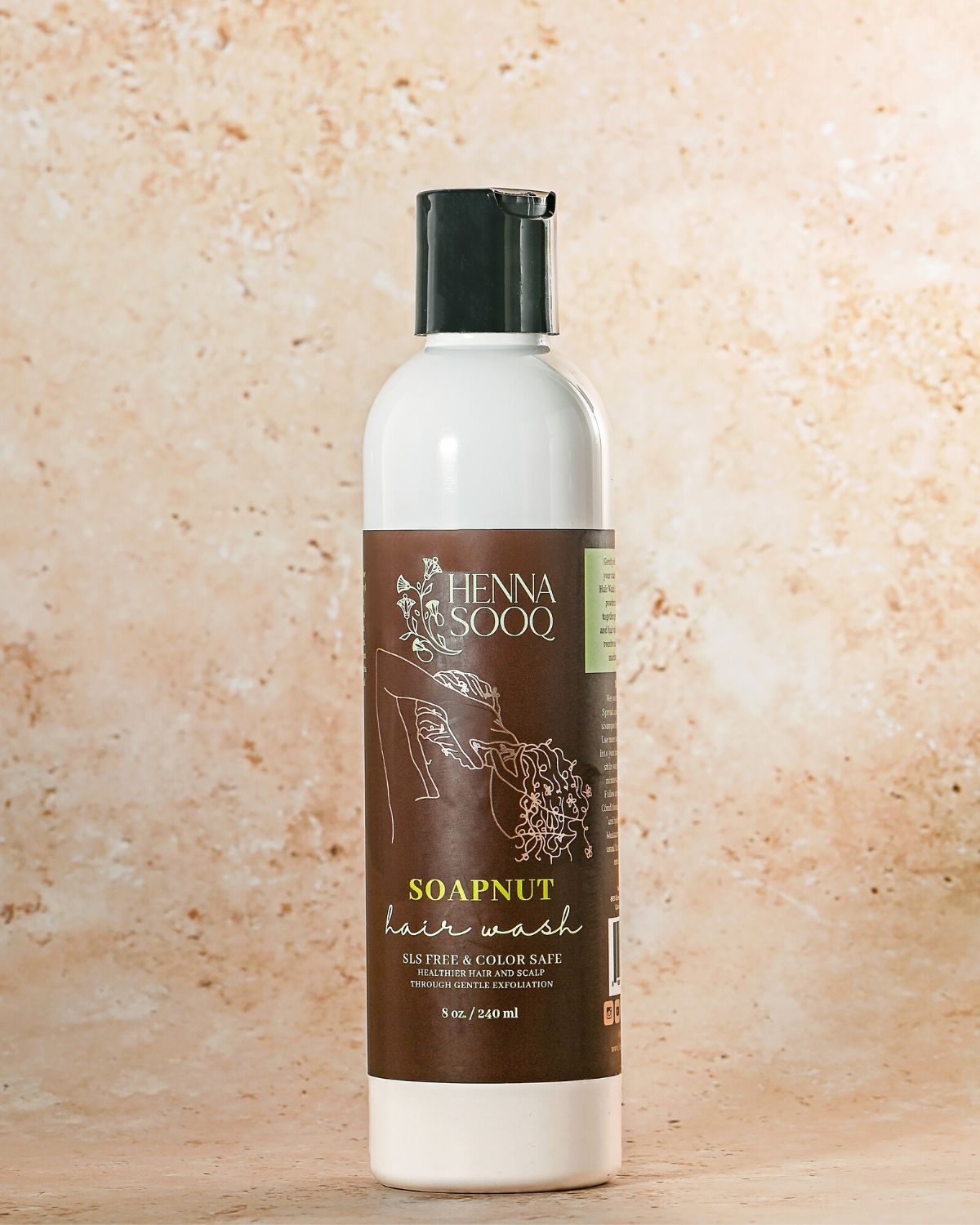
Grey hair tends to be drier and more fragile. Use a sulfate-free shampoo for grey hair, like a co-wash with herbal cleansers such as shikakai, that removes buildup while keeping natural oils intact. This helps maintain scalp balance and promotes healthier strands.
Deep Condition Regularly
Hydration is essential for grey hair care. Choose conditioners rich in natural butters and oils, such as cocoa butter or coconut oil, to soften coarse strands and reduce breakage. For added benefit, use a warm towel wrap during conditioning to help the product penetrate deeply.
Use Henna and Indigo for Natural Grey Coverage
Incorporate a natural coloring schedule using henna for grey hair, followed by indigo to create lasting, chemical-free color. Depending on your growth rate and color preference, reapply every 4 - 6 weeks to maintain consistent coverage.
Incorporate Ayurvedic Herbal Treatments
Once a week, treat your scalp and hair with herbal masks or infusions that contain amla, cassia, or shikakai. These ingredients support scalp health, improve hair texture, and may help reduce grey hair progression when used regularly.
Massage the Scalp to Boost Circulation
Scalp massage with nutrient-rich oils, like coconut or infused herbal oils, encourages blood flow, which supports follicle strength and longevity. It’s also a great way to reduce stress, one of the known causes of grey hair.
Maintain a Nutrient-Dense Diet
While topical care is important, don’t overlook internal support. A diet rich in antioxidants, healthy fats, and essential vitamins like B12 and iron plays a role in hair health. This approach complements your topical routine for full-circle grey hair care.
Avoid Overuse of Heat and Chemicals
Protect your grey hair from heat styling tools and chemical treatments, which can dry out and weaken the hair. Stick to natural colorants and gentle styling methods to preserve hair strength and shine.
With the right mix of herbal colorants, nourishing conditioners, and mindful care, you can create a grey hair routine that not only maintains your ideal color but also strengthens and revitalizes your hair over time. The result? Healthier, more resilient strands that reflect your natural beauty.
Common Mistakes People Make When Covering Grey Hair
Whether you’re new to natural hair dye or have been coloring your grey hair for years, some common mistakes can impact results. Avoiding these missteps can help you achieve better, longer-lasting color and healthier hair overall.
Using Chemical Dyes Too Often
Frequent use of chemical color can weaken hair, irritate the scalp, and even accelerate greying. Many people turn to commercial dyes as a quick fix without realizing they may be compromising long-term grey hair care. Natural alternatives like henna for grey hair offer a gentler, more sustainable solution.
Skipping Strand Tests
Each person’s hair reacts differently to natural dyes. Not doing a strand test can lead to unexpected grey hair color results, especially when using henna, indigo, or a blend. Always test a small section before the full application.
Inconsistent Application Schedules
Applying grey hair dye too infrequently can result in uneven tones and patchy coverage. For best results, stick to a routine, typically every 4–6 weeks, to maintain consistent color and manage new growth.
Not Preparing the Hair Properly
Hair that has product buildup or excess oil may not absorb color well. Cleanse the hair with a gentle shampoo for grey hair or co-wash before coloring to ensure optimal dye uptake.
Ignoring Post-Dye Care
After applying natural hair dye for grey, it’s important to avoid harsh shampoos or styling products that can strip the color. Use a mild, herb-friendly grey hair shampoo and avoid heat styling to extend the life of your color.
Using the Wrong Dye Combinations
Applying indigo on its own to grey or white hair may result in unexpected blue or green tones. For darker results, it’s essential to first apply henna, then layer indigo. This two-step method is one of the best ways to cover grey hair naturally.
Expecting Instant Reversal of Grey Hair
While many natural ingredients support healthy growth, no product guarantees grey hair reversal overnight. Building a consistent routine with the right grey hair products is key to improving overall hair health and potentially slowing further greying.
Avoiding these mistakes helps ensure a smoother, more effective experience with natural coloring. It also supports the longevity and vibrancy of your grey hair dye routine without unnecessary stress on your hair or scalp.

Ready to Cover Your Greys – The Ayurvedic Way?
If you’re looking for a healthier, more holistic approach to covering grey hair, Ayurveda offers time-tested solutions that focus on balance, not just quick fixes. Whether you're using henna for grey hair, blending it with indigo for darker tones, or supporting your scalp with herbal masks and nutrient-rich oils, the Ayurvedic path encourages long-term hair wellness.
Unlike chemical dyes, natural Ayurvedic methods not only help you manage grey hair color, but also work to support the scalp, nourish the roots, and strengthen hair over time. It’s not about hiding greys, it's about working with your hair’s natural cycle and giving it what it truly needs.
You don’t have to overhaul your entire routine overnight. Start with small, intentional changes: switch to a gentle shampoo for grey hair, incorporate weekly herbal treatments, or simply make time for regular scalp massage. Each step supports your hair from the inside out and helps you feel more connected to your self-care practice.
FAQ About Grey Hair and Natural Coverage
Does stress cause grey hair?
Stress is one of the potential contributors to premature grey hair. While genetics play a major role, high levels of chronic stress may disrupt melanin production, which can lead to earlier greying. Incorporating stress-reducing practices and scalp massage into your grey hair care routine may help support healthier hair over time.
Is grey hair reversal possible?
Grey hair reversal is not guaranteed, especially once the hair strand has lost its pigment. However, some people report a slowdown in greying or improved scalp health with natural routines, better nutrition, and Ayurvedic care. While reversal may not always be possible, supporting healthy hair growth is.
Can grey hair be reversed naturally?
There is no conclusive scientific evidence that grey hair can be fully reversed naturally. That said, consistent use of Ayurvedic herbs like amla, along with a nutrient-rich diet and scalp care, may help maintain existing pigment and support healthier regrowth.
How often should you touch up grey hair naturally?
When using natural hair dye for grey, such as henna and indigo, most people find that reapplication every 4 to 6 weeks works well to maintain even coverage. Your personal routine may vary depending on how fast your hair grows and how much grey you’re covering.
Is henna safe to use on chemically dyed grey hair?
Yes, pure henna for grey hair is generally safe to use on previously chemically dyed hair as long as the henna is 100% natural with no added metallic salts or synthetic ingredients. Always do a strand test first and wait at least 4–6 weeks after chemical treatments before applying henna.
How often should I apply henna to cover grey hair?
For consistent coverage, applying henna for grey hair every 4 to 6 weeks is recommended. Some people prefer to touch up roots more frequently if they have fast regrowth or a high percentage of grey strands.
Does diet impact greying hair?
Yes, diet plays a role in the health of your hair. Deficiencies in B vitamins, iron, copper, and antioxidants may contribute to early grey hair. A balanced, nutrient-dense diet supports melanin production and can complement your topical grey hair care routine.
Do lifestyle habits like stress or smoking really cause grey hair?
Yes, both chronic stress and smoking have been linked to premature grey hair. These habits can increase oxidative stress in the body, which may impact melanin production. Managing stress, avoiding tobacco, and maintaining a healthy lifestyle are all part of a well-rounded approach to grey hair care.
At what age is grey hair normal?
Grey hair is considered normal starting in your mid-30s for most people, though it can appear earlier or later depending on genetics, lifestyle, and overall health. Premature greying is typically defined as grey appearing before age 30.


