




8 Powerful Ayurvedic Solutions for Oily Hair and Scalp
Oily hair is one of the most frustrating hair concerns out there, not because it is hard to wash, but because it keeps coming back no matter what you try. New shampoo? Still greasy. Washing more often? Makes it worse.
The truth is, most conventional shampoos for oily hair only address the surface problem. They strip the scalp of its natural oils, which triggers even more oil production, creating a cycle that never really ends. What your oily scalp actually needs is not a harsher cleanser; it needs balance.
And that is exactly where Ayurveda comes in.
Ayurvedic herbs have been used for centuries to naturally regulate scalp oil production, cleanse greasy hair without stripping it, and bring the scalp back to a healthy, balanced state. These are not quick fixes or chemical solutions. They are gentle, plant-based ingredients that work with your scalp, not against it. If you are new to this approach, this beginner's guide to Ayurvedic hair care is a great place to start.
In this blog, we are sharing 8 powerful Ayurvedic solutions for oily hair and scalp that actually address the root cause of the problem. You will also find out how to choose the right shampoo for an oily scalp, what mistakes you might be making that are making your hair worse, and how to build a simple routine that keeps your hair feeling fresh longer.
Whether you are dealing with oily and greasy hair every single day or just struggling to make it past wash day, this guide was written for you. Let's get into it.
What Causes Oily Hair and a Greasy Scalp?
Before we talk about solutions, it helps to understand what is actually going on with your scalp. Because here is the thing, oily hair is rarely just about hair. It almost always starts at the scalp.
It All Starts with Your Sebaceous Glands
Your scalp has tiny oil-producing glands called sebaceous glands. These glands produce a natural oil called sebum, which is actually good for your hair. Sebum moisturizes the scalp, protects the hair strand, and keeps your hair looking healthy and shiny.
The problem starts when these glands produce too much sebum. When that happens, your scalp becomes oily, your roots feel heavy and greasy, and your hair loses its volume and freshness much faster than it should.
So What Triggers Excess Oil Production?
There is no single answer, and that is exactly why oily and greasy hair can feel so hard to fix. Several different factors can cause your scalp to overproduce oil, and for many people, it is a combination of more than one.
Hormonal Changes: Hormones are one of the biggest triggers for an oily scalp. Fluctuations during puberty, pregnancy, menstruation, and menopause can all cause sebaceous glands to go into overdrive. This is why many people notice their hair becoming significantly greasier during certain life stages, something explored in depth in this guide on Ayurvedic hair care for hormonal changes.
Diet and Nutrition: What you eat has a direct impact on your scalp health. A diet high in processed foods, sugar, dairy, and unhealthy fats can stimulate excess oil production. On the flip side, certain vitamin deficiencies, particularly B vitamins and zinc, have been linked to changes in scalp oil levels. If your hair feels consistently greasy no matter what you do, your diet might be worth looking at.
Over-Washing: This one surprises a lot of people. Washing your oily hair too frequently actually makes the problem worse. When you strip the scalp of its natural oils too often, it responds by producing even more sebum to compensate. It is a cycle that many people with greasy hair unknowingly create, and one worth understanding alongside these common hair care mistakes and tips that many people overlook.
Using the Wrong Products: Heavy conditioners, thick hair butters, silicone-based styling products, and the wrong shampoo for oily hair can all contribute to buildup on the scalp and roots. When product residue sits on the scalp, it mixes with natural oils and makes greasy hair significantly worse.
Touching Your Hair Too Often: Every time you run your fingers through your hair, you transfer oil from your hands directly to your strands. It is a small habit that adds up quickly, especially for those who already have an oily scalp.
Hard Water: Mineral-rich hard water can leave residue on the scalp and hair shaft over time, making it harder to properly cleanse the scalp. This buildup can make oily and greasy hair feel even heavier and more difficult to manage.
Why Most Conventional Shampoos Make It Worse
Here is something important to understand. Most greasy hair shampoos on the market are formulated with harsh sulfates that strip the scalp completely clean. While this feels satisfying at first, it sends a signal to your sebaceous glands that the scalp is too dry, so they compensate by producing even more oil.
This is why so many people with oily scalp feel like they are stuck in a loop. The more they wash, the oilier their hair gets. The oilier their hair gets, the more they wash.
The Ayurvedic approach works differently. Instead of stripping the scalp, Ayurvedic herbs gently cleanse, balance, and regulate oil production at the root, breaking the cycle rather than feeding it.
Is Your Hair Oily, Greasy, or Both? Here's How to Tell the Difference
Most people use the words "oily" and "greasy" interchangeably, and honestly, that makes sense. They feel pretty similar. But when it comes to understanding your hair and finding the right oily scalp treatment, knowing the difference between the two can actually change everything about how you care for your hair.
Oily Hair vs Greasy Hair: What Is the Difference?
Oily hair typically originates at the scalp. It is caused by the overproduction of sebum from the sebaceous glands and usually affects the roots and scalp first. If your hair feels fine at the ends but heavy and flat at the roots within a day or two of washing, that is classic oily hair.
Greasy hair, on the other hand, tends to affect the entire hair shaft from roots to ends. It often has a wet, almost stringy appearance and can feel coated or weighed down even right after washing. Greasy hair is frequently caused by product buildup, heavy conditioners, silicone residue, or incorrectly applied hair oil, for greasy hair to sit on the strands rather than absorbing properly.
In simple terms:
- Oily hair = excess sebum starting at the scalp and roots
- Greasy hair = buildup, residue, or oil coating the full length of the strand
Many people experience both an oily scalp with greasy lengths, which is why finding the right hair care for greasy hair needs to address both the scalp and the strands together.
How to Tell What You Are Dealing With
Not sure which one describes your hair? Here are a few simple ways to figure it out:
The Morning After Test: Wash your hair thoroughly and go to bed without applying any styling products. When you wake up the next morning, take a close look at your hair.
- If only your roots and scalp look oily and flat, while your ends still feel okay, you likely have oily hair caused by excess sebum production
- If your entire head of hair looks limp, stringy, and coated from roots to ends, you are more likely dealing with greasy hair caused by buildup or product residue
- If both your roots and ends look and feel heavy and greasy, you are dealing with a combination of both
The Tissue Test: Press a small piece of tissue or blotting paper against your scalp and roots a few hours after washing.
- A noticeable oil stain on the tissue confirms an oily scalp
- If the tissue shows very little oil, but your hair still looks limp and dull, buildup from products is more likely the cause
The Ends Check: Run your fingers from mid-shaft to the ends of your hair.
- If your ends feel dry or normal, while only your roots are greasy classic oily scalp issue
- If your ends feel coated, slippery, or heavy, product buildup and greasy hair are the more likely culprits
Why This Distinction Matters for Treatment
Understanding whether you have oily hair, greasy hair, or both directly affects which hair products for oily hair will actually work for you.
For example:
- If your problem is primarily an oily scalp, you need ingredients that regulate sebum production and gently cleanse the scalp without over-stripping, like Shikakai, Neem, and Reetha
- If your problem is greasy hair from product buildup, you need a clarifying or deep cleansing approach, like a deep clean shampoo for oily hair or a clay-based scalp treatment
- If you are dealing with both, you need a balanced routine that addresses scalp oil and strand buildup at the same time
This is exactly why Ayurvedic hair care works so well for oily and greasy hair. Rather than applying a one-size-fits-all fix, Ayurvedic herbs can be combined and customized to target your specific concern, whether that is at the scalp level, the strand level, or both.


8 Powerful Ayurvedic Solutions for Oily Hair and Scalp Treatment
If you have tried every shampoo for oily hair on the market and still feel like nothing works, this section is for you. The following 8 Ayurvedic ingredients have been used for generations to naturally cleanse, balance, and treat oily hair and scalp without the harsh chemicals that make the problem worse over time.Each ingredient works differently; some cleanse, some balance oil production, some condition without adding grease, and together they offer a complete, natural approach to managing oily and greasy hair for good.
Shikakai: The Best Natural Shampoo for Oily Hair and Scalp
If there is one Ayurvedic ingredient that comes closest to being a natural shampoo for an oily scalp, it is Shikakai. Known as the "fruit for hair" in Sanskrit, Shikakai is a mild, plant-based cleanser that has been used across South Asia for centuries as a natural alternative to conventional shampoo. It gently removes excess oil, dirt, and buildup from the scalp without stripping its natural moisture, making it one of the best natural shampoos for oily hair available.What makes Shikakai particularly special for oily hair is that it cleanses the scalp thoroughly while maintaining its natural pH balance. Unlike most greasy hair shampoos that contain sulfates and harsh detergents, Shikakai does not trigger the rebound oil production that keeps so many people stuck in the grease cycle. It leaves hair feeling clean, soft, and light without that squeaky-stripped feeling that often signals trouble. You can find Shikakai infused in Henna Sooq's Cleansing Conditioning CoWash, a gentle, moisture-rich cleanser ideal for all hair types, including oily scalp.
Amla: The Ultimate Hair Treatment for Greasy Hair
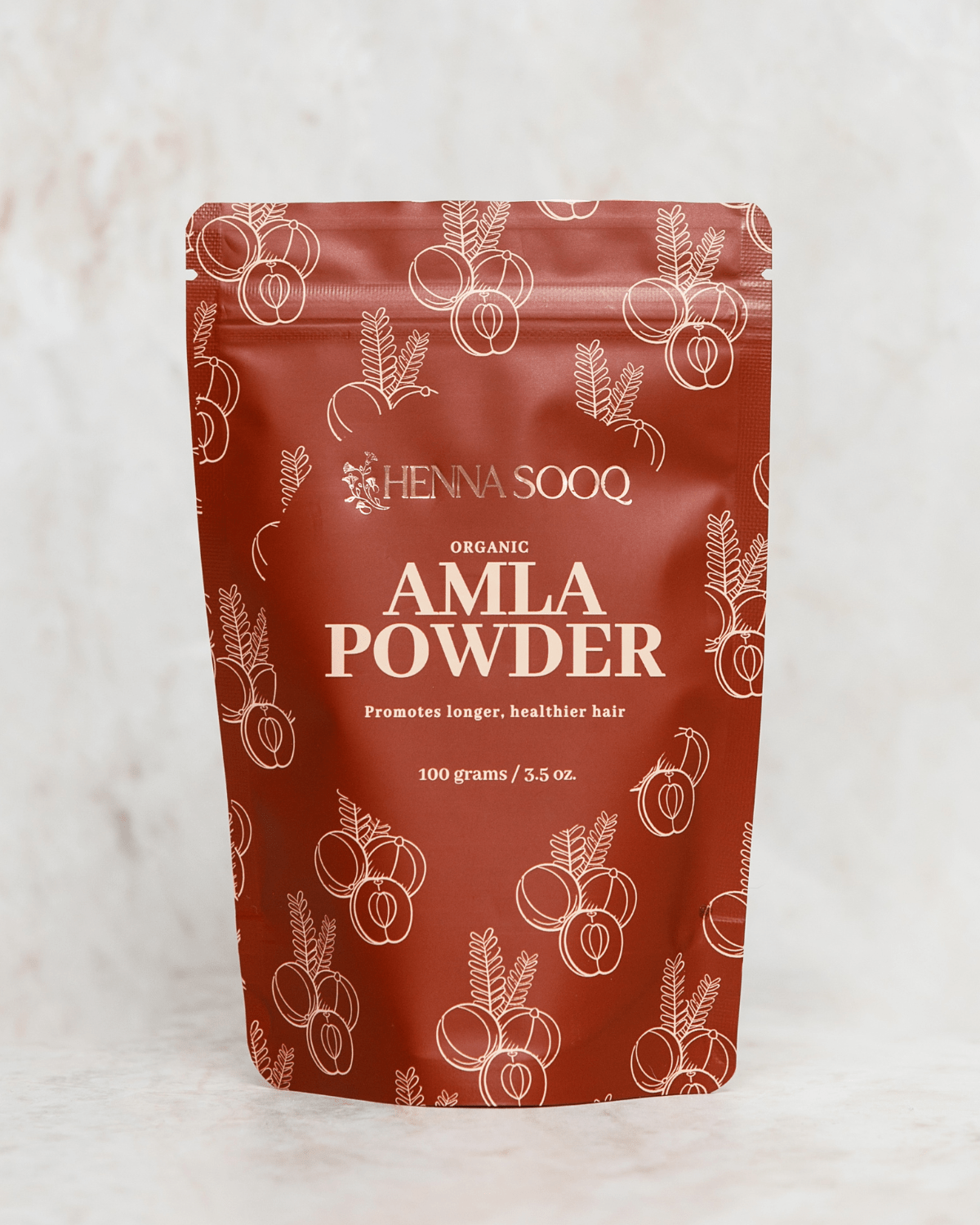
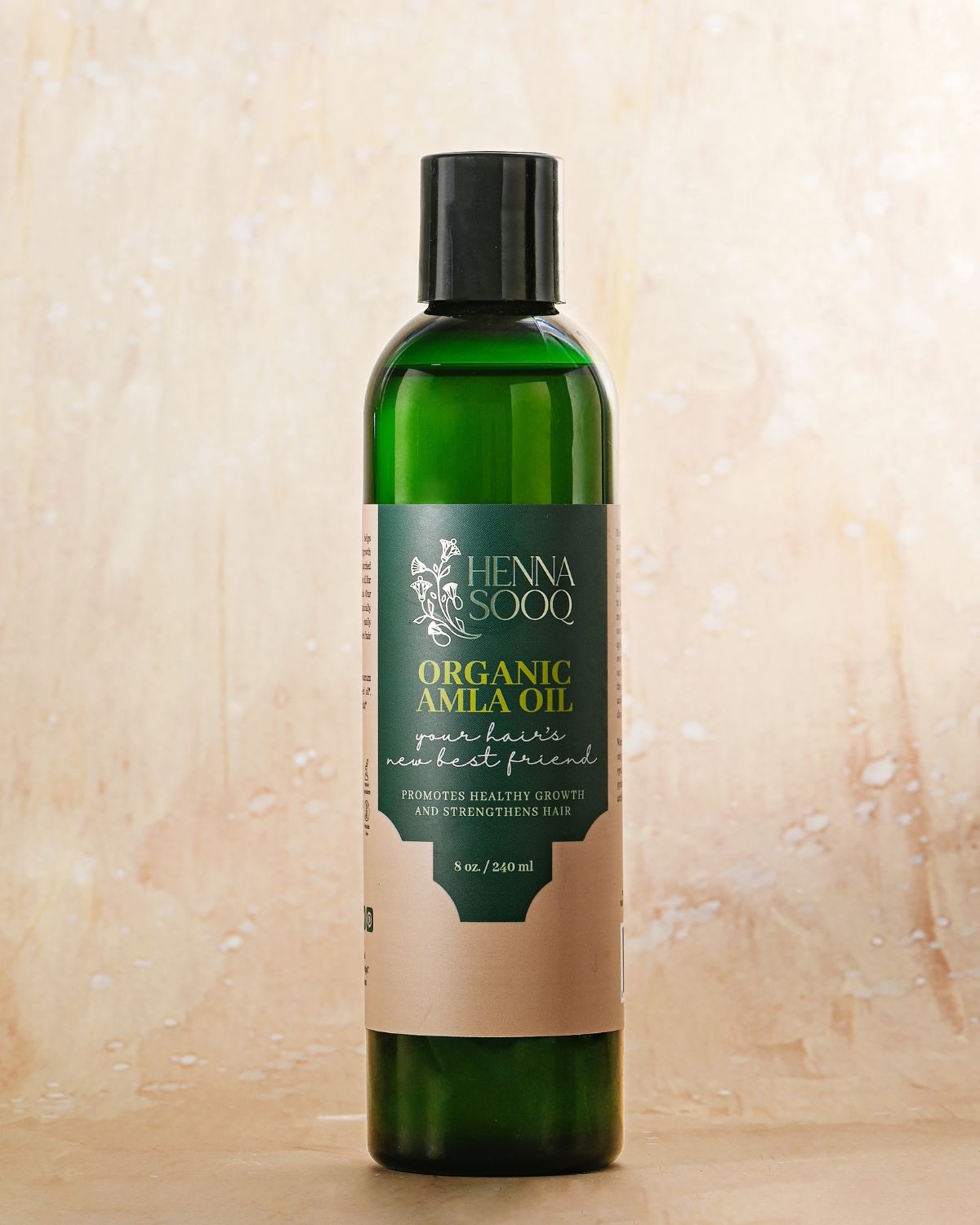
Amla, also known as Indian Gooseberry, is one of the most powerful and celebrated herbs in Ayurvedic hair care. When it comes to oily hair, amla works in a way that most people do not expect. Rather than just cleansing the surface, amla works at the scalp level to help regulate sebum production, addressing one of the core causes of greasy hair rather than just the symptoms.Rich in vitamin C and natural tannins, amla helps strengthen hair strands, nourish the scalp, and improve the overall health of oily and greasy hair over time. Regular use of amla as part of a hair mask or treatment can reduce how fast your scalp oils up between washes. Shop Organic Amla Powder or Organic Amla Oil to add this powerhouse herb to your oily hair routine. Explore the full breakdown of how amla supports hair growth and scalp health.

Cleansing Conditioning CoWash - Peppermint
Refresh, cleanse, and hydrate your hair with a cooling peppermint co-wash experience.
Shop Now
Moroccan Rhassoul + Soapnut + Neem Mud Mask
Detox, purify, and revive your scalp and hair with the deep-cleansing power of Moroccan clay.
Shop Now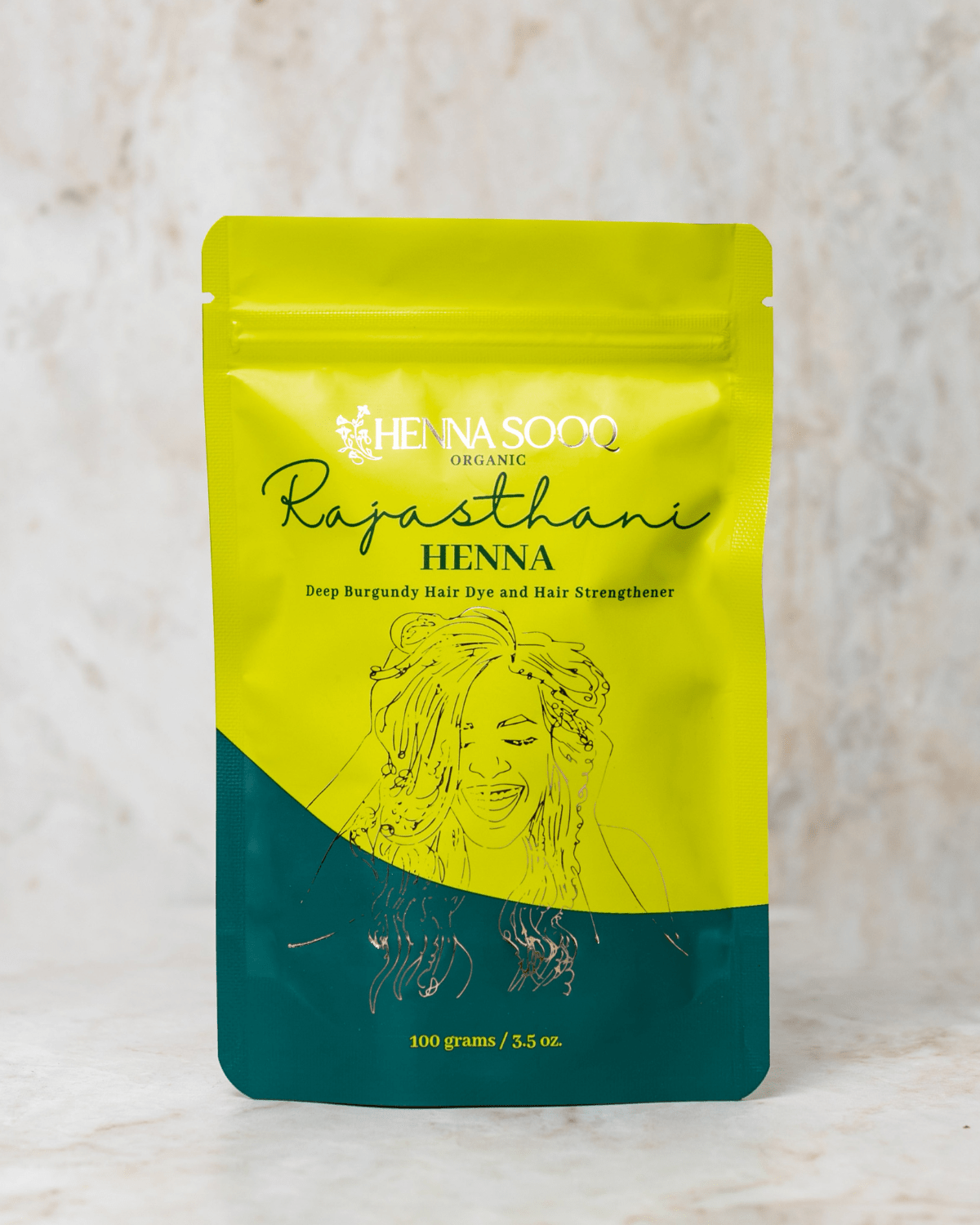
Organic Rajasthani Indian Henna Hair Dye
Achieve rich burgundy tones and stronger, healthier hair with fresh Organic Rajasthani Henna.
Shop NowNeem: The Best Ayurvedic Oily Scalp Treatment That Works
If your oily scalp comes with additional concerns like dandruff, itchiness, or scalp buildup, Neem is the ingredient you need. Neem is one of the most potent cleansing and purifying herbs in Ayurvedic tradition. It has natural antibacterial and antifungal properties that make it exceptionally effective as an oily scalp treatment, helping to deep clean the scalp, reduce inflammation, and keep oil-producing glands in check.
What makes Neem stand out as a hair treatment for greasy hair is its ability to address the scalp environment holistically. It does not just remove excess oil; it actually helps create a cleaner, healthier scalp condition that reduces the likelihood of oil building up as quickly in the first place.
For those dealing with a greasy scalp alongside irritation or flaking, Neem is one of the most effective natural solutions available. Find it in Henna Sooq's Moroccan Rhassoul + Soapnut + Neem Mud Mask, a deeply clarifying scalp treatment that combines three powerful cleansing ingredients in one. Read this blog to learn more about how to treat scalp issues naturally using Ayurvedic herbs.
Fenugreek: A Powerful Conditioner for Oily Hair and Scalp
Fenugreek might seem like an unlikely solution for oily hair; after all, it is primarily known as a moisturizing and conditioning herb. But that is exactly what makes it so valuable for oily and greasy hair routines. One of the biggest mistakes people with oily scalps make is skipping conditioner altogether, which leads to dry ends, more manipulation, and ultimately more greasiness over time.
Fenugreek is rich in mucilages, a natural substance that provides incredible slip and softness to hair without adding any heaviness or grease. It also has natural properties that help regulate sebum production and reduce scalp inflammation, making it one of the most well-rounded hair products for oily hair.
Fenugreek is also considered a natural hair-loss preventative due to its high percentages of phytoestrogens, so it nourishes while it balances. Try Organic Fenugreek Powder mixed into a lightweight hair mask for a conditioning treatment that will not make your greasy hair worse. This guide on using fenugreek for hair growth and moisture covers how to use it step by step.
Bhringraj: Best Ayurvedic Oil for Greasy Hair Without Weighing It Down
The idea of using oil on oily hair feels completely counterintuitive, and yet, Bhringraj is one of the few Ayurvedic herbs that actually helps control scalp oil production rather than adding to it. Known as the "king of herbs" in Ayurveda, Bhringraj has been used for centuries to nourish the scalp, strengthen hair strands, and promote healthy hair growth. When used correctly, it helps bring an overactive scalp back into balance.
The key with Bhringraj and with any hair oil for greasy hair is application. It should never be applied directly to the scalp in large amounts. Instead, a small amount worked through the mid-lengths and ends helps nourish dry sections of hair without contributing to an oily scalp at the roots.
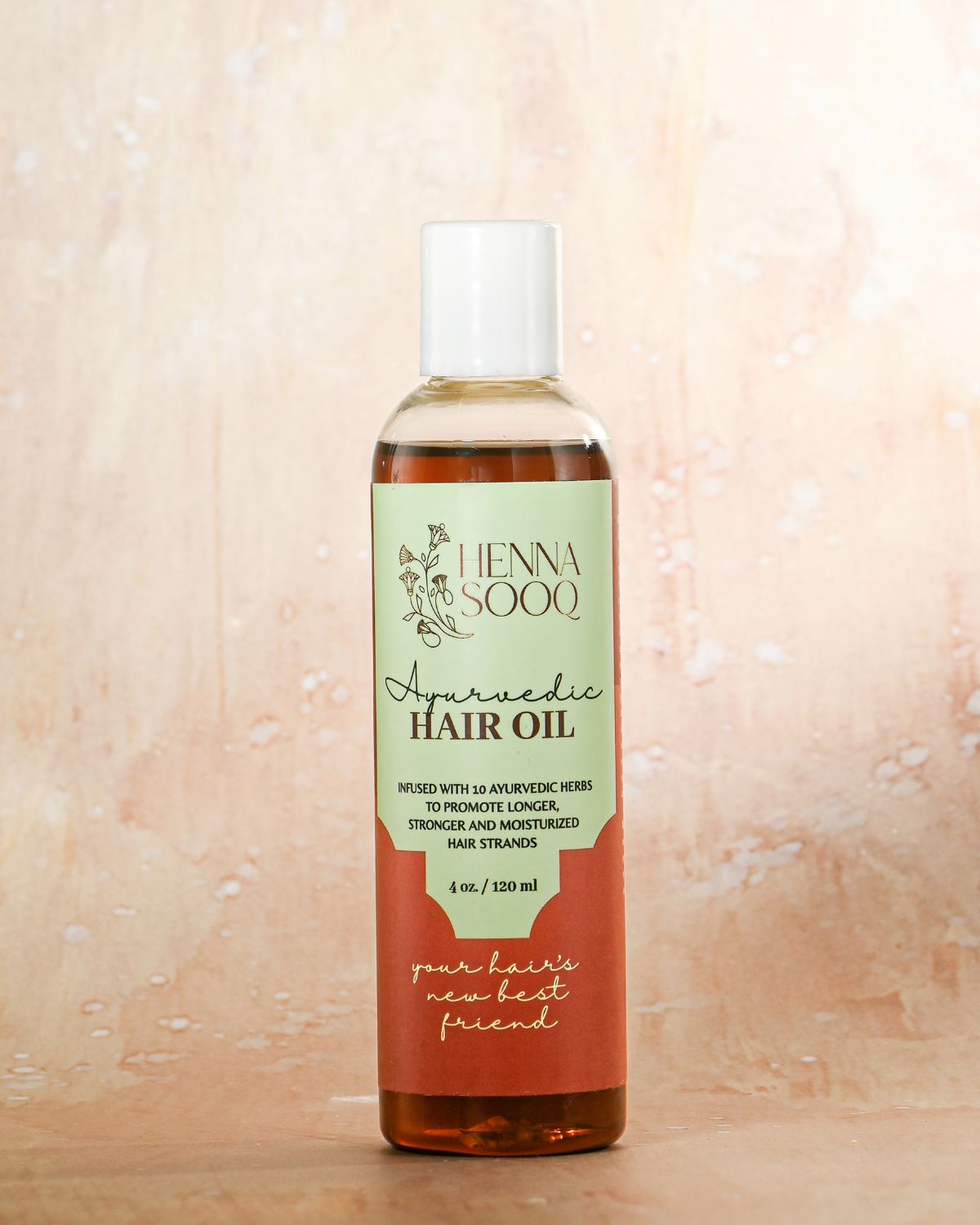
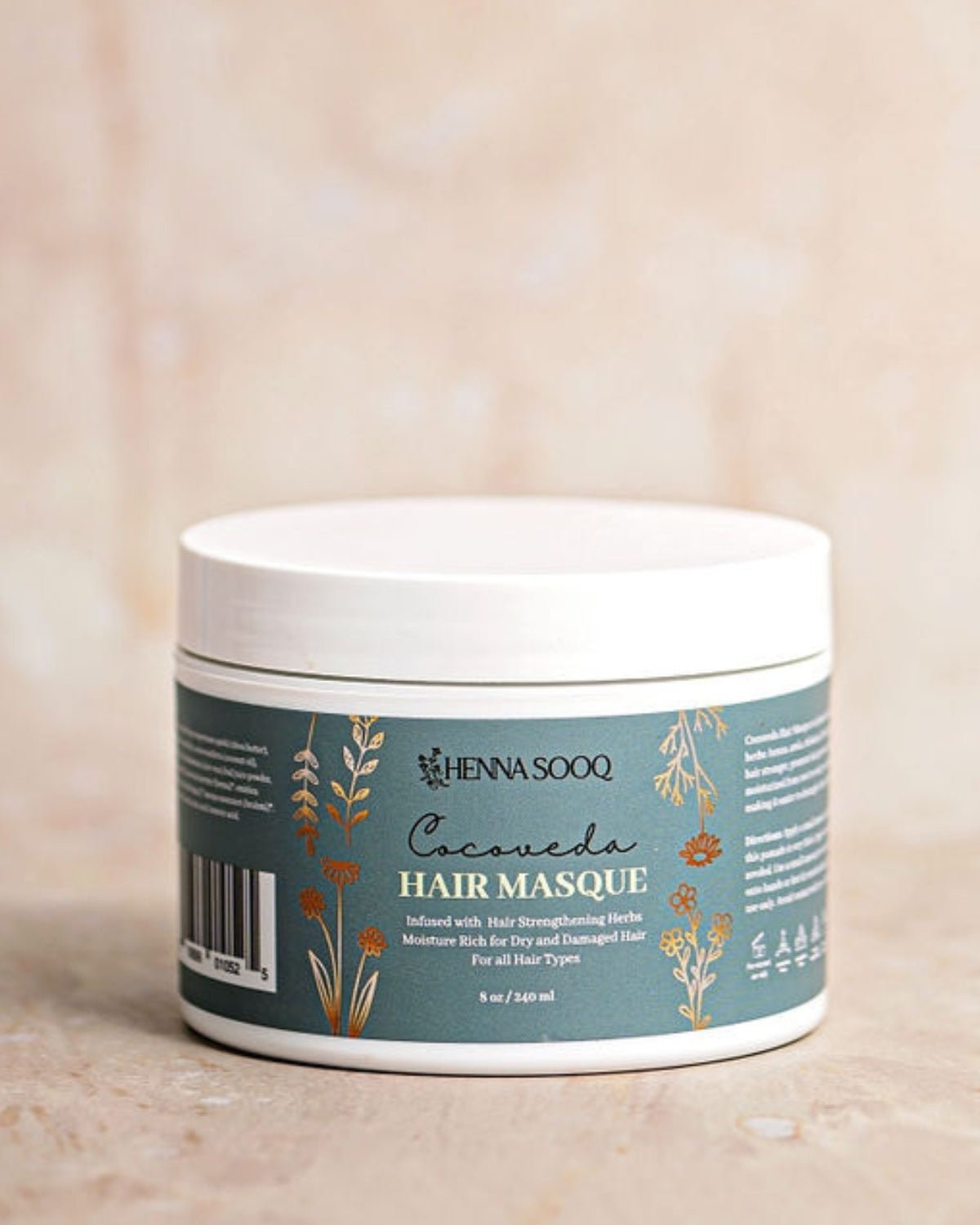
Used as part of a pre-wash treatment, it can help regulate the scalp over time rather than stimulate more oil. You can find Bhringraj as one of the key Ayurvedic herbs infused in Henna Sooq's Cocoveda Hair Masque and Ayurvedic Hair Oil, both carefully formulated to strengthen and nourish without heaviness.
Multani Mitti (Fuller's Earth): Deep Clean Treatment for Oily Hair
When your oily scalp needs a serious reset, nothing works quite like a clay-based deep cleanse. Multani Mitti, commonly known as Fuller's Earth, is a mineral-rich clay that has been used for centuries in Ayurvedic beauty care for its powerful oil-absorbing and purifying properties. It draws excess sebum, product buildup, and impurities out of the scalp and hair, delivering the kind of deep clean that even the best shampoo for oily hair cannot always achieve on its own.
What makes Multani Mitti a standout deep clean shampoo for oily hair alternative is that it absorbs excess oil without completely stripping the scalp, leaving hair feeling fresh and light rather than dry and brittle. It is particularly effective for those who feel their scalp never truly gets clean, no matter how often they wash. While Henna Sooq carries the equally powerful Moroccan Rhassoul Clay, a mineral-rich clay with similar deep cleansing properties, as a brilliant natural alternative for a complete oily scalp treatment and scalp detox.
Reetha (Soapnut): The Best Natural Shampoo for Oily Thin Hair
Reetha, also known as Soapnut, is one of the most gentle yet effective natural cleansers in Ayurvedic hair care. It produces a natural lather when mixed with water, making it one of the closest natural alternatives to conventional shampoo for oily hair. For those with oily thin hair who worry that most cleansers will leave their already fine strands looking flat and limp, Reetha is a particularly wonderful option.
Unlike many commercial best shampoos for oily hair that use synthetic foaming agents, Reetha cleanses the scalp and hair with a gentle, plant-based lather that removes excess oil and buildup without causing dryness or further damage.
It leaves fine, thin hair feeling noticeably lighter, cleaner, and fuller without any stripping or residue. It is also naturally gentle enough for color-treated hair, making it one of the most versatile hair products for oily hair in the Ayurvedic toolkit. Find Reetha as a key ingredient in Henna Sooq's Moroccan Rhassoul + Soapnut + Neem Mud Mask, a powerful combination of three clarifying ingredients working together.
Aloe Vera: Best Leave-In for Oily Hair and Scalp
Aloe vera is one of those ingredients that works beautifully for almost every hair concern, and oily hair and scalp are no exception. While most people associate aloe vera with moisturizing dry hair, it is actually one of the best lightweight leave-in options for oily hair because of how it hydrates without adding any heaviness or grease to the scalp or strands.
Aloe vera has a naturally balancing effect on the scalp. It hydrates without clogging pores, soothes scalp inflammation that can trigger excess oil production, and helps maintain the scalp's natural pH balance, all of which contribute to a healthier, less oily scalp environment over time.
For those looking for the best shampoo and conditioner for oily hair, an alternative that does not weigh hair down, aloe vera, as a lightweight leave-in or added to a hair mask, is an effective option. As Henna Sooq describes it, Organic Aloe Vera Powder is a staple must-have in any Ayurvedic hair care routine, giving hair the moisture and balance it needs for best results, for all hair types and textures.
Managing oily and greasy hair can feel exhausting, especially when nothing seems to work long-term. But the truth is, most conventional solutions are only treating the symptom, not the cause. These 8 Ayurvedic ingredients work differently. They address what is actually happening at the scalp level, rebalancing, purifying, and nourishing from the root. Give your scalp a chance to reset naturally, and you may be surprised at just how quickly things begin to change.
How to Choose a Shampoo for Oily Hair and Scalp
Choosing a shampoo for oily hair can feel tricky because you want your scalp to feel clean, but you do not want your hair to feel dry, rough, or stripped. The best shampoo for oily hair should help remove excess oil and buildup while still leaving your strands feeling manageable.
If you have an oily scalp, look for cleansing ingredients that focus on freshness and balance. In Ayurvedic hair care, herbs like shikakai and reetha are often used as natural cleansing options. These can be helpful if you are looking for a gentle, greasy hair shampoo or a more natural shampoo for oily scalp concerns.
A good shampoo for oily hair should help with:
- removing excess oil at the roots
- refreshing a greasy scalp
- reducing buildup from styling products
- helping hair feel lighter after wash day
- keeping the lengths from feeling overly dry
If you have fine or thin hair, you may need an even lighter formula. The best shampoo for oily thin hair is usually one that cleanses without leaving behind a heavy coating. Fine hair often shows oil faster, so lightweight cleansing matters.
If your roots feel greasy but your ends feel dry, you may want to pair your cleanser with a lightweight conditioner for oily hair. Apply conditioner mainly to the mid-lengths and ends, not directly on the scalp. This helps keep oily roots fresh while still giving the rest of your hair the softness it needs.
When comparing the best shampoos for oily hair, avoid choosing based only on how “strong” the cleanser sounds. A deep clean shampoo for oily hair can be helpful occasionally, especially when buildup is making hair feel heavy, but daily over-cleansing may leave your hair feeling unbalanced.
For a simple routine, look for a shampoo and conditioner for oily hair that keeps things light. Your scalp should feel clean, your hair should feel fresh, and your ends should still feel cared for. That is the sweet spot.
So, what is the best shampoo for oily hair? The best option is one that matches your scalp, hair texture, and lifestyle. If your scalp gets oily quickly, choose a cleanser that refreshes without stripping. If your hair is fine, keep the formula lightweight. If your ends are dry, balance your wash day with a light conditioner or herbal rinse.
A thoughtful wash routine can make oily and greasy hair feel much easier to manage, without turning every day into wash day.
Best Hairstyles for Oily Hair on Bad Hair Days
Some days, your hair looks fresh. Other days, your roots are giving away your secrets by breakfast. When oily hair or greasy hair shows up before wash day, the right hairstyle can help you feel pulled together without reaching for a full shampoo routine.
The best hairstyles for oily hair are usually styles that keep roots controlled, reduce the need to touch your hair, and make a little natural oil work in your favor.
Sleek Low Bun or Ponytail
Sometimes the simplest solution is the most elegant one. A sleek low bun or low ponytail works beautifully for oily hair because it takes the greasiness and turns it into a styling tool. The natural oils in your hair actually help smooth flyaways and create that glossy, polished finish that would otherwise require product to achieve.
To make it work:
- Brush hair back smoothly from the roots
- Secure into a low ponytail or twist into a bun at the nape of the neck
- Use a fine-tooth comb to smooth any bumps at the crown
- The natural oils will keep everything in place without any additional product needed
This is one of the most reliable hairstyles for oily hair because it works for every hair texture: straight, wavy, curly, and coily.
French Braid or Dutch Braid
Braids are an oily hair person's best friend. Not only do they hide greasiness beautifully, but they also keep hair off the face and scalp, which reduces the transfer of additional oil throughout the day. A French braid or Dutch braid works particularly well because it incorporates the hair from the roots downward, disguising any flatness or greasiness at the scalp completely.
Why it works for greasy hair:
- The braided texture disguises limpness and flatness
- Keep your hands away from your hair throughout the day
- Looks more polished on the second day, the slight greasiness actually makes braids look smoother and more defined
- Works beautifully on straight, wavy, and even oily thin hair
Space Buns or Double Buns
Space buns are not just a fun, playful style; they are one of the most practical hairstyles for oily hair because they divide the hair into two sections, making any greasiness far less noticeable. By pulling hair up and away from the scalp in two separate buns, you create volume and shape that completely distracts from the oiliness underneath.
This style works especially well for wavy and curly hair textures, where the natural pattern adds texture to the buns even when the roots are feeling greasy.
Half-Up Half-Down with a Twist
If you want something that looks effortlessly casual but still put together, the half-up half-down style is a perfect option for oily hair. Pulling just the top section of hair up into a small bun, twist, or clip lifts the greasiest part of your hair, the roots and crown, away from the face while leaving the rest of the hair down naturally.
This style is particularly flattering for oily thin hair because lifting the crown section creates the appearance of volume and fullness even when hair is feeling flat and heavy at the roots.
Sleek Middle Part with Tucked Ends
When greasy hair has that naturally slicked-down look, lean into it rather than fighting it. A sleek middle part with the ends tucked behind the ears or into a loose roll at the nape creates a chic, intentional look that works with the oiliness rather than against it. This style has become a genuine trend, and it looks best when hair has that slightly glossy, lived-in quality that oily hair naturally provides.
Loose Twisted Updo
For longer hair, a loose twisted updo is one of the most elegant hairstyles for oily hair on days when washing just is not an option. Twist sections of hair loosely and pin them up in a casual, undone style that conceals any greasiness at the roots while giving the impression of a thoughtfully styled look. The more relaxed the twist, the better a deliberately undone updo looks intentional in a way that a stiff, formal updo does not.
High Ponytail
A high ponytail is a classic go-to for oily hair because it lifts everything away from the scalp and creates instant volume and height at the crown. The tighter the ponytail at the base, the more it stretches the roots slightly, which can actually help hair look less flat and greasy at the top.
For extra polish on greasy hair days, wrap a small section of hair around the base of the ponytail to conceal the hair tie and create a more finished, intentional look.
How to Make Hair Less Oily With a Simple Ayurvedic Routine
If your hair gets greasy fast, your routine may need a reset, not a total overhaul. The goal is to keep the scalp feeling clean and balanced while avoiding heavy products that make oily hair look flat or coated.
A simple Ayurvedic routine for oily hair and scalp can focus on three things: cleansing, lightweight conditioning, and smart between-wash care.
Start With a Gentle Cleanse
Choose a shampoo for oily hair or an Ayurvedic cleanser that helps remove oil and buildup without making your hair feel overly dry. Herbs like shikakai and reetha are often used in natural cleansing routines, making them helpful options if you are looking for a greasy hair shampoo.
If your roots feel extra heavy, you may occasionally need a deep clean shampoo for oily hair or a clay-based treatment like Multani Mitti to help refresh the scalp.
Condition the Ends, Not the Scalp
A common mistake is skipping conditioner completely. Even if you have an oily scalp, your ends may still need softness and care. Use a lightweight conditioner for oily hair and apply it mostly to the mid-lengths and ends.
This helps keep your roots fresh while supporting the parts of your hair that are more likely to feel dry or tangled.
Keep Oils Light and Intentional
Using a hair oil for greasy hair is all about the amount and placement. Avoid layering heavy oils onto already oily roots. If you use Ayurvedic hair oil, try it as a pre-wash step and cleanse it out well. This guide on how to use Ayurvedic hair oil for scalp and hair growth explains the right technique in detail.
This gives you the benefits of scalp care without leaving your hair looking greasy after styling.
Refresh Between Wash Days
To help prevent oily hair between wash days, avoid touching your roots too often and keep styling products light. Simple hairstyles for oily hair, like buns, braids, ponytails, and claw clip styles, can also help you stretch your wash day without adding more product.
Watch for Product Buildup
Sometimes oily and greasy hair is not only oil. It can also be built up from styling products, conditioners, oils, or leave-ins. If your hair feels coated even after washing, your routine may be too heavy.
Choosing lighter hair products for oily hair can make a big difference. The best products for oily hair should help your scalp feel fresh while keeping your strands soft and manageable.
A Simple Weekly Routine for Oily Hair
Here’s an easy routine to start with:
- Cleanse with a lightweight shampoo for oily hair or an Ayurvedic cleanser.
- Use a light conditioner for oily hair on the ends only.
- Try an occasional clay or herbal mask when roots feel heavy.
- Use hair oil only before washing, and keep the amount small.
- Choose low-product hairstyles between wash days.
Learning how to make hair less oily is really about balance. Cleanse enough to keep your scalp fresh, condition where your hair needs it, and avoid overloading your roots with heavy products.
With the right Ayurvedic routine, oily hair can feel lighter, fresher, and much easier to manage.

Best Ayurvedic Products for Oily Hair and Scalp Routine
Ready to refresh your oily hair routine with Henna Sooq? Explore Ayurvedic hair products for oily hair that help support a cleaner-feeling scalp, lighter roots, and softer ends without the heavy buildup. Whether you’re looking for a shampoo for oily hair, shampoo for oily scalp, greasy hair shampoo, or a lightweight conditioner for oily hair, the goal is simple: fresh roots, balanced strands, and a routine that actually fits your hair.
If you’re learning how to make hair less oily or how to prevent oily hair between wash days, start with a Henna Sooq routine built around gentle cleansing, lightweight conditioning, and occasional scalp care. Discover the best products for oily hair and greasy scalp, including Ayurvedic options for deep cleaning, pre-wash care, and fresh-feeling wash days.
Frequently Asked Questions About Oily Hair and Greasy Scalp
Why does my hair get oily so fast?
Hair gets oily fast when the scalp's sebaceous glands overproduce sebum. The most common triggers include hormonal changes, over-washing, using the wrong shampoo for oily hair, a diet high in sugar and processed foods, stress, and genetics. Surprisingly, washing too frequently is one of the biggest culprits, as it strips the scalp and causes it to produce even more oil to compensate, making greasy hair come back faster each time.
How to get rid of oily hair?
The most effective way to get rid of oily hair is to address the root cause rather than just washing more frequently. Switch to a gentle sulfate-free shampoo for oily scalp, extend the time between washes, use a clarifying clay mask every two weeks, and incorporate Ayurvedic herbs like Amla, Neem, and Shikakai that naturally regulate sebum production. Avoid touching your hair throughout the day and apply conditioner to the ends only, never the roots.
What is the best shampoo for oily hair?
The best shampoo for oily hair cleanses effectively without stripping the scalp. Look for natural cleansing ingredients like Shikakai and Reetha, avoid harsh sulfates that trigger rebound oil production, and choose a lightweight, pH-balanced formula free from heavy silicones. For oily thin hair, a gentle Ayurvedic cleanser is especially important as fine strands are more vulnerable to damage from harsh formulas.
What are the best hair products for oily hair?
The best hair products for oily hair are lightweight, natural, and scalp-balancing. Top Ayurvedic options include Amla Powder for sebum regulation, Shikakai for gentle cleansing, Fenugreek as a lightweight conditioner for oily hair, Rhassoul Clay for deep scalp cleansing, and Aloe Vera as a refreshing scalp-balancing leave-in. Avoid heavy oils, thick butters, and silicone-based styling products that build up on the scalp and worsen greasy hair.
How to style oily hair?
The best hairstyles for oily hair work with the greasiness rather than against it. A sleek low bun, high ponytail, or French braid are the most reliable options as they conceal flatness at the roots and look intentionally polished. A sleek middle part with hair tucked behind the ears also works beautifully. The natural oils actually give hair a glossy, finished appearance. Avoid heat styling on greasy hair days, as it can draw more oil toward the lengths.
How to prevent oily hair between wash days?
To prevent oily hair between washes, avoid touching your hair throughout the day, sleep on a silk or satin pillowcase, keep hair off your face and neck, and brush gently and minimally to avoid distributing scalp oil down the hair shaft. A light mist of diluted Aloe Vera water refreshes the scalp between washes without a full cleanse. Gradually extending the time between washes also helps train the scalp to produce less oil over time.
Can henna help control oily hair?
Yes. Henna can help improve the overall condition of oily hair over time. It strengthens and lightly coats the hair strand, adds body and volume to hair that tends to go flat from excess oil, and helps improve scalp health with regular use. While henna is not a direct sebum regulator, a healthier, stronger scalp environment naturally supports better oil balance. It is particularly beneficial for those with fine oily hair who want more fullness and resilience between washes.
How does Shikakai differ from regular shampoo?
Unlike regular shampoo for oily hair, which typically contains harsh sulfates that strip the scalp, Shikakai is a gentle plant-based cleanser that removes excess oil and buildup while maintaining the scalp's natural pH balance. It produces a mild, natural lather enough to cleanse greasy hair effectively without triggering the rebound oil production that sulfate shampoos cause. Regular use of Shikakai as a shampoo for an oily scalp helps gradually reduce how quickly hair oils up between washes.
What vitamin deficiency causes greasy hair?
Several vitamin and mineral deficiencies have been linked to excess scalp oil production and greasy hair. B vitamins, particularly B2 (Riboflavin) and B6, play an important role in regulating sebaceous gland activity. A deficiency in zinc has also been associated with overactive oil glands and oily scalp issues. Additionally, low levels of vitamin D and omega-3 fatty acids can affect the overall health of the scalp and contribute to imbalanced sebum production. A balanced diet rich in these nutrients supports healthier, less oily hair over time.
Why is my hair greasy after 1 day?
If your hair is greasy after just one day of washing, your scalp is likely in an overproduction cycle, most commonly caused by over-washing with a harsh, greasy hair shampoo that strips the scalp and triggers excess sebum as a response. Other contributing factors include hormonal imbalances, touching hair frequently throughout the day, using heavy styling products that build up on the scalp, and sleeping on cotton pillowcases that absorb and redistribute oil unevenly. Switching to a gentler cleansing routine and gradually extending wash intervals helps break this cycle.
Do pregnancy hormones make your hair greasy?
Yes. Hormonal changes during pregnancy, particularly the increase in androgens and estrogen, can significantly stimulate the scalp's sebaceous glands, leading to noticeably greasier hair than usual. Many people find their oily scalp worsens during the first and second trimesters when hormonal fluctuations are most significant. Gentle, natural hair treatments for greasy hair like Shikakai, Amla, and Aloe Vera are safe, effective options during pregnancy, but always consult your healthcare provider before introducing any new hair care ingredients during this time.
How to make hair less oily overnight?
To make hair less oily overnight, try these simple steps before bed:
- Apply a small amount of Aloe Vera gel to the scalp only; it absorbs excess oil and soothes the scalp without adding grease
- Loosely braid hair before sleeping to prevent oil from distributing down the lengths
- Switch to a silk or satin pillowcase; cotton absorbs and redistributes scalp oils unevenly throughout the night
- Avoid applying any heavy products to the roots before bed
- If roots feel particularly greasy, apply a small amount of dry shampoo at the roots before braiding. This absorbs excess oil overnight, so hair feels noticeably fresher in the morning


