




Henna Paste for Body Art: Mixing and Consistency Guide
Fresh henna paste can make a noticeable difference in how smoothly a design applies and how easy it is to control each line. For henna body art, the quality of the powder, the way the paste is mixed, and the final consistency all affect how well it performs on the skin.
A good henna paste for body art should be smooth enough to flow through a cone without clogging, while still being thick enough to hold its shape as you create lines, dots, and details. Getting that balance right can make application easier and more consistent.
The process starts with choosing body art henna powder and mixing it carefully so the paste becomes smooth, workable, and suitable for use in cones. The texture matters just as much as the ingredients because paste that is too thick can be difficult to apply, while paste that is too thin may spread or lose definition.
In this article, we’ll cover how to choose henna for body art, how to mix your paste step by step, what the right consistency should look like, how to fix a mixture that feels too thick or too thin, and how to prepare natural henna paste for body art for smoother application.
What Makes Henna Suitable for Body Art?
Not every henna powder performs the same way when it comes to body art. For detailed designs, the powder needs to mix into a paste that is smooth, creamy, and easy to control as it moves through the tip of a cone.
One of the most important qualities is a fine sift. Body art quality henna powder is typically sifted very finely so the finished paste has fewer particles that could clog the cone or interrupt fine lines. A smooth texture also makes the paste easier to work with when creating detailed henna body art.
Freshness and dye quality matter as well. Natural henna contains lawsone, the plant-based dye responsible for staining the skin. When properly mixed and allowed to release its dye, henna for body art can create temporary reddish-brown to deeper red-toned stains, depending on the henna powder used and other application factors.
Texture is another key factor. A good body art henna paste should feel creamy and workable rather than gritty or lumpy. This helps the paste flow more consistently, which is especially important when creating curves, dots, fine lines, and other detailed elements.
When choosing henna for human body art, look for powder specifically identified as body art quality rather than assuming every henna powder will give the same mixing and application experience. A finely sifted, fresh powder gives you a much better starting point for creating smooth henna paste for skin and controlled designs. If you want more context on different varieties, this guide to choosing the right henna powder can help explain how they differ.
How to Choose the Best Henna Powder for Body Art
Choosing the right powder matters because body art henna powder needs to create a smooth paste that can move easily through a cone and hold clean details on the skin. For this reason, texture, freshness, and sift are especially important when comparing henna powders for body art.
Look for a Fine Sift
A finely sifted powder is easier to mix into a smooth paste and is less likely to clog the tip of a cone. Extra-fine and triple-sifted powders are commonly used for detailed henna body art because they create a creamier, more workable texture.
When looking for the best henna powder for body art, choose one specifically described as suitable for body art rather than relying only on a general henna label.
Choose Fresh Henna Powder
Freshness is also important when selecting body art quality henna. Henna powder should be stored properly to help preserve its freshness and dyeing properties, ideally in a freezer, refrigerator, or cool, dark place.
Older powder that has been stored improperly may not perform the same way as fresh henna body art powder, especially when it comes to stain quality and consistency.
Pay Attention to Texture
The powder should mix into a smooth, creamy paste rather than a gritty mixture. Different varieties may have slightly different textures, but body art powders are generally chosen for their ease of mixing and application.
For beginners, a powder known for an extra-creamy texture can make mixing and cone application easier. Finely sifted powders are also helpful when creating detailed designs or working with smaller cone openings.
Make Sure It Is Intended for Body Art
Some henna powders can be used for both hair and skin, while others are specifically prepared with body art application in mind. A body art quality henna powder should be finely sifted and suitable for creating a smooth paste for temporary skin designs.
When choosing henna for body art, focus on the powder’s freshness, sift, texture, and intended use. These qualities give you a better foundation for creating a smooth paste that is easier to mix, cone, and apply.
What You Need Before You Start Mixing
Before mixing henna paste for body art, it helps to have everything measured and ready so you can focus on getting the texture right. A simple setup also makes it easier to adjust the paste gradually instead of adding too much liquid at once.
For a basic body art henna mix, you will typically need:
- Body art quality henna powder
- A mixing bowl
- A spoon or spatula
- Liquid for mixing
- Sugar
- A suitable essential oil used for body art henna
- Plastic wrap or a lid for covering the mixture
- Henna cones or applicator bottles for filling once the paste is ready
The amount of liquid can vary depending on the henna powder and the consistency you are aiming for, so it is best to add it gradually. Starting slowly gives you more control and helps prevent the paste from becoming too thin.
Using finely sifted body art henna powder also makes the mixing process easier because it is more likely to produce a smooth, workable paste. Once everything is prepared, you can move on to mixing and adjusting the texture until the paste is ready for application.
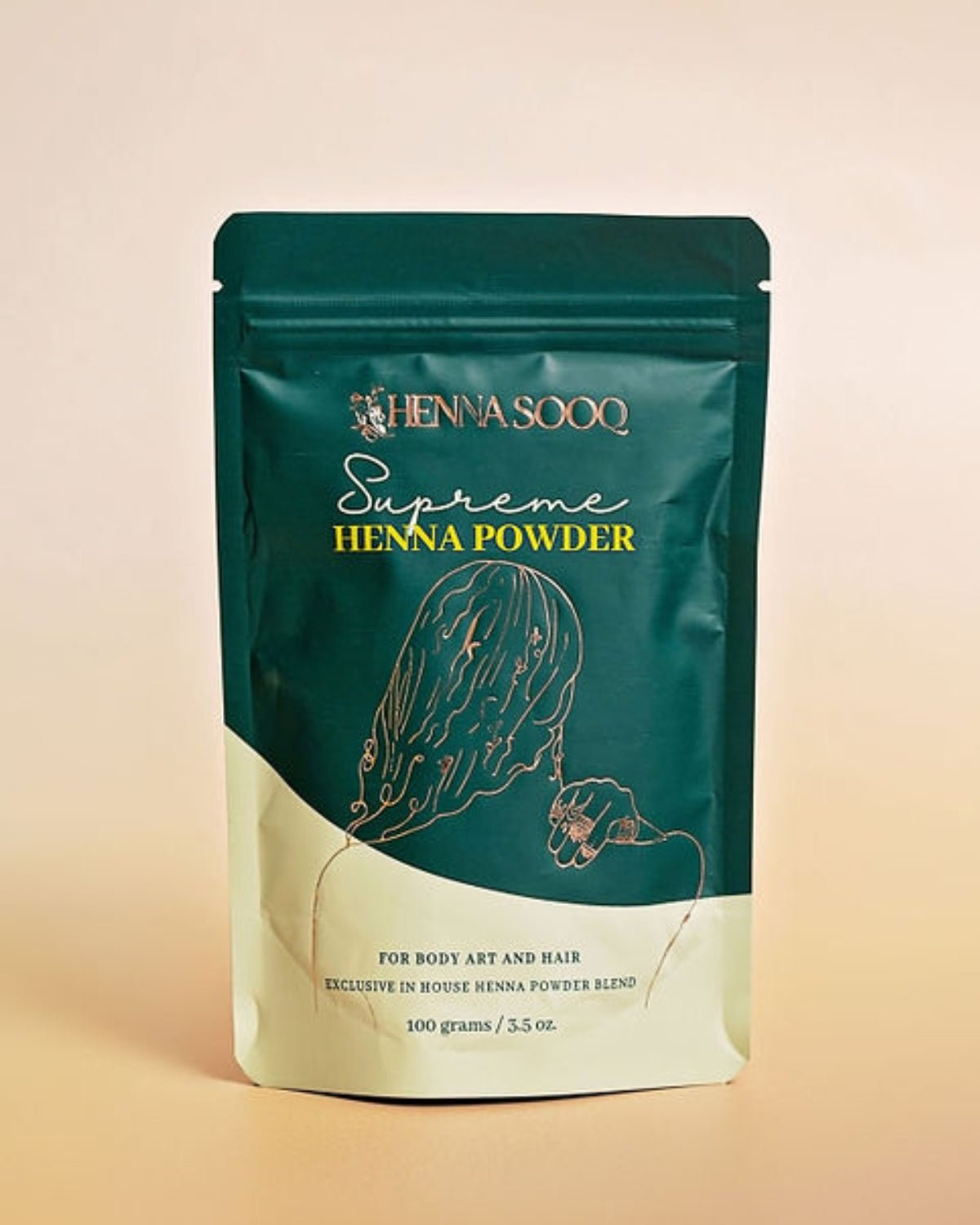
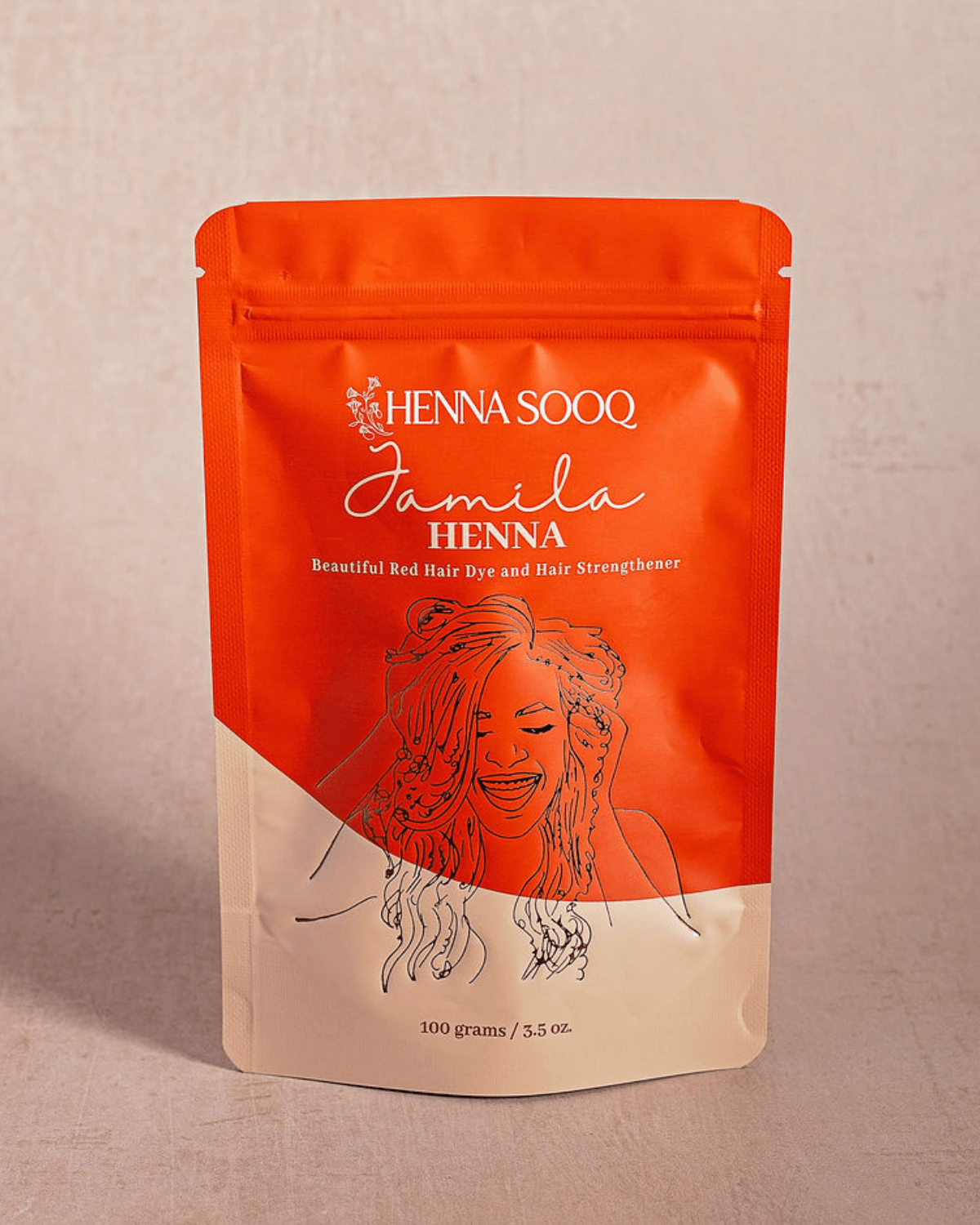


How to Mix Henna Paste Step by Step
Mixing henna paste for body art is all about building the right texture gradually. Adding ingredients in stages gives you more control and helps prevent the paste from becoming too thin.Step 1: Measure the Henna Powder and Sugar
Start with about 2 tablespoons, or roughly 25 grams, of body art quality henna powder in a glass or stainless steel bowl. Add about 1 teaspoon of sugar and mix the dry ingredients.Sugar can help the paste stay flexible on the skin and can be adjusted depending on humidity and the environment.
Step 2: Slowly Add Your Liquid
Warm about 1/4 cup of liquid without bringing it to a boil. Lemon juice, distilled water, or a combination of the two can be used depending on the recipe. If you want to understand why liquid choice matters, this deeper look at how liquids affect a henna recipe adds useful context.Add the liquid slowly while mixing rather than pouring it in all at once. At this stage, the body art henna paste should become thick and smooth, similar to thick yogurt or mud.
Step 3: Add the Essential Oil
Once the powder and liquid are combined, add about 1 teaspoon of a suitable body art essential oil and mix thoroughly.Body art recipes commonly use oils such as lavender, cajeput, tea tree, or eucalyptus. Only essential oils suitable for henna body art should be used, and they should be incorporated into the paste rather than applied undiluted to the skin.
Step 4: Let the Paste Rest for Dye Release
Allow the mixture to rest so the henna can release its dye. Dye-release timing can vary, so it can also help to understand how long henna may need to sit for dye release before judging whether the paste is ready.A simple stain test can help determine when the paste is ready. Apply a small amount to the palm for a short time, then remove it. A bright orange stain is used as an indicator that dye release has occurred.
Step 5: Adjust the Final Consistency
Once dye release has occurred, check the texture again. If the paste feels too thick, slowly add a little more liquid until it reaches a smooth, thick toothpaste or yogurt-like consistency.Avoid adding too much liquid at once. If the mixture becomes too thin, a small amount of additional henna powder can be mixed in to help thicken it.
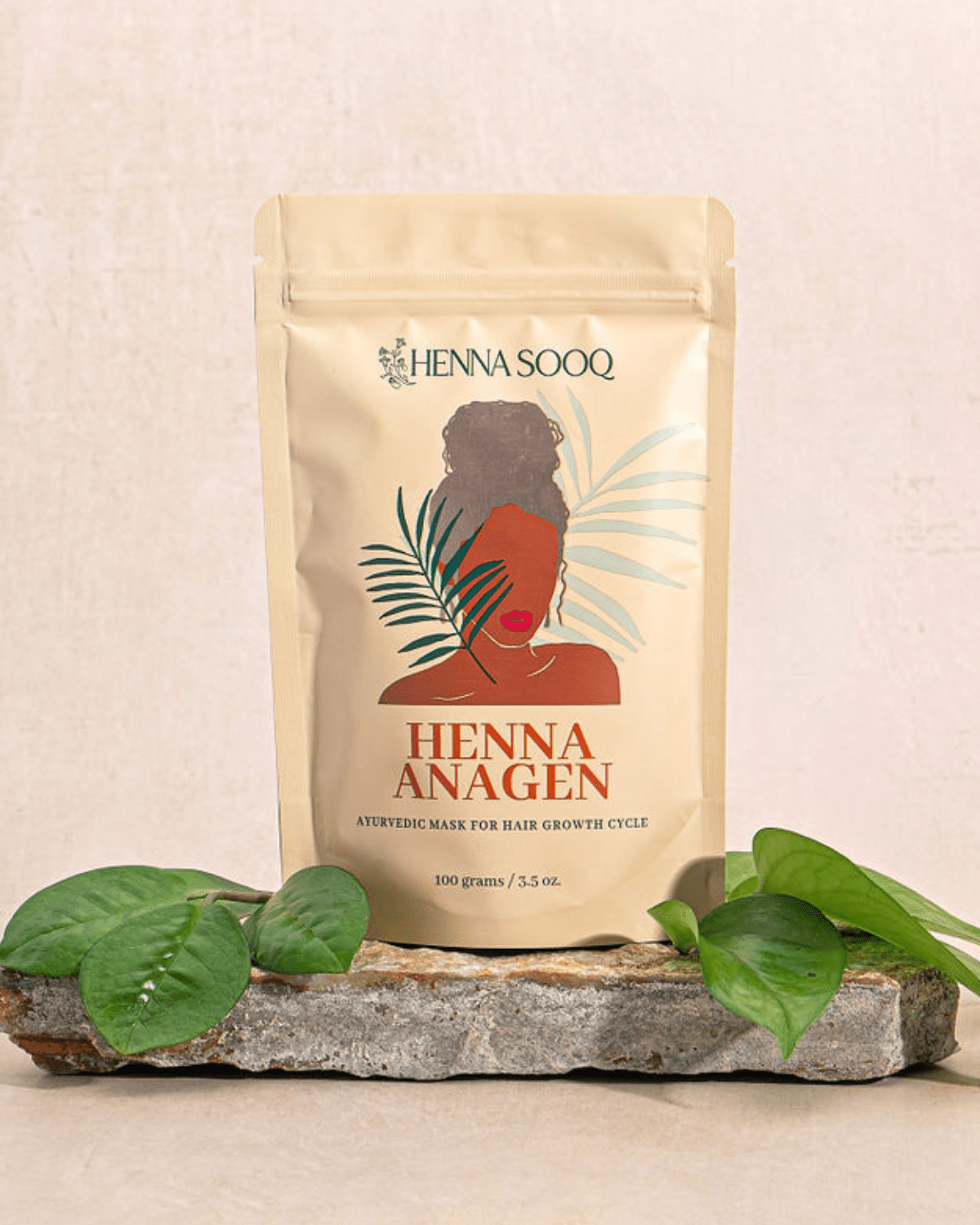


Step 6: Strain the Henna Paste
Once the paste has reached the right consistency, strain it before transferring it into your cones or applicator bottles. Straining helps remove small lumps, fibers, or particles that could disrupt the paste's flow or clog a fine-cone tip.
Work the paste through a fine strainer or a suitable straining material until the mixture is smooth and free of noticeable particles. This extra step can make the henna paste for cones easier to control, especially when creating fine lines and detailed body art.
Step 7: Fill Your Cones or Applicator Bottles
When your henna paste for cones has the texture you want, transfer it into cones or applicator bottles. The finished paste should flow smoothly through the opening while still holding the shape of the lines you create.
Use the prepared paste right away or store it appropriately for later use. Fresh henna paste can also be frozen, depending on the henna variety being used.
Taking your time during the mixing process makes it much easier to control the final consistency. Rather than trying to perfect the paste with one large addition of liquid, make small adjustments until it feels smooth, creamy, and easy to work with.
How to Adjust Paste That Feels Too Thick or Too Thin
If your henna paste feels too thick or too thin, make small adjustments rather than changing the mixture all at once. The goal is to reach a smooth consistency that flows easily through the cone while still holding the shape of your lines.
If the paste is too thick:
Add a small amount of your mixing liquid and stir thoroughly. Continue adding liquid a little at a time until the paste becomes smoother and easier to work with. Avoid pouring in too much at once, since it is easier to thin the paste gradually than to correct an overly runny mixture.
If the paste is too thin:
Add a small amount of body art quality henna powder and mix well. Give the powder time to fully incorporate before deciding whether more is needed. Adding too much powder at once can make the paste overly thick or harder to mix smoothly.
After each adjustment, test a few lines with your cone. The paste should flow with gentle pressure, create continuous lines, and hold dots and curves without spreading.
Keep in mind that your preferred consistency may vary depending on the cone opening and the type of design you are creating. Fine details usually need a smooth paste that flows easily while still staying defined.
What the Right Henna Paste Consistency Should Look Like
The right body art henna paste should be smooth, creamy, and easy to control. It needs enough body to hold the shape of your lines, but it should still flow through the cone without forcing or squeezing too hard.
A properly mixed henna paste for body art is often compared to thick yogurt or toothpaste. When you lift your spoon or spatula, the paste should fall back into the bowl in a smooth ribbon rather than breaking apart in clumps or running like liquid.
You can also check the consistency by filling a small cone and testing a few lines. The paste should:
- flow steadily from the cone tip
- create smooth, continuous lines
- hold dots and curves without spreading
- feel soft and creamy rather than grainy
- release without excessive pressure
- stay in place once applied to the skin
If the henna paste for cones feels difficult to push out or the lines keep breaking, the mixture may be too thick. If it spreads quickly or loses the shape of your design, it may be too thin.
The goal is not to reach one exact texture that works for every artist. Your preferred consistency can also depend on the cone opening and the type of design you are creating. Fine, detailed henna body art usually benefits from a smooth paste that flows easily while still keeping each line defined.
How Consistency Affects Lines and Details
The consistency of your body art henna paste directly affects how much control you have while creating a design. Paste that is smooth and balanced is easier to guide through a cone, which helps with clean lines, even dots, and more consistent details.
If the paste is too thick, it may come out unevenly, break in the middle of a line, or require too much pressure on the cone. That can make detailed henna body art harder to control and may lead to shaky or inconsistent lines.
If the paste is too thin, it may spread after application and cause fine details to blur together. Dots may flatten, curves may lose definition, and closely spaced elements can start to merge.
A well-mixed henna paste for cones should flow with gentle pressure while still holding its shape once it touches the skin. This gives you more flexibility when switching between:
- fine lines
- thicker outlines
- dots
- curves
- small details
- filled areas
For detailed human body art, it is also helpful to test the paste before starting the full design. Draw a few lines and dots on a practice surface or small area first so you can see whether the consistency matches the level of detail you want to create.
The goal is steady flow without spreading. When your henna paste for body art has the right balance, application feels more controlled, and the finished design can look cleaner and more defined.
Tips for Better Body Art Application
Once your paste is mixed and ready, good application technique can make the process much smoother. Even well-prepared henna paste for body art can be harder to control if the cone is overfilled, the tip is too large, or too much pressure is used.
Start With Clean, Dry Skin
Apply henna to clean, dry skin without lotions, oils, or creams on the area. A clean surface helps the paste sit directly on the skin instead of on top of product residue.
Before starting a larger design, make sure the area is completely dry so the paste can stay in place more easily.
Avoid Overfilling the Cone
A cone that is packed too tightly can be harder to control. Leaving enough room at the top makes it easier to hold, fold, and apply steady pressure.
For detailed henna body art, a comfortable grip can make a noticeable difference in line control.
Use Steady, Gentle Pressure
You should not need to squeeze aggressively if your body art henna paste has the right consistency. Use even pressure and let the paste flow from the tip instead of forcing it out.
Keeping your hand relaxed can also help you create smoother curves, dots, and continuous lines.
Match the Tip Size to the Design
A smaller opening works better for fine details, while a slightly larger opening can be useful for thicker lines or filled sections.
Test the cone before starting so you know how quickly the henna paste for cones flows and how wide the lines will be.
Work at a Comfortable Pace
There is no need to rush through a design. Moving steadily gives you more control and makes it easier to keep spacing and line thickness consistent.
For beginners, practicing simple lines, dots, curves, and repeated shapes can help build confidence before moving into more detailed body art. These henna designs for beginners can also give you simple patterns to practice as your cone control improves.
Let the Paste Stay Undisturbed
Once the design is applied, avoid touching or smudging the fresh paste while it begins to set. Keeping the area still can help protect the details you just created.
A smooth paste, comfortable cone, and steady application technique all work together. When each part is right, creating clean and controlled henna for body art becomes much easier.
What Beginners Should Know Before Using Henna Paste
If you are new to henna body art, start simple. Learning how the paste flows, how much pressure to use, and how quickly you like to work can be more useful at first than trying to create a highly detailed design right away.
Practice basic lines, dots, curves, and simple shapes before moving into more intricate patterns. This gives you a chance to get comfortable with your cone and understand how your body art henna paste behaves during application.
Your Paste Does Not Have to Be Perfect on the First Try
Different batches of body art henna powder can absorb liquid a little differently, so your mixture may need small adjustments. If the paste feels too thick or too thin, make gradual changes instead of trying to fix everything at once.
The more you mix and apply henna, the easier it becomes to recognize the texture that works best for your technique.
Cone Control Takes Practice
A steady hand comes with repetition. Hold the cone in a way that feels comfortable and use gentle, even pressure rather than squeezing too hard.
If your henna paste for cones is properly mixed, it should flow without excessive force. Practicing on a simple surface or small test area can help you understand the pressure needed before starting a full design.
Start With Simple Designs
Simple patterns are a great way to build confidence. Repeating lines, dots, leaves, and curved shapes can help you improve spacing, control, and consistency.
As you get more comfortable, you can gradually move into finer details and more complex body art designs. A collection of easy henna tattoo designs can give you additional ideas for building those skills gradually.
Pay Attention to Freshness and Storage
Fresh paste and properly stored body art quality henna can make the overall process easier. If you are preparing paste in advance, store it according to the guidance for the specific henna powder you are using.
If the paste changes noticeably in texture, smell, or performance, it may no longer be at its best for application.
Avoid Comparing Every Batch
Your first few batches may not all look or feel the same. Powder type, liquid amount, sugar, temperature, and humidity can all affect the final texture.
Instead of aiming for one perfect formula every time, focus on whether your natural henna paste for body art flows smoothly, holds its shape, and feels comfortable to apply. Those are the most useful signs that your paste is working well.
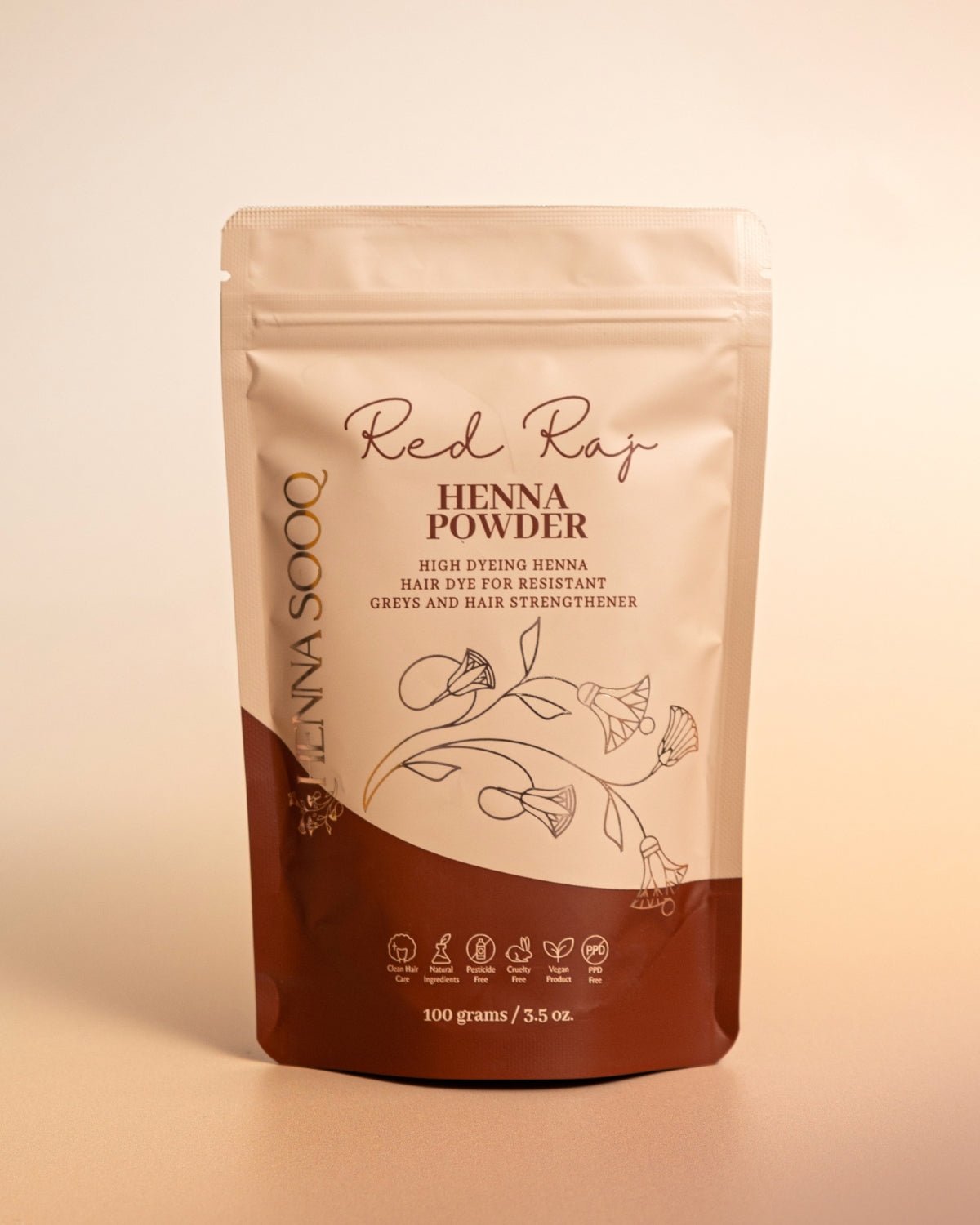

Find the Right Henna Essentials for Smoother Body Art
A smoother body art experience starts with the right setup. From finely sifted henna powder to cones and mixing essentials, having the right tools on hand can make prepping and applying your paste feel much easier.
Explore Henna Sooq body art essentials to build your setup, refresh your supplies, and get ready for your next design with everything you need in one place.
Ready to create? Shop body art henna, cones, powders, and application essentials for your next mix.
FAQs About Henna Paste for Body Art
How long does henna paste last?
Fresh henna paste for body art is perishable and should be kept frozen when it is not being used. Depending on the specific henna variety and recipe, properly frozen paste can remain usable for several months. Some body art henna guidance recommends freezing prepared paste for up to 6 to 12 months.
If you are not planning to use the paste immediately, freezing it soon after mixing and dye release helps preserve its staining ability. Always follow the storage instructions for the specific henna powder you are using.
How long does henna body art last on skin?
Henna stains are temporary and gradually fade as the outer layers of skin naturally shed. How long a design lasts can vary depending on placement, aftercare, water exposure, and individual skin characteristics.
The stain does not reach its deepest color immediately after the paste is removed. Natural henna can continue darkening for up to 24 to 48 hours before reaching its mature reddish-brown tone.
How do you store henna paste after mixing?
Once your body art henna paste has completed dye release and reached the consistency you want, it can be placed into cones, applicator bottles, or another suitable container and frozen until needed.
Fresh paste should not be treated like a shelf-stable product. Keep unused paste frozen and allow only the amount you need to thaw before your next application.
Can you use regular henna powder for body art?
For detailed designs, it is best to use body art quality henna powder. Body art powder is finely sifted so it can produce a smoother paste that moves more easily through small cone openings.
Some pure henna powders can be suitable for both hair and human body art, but not every powder is processed with detailed application in mind. Check that the powder is pure henna and specifically identified as suitable for body art before using it on skin.
How do you make henna stain darker?
One of the most important steps is allowing the paste enough time on the skin. Body art guidance recommends leaving the dried paste in place for at least 3 to 4 hours, or longer when practical, before gently removing it.
After removing the paste, avoid unnecessary water exposure while the color continues developing. Henna can take up to 48 hours to reach its final depth, so a fresh orange stain should not be judged immediately. Following henna tattoo aftercare can also help protect the stain while it deepens over the next day or two.
What color should a natural henna stain be?
Fresh natural henna typically leaves an orange stain immediately after the paste is removed. That initial color then oxidizes and develops into a deeper reddish-brown tone over the following 24 to 48 hours.
A bright orange stain during a small dye-release test is also used as an indication that freshly mixed natural henna paste for body art is ready for application.
How can you tell if henna paste is still fresh?
Proper storage is one of the best ways to protect the freshness of henna paste. Because fresh paste is perishable, paste that will not be used immediately should be frozen rather than left at room temperature for extended periods.
You can also perform a small stain test before beginning a full design. If the paste has completed dye release, a short test on the palm should produce a noticeable bright orange stain.
Why does henna paste crack after it dries?
Some cracking and flaking is normal as henna paste for skin dries. Movement in areas such as hands and fingers can cause the dried paste to loosen more quickly.
Keeping the design relatively still and allowing the paste to remain on the skin for several hours can help. A lemon-sugar sealant is also traditionally used to help dried paste stay attached to the skin longer.
Where does henna stain darkest on the body?
Henna generally develops its deepest stains on areas with thicker skin, particularly the palms, fingertips, and soles of the feet. These areas tend to produce richer results than thinner-skinned areas such as the arms, legs, or back.
Placement is only one factor, though. The freshness of the henna for body art, application time, warmth, and aftercare can also influence how the final stain develops.


