




Postpartum Hair Loss: Natural Ayurvedic Hair Care Tips for Thinning and Shedding
Postpartum hair loss can feel overwhelming, especially when you are already adjusting to life after pregnancy. One day your hair may seem normal, and then suddenly you are noticing more strands in the shower, on your brush, or around your hairline. This kind of hair shedding after baby is common, but that does not make it any less stressful when it is happening to you.
New moms begin searching for postpartum hair loss remedies when they notice extra shedding, thinning, or fragile strands. The important thing to know is that hair loss after pregnancy is often connected to natural changes in the body after birth, and it is not the same as permanent hair loss. Still, your hair and scalp may need extra gentle care during this season.
This article focuses on natural, supportive hair care, including Ayurvedic herbs for hair growth, moisture-focused masks, gentle cleansing, and simple habits that can help reduce unnecessary breakage.
We’ll walk through the difference between postpartum hair shedding and postpartum hair breakage, natural remedies for hair loss after pregnancy, and practical postpartum hair regrowth tips to support healthier-looking hair over time. For more background, this guide on Ayurvedic hair care for hormonal changes offers helpful context.
Why Hair Loss Happens After Pregnancy
Hair loss after pregnancy usually happens because of the natural hormone changes that occur after giving birth. During pregnancy, higher estrogen levels can keep more hairs in the growth phase for longer. This is why some people notice fuller-looking hair while pregnant.
After birth, estrogen levels begin to return to their usual range. As that shift happens, many of the hairs that stayed in the growth phase during pregnancy may move into the shedding phase around the same time. This can lead to noticeable postpartum hair shedding a few months after delivery. Dermatologists often describe this as telogen effluvium, which means increased hair shedding triggered by a change in the body.
Understanding the Hair Cycle
Hair naturally moves through a cycle. Not every strand is in the same phase at the same time, which is why normal daily shedding happens even when your hair is healthy.
The main phases are:
- Anagen, the growth phase: This is when the hair is actively growing. During pregnancy, more hairs may stay in this phase longer because of higher estrogen levels.
- Catagen, the transition phase: This is a short phase where the hair stops actively growing and begins moving toward rest.
- Telogen, the resting phase: The hair rests before it eventually sheds.
- Shedding phase: The old hair releases, and the follicle can begin the cycle again.
With postpartum hair loss, the issue is not usually that your hair suddenly becomes unhealthy. Instead, more hairs shift into the resting and shedding phases at the same time after childbirth. That is why postpartum hair fall can feel sudden or excessive, even though it is often temporary.
Why It Can Look Like Thinning
Postpartum hair shedding can show up differently from person to person. Some moms notice extra hair in the shower or on the brush. Others notice postpartum thinning hair around the hairline, temples, part line, or edges.
This can feel alarming, but postpartum shedding is usually different from permanent hair loss. It is more like a delayed release of hairs that stayed longer during pregnancy and then shed together after birth.
That said, if shedding feels extreme, continues longer than expected, causes bald patches, or comes with symptoms like fatigue, dizziness, scalp irritation, pain, or sudden changes in your overall health, it is best to speak with a healthcare professional.
Postpartum shedding is common, but thyroid changes, low iron, stress, nutritional deficiencies, or other health concerns can also contribute to hair loss.
Postpartum Hair Loss vs. Postpartum Hair Breakage
Postpartum hair loss and postpartum hair breakage can look similar at first, but they are not the same. Postpartum hair loss usually means strands are shedding from the root, while postpartum hair breakage means the hair is snapping somewhere along the strand.
| Postpartum Hair Loss | Postpartum Hair Breakage | |
|---|---|---|
| What it means | Hair sheds from the root as part of the hair cycle after pregnancy. | Hair snaps or breaks along the strand before it naturally sheds. |
| What you may notice | Full strands in the shower, brush, pillow, or around the house. | Short broken pieces, uneven ends, frizz, or tiny hairs around the hairline. |
| Common timing | Often starts a few months after giving birth as hormones shift. | Can happen anytime hair becomes dry, fragile, tangled, or stressed. |
| Common causes | Normal postpartum hormone changes that shift more hairs into the shedding phase. | Dryness, rough detangling, tight hairstyles, tension, heat, or fragile ends. |
| How it may look | Overall postpartum hair shedding or thinning around the hairline, temples, or part line. | Uneven lengths, frizzy areas, snapping ends, or breakage around high-tension areas. |
| Hair care focus | Support the scalp, be gentle, and allow the hair cycle time to settle. | Focus on moisture, gentle detangling, low-tension styles, and strengthening fragile strands. |
Many people experience both postpartum hair shedding and postpartum hair breakage at the same time. That is why a gentle postpartum hair care routine should care for the scalp while also protecting the lengths and ends from unnecessary snapping.
Natural Hair Care Support After Pregnancy
Natural remedies for hair loss after pregnancy should focus on gentle support, not quick fixes. Postpartum hair loss is usually connected to the body’s normal hormone shift after giving birth, so a natural routine cannot always stop the shedding completely. What it can do is help care for the scalp, reduce unnecessary breakage, and support fragile strands while the hair cycle settles.
A good natural postpartum hair care approach usually includes simple, consistent habits:
Be gentle with your scalp and strands
Avoid rough brushing, tight styles, and harsh handling when postpartum hair shedding is already active. Gentle care helps reduce extra breakage while the hair is in a more delicate season.
Use moisture-focused hair masks
Hair that feels dry or brittle is more likely to snap. Hair that feels dry or brittle is more likely to snap, so learning how to choose a hair mask for damaged hair can help make wash day gentler. Moisturizing masks can help soften the hair, improve manageability, and support strands that feel fragile after pregnancy.
Try Ayurvedic hair care for scalp and root support
Ayurvedic herbs for scalp and strand support, strength, and scalp care can be helpful in a natural postpartum hair care routine. Henna Sooq’s Ayurvedic hair care collection focuses on herbs, powders, masks, teas, and treatments that support growth, strength, thickness, scalp care, moisture, and shine.
Support thinning hair with strengthening treatments
If you are noticing postpartum thinning hair, choose treatments that focus on stronger-feeling strands and less breakage. This guide to thin hair that breaks easily offers more support for fragile strands.
Keep cleansing gentle
A clean scalp matters, but overly harsh cleansing can leave the hair feeling dry. Gentle cleansing support can help keep the scalp fresh without making already fragile hair feel stripped.
Stay consistent, but patient
Postpartum hair regrowth tips work best when they are realistic. A steady routine with scalp care, moisture, gentle detangling, and low-tension styling can help your hair look and feel healthier while new growth comes in.
If postpartum hair fall feels extreme, lasts longer than expected, creates bald patches, or comes with other symptoms, it is best to check in with a healthcare professional. Natural hair care can support the hair and scalp, but it should not replace medical guidance when something feels outside the normal postpartum shedding window.


Best Ayurvedic Herbs for Postpartum Hair Care
Ayurvedic herbs can be a gentle way to support postpartum hair care, especially when your hair feels thinner, weaker, drier, or more fragile than usual. They cannot stop the natural hormone-related shedding that often happens after birth, but they can help support the scalp, improve moisture, reduce unnecessary breakage, and make the hair easier to manage.The best herb for your routine depends on what your hair needs most. Some herbs are better for scalp care, some help with slip and moisture, and others are used to support stronger-feeling strands.
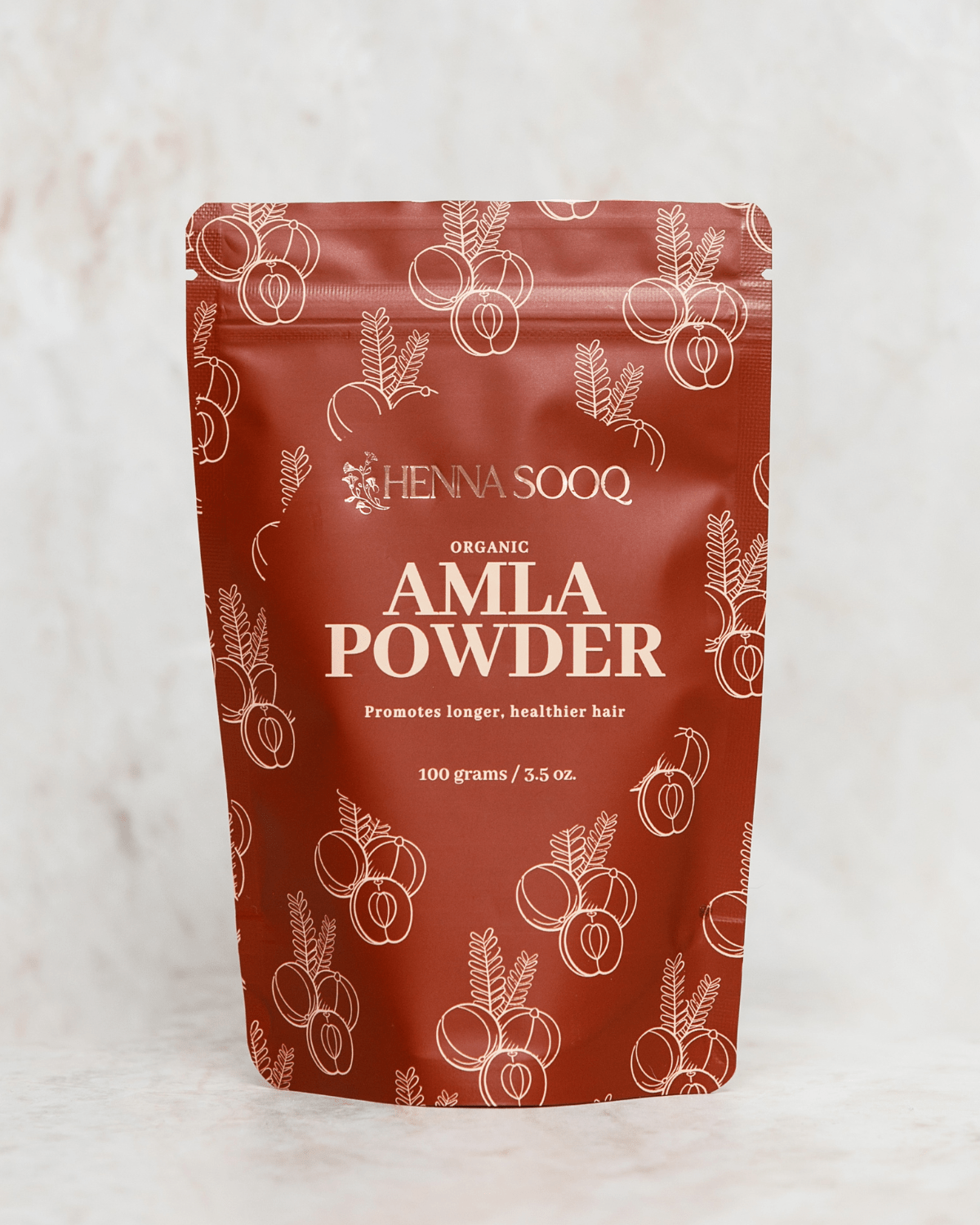
Amla for Postpartum Thinning Hair
Amla is one of the most commonly used Ayurvedic herbs for hair care, and this guide on how to use amla powder for hair explains more ways it can fit into a natural routine. It is often included in natural routines for scalp support, stronger-feeling hair, and healthier-looking growth over time.For postpartum thinning hair, amla can be helpful when the hair feels delicate or less full than usual. It is often used in masks, rinses, or oil infusions as part of a gentle strengthening routine.
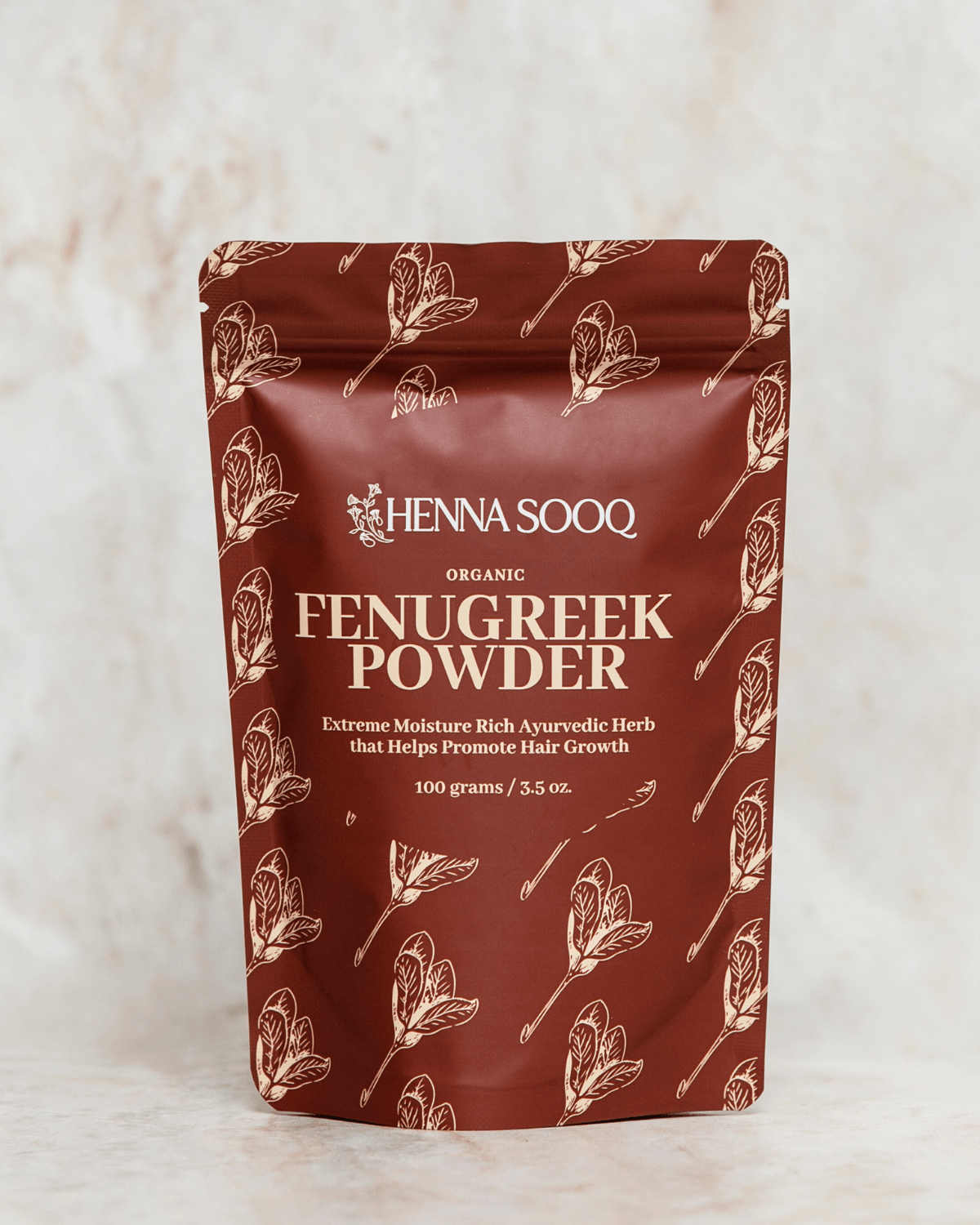
Fenugreek for Slip, Moisture, and Shedding Support
Fenugreek is especially useful when the hair feels tangled, dry, or difficult to detangle. It is known for adding slip, which can make wash day easier and help reduce pulling on fragile strands.During postpartum hair shedding, gentle detangling matters. Fenugreek can support a softer, more manageable feel, which may help reduce extra breakage while the normal shedding cycle settles.
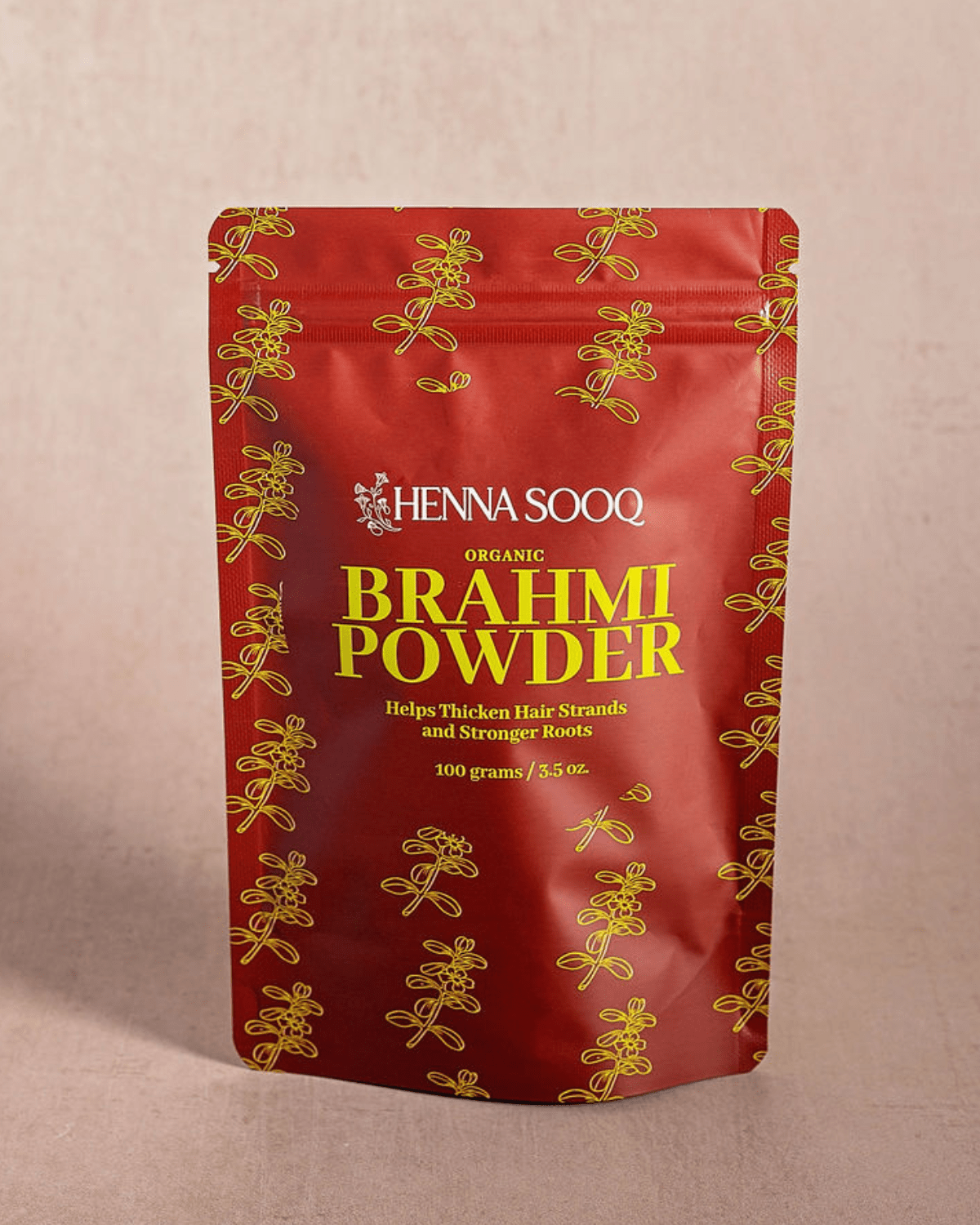
Brahmi for Scalp and Root Support
Brahmi is traditionally used in Ayurvedic hair care for scalp and root-focused support. It is often chosen when the scalp needs gentle attention, and the hair feels weak near the roots.For postpartum hair care, brahmi can fit into masks or oil blends when the goal is to support the scalp and help the hair feel stronger from the root area.
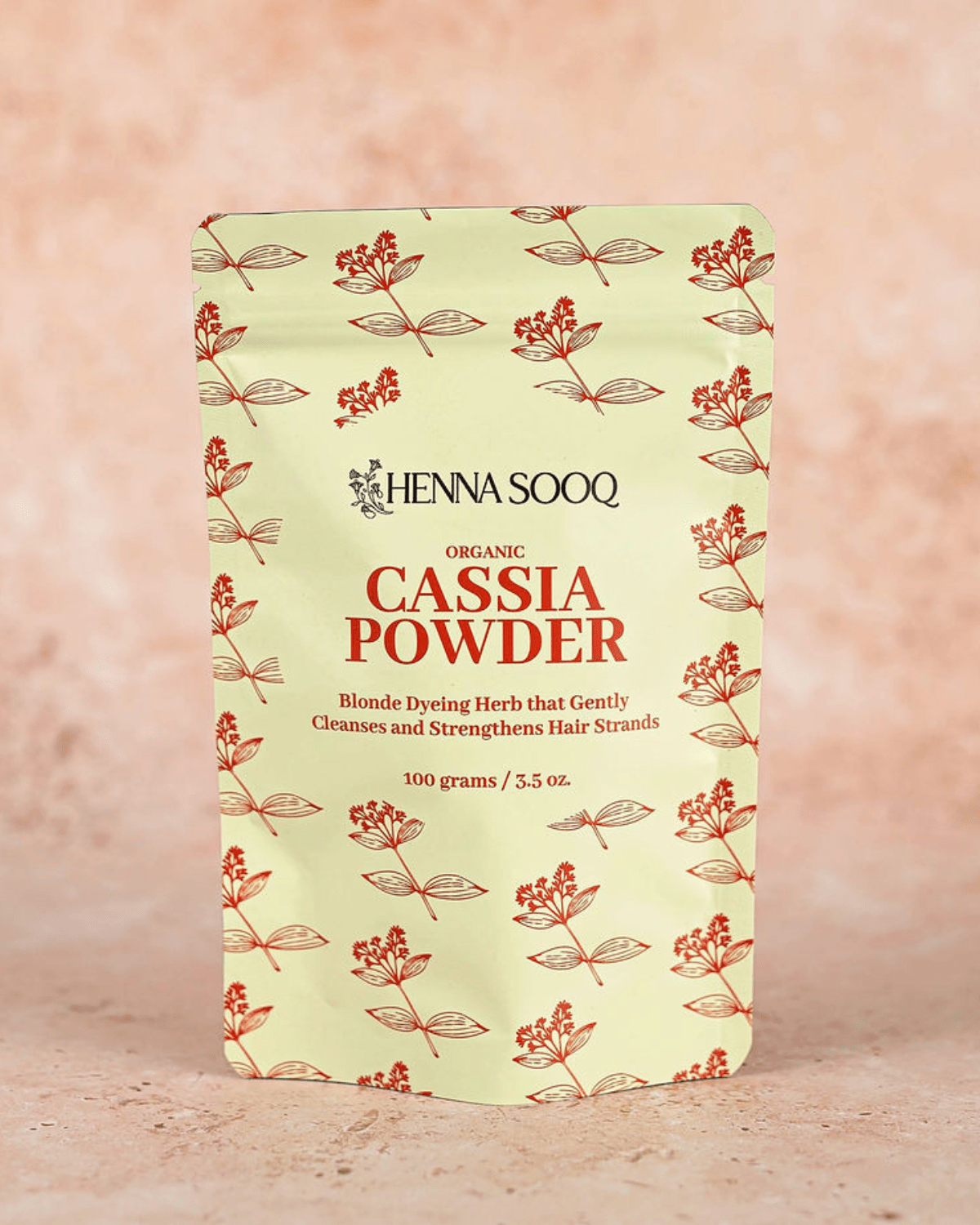
Cassia for Strengthening Fragile Strands
Cassia is often used when hair needs strengthening support without a dramatic color change. It can help fragile strands feel fuller, smoother, and more resilient.This can be useful for postpartum hair breakage, especially when the hair feels weak along the lengths or ends. Cassia is best used as part of a balanced routine that also includes moisture, since overly dry hair can become more prone to snapping.
Hibiscus for Softness and Hair Care Support
Hibiscus is often used in herbal hair masks for softness and overall hair care support. It can help hair feel smoother, more conditioned, and easier to manage.
For postpartum hair that feels dry, rough, or less defined, hibiscus can be a helpful addition to moisture-focused masks. It pairs well with other gentle herbs when the goal is softness and manageability.
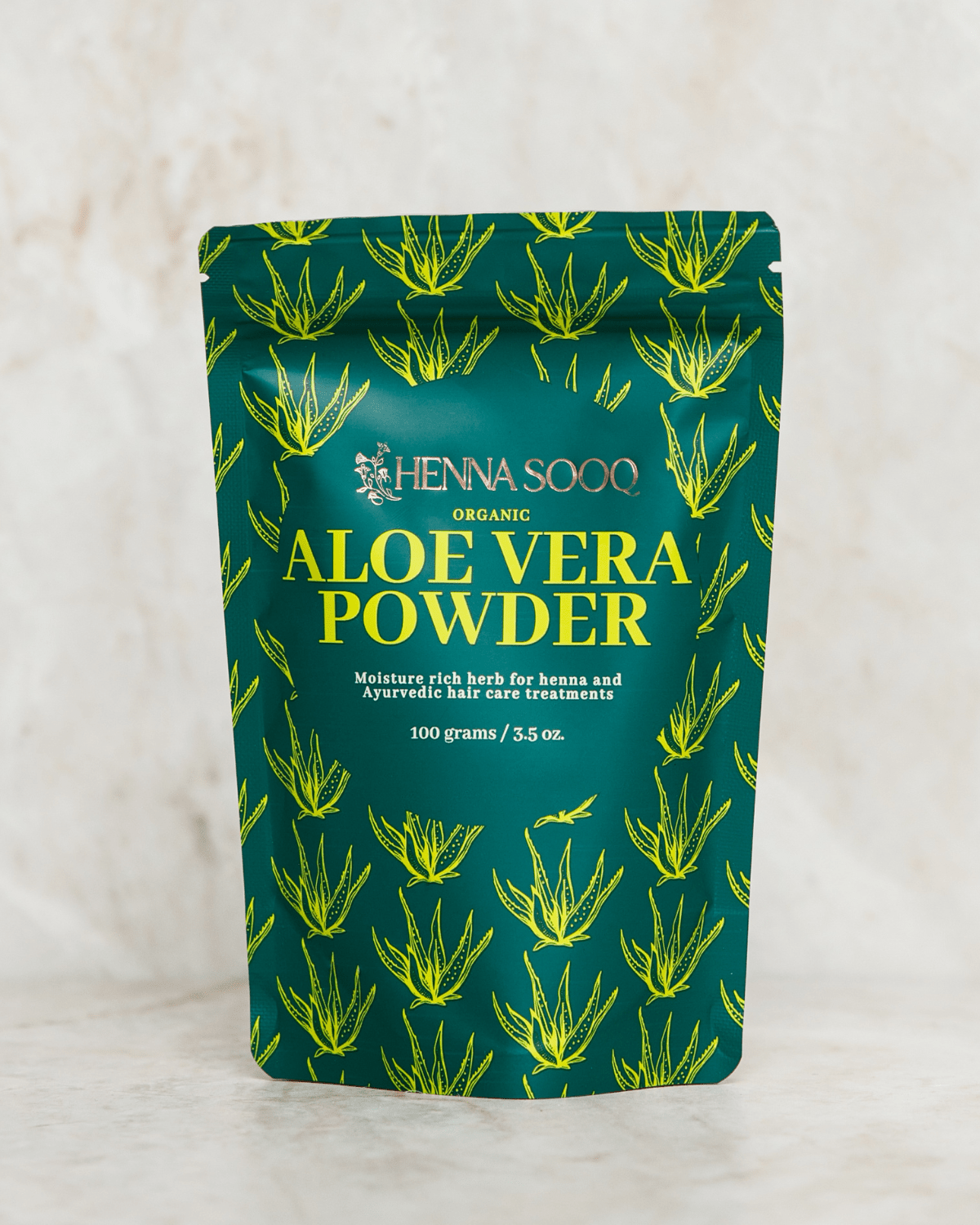
Aloe Vera for Moisture and Gentle Hair Masks
Aloe vera is a moisture-supporting ingredient that can help make herbal hair masks feel gentler on the hair. It is often used when strands feel dry, rough, or in need of extra softness.
For postpartum hair care, aloe vera can be especially useful if your hair feels brittle or easily tangled. It helps support a smoother feel, which can make detangling and styling less stressful on fragile strands.
Shikakai for Gentle Cleansing Support
Shikakai is commonly used in Ayurvedic hair care for gentle cleansing support. It can help refresh the scalp and hair without making the routine feel overly harsh.
This can be helpful during postpartum shedding, especially if your scalp feels weighed down by oils, styling products, or buildup. A clean scalp can support a more balanced hair care routine.
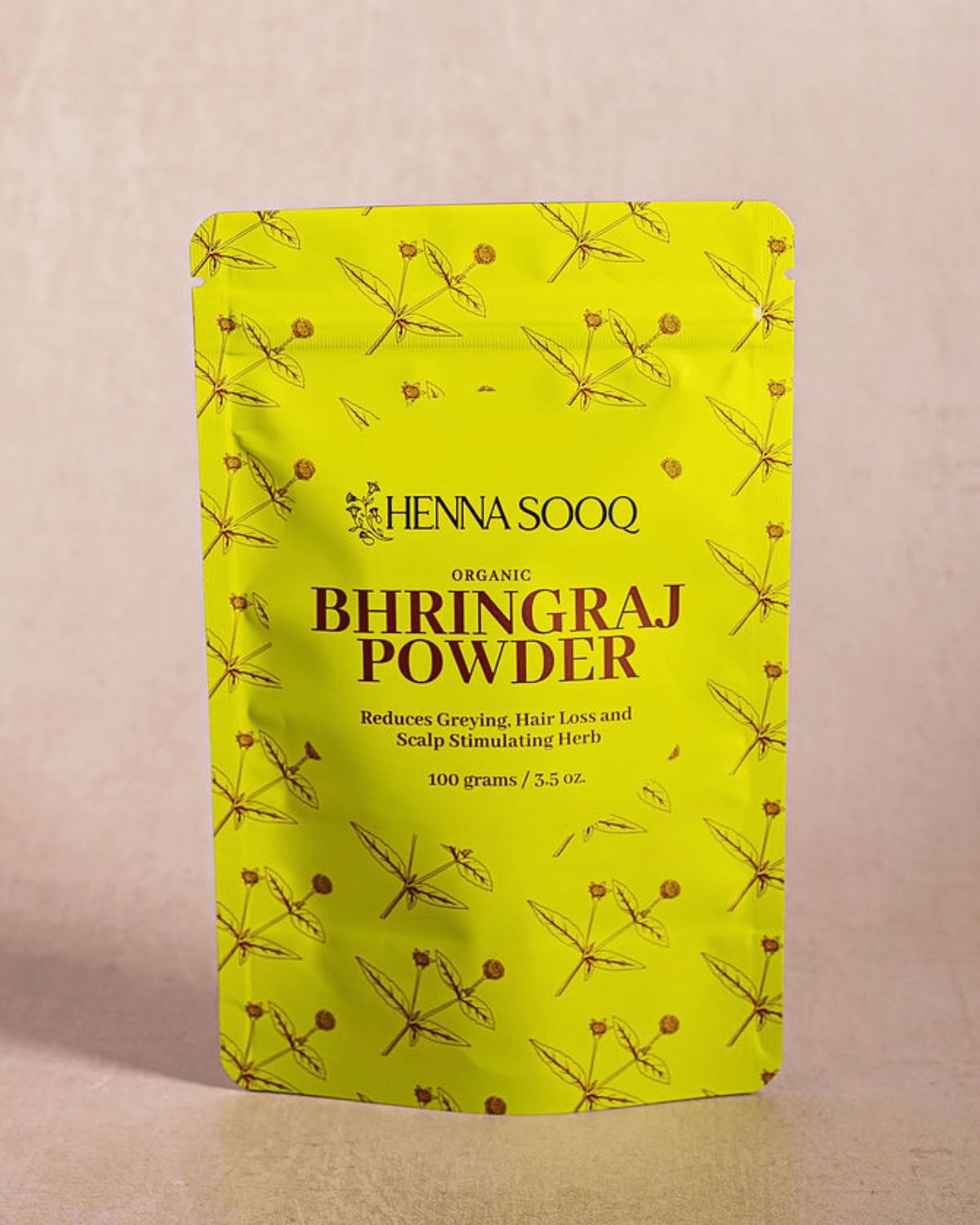
Bhringraj for Ayurvedic Scalp Care
Bhringraj is traditionally used in Ayurvedic scalp care and is often included in routines focused on roots and stronger-looking hair. It is best thought of as scalp support rather than a quick fix for postpartum hair loss.
For postpartum hair care, bhringraj can be used in masks, rinses, or oil infusions as part of a consistent routine. Like other herbs, it works best when paired with gentle handling, moisture, and low-tension styling.
This guide on how to use bhringraj for hair and scalp goes deeper into that herb.
A Gentle Postpartum Hair Care Routine for Thinning and Shedding
When you are dealing with postpartum hair shedding, the goal is not to do more. The goal is to do less damage, support the scalp, and keep fragile strands moisturized while the hair cycle settles.
A simple routine can help you care for postpartum thinning hair without adding extra stress to your week.
Cleanse gently
Start with a gentle wash routine that keeps the scalp clean without making the hair feel stripped. A clean scalp can help your hair feel fresher and lighter, especially if you are using oils, masks, or styling products between wash days.
Avoid rough scrubbing. Instead, use your fingertips to massage the scalp gently, then let the cleanser rinse through the lengths.
Use a moisture-focused mask
Postpartum hair breakage can become more noticeable when the hair feels dry, tangled, or brittle. A moisture-focused mask can help soften the strands and make detangling easier.
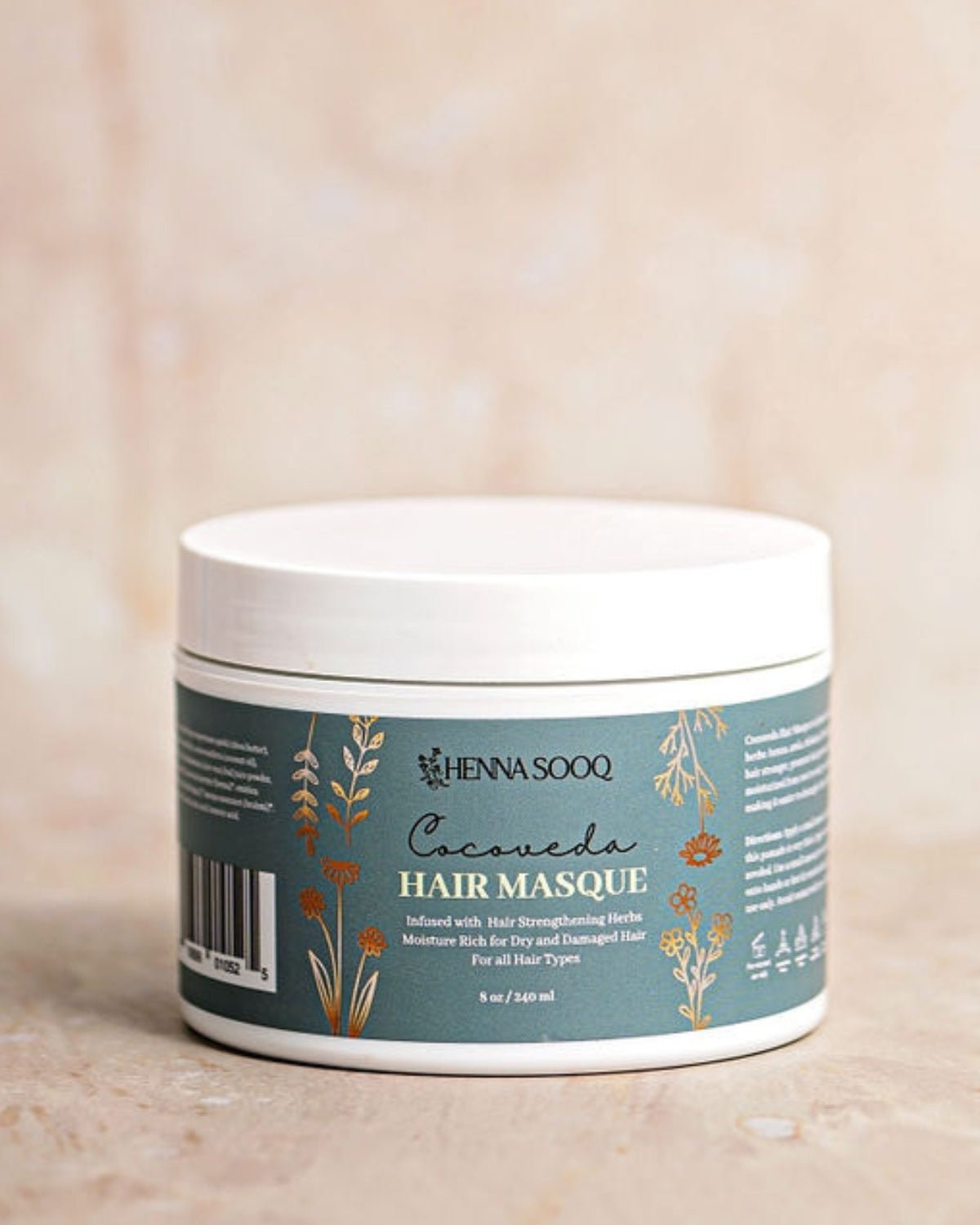
Look for ingredients that support softness, slip, and manageability, such as aloe vera, fenugreek, hibiscus, or other moisture-supporting herbs. The goal is to make the hair easier to handle so you are not pulling or snapping fragile strands.
This guide to the best Ayurvedic hair masks can help you understand which mask ingredients fit different hair needs.
Detangle slowly and in sections
Detangling is one of the moments when shedding can feel the most intense. Work in small sections, start from the ends, and move upward slowly.
Use your fingers or a wide-tooth comb, and avoid rushing through knots. If your hair feels dry while detangling, add a little moisture or slip before continuing.
Support the scalp with light care
A gentle scalp massage can be a calming way to care for your scalp, but it should never feel rough or aggressive. If you use a hair oil or herbal tea rinse, keep it light and focus on comfort.
The goal is scalp support, not forcing growth. Postpartum hair loss is usually tied to the hair cycle after pregnancy, so your routine should be gentle and consistent rather than intense.
Choose low-tension styles
Tight buns, ponytails, braids, and slicked-back styles can add tension to areas that may already feel thinner, especially around the hairline and temples.
Choose softer styles when possible. Loose braids, low buns, satin scrunchies, claw clips, and low-tension protective styles can help reduce extra stress on the hair.
Protect your hair while you sleep
Nighttime friction can contribute to tangles and breakage. Sleeping on a satin or silk pillowcase, or covering the hair with a satin scarf or bonnet, can help keep strands smoother overnight.
This is especially helpful if you are experiencing postpartum hair fall and breakage at the same time.
Keep the routine simple
Postpartum life is busy, and your hair care routine should not feel like another full-time job. A simple routine done consistently is better than a complicated routine you cannot keep up with.
Start with the basics: cleanse gently, add moisture, detangle carefully, avoid tight styles, and protect your hair at night. These small steps can help support healthier-looking hair while your shedding phase runs its course.
Postpartum Hair Regrowth Tips for Healthier-Looking Hair
Postpartum hair regrowth takes time, and it is important to be patient with your hair while the shedding phase settles. The goal is not to force instant growth, but to create a gentle routine that supports your scalp, protects fragile strands, and helps new growth look and feel healthier.
Be patient with the hair cycle
Postpartum hair shedding is usually connected to the natural hair cycle after giving birth. More hairs may shed at the same time, then the cycle gradually settles again.
During this stage, try not to panic every time you see hair in the shower or brush. Focus on gentle care and watch for signs of new growth around the hairline, temples, or part line over time.
Support the scalp without overdoing it
A clean, cared-for scalp can help your routine feel more balanced. Use gentle cleansing, avoid heavy buildup, and massage the scalp softly with your fingertips when washing or applying light oils.
Avoid aggressive scalp scrubbing or intense brushing. When your hair is already shedding, rough handling can make the process feel worse and may add breakage.
Keep hair moisturized and easier to detangle
Dry hair is more likely to tangle and snap. Moisture-focused masks, herbal treatments, and gentle conditioning steps can help make the hair softer and easier to handle.
This is especially helpful if you are dealing with postpartum hair breakage along with shedding. The less your hair tangles, the less pulling and snapping you may experience on wash day.
Choose low-tension styles
New growth and thinning areas can be delicate. Tight buns, sleek ponytails, tight braids, and heavy extensions may put extra stress on the hairline and roots.
Go for softer, low-tension styles while your hair is recovering. Loose braids, low buns, satin scrunchies, and gentle protective styles can help reduce unnecessary stress on fragile areas.
Focus on length retention
When people think about postpartum hair regrowth tips, they often focus only on new hair coming in. But keeping the hair you already have from breaking is just as important.
Protect the ends, detangle carefully, sleep on satin or silk, and trim split ends when needed. These habits can help your hair look fuller and healthier as your growth cycle normalizes.
Keep your routine simple and consistent
A postpartum routine should feel doable. You do not need a long list of treatments to support your hair.
Start with the basics: gentle cleansing, moisture, careful detangling, scalp care, and low-tension styling.
What to Avoid When Your Hair Is Shedding After Baby
When you are dealing with hair shedding after a baby, your hair may already feel more delicate than usual. The goal is to avoid habits that add extra tension, dryness, or breakage while your natural hair cycle adjusts.
Avoid tight hairstyles: Tight ponytails, buns, braids, slicked-back styles, and heavy extensions can pull on the hairline and roots. This can make postpartum thinning hair look more noticeable, especially around the edges and temples.
Avoid rough detangling: Rushing from the roots down, tugging through knots, or detangling dry, tangled hair can lead to postpartum hair breakage. If your strands feel weak or stressed, these tips to repair and strengthen natural hair can help you build a gentler routine.
Avoid over-washing or harsh cleansing: Cleansing too often or using products that leave the hair feeling stripped can make strands feel drier and more fragile. A gentle wash routine is better when postpartum hair shedding and dryness are happening at the same time.
Avoid skipping moisture: Dry hair is more likely to tangle, snap, and feel rough. Moisture-focused masks, gentle conditioners, and lightweight oils can help keep the hair easier to manage.
Avoid too much heat styling: Frequent heat can make fragile hair feel drier and weaker. If you use heat, keep it minimal and gentle, especially while dealing with postpartum hair fall or thinning.
Avoid constantly checking and stressing over shedding: Seeing extra hair in the shower or brush can feel scary, but repeatedly pulling, checking, or brushing to “test” shedding can add more stress to the hair. Track changes calmly over time instead.
Avoid heavy product buildup on the scalp: Oils, butters, and styling products can be helpful in the right amount, but too much buildup may make the scalp feel coated or uncomfortable. Keep the scalp clean and balanced without over-scrubbing.
Avoid expecting instant results: Natural remedies for hair loss after pregnancy can support the scalp and strands, but they cannot force the postpartum hair cycle to stop overnight. Gentle, consistent care is the better approach.
If shedding feels extreme, continues longer than expected, causes bald patches, or comes with symptoms like fatigue, dizziness, or major scalp irritation, it is best to speak with a healthcare professional. Postpartum hair loss is common, but your overall health matters too.

Ready to Support Your Postpartum Hair Care Journey?
Postpartum hair loss can feel emotional, but your hair deserves patience and gentle care while your body adjusts after birth. Instead of chasing quick fixes, focus on a simple routine that supports your scalp, adds moisture, protects fragile strands, and helps reduce unnecessary breakage.
Explore Henna Sooq’s Ayurvedic hair care options if you want to build a natural, supportive routine with herbs, masks, oils, and gentle cleansing products. Start small, choose what fits your hair’s current needs, and give your postpartum hair care journey time to feel steady again.
FAQs About Postpartum Hair Loss
Is postpartum hair loss normal?
Yes, postpartum hair loss is common after giving birth. It is usually connected to hormone changes that happen after pregnancy, when more hairs shift into the shedding phase around the same time.
This type of hair shedding after a baby is often temporary. The American Academy of Dermatology notes that many new moms see noticeable shedding a few months after having a baby, and Johns Hopkins Medicine explains that hair often returns to its normal growth cycle within about 6 to 12 months.
When does postpartum hair loss start?
Postpartum hair loss often starts a few months after giving birth. It may show up as extra strands in the shower, more hair in your brush, or thinner-looking areas around the hairline, temples, or part line.
The timing can vary from person to person. If shedding starts suddenly, feels extreme, causes bald patches, or comes with other symptoms, it is best to check in with a healthcare professional.
When does postpartum hair loss stop?
Postpartum hair shedding usually improves as the hair cycle settles. Johns Hopkins Medicine notes that hair often returns to its normal growth cycle within about 6 to 12 months after birth.
If postpartum hair fall continues longer than expected, becomes severe, or does not seem to improve, a healthcare professional or dermatologist can help check for other causes, such as thyroid changes, low iron, stress, or other health concerns.
Can Ayurvedic herbs help with postpartum hair shedding?
Ayurvedic herbs cannot stop the normal hormone-related shedding cycle after birth, but they can support the scalp and help care for fragile strands during postpartum hair shedding.
Herbs such as amla, brahmi, bhringraj, and fenugreek are commonly used in Ayurvedic hair care for scalp, root, moisture, and length-retention support. Fenugreek is also used for slip, which can make detangling gentler when hair is shedding. Other natural ingredients, such as chebe, may be used in length-retention routines, but they should not be presented as a way to stop postpartum shedding.
What can support postpartum shedding and fragile hair?
For postpartum hair loss, focus on gentle support rather than quick fixes. A helpful routine may include a gentle cleanser, moisture-focused hair mask, scalp care, low-tension styling, and careful detangling.
For natural postpartum hair care, Ayurvedic herbs and masks can be used to support the scalp, roots, moisture, strength, and breakage reduction. Henna Sooq’s hair loss collection focuses on herbal ingredients for strengthening roots, supporting healthy hair growth, and reducing breakage.
Can you avoid postpartum hair loss?
You usually cannot fully avoid postpartum hair loss because it is tied to natural hormone changes after pregnancy. During pregnancy, more hairs can stay in the growth phase; after birth, those hairs may shed as hormone levels return to normal.
What you can do is reduce extra breakage while the shedding phase passes. Avoid tight styles, rough brushing, harsh cleansing, and too much heat. Gentle hair care can help protect the hair you still have while new growth comes in.
What are the best herbs for postpartum hair loss?
The best herbs for postpartum hair support depend on your hair’s needs. Amla, brahmi, bhringraj, and fenugreek are commonly used in Ayurvedic routines for scalp and strand support, while cassia, aloe, hibiscus, and shikakai can support strength, moisture, softness, and gentle cleansing.
For postpartum hair thinning, choose herbs based on your main concern. If your hair feels dry and tangled, fenugreek and aloe may help with slip and moisture. If your scalp and roots need support, brahmi and bhringraj are common Ayurvedic choices.
How can I strengthen my hair after pregnancy?
To strengthen hair after pregnancy, focus on reducing breakage while your hair cycle settles. Use gentle cleansing, moisture-rich masks, careful detangling, and low-tension styles.
Hair that feels fragile after pregnancy may also benefit from strengthening herbs, scalp-supporting treatments, and regular moisture care. Avoid rough handling, tight ponytails, heavy extensions, and frequent heat styling when postpartum hair shedding is active.
What is the best natural routine for postpartum hair loss?
The best natural routine for postpartum hair loss is simple and gentle. Start with a mild cleanse, use a moisturizing or strengthening hair mask, detangle slowly in sections, support the scalp lightly, and choose low-tension hairstyles.
A postpartum hair loss treatment natural routine should not be harsh or complicated. The goal is to care for the scalp, keep strands moisturized, reduce unnecessary breakage, and give the hair cycle time to normalize.
Can hair grow back after postpartum shedding?
Yes, hair often grows back after postpartum shedding. Postpartum hair loss is commonly temporary, and Johns Hopkins Medicine notes that hair often returns to its normal growth cycle within about 6 to 12 months.
New growth may first appear around the hairline, temples, or part line as shorter hairs. While the hair is growing back, gentle care, moisture, low-tension styling, and breakage prevention can help your hair look and feel healthier.


