




Red Henna Hair Dye Tips for Healthy, Shiny Red Hair
If you’ve been dreaming of vibrant, healthy red hair without the harsh chemicals, red henna hair dye might be exactly what you’re looking for. Made from the powdered leaves of the lawsonia inermis plant, this natural henna hair dye offers a safer, more nourishing alternative to synthetic red hair dye. Whether you're after a bright copper glow or a dark red hair dye finish, henna red color adapts beautifully to your hair’s unique undertones while giving it a glossy, rich shine.
But not all henna is created equal. From choosing the best red hair dye to learning how to apply and maintain it, this blog will walk you through everything you need to know about achieving long-lasting, shiny red hair the natural way. We’ll also answer common questions about henna red hair color, how to prep for your first application, and how to avoid the most common mistakes, especially if you’re switching from chemical color to pure henna hair dye.
What Is Red Henna Hair Dye and How Does It Work?
Red henna hair dye is made from the powdered leaves of the Lawsonia inermis plant, a natural, time-tested botanical that has been used for centuries to color hair and skin. When mixed with a liquid (like warm distilled water or herbal tea), henna releases a red-orange dye molecule called lawsone, which binds to the keratin in your hair strands, coating them in a vibrant red henna color.
Chemical dyes penetrate the hair shaft and can damage the hair structure. Natural henna hair dye works by layering color onto the hair’s surface. This not only adds rich color but also strengthens, thickens, and smooths the hair, leaving it shiny, soft, and healthier over time.
Depending on your starting color, red henna can give you a range of results from coppery tones on light or grey hair to deep red hues or dark red hair dye results on darker bases. The final color is uniquely yours, as henna red hair color blends beautifully with your natural tones for a multidimensional finish.
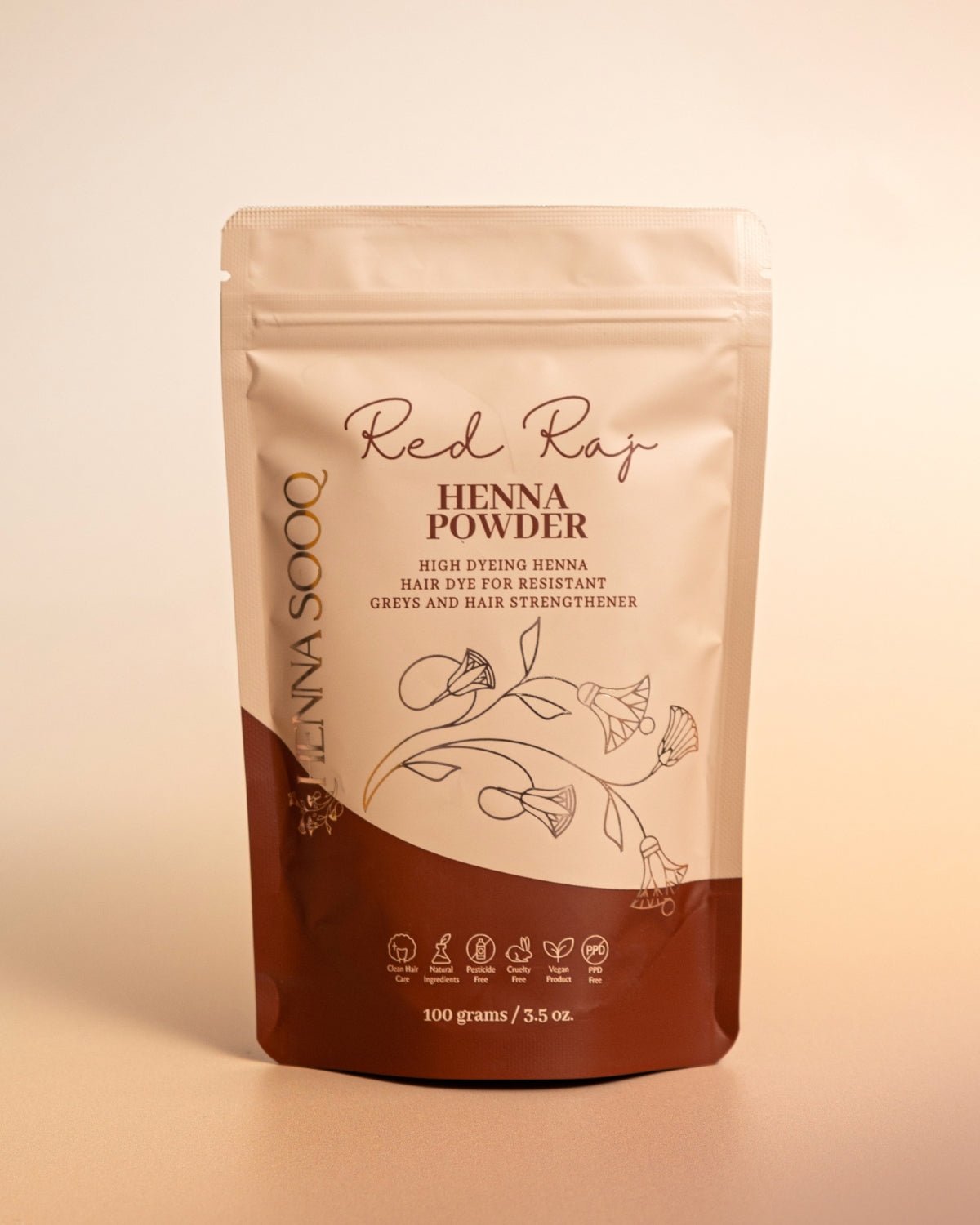
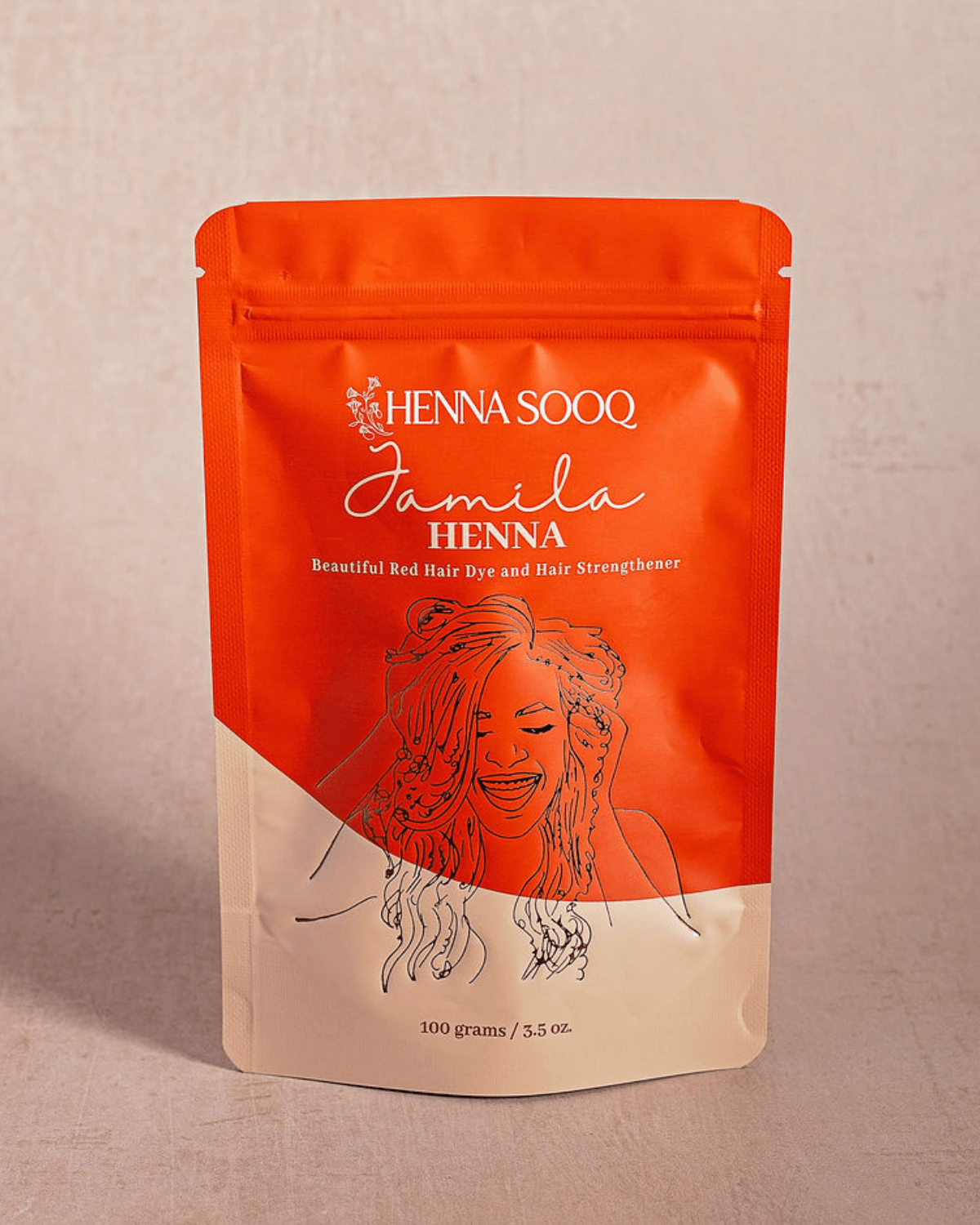
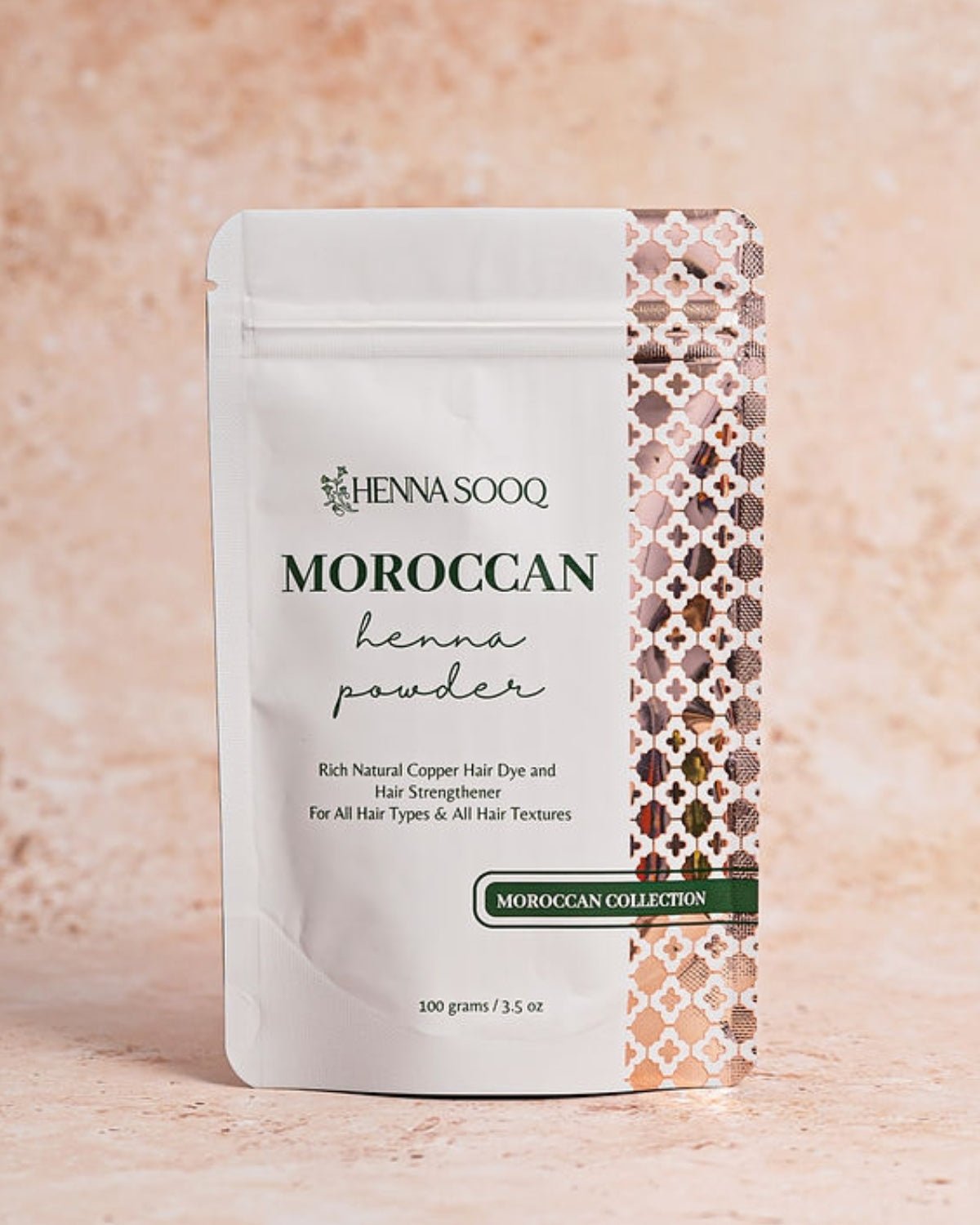
It's important to choose pure henna hair dye free from additives or metallic salts to ensure safe, long-lasting results. Products like Red Raj, Jamila, Rajasthani, and Moroccan Henna Hair Dye are trusted choices for their purity, high lawsone content, and smooth application.
Prepping Your Hair for Henna: What to Know Before You Dye
Before applying red henna hair dye, proper prep is key to getting even, long-lasting color and shiny, healthy results. Here’s what you need to know:
Clarify your hair first: Use a clarifying shampoo a day or two before dyeing to remove product buildup, oils, or silicones that could block the henna from fully binding to your hair. Clean, residue-free strands absorb henna dye hair red more effectively.
Detangle thoroughly: Gently detangle your hair before applying henna. This helps ensure smooth application, even coverage from roots to ends, and easier rinsing afterward, especially important for textured or curly hair.
Skip the Conditioner: Don’t use conditioner right before your henna session. Conditioning can coat your strands and prevent the henna red color from penetrating properly. Stick to a simple wash and rinse before dye day.
Avoid using any heat or chemical treatments beforehand: Skip heat styling and chemical treatments before applying henna. They can affect how well the red henna hair dye sticks and may lead to uneven color.
Strand test first: Always test a small section of hair first, especially if you're new to henna red hair color. This lets you preview the shade and helps avoid surprises, especially if your hair has previously been chemically dyed.
Gather your tools ahead of time: You’ll need gloves, a mixing bowl, a brush or applicator, a shower cap, and old towels. Henna can stain skin and fabrics easily - so prep your space and tools to keep things neat and stress-free.
For detailed mixing instructions, follow our step-by-step guide on how to mix henna for hair dye to get the perfect consistency and maximum dye release.
Protect Your Hairline and Ears: Apply a thin layer of oil or balm around your hairline, ears, and neck. This prevents staining and makes cleanup easier once the red henna dye for hair is applied.
Taking the time to prep your hair properly ensures your henna hair dye red application goes smoothly and your results are even, vibrant, and long-lasting.


7 Red Henna Hair Dye Tips for Healthy, Shiny Red Hair
Achieving rich, vibrant red hair with lasting shine takes more than just applying dye; it’s about using the right techniques and caring for your hair before, during, and after the henna process. Whether you're new to henna dye hair red or a seasoned natural hair color lover, these tips will help you get the most out of your red henna hair dye routine.Prep Your Hair by Clarifying and Detangling First
One of the most overlooked steps in the henna process is prepping your hair properly. Before applying any red henna, it's essential to clarify your hair to remove buildup from products, hard water, or oils that can prevent the henna from binding evenly. Use a gentle shampoo, ideally sulfate-free, and follow with a detangle to ensure your hair is smooth and easy to section.Start with Clean, Product-Free Hair
Henna binds best to hair that’s free from oils, conditioners, and styling products. Avoid using heavy butters, serums, or silicone-based treatments at least 48 hours before dyeing. Starting with freshly washed hair that’s free of residue ensures that the henna red color adheres properly and deeply to your hair’s cuticle. This step is especially important if you're using red henna dye for hair on grey strands or resistant textures.Apply Henna to Damp (Not Wet) Hair in Sections
When you're ready to apply your red henna hair dye, damp hair is ideal. It allows for easier spreadability without diluting the paste. Use clips to divide your hair into 4-6 manageable sections, starting from the back and working your way forward. Applying in sections ensures complete coverage from roots to ends, especially important for thick or textured hair. Taking your time with the application helps prevent patchiness and ensures the red hair henna dye sets evenly across all strands.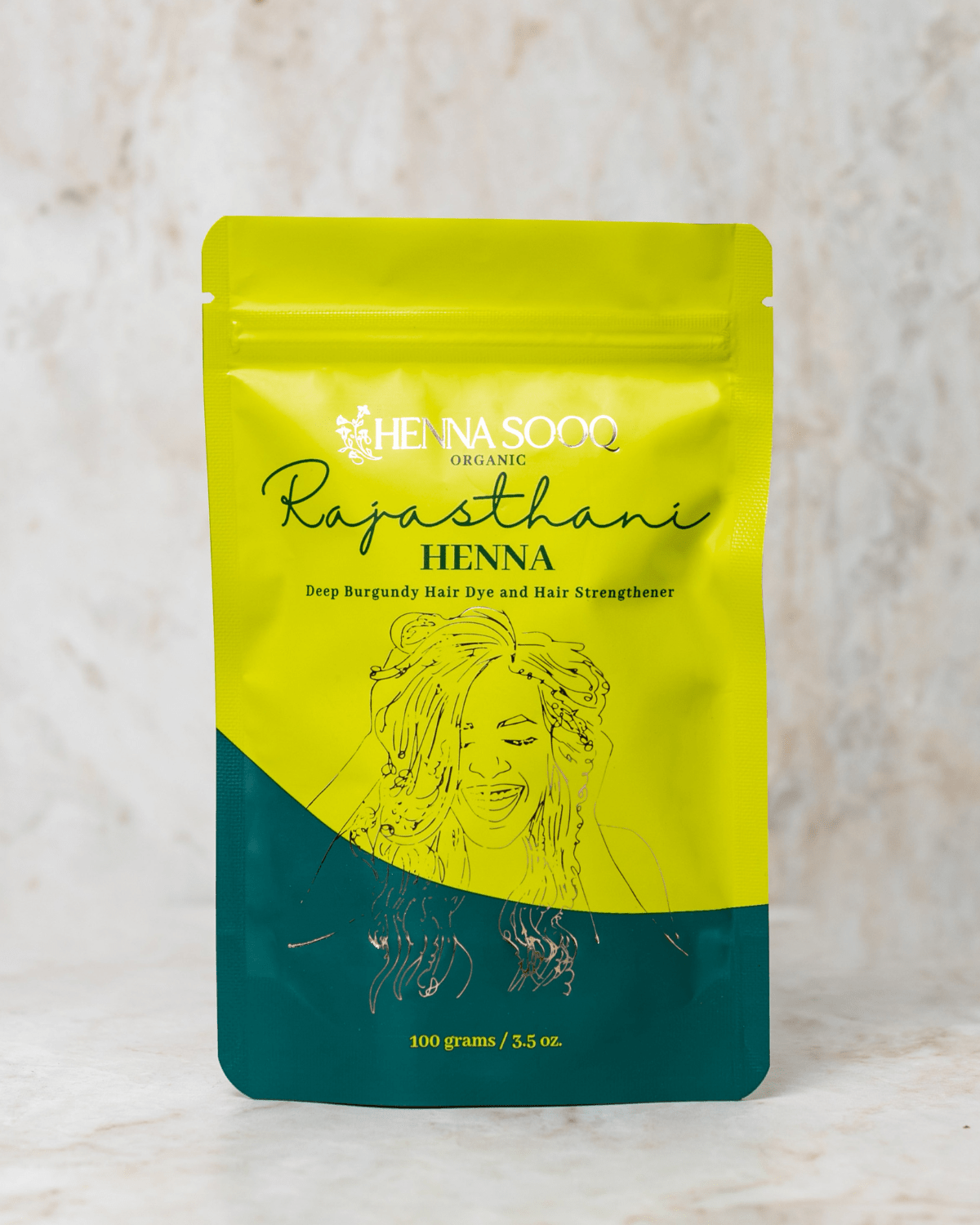
Choose Pure, High-Quality Red Henna Powder Only
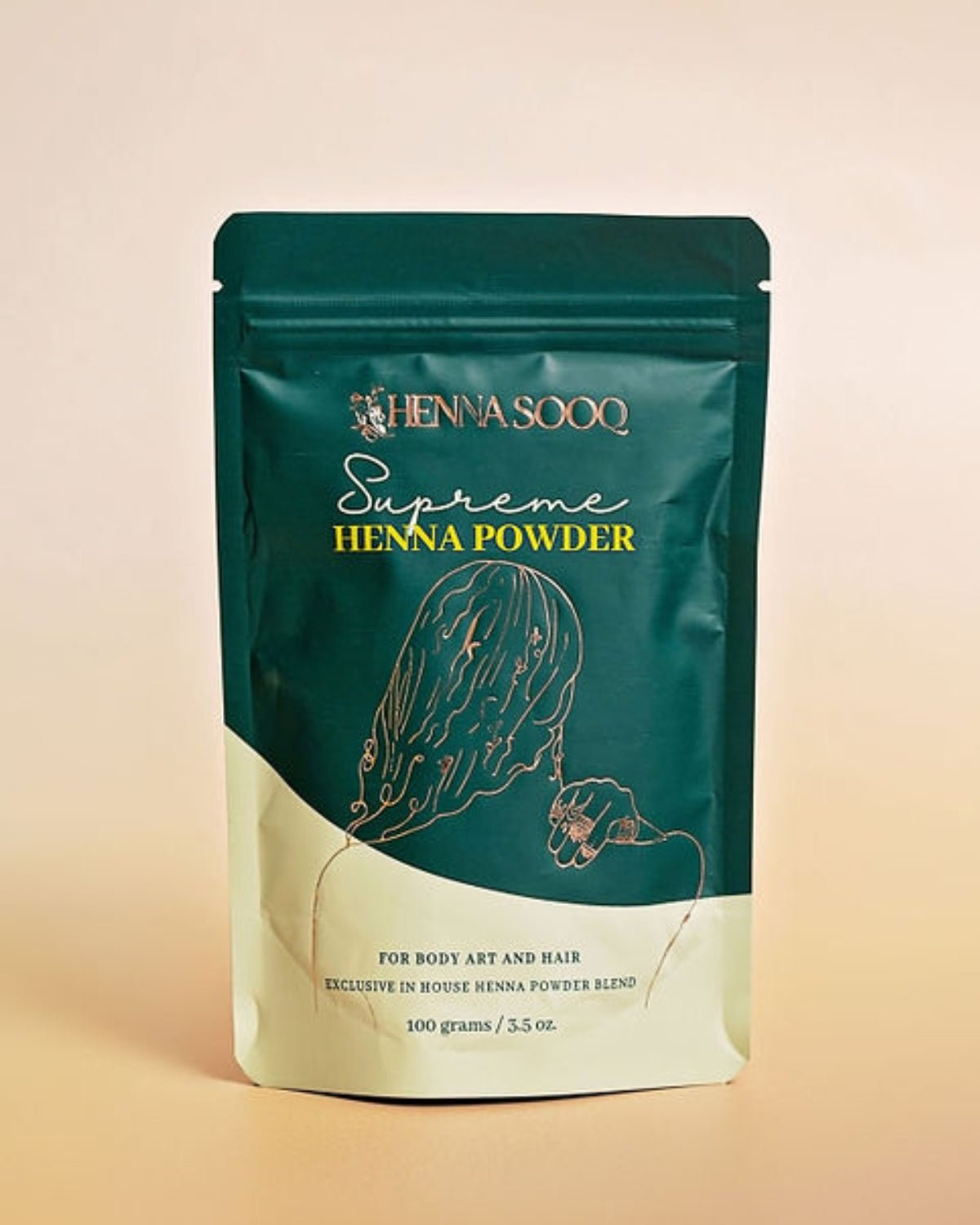
Not all henna powders are created equal. For the best color and shine, use only pure henna hair dye with no added chemicals, metallic salts, or artificial dyes. High-quality red henna is finely sifted, has a fresh earthy scent, and stains a deep red-orange when mixed and left to release. Using authentic, natural henna helps you achieve consistent, safe, and vibrant red henna dye for hair results. To find the best match for your hair goals, check out our guide on how to choose the right henna powder.
One of the most popular choices for vibrant red tones is Red Raj Henna Powder, known for its deep staining power and smooth consistency. If you're curious about how this premium henna performs on real hair, check out our video breakdown on achieving rich red tones with Red Raj.
Apply Evenly from Roots to Ends
Even application is key to achieving a consistent red henna color. Use a brush or your gloved fingers to fully saturate each section of hair, beginning at the roots and working all the way to the tips. Be generous, henna needs to coat the strands completely to deposit its signature henna dye hair red hue. Once fully applied, wrap your hair with a plastic cap to trap heat and moisture, which boosts dye release and deepens the color.
Maintain Red Hair by Avoiding Harsh Shampoos
After rinsing out your henna, it's important to preserve your color and shine by avoiding shampoos with sulfates, parabens, or alcohols. These ingredients can strip away the rich tones of your red henna dye for hair and cause premature fading. Instead, opt for gentle, sulfate-free cleansers and herbal hair washes that support your hair’s natural oils. You can also refresh your color between applications using a gloss or a light henna rinse to maintain that gorgeous henna red hair color. Here’s a video where a henna expert explains how to use henna for washing and maintaining color naturally.
Reapply Every 4-6 Weeks to Build and Maintain Red Intensity
Unlike chemical dyes, henna builds color gradually, which means the more often you use it, the deeper and more vibrant your red hair becomes. Reapplying every 4 to 6 weeks helps build intensity, especially if you’re aiming for a darker red or auburn shade. Over time, this layering effect creates a rich, multidimensional tone that enhances both shine and strength. With regular use of natural red hair dye, you’ll notice your hair feeling thicker, smoother, and visibly healthier.
Each of these tips is designed to help you get the best results possible with red henna hair dye, from the vibrancy of your color to the health of your strands. By treating your henna routine as both a color treatment and a wellness ritual, you're not just dyeing your hair; you're deeply nourishing it with every application
How to Choose the Right Hair Oil for Your Hair Type
Selecting the right hair oil starts with knowing your hair type, scalp condition, and what you want to achieve, whether that’s boosting growth, adding shine, taming frizz, or repairing damage. The right choice will give your hair exactly what it needs without weighing it down or causing buildup. Here’s how to choose the best hair oil for your hair type so you can get visible, lasting results.
Fine or Oily Hair
If you have fine strands or an oily scalp, your goal is lightweight hydration. Heavy oils can make your hair look greasy and limp, so opt for a fast-absorbing formula that nourishes without leaving residue. Oils that mimic the scalp’s natural sebum are ideal, as they help balance oil production while still providing moisture. This type of hair oil for growth works best when applied sparingly to the scalp and mid-lengths.
Medium to Thick Hair
Medium to thick hair often needs extra moisture to stay smooth and manageable. A richer, nutrient-packed oil can deeply hydrate the strands, improve elasticity, and protect against breakage. The best oil for hair growth in this category is one that penetrates the hair shaft, strengthens from within, and provides lasting softness. These oils can be used before washing as a treatment or post-wash to lock in hydration.
Curly or Coily Hair
Curly and coily hair textures tend to be naturally drier because the scalp’s natural oils have a harder time traveling down the curl pattern. This hair type thrives with deeply moisturizing blends that seal in hydration, reduce frizz, and define curls. Ayurvedic blends and herbal-infused formulas often make the best hair oils for growth in curls, as they nourish the scalp while keeping strands supple and healthy.
Straight or Wavy Hair
Straight and wavy hair benefits from balancing oils that smooth frizz, add shine, and protect from humidity without flattening texture. The best hair oil for this type should be lightweight yet effective, leaving hair soft and glossy without heaviness. It’s perfect for taming flyaways and protecting hair from environmental stress.
Dry or Flaky Scalp
If your scalp is dry, itchy, or flaky, choose a natural hair growth oil that offers both hydration and scalp care. Oils rich in nutrients can soothe irritation, restore moisture balance, and create the ideal environment for hair to grow stronger. Apply directly to the scalp and massage gently to stimulate blood flow and improve absorption.
Oily Scalp
Even oily scalps can benefit from hair oiling; the trick is choosing a light, non-greasy oil that helps regulate sebum production. Balancing oils can keep the scalp healthy, prevent overproduction of oils, and still nourish the hair without buildup. Apply sparingly to the scalp and focus more on mid-lengths and ends.
Choosing the best hair oil for your hair type ensures you’re targeting your specific needs, whether that’s a hair oil for dry hair, a hair oil for frizzy hair, or a hair growth oil that strengthens and thickens over time. By matching your oil to your texture and scalp condition, you’ll get the perfect balance of hydration, repair, and growth support for hair that looks and feels its best.
Red Henna vs. Chemical Red Hair Dye: What’s the Difference?
Source and Ingredients
Red Henna: A natural dye made from the powdered leaves of the Lawsonia inermis plant. When pure, it contains no synthetic chemicals or additives.
Chemical Dye: Made with synthetic colorants, ammonia, peroxide, and other chemicals designed to alter the hair's structure and color.
How It Colors the Hair
Red Henna: Binds to the surface of the hair shaft, coating it with a reddish pigment. It enhances natural tones and becomes more intense with repeated use.
Chemical Dye: Penetrates the hair shaft, breaking down natural pigment and depositing artificial color. It can lighten and completely change the hair’s original color.
Color Range and Results
Red Henna: Produces warm red shades like copper, auburn, and dark red hair dye tones, depending on your starting hair color. The final result varies from person to person.
Chemical Dye: Offers a wide variety of red shades, including bright, cool, or unnatural tones. Color is more uniform and predictable.
Effect on Hair Health
Red Henna: Known for strengthening and conditioning hair. It may improve shine, thickness, and overall hair health when used consistently.
Chemical Dye: It can weaken or dry out hair over time, especially with repeated coloring, lightening, or when used on already damaged hair.
Longevity of Color
Red Henna: Fades slowly and gradually. Color tends to deepen and become more vibrant with regular applications.
Chemical Dye: Red shades often fade faster and may require more frequent touch-ups to keep the color looking fresh.
Grey Hair Coverage
Red Henna: Covers grey effectively, though greys often turn a brighter copper or orange-red shade on the first application.
Chemical Dye: Formulated for more uniform grey coverage, matching the rest of the hair more closely from the start.
Color Flexibility
Red Henna: Difficult to remove or change once applied. Because it binds to the hair shaft, switching to a new color may be limited.
Chemical Dye: Easier to change, tone, or remove. However, doing so frequently may cause damage.
Application and Processing Time
Red Henna: Requires more preparation, including mixing and waiting for dye release. The paste needs to stay on the hair for several hours for full color development.
Chemical Dye: Quicker to apply and process. Color results are usually visible in 30–45 minutes.
In summary, red henna hair dye offers a more natural and gradual approach to coloring, while chemical red dye provides faster, more flexible color results. Each has its pros and cons depending on your lifestyle, hair health, and how permanent or customizable you want your red shade to be.
Common Mistakes to Avoid When Using Red Henna
Using red henna hair dye can lead to beautiful, long-lasting color, but only if it's applied correctly. Henna behaves differently from chemical dyes, so avoiding common mistakes is key to getting healthy, shiny, and even results. Here are the most important things to watch out for:
Not Clarifying Hair Before Application
Applying henna on hair that has buildup from oils, conditioners, or styling products can prevent the dye from binding properly. This often leads to uneven or faded color. Always clarify your hair before dyeing to ensure the best results.
Using Impure or Pre-Mixed Henna Products
Not all henna products are truly natural. Some may contain metallic salts, synthetic dyes, or unknown additives that can damage your hair or react unpredictably. Always check the ingredients and use only pure, high-quality natural henna hair dye.
Applying Heena on Dirty or Oily Hair
If your hair hasn’t been washed in several days or contains product residue, the henna red color may not take evenly. Henna needs a clean surface to bind effectively. Avoid applying henna to greasy, unwashed hair.
Not Letting the Henna Paste Release Properly
Henna needs time to release its dye (lawsone) before it can effectively stain the hair. Rushing the process and applying too soon after mixing will result in weak or short-lived color. Let the paste sit until you see dye release, usually a few hours, depending on the mix.
Leaving the Paste on for Too Little (or Too Long)
Removing henna too early won’t allow the color to fully develop. On the flip side, leaving it on for excessive hours can dry out the hair. The sweet spot is usually between 3–5 hours for good coverage and conditioning benefits. Adjust based on your hair texture and desired depth.
Not Applying Evenly in Sections
Randomly slathering on the paste can result in patchy or uneven color. Always section your hair and apply from roots to ends, fully saturating each strand. Take your time, it’s worth it for uniform henna red hair color.
Expecting a Bright Red on Dark Hair
Henna does not lighten hair. If your hair is naturally dark, don’t expect a bright or fiery red result after one application. Instead, you’ll likely get warm red highlights or a subtle dark red hair dye effect. The color builds with repeated use.
Washing with Harsh Shampoos After Dyeing
Using strong shampoos with sulfates too soon after applying henna can strip the color before it settles. Wait at least 48 hours before shampooing, and always use a gentle, sulfate-free cleanser to protect your red henna dye for hair.
Skipping the Strand Test
A strand test helps you preview the color outcome and check for any unexpected reactions. Skipping this step can lead to surprise results, especially if your hair has been chemically treated before. Always test before committing to a full application.
Avoiding these common mistakes will help ensure your henna hair dye results are rich, even, and truly reflective of the natural beauty of henna. With a little patience and proper technique, you’ll enjoy healthier, shinier, and more vibrant red hair.

Shop Red Henna Hair Dye for Long-Lasting, Shiny Red Hair
If you're looking for a gentle, natural way to achieve rich red tones, red henna is a time-tested option that offers both color and care. Unlike chemical dyes, henna conditions as it colors, leaving hair stronger, shinier, and more vibrant over time.
For those seeking a reliable, high-quality source, Henna Sooq offers pure, finely sifted henna that’s well-suited for consistent, long-lasting results. Whether you’re aiming for a soft copper glow or a deep auburn finish, red henna is a beautiful way to enhance your natural color while keeping your hair healthy.
Red Hair FAQ: Everything You Need to Know About Henna Hair Dye
How long does red henna hair dye last?
Red henna is known for its long-lasting results. On average, the color can last 4 to 6 weeks, gradually fading over time. Unlike chemical red hair dye, henna fades softly without harsh regrowth lines, and the henna red color often deepens with repeated use.
Does red henna cover grey hair?
Yes, red henna dye for hair can effectively cover grey strands. However, the initial application on grey hair may turn out to be a brighter copper or orange-red tone. A second application or blending with other natural ingredients, like indigo, can help achieve a more balanced red hair henna dye result.
Is red henna safe for all hair types and textures?
Pure, natural henna hair dye is generally safe for all hair types, including curly, coily, wavy, and straight textures. It’s a popular choice for people looking for a natural red hair dye that won't damage or dry out their hair. Just be sure to use high-quality, additive-free henna.
Can I lighten red henna hair dye once it’s applied?
No, henna cannot lighten hair. Since it binds to the hair shaft, it adds color rather than lifting it. Once you use henna hair dye red, you cannot easily go lighter without using chemical treatments, which may not react well with henna-coated hair.
Will red henna hair dye damage my hair?
Unlike synthetic red hair dye, pure henna red color does not damage the hair. In fact, many people find that pure henna hair dye strengthens strands, adds shine, and improves overall texture. Just be cautious of products with metallic salts or additives, as these can be harmful.
Can I dye my hair red myself?
Yes, applying red henna dye for hair at home is doable with the right prep and tools. While it takes more time than chemical dye, many prefer the process for its natural benefits and customizable results.
Can I mix red henna with indigo for a burgundy or auburn tone?
Absolutely. Mixing red henna with indigo allows you to achieve deeper shades like burgundy, auburn, or even brown-red blends. Be sure to research mixing ratios and application timing for the desired result.
Can I use red henna on curly or textured hair?
Yes, red henna hair dye works well on curly and textured hair. It can even help with frizz and definition, as henna naturally coats the hair and adds weight and shine. Just be sure to deep condition regularly, as henna can feel drying for some curl types.
How can I keep my red henna hair from fading too fast?
To maintain your henna red hair color, avoid shampoos with sulfates or harsh cleansers. Use gentle, color-safe products and wash your hair less frequently to prolong the vibrancy of your natural red hair dye.
Does red henna work on beards or facial hair?
Yes, red henna can be used on facial hair, including beards. Keep in mind the color may appear more vivid on coarse or light-colored hair, and the application process will require the same prep and patience as with scalp hair.


