




Indigo Powder for Hair: Brown to Black Color Guide
Going darker with plant-based hair color sounds simple until indigo enters the chat.
If you’ve ever wondered why your henna turns out warm and coppery when you were hoping for brown, dark brown, or black, the missing piece is usually indigo powder for hair. Henna brings a warm base. Indigo helps deepen that color into richer brunette and black tones. Together, they create the shade range that many people are actually looking for when they want natural-looking hair color.
But here’s where it gets interesting: Indigo hair dye is all about method. The same powders can create reddish brown, brown, dark chocolate brown, or black hair depending on your starting color, timing, application method, and henna and indigo ratio. Mix them, and you may get a brown result. Apply indigo after henna, and you can move closer to black.
This article breaks down how henna and indigo for hair actually work, when to use a one-step or two-step method, and how to avoid the most common mistakes so your final color looks rich, even, and natural.
What Is Indigo Powder for Hair?
Indigo powder for hair is a plant-based hair dye used to create darker hair color results, especially brown, dark brown, and black tones. In natural hair coloring, indigo is most often used with henna because henna creates the warm base color that helps indigo develop properly on the hair.
On its own, henna usually gives copper, red, or auburn tones. Indigo helps deepen those warm tones into brunette and black shades. That’s why you’ll often see people talk about henna indigo hair dye when they’re trying to get a natural-looking, darker result.
The most important thing to understand is that indigo is not usually meant to be used by itself. When used without henna, it can leave an unwanted greenish tint, especially on lighter hair or greys. Henna acts as the foundation, and indigo builds the darker tone from there. This is also why many brown-to-black natural hair color methods use either a one-step henna and indigo mix or a two-step process, both of which are walked through in this complete guide to coloring hair with henna and indigo.
In simple terms:
- Henna adds the warm base.
- Indigo deepens the color.
- Henna and indigo together can create reddish brown, brown, dark brown, or black tones, depending on the method and mix.
So, when people search for indigo hair color, they’re usually looking for a natural way to go darker without using conventional boxed dye. The final result depends on your starting shade, how much indigo is used, and whether you apply it with henna or after henna.
How Does Indigo Hair Dye Work?
Indigo hair dye works by deepening the color result you get from henna. Henna naturally creates warm copper, red, and auburn tones, while indigo helps shift those warm tones into brunette, dark brown, or black.
The easiest way to understand it is this: henna creates the base, and indigo adds the depth. That base is important because indigo usually performs best when it has henna to build on, especially when coloring greys or lighter strands.
The final result depends on your starting hair color, how much indigo is used, how long the color sits on the hair, and whether you use a one-step or two-step method. This is why the same two powders can create very different results, from soft brown to rich black.
Here’s how the process works:
Henna creates the foundation
Henna stains the hair with a warm base color, usually in the copper, red, or auburn family. This gives indigo something to layer over.
Indigo deepens the shade
Once indigo is added, it helps deepen henna’s warm base into brown, dark brown, or black tones.
The method affects the result
A one-step mix, where henna and indigo are combined, is commonly used for brown tones. A two-step method, where henna is applied first, and indigo is applied afterward, is usually used for darker brown to black results.
The ratio changes the color
More henna usually creates a warmer brown. More indigo creates a deeper, deeper brunette result. For black hair color, indigo is typically applied after henna instead of being mixed in the same bowl.
Timing matters
Indigo does not need to sit as long as henna before application, so it is usually prepared closer to the time you’re ready to apply it.
In short, indigo powder for hair dye is all about balance. Henna brings the warmth, indigo brings the depth, and the right method helps you get the brown to black hair color you’re aiming for.
Want to see what properly mixed indigo should look like? This video walks through the texture and timing so the process feels much easier before you start.
Henna and Indigo for Hair: Why They Work Better Together
Henna and indigo work best as a team because each powder brings something different to the color process. Henna creates the warm foundation, while indigo helps deepen that warmth into brown, dark brown, and black tones.
Used alone, henna naturally gives copper, red, or auburn results. That can be beautiful, but it is not always the goal, especially if you want brunette or black hair color. Indigo is what helps shift the final shade darker. When the two are used together, the color becomes more customizable, with results ranging from reddish brown to brown, dark brown, dark chocolate brown, and black.
This is why many natural hair color methods rely on henna and indigo for hair instead of using either powder by itself.
Here’s why they work so well together:
Henna creates the base color
Henna gives the hair a warm foundation, which is especially helpful when coloring greys or lighter strands.
Indigo deepens the result
Indigo helps take the color from warm copper or red into brunette, dark brown, or black tones.
Together, they offer more shade options
A henna and indigo mix can create reddish brown, brown, or dark brown, depending on the ratio. Equal parts henna and indigo are commonly used for brown tones, while more indigo creates a darker brown result.
The method controls the depth
For brown shades, henna and indigo are often mixed together in a one-step application. For black tones, henna is usually applied first, followed by indigo in a second step.
They can support grey coverage
Henna and indigo are often used together for greys because henna lays down the base color first, then indigo helps create the deeper brown or black finish. Results can vary depending on natural hair color and how much grey hair you have.
Think of it like building color in layers. Henna gives the hair something warm to hold onto, and indigo adds the darker tone. Without henna, indigo may not create the rich brown or black result most people want. Without indigo, henna stays in the warmer red and copper family.
That balance is what makes henna indigo hair dye so useful for anyone who wants plant-based color with more shade control. Whether your goal is brown, dark brown, dark chocolate brown, or black hair, the right mix and method make all the difference.


Indigo Powder for Hair: How to Get Brown to Black Color Naturally
Getting brown to black color with indigo powder starts with understanding how henna and indigo work together. Henna creates the warm base color, while indigo helps deepen that base into brunette, dark brown, dark chocolate brown, and black tones.The final result depends on your starting hair color, how much grey you have, your mix, and the method you choose. Lighter hair and greys may pull warmer at first, so results can vary from person to person. Repeated applications may sometimes be needed for deeper color, especially when working with lighter hair or a higher percentage of greys.
Start With the Shade You Want
Before mixing henna and indigo, decide what color result you’re aiming for. A warmer brown needs more henna, while deeper brunette shades need more indigo.For brown tones, henna and indigo are usually mixed together in one application. For black hair color, the process is different: henna is applied first, then indigo is applied afterward as the second step.
Use More Henna for Warmer Browns
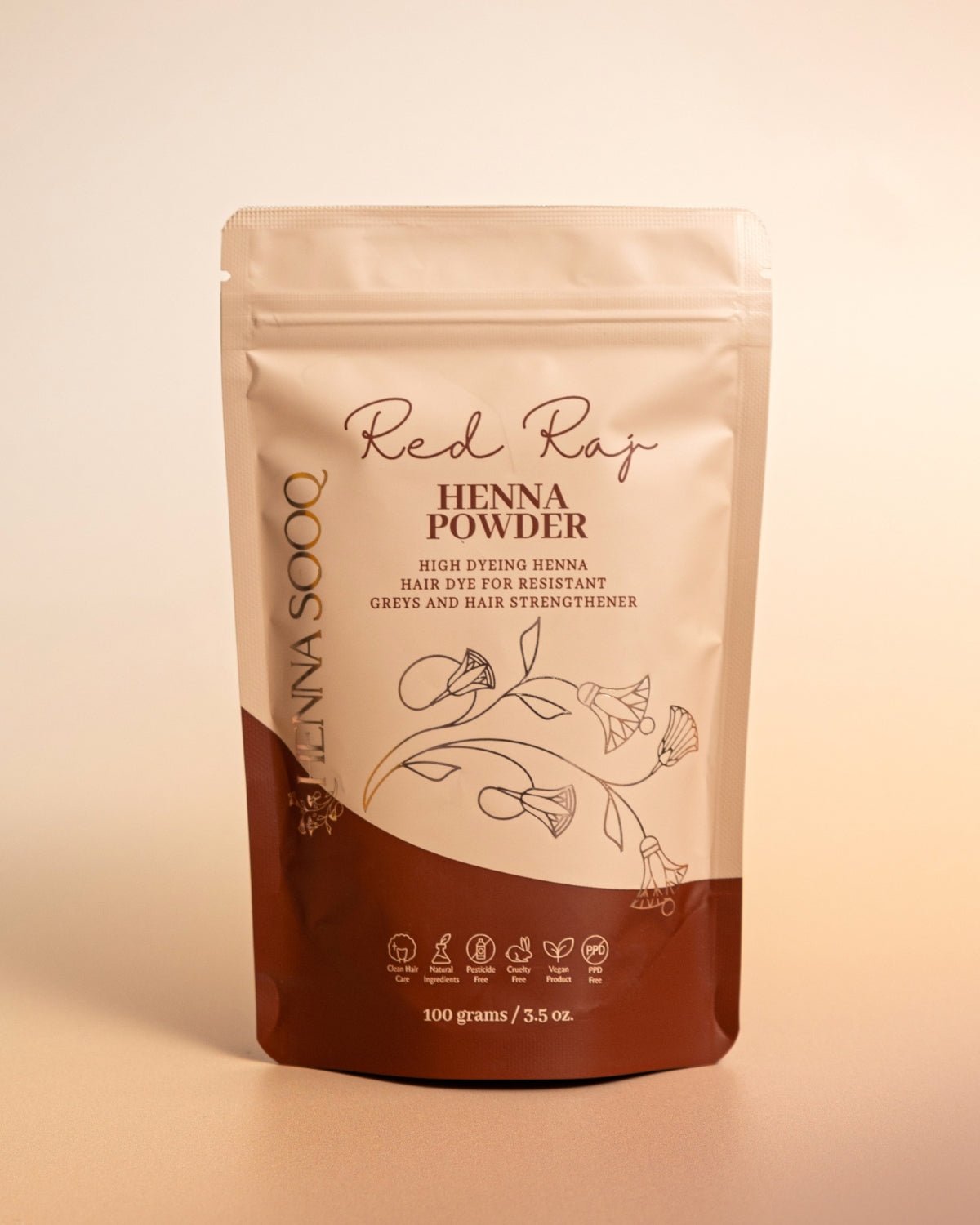
If your goal is reddish brown, the mix should lean more toward henna. Henna keeps the color warmer, while indigo helps move the final shade into the reddish brown or brown family.Reddish brown tones typically use more henna than indigo, with a common mix of about 3 parts henna to 1 part indigo, or 70% henna and 30% indigo.
Use Equal Parts for Brown
For a balanced brown result, equal parts henna and indigo are commonly used. This is typically a one-step application, where both powders are mixed and applied during the same coloring session.This approach is listed for brown hair color as 50% henna and 50% indigo.
Use More Indigo for Dark Brown
For a deeper brunette color, the mix shifts toward more indigo. This helps create a darker, cooler brown result while still using henna as the base.
For dark brown or dark chocolate brown, the mix usually leans heavily toward indigo, often around 3 parts indigo to 1 part henna, or 70% indigo and 30% henna.
Use the Two-Step Method for Black
Black hair color is not usually created by mixing extra indigo into henna in one bowl. A two-step process is typically used for black hair color: apply henna first, then apply indigo afterward.
This helps henna create the base color first, while indigo adds the deeper black tone in the second step.
Henna and Indigo Color Guide
| Color Result | Best Method | General Mix or Approach |
|---|---|---|
| Reddish brown | One-step method | 3 parts henna to 1 part indigo, or 70% henna and 30% indigo |
| Brown | One-step method | Equal parts henna and indigo, 50/50 |
| Dark brown | One-step method | More indigo than henna, about 3 parts indigo to 1 part henna |
| Dark chocolate brown | One-step method | 70% indigo and 30% henna |
| Black | Two-step method | 100% henna first, then 100% indigo afterward |
The biggest takeaway is that henna and indigo for hair can create a natural-looking range from reddish brown to black, but the method matters. Mix them for brown and dark brown tones. Use henna first, then indigo, when black hair color is the goal. Since results can vary based on your natural color and grey coverage needs, a strand test is always the smartest first step before applying your full mix.
This video is a helpful visual companion to the color guide, especially if you want to understand how indigo is mixed for both brown and black results.
How to Dye Hair With Henna and Indigo
Dyeing hair with henna and indigo works best when you match the process to your color goal. For brown tones, henna and indigo are usually mixed together in one application. For black hair color, henna is applied first, then indigo is applied afterward as a second step.
Step 1: Start With Clean Hair
Begin with clean, product-free hair so the plant-based color can apply more evenly. Washing before application helps remove oils, styling products, and buildup before you apply henna and indigo.
Step 2: Choose Your Method
Use the one-step method for reddish brown, brown, dark brown, or dark chocolate brown results. Choose the two-step method for black hair, since henna needs to create the base before indigo is applied.
Step 3: Mix Henna First
Henna needs time for dye release, so it should be prepared before indigo. Mix it into a smooth paste, then let it sit according to the instructions for the henna powder you’re using.
Step 4: Mix Indigo Closer to Application
Indigo does not need to sit as long as henna, so mix it closer to the time you’re ready to apply. This helps keep the indigo paste fresh for the color application.
Step 5: Apply Thoroughly
Apply the paste generously from roots to ends, making sure every section is fully coated. Pay extra attention to the hairline, roots, and grey areas where coverage can be more noticeable.
Step 6: Rinse and Let the Color Settle
Rinse the hair well after the processing time is complete. The final color may continue to deepen after rinsing, so give it time to settle before judging the finished shade.
The key is to keep the process simple: mix henna and indigo together for brown tones, or apply henna first and indigo second for black. A strand test is always a smart first step, especially if you’re coloring greys, lighter hair, or previously dyed hair.
When to Apply Indigo After Henna
Indigo is applied after henna when your goal is a deeper dark brown or black hair color. This is called the two-step method, and it matters because henna creates the base color first, while indigo builds the darker tone on top of it.
Apply Indigo Right After Henna for Black Tones
For black hair color, indigo can be applied right after rinsing out the henna. This keeps the process connected and gives indigo the henna base it needs to create a darker result. Henna should come first, then indigo follows as the second step.
Apply Indigo Within 72 Hours If Needed
If you cannot apply indigo immediately, complete the indigo step within 72 hours of the henna application. This timing keeps the two-step process close together and follows the recommended application window.
Do Not Skip the Henna Step
Indigo should not be used alone when the goal is brown or black hair color. Using indigo by itself can leave a green hue, which is why henna is used first as the foundation for darker results.
Give Indigo Enough Processing Time
After applying indigo, follow the timing directions for the product or method you’re using. Processing time can vary depending on the application type, your color goal, and how resistant your hair or greys are.
The main takeaway: apply indigo right after henna when you can, especially for black tones. If you need more time, complete the indigo step within 72 hours so the color process stays on track.
One-Step vs. Two-Step Indigo Hair Dye Method
When using indigo hair dye with henna, the method you choose depends on the color you want. The one-step method is usually used for brown tones, while the two-step method is used when the goal is black hair color.
One-Step: Indigo Hair Dye Method
The one-step method means henna and indigo are mixed together and applied in one coloring session. This method is commonly used for reddish brown, brown, dark brown, and dark chocolate brown results.
With this method, the henna and indigo ratio controls the final shade. More henna creates a warmer brown, while more indigo creates a deeper brunette result. It is a simpler option because everything is applied at once, but it is not usually the best method for achieving black hair.
Two-Step: Indigo Hair Dye Method
The two-step method means henna is applied first, rinsed out, and then indigo is applied afterward. This method is typically used for black hair color because henna creates the base first, and indigo deepens the result in the second step.
This process takes longer than the one-step method, but it is the preferred approach when the goal is a black result with henna and indigo. It helps keep the color process clear: henna lays the foundation, then indigo builds the darker finish.
Which Method Should You Choose?
Choose the one-step method if your goal is in the brown family, such as reddish brown, medium brown, brown, dark brown, or dark chocolate brown.
Choose the two-step method if your goal is black hair color. This is especially important if you are covering greys or trying to avoid a result that looks too warm.
In simple terms, one-step is for brown tones, and two-step is for black. Both methods use henna and indigo, but the order of application is what changes the final result.
Common Mistakes to Avoid With Indigo Powder Hair Dye
Using indigo powder hair dye is pretty straightforward once you understand the process, but small mistakes can change your final color. Since indigo works differently from henna, timing, order, and mix all matter.
Using Indigo Without Henna
One of the biggest mistakes is using indigo by itself when the goal is brown or black hair. Indigo works best when henna is part of the process - and understanding how to mix henna correctly makes the whole two-step process easier. Because henna creates the base color first. Without that base, indigo may leave an unwanted green tone, especially on greys or lighter hair.
Choosing the Wrong Method for Your Color Goal
A one-step method is best for reddish brown, brown, dark brown, and dark chocolate brown tones. A two-step method is best for black hair color. If you want black hair, but mix henna and indigo together in one bowl, the result may turn out more brown than black.
Mixing Indigo Too Early
Indigo does not need the same dye-release time as henna. Henna should be mixed first, while indigo is usually mixed closer to application time. Indigo only needs a short prep time of about 20 to 30 minutes before use, so it is best prepared closer to application rather than far in advance.
Expecting the Same Result on Every Head of Hair
Natural hair color is not one-size-fits-all. Your starting shade, grey percentage, and hair texture can all affect the final result. Lighter hair and higher grey percentages may pull warmer, sometimes more red or orange, and repeated applications may be needed for deeper, more even color.
Applying to Hair With Too Much Buildup
Plant-based hair dye works best on clean, product-free hair. Washing before application helps support better color absorption and more even coverage.
Judging the Color Too Soon
The color you see right after rinsing may not be the final result. Natural hair dye can continue to deepen after application, and the full depth may take 24 to 48 hours to show. Give the color time to settle before deciding whether you need another application.
Skipping the Strand Test
A strand test helps you preview how your hair may respond before applying the full mix. This is especially helpful if you have greys, lighter hair, a previous color, or resistant roots. It also gives you a chance to adjust your ratio or method before committing to a full application.
The easiest way to avoid most indigo hair dye mistakes is to keep the process simple: use henna as the base, mix indigo fresh, choose the method based on your color goal, and give your final shade time to develop.

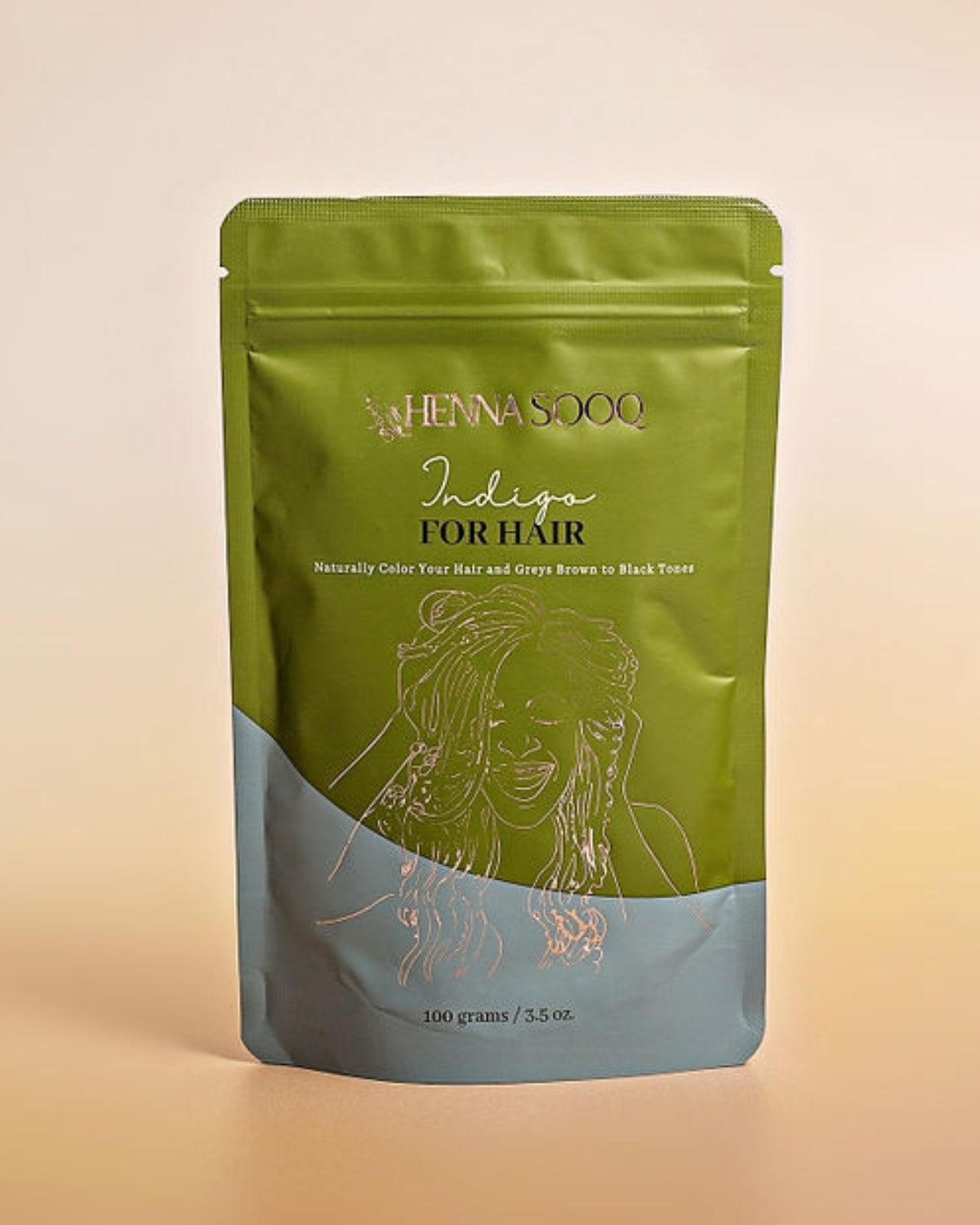
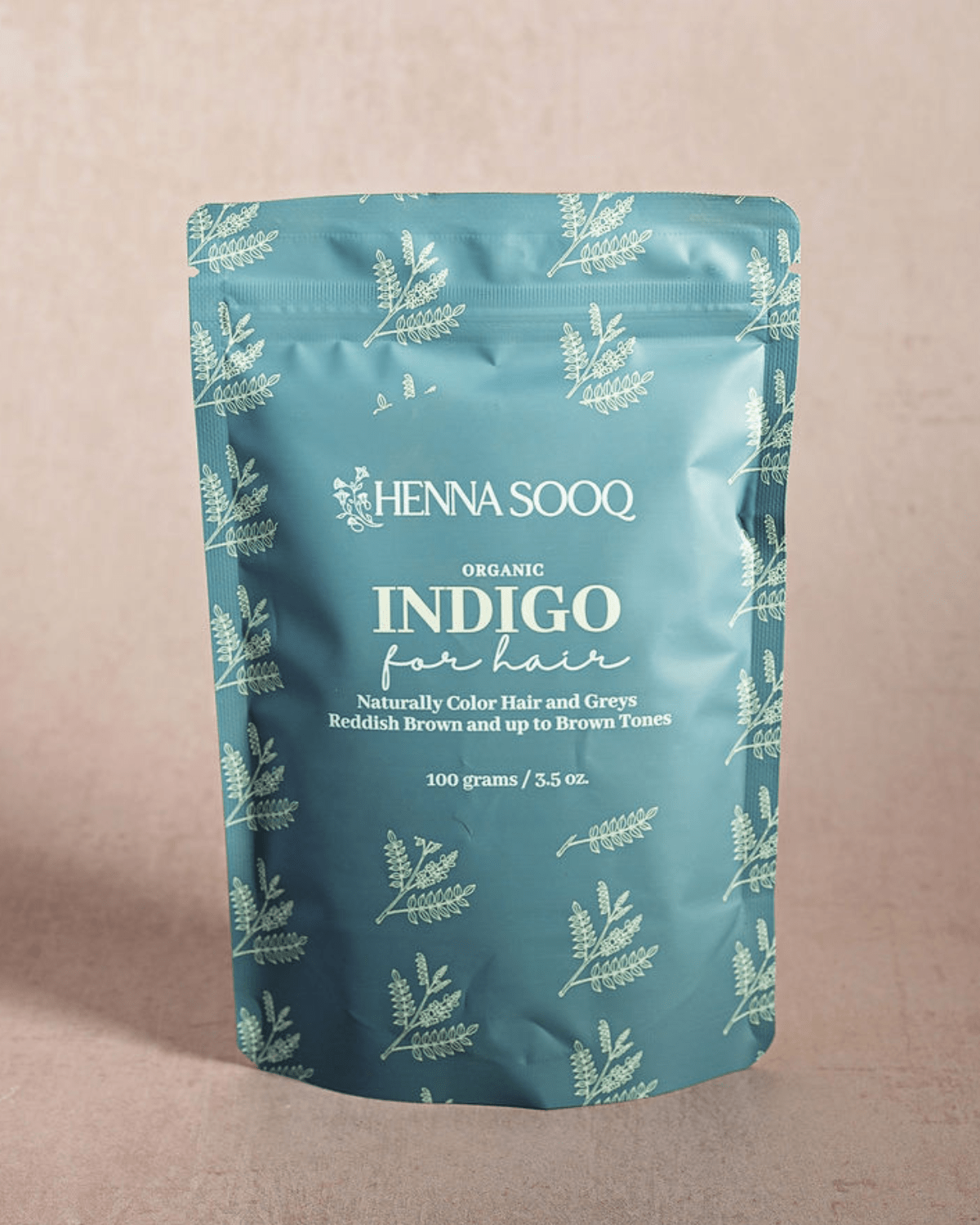
Shop Henna Sooq Indigo Powder for Natural Brown to Black Hair Color
Ready to create richer brown, dark brown, or black hair color with plant-based dye? Henna Sooq indigo powder is designed to be used with henna to help deepen warm henna tones into natural-looking brunette and black results.
For best results, choose your method based on your color goal: mix henna and indigo together for brown tones, or apply henna first and indigo second for black hair color. Before doing a full application, start with a strand test so you can see how your hair responds and adjust your mix if needed.
Frequently Asked Questions About Indigo Powder for Hair
What is indigo powder used for in hair color?
Indigo powder is used with henna to create brown, dark brown, and black hair color. Henna gives the hair a warm base, while indigo deepens that color into brunette and black tones.
It is commonly used by people who want plant-based hair color, especially when covering greys or moving from warm henna tones into darker shades.
Is indigo powder the same as henna?
No, indigo powder is not the same as henna. Henna gives copper, red, and auburn tones, while indigo is used to deepen henna into brown and black shades.
They are often used together because they do different jobs in the color process. Henna creates the base, and indigo builds the darker result.
Can you use indigo powder without henna?
No, indigo powder should not be used alone for brown or black hair color. Without henna as the base, indigo can leave an unwanted green tint, especially on lighter hair or greys.
For best results, use indigo with henna in either a one-step mix for brown tones or a two-step method for black hair.
Can you mix henna and indigo powder together?
Yes, you can mix henna and indigo powder together for reddish brown, brown, dark brown, and dark chocolate brown results. This is called the one-step method.
The final shade depends on your henna and indigo ratio. More henna creates a warmer brown, while more indigo creates a deeper brunette result.
What is the best henna and indigo ratio for brown hair?
The best henna and indigo ratio for brown hair is commonly equal parts henna and indigo. A 50/50 mix helps create a balanced brown tone.
Your final result can still vary depending on your starting hair color, grey percentage, and how your hair responds to plant-based dye.
What is the best henna and indigo ratio for black hair?
The best approach for black hair is a two-step method, not a one-bowl ratio. Apply henna first, rinse it out, then apply indigo afterward.
This method gives indigo the henna base it needs to create a deeper black result. Mixing henna and indigo together usually creates brown tones, not true black.
How much indigo powder should you add to henna?
The amount of indigo powder to add depends on the shade you want. Use less indigo for reddish brown, equal parts for brown, and more indigo for dark brown.
A simple guide is more henna for warmer brown tones and more indigo for deeper brunette shades. For black hair, use henna first and indigo second instead of mixing both together.
Can you apply indigo immediately after henna?
Yes, you can apply indigo immediately after rinsing out henna. This is commonly done in the two-step method for black hair color.
If you cannot apply indigo right away, it is generally recommended to complete the indigo step within 72 hours of the henna application.
Does indigo powder cover grey hair?
Yes, indigo powder can help cover grey hair when used with henna. Henna creates the base color first, and indigo helps deepen the result into brown, dark brown, or black.
Greys can be more resistant than the rest of the hair, so results may vary. Some people may need more than one application for stronger coverage.
How do you use henna and indigo powder for grey hair?
For grey hair, use henna and indigo together for brown tones or use a two-step method for black. The one-step method mixes henna and indigo together, while the two-step method applies henna first and indigo second.
Because grey hair can be stubborn, apply the paste thoroughly around the roots, hairline, and resistant areas. A strand test can help you preview the result before a full application.
How long does indigo hair dye last?
Henna and indigo are plant-based hair dyes used for long-lasting natural hair color, but there is no single exact timeline for how long indigo lasts. Results can vary depending on your hair type, starting color, grey percentage, application method, and aftercare.
To help maintain your color, follow the product directions closely and give the shade time to settle after rinsing. Natural hair dye results can continue developing after application, so the color you see right away may not be the final shade.
Can indigo powder make hair blue or green?
Indigo powder can leave an unwanted green tint if used without henna. This is why henna is used first or mixed with indigo when the goal is brown or black hair.
When used with henna as directed, indigo is used to create brown, dark brown, or black hair color, not blue or green results.
Is organic indigo powder better for hair?
Organic indigo powder is a good choice if you prefer an organically certified plant-based hair dye. For color results, the method matters most: indigo should be used with henna, and the ratio or two-step process should match your shade goal.
Your starting color, grey percentage, and how your hair responds to plant-based dye can all affect the final result.


