




The Crazy History of Henna in 5 Fascinating Facts
Henna has been used for thousands of years, but its story is often overlooked or misunderstood. What many see today as decorative body art has deep cultural roots and a long history tied to healing, ritual, and self-expression. From ancient Egypt to South Asia, henna has moved across regions and generations, carrying different meanings in every place it touched.
In this blog, we’re looking at the history of henna through five surprising facts, from practical uses in desert climates to its role in early medicine and mummification. Whether you’re new to henna or have been using it for years, these facts will give you a new perspective on where it comes from and how it became the art form we know today.
What Is Henna and Where Does It Come From?
Henna comes from the Lawsonia inermis plant, a flowering shrub that thrives in hot, dry climates. The leaves of this plant are dried and ground into a fine powder commonly known as henna powder, which is then mixed with liquid to create a smooth paste. This paste is applied to the skin for body art or used as a natural dye for hair and textiles.
But henna is more than just a dye. Its use dates back thousands of years, and evidence of henna in ancient Egypt shows it was used in burial rituals and for adorning the body. The origin of henna is difficult to pinpoint to just one region, as it has been used across North Africa, the Indian subcontinent, and parts of the Middle East. Each culture developed its own distinct henna art traditions and symbols, ranging from blessings and protection to beauty and celebration.

The Cultural and Spiritual Significance of Henna
Henna has always been more than decoration. Across cultures, it has served as a symbol of protection, transition, and joy. In many traditions, applying henna is part of a spiritual or emotional ritual, a way to mark life’s meaningful moments with intention and beauty.In South Asian and Middle Eastern cultures, henna body art is commonly used during weddings, births, and religious celebrations. These designs are often believed to bring blessings, good luck, and ward off the evil eye. The deeper the color of the stain, the more auspicious it’s thought to be, especially in henna in Indian culture, where bridal mehndi holds deep symbolic value.
Henna is also connected to healing. In traditional practices, it has been used to cool the body, soothe the skin, and provide a calming effect. This blend of beauty and wellness is part of what makes the history of henna art so layered and meaningful.
Today, henna symbolism continues to resonate in modern designs, whether drawn for tradition, celebration, or personal expression. And with the growing availability of natural henna powders and clean ingredients, more people are reconnecting with these rituals in authentic and mindful ways.
Henna in Islam
In Islamic tradition, henna holds special spiritual and cultural significance as a recommended (sunnah) practice established by the Prophet Muhammad (peace be upon him). It is particularly encouraged for women for personal grooming and beautification, especially during joyous occasions like Eid and weddings. The Prophet himself used henna to dye his hair, and men are permitted to use henna mainly for dyeing the beard or hair, following his example, though it is discouraged for men to use henna for adornment on hands or feet.For Muslim women, henna adornment during celebrations symbolizes joy, femininity, and cultural expression, complementing Islamic values of modest beautification and honoring the body respectfully. While the intricate designs and symbolism often carry cultural influences, the practice is rooted in traditions that emphasize cleanliness, purity, and spiritual blessing.
Today, henna continues to bridge faith and tradition, serving as a meaningful, natural way to connect with Islamic heritage and celebrate life’s sacred moments with beauty and mindfulness.
Want to go deeper into the meaning behind henna designs across cultures? Watch this quick video that explores the history and symbolism of henna body art.
Henna in Weddings and Celebrations: Rituals & Symbolism
One of the most well-known uses of henna is during weddings. In many cultures, the days leading up to the ceremony include a dedicated henna night, where intricate designs are applied to the bride’s hands and feet. But this isn’t just about looking beautiful; there’s deep meaning behind these traditions.
In Indian culture, henna (or mehndi) symbolizes prosperity, love, and the start of a new chapter. The darker the stain, the more it’s said to reflect the strength of the marriage and the love between the couple. In Moroccan, Middle Eastern, and North African traditions, henna is used in similar ways to protect, bless, and celebrate.
These ancient henna traditions often include singing, dancing, and gathering of women from the family and community. Henna acts as a bridge between people, passed from hand to hand in both ritual and skill. Each design tells a story, sometimes floral and delicate, other times bold and symbolic.
The history of henna tattoos in celebratory settings shows how this art form has always held space for joy, transition, and sacred connection. And today, whether it's for a wedding or a personal milestone, the act of applying henna still carries the same intention: to mark the moment with meaning. Learn how to mix your own henna body art paste at home for special moments.

The Crazy History of Henna in 5 Fascinating Facts
Henna has been used in many ways over the centuries, but some parts of its past are far more surprising than others. Beyond the beautiful patterns and bridal traditions we often associate it with, henna carries a layered history filled with practical uses, sacred rituals, and unexpected roles in ancient life.In this blog, we uncover five fascinating facts that highlight just how far-reaching and dynamic the history of henna really is. Whether you're familiar with henna art or just starting to explore it, these stories might just change how you see every design.
Henna Was Used to Cool the Body in Hot Climates
Long before henna became known for its beautiful designs, it was valued for its cooling properties. In regions where temperatures soared, like parts of North Africa and South Asia, henna paste was applied to the palms of the hands and soles of the feet to help regulate body heat. Once dried, it left behind a stain, and over time, this practical use gave way to decorative patterns.This early tradition is one of the oldest traditional henna uses recorded and is likely how the art of henna designs began. What started as a functional cooling method gradually evolved into a form of body adornment, as people began playing with shapes and symbols while applying the paste. This connection between function and beauty is a key part of the evolution of henna art.
Henna Has Been Used Medicinally for Centuries
Henna wasn’t just used for adornment; it held a place in early medicinal practices, too. In traditional healing systems, henna was applied to minor wounds, rashes, and even headaches, thanks to its anti-inflammatory and cooling properties. It was also used to condition the scalp and strengthen hair, a practice still common today with organic henna powder treatments.These healing uses are part of what makes the cultural history of henna so multifaceted. In many cultures, it wasn’t unusual to find henna in both the beauty rituals and the medicine cabinet. This dual role helped cement its place in daily life, where it was seen as both a cosmetic and a protective agent, another reason it became so widely respected.

Henna Was Used in Ancient Egypt for Mummification
The use of henna in ancient Egypt reveals how deeply spiritual this plant was considered. Archaeological findings show that henna was used to stain the nails and fingertips of mummies, likely as a symbol of protection and preparation for the afterlife. This ritual use connects henna not only to beauty, but to a sacred rite of passage.
This practice also highlights how early cultures saw color as part of their ceremonial language. The reddish-brown tint left by henna was seen as life-giving and purifying. In fact, it’s one of the earliest known uses of natural dye in henna body art history, showing up not in temporary celebrations but in permanent farewells. The history of henna tattoos starts here, in ways few people know.
Henna Predates Modern Tattoos by Thousands of Years
Before needles and ink became the norm, temporary henna tattoos were already part of life in many ancient civilizations. While today’s tattoo culture is often associated with permanence and rebellion, henna represented celebration, transition, and tradition. This plant-based stain offered a way to express identity, emotion, and status without making anything permanent.
The history of henna designs is full of regional styles: floral Indian patterns, geometric North African shapes, and bold Middle Eastern motifs. Each style tells a different story, but all of them came long before modern tattooing techniques. The idea that body art can be meaningful and temporary is rooted in ancient henna traditions that valued both symbolism and impermanence.
Cleopatra Was Said to Use Henna for Beauty and Ritual
Cleopatra is often remembered for her beauty rituals, and historical accounts suggest that henna dye may have played a role. It’s believed that she used henna to stain her nails, hands, and possibly even her hair as part of her self-care and ceremonial practices. For her, henna wasn’t just cosmetic; it was symbolic, tied to strength and power.
While many ancient beauty secrets have been lost, Cleopatra’s connection to henna reinforces the idea that this plant held prestige and meaning. Using natural henna powder today continues a lineage of ritual and beauty that stretches back thousands of years. Even in the modern world, henna remains a tool for expression rooted in history, yet endlessly adaptable.
Henna has been part of people’s lives for thousands of years, and these five facts show just how special it really is. What started as a way to cool the body or care for the skin became a meaningful tradition used in celebrations, healing, and beauty. Every henna design tells a story, and even today, when we use henna for art or self-care, we’re continuing a history that’s been passed down through generations. It’s more than decoration, it’s a connection to something much deeper.
Common Myths About Henna History Busted
There’s a lot of misinformation out there about henna, especially online. Here are some of the most common myths about henna history (and the truth behind them):
Henna is only part of Indian culture
Truth: While henna in Indian culture is rich and deeply rooted, it’s also been used across North Africa, the Middle East, and other regions for thousands of years. The origin of henna can’t be tied to a single place; it’s shared across many cultures, each with its own unique traditions and styles.
Henna tattoos are a recent trend
Truth: The history of henna tattoos goes back much further than most people think, predating modern tattooing by thousands of years. Ancient civilizations used henna for body art, ceremonies, and even spiritual protection, making it one of the earliest forms of temporary tattooing.
Henna is just for women
Truth: Traditionally, men have also worn henna body art, especially during weddings, religious festivals, or as part of healing rituals. In some cultures, warriors used henna before battle, and farmers applied it to cool the body during intense heat.
All henna is the same
Truth: Not all henna is created equal. Some products on the market contain harmful additives or are mislabeled as “black henna.” True organic henna powder is plant-based, natural, and safe when used properly. Always look for high-quality, pure henna, especially when using it for henna art tattoos or hair coloring.
Henna is outdated and only used in old traditions
Truth: Henna continues to evolve. While it's rooted in ancient practices, modern artists are blending traditional motifs with contemporary design, and more people are turning to natural henna powder as a clean beauty alternative. The evolution of henna art is still unfolding with creativity and cultural respect at the center.
Henna vs. Modern Tattoos: Cultural Roots and Meanings
Henna and modern tattoos may seem similar at first glance; they’re both forms of body art, after all. But when you look closer, their origins, purpose, and meaning are entirely different. While tattoos are often personal and permanent, henna is deeply rooted in tradition, ceremony, and community. To truly appreciate henna body art, it’s important to understand how it compares to modern tattoos, not just in how it's applied, but in what it represents. Let’s break it down.
Origins and Cultural Significance
Henna: Henna has been used for thousands of years in rituals, ceremonies, and celebrations. Its origins are rooted in cultural practices across South Asia, North Africa, and the Middle East. Henna art often carries blessings, protection, and spiritual meaning.
Modern Tattoos: While some cultures do have traditional tattooing practices, most modern tattoos are expressions of personal identity. They’re not typically part of ceremony or shared cultural rituals in the way henna body art is.
Permanence
Henna: Temporary by nature, henna stains the skin for 1–3 weeks and fades naturally. It offers a non-permanent way to express beauty or meaning, especially during transitional life moments.
Modern Tattoos: Designed to be permanent, tattoos are created with needles and ink. Removal requires laser treatments and can be expensive or painful.
Method of Application
Henna: Applied as a paste made from natural henna powder. No needles or invasive tools are used. The process is often done at home or in community gatherings.
Modern Tattoos: Done using needles that inject ink beneath the skin. This requires professional equipment, sterile conditions, and often a studio setting.
Ingredients and Safety
Henna: When made from organic henna powder, it is plant-based and free of harsh chemicals. It's considered safe when used properly.
Modern Tattoos: Tattoo inks can contain synthetic dyes and metals. Some people experience allergic reactions, and proper aftercare is essential to prevent infection.
Symbolism and Intent
Henna: Symbolic meaning is central to henna. Whether it’s used in weddings, festivals, or spiritual rituals, the designs are intentional and connected to cultural heritage.
Modern Tattoos: Often symbolic too, but more personal. They usually reflect an individual’s beliefs, memories, or artistic expression rather than shared cultural meaning.

Rooted in Ritual, Ready for You - Shop Natural Henna Now
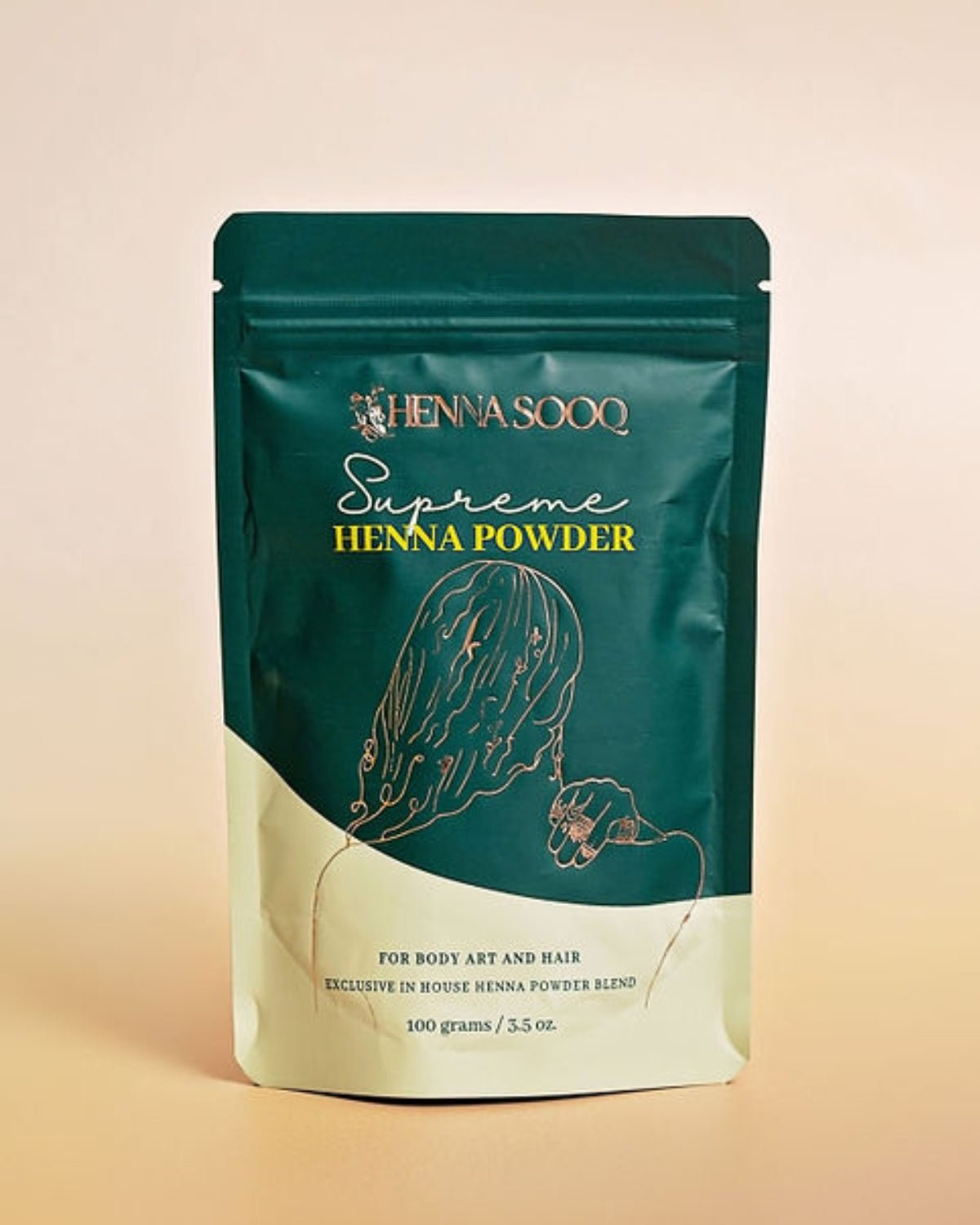
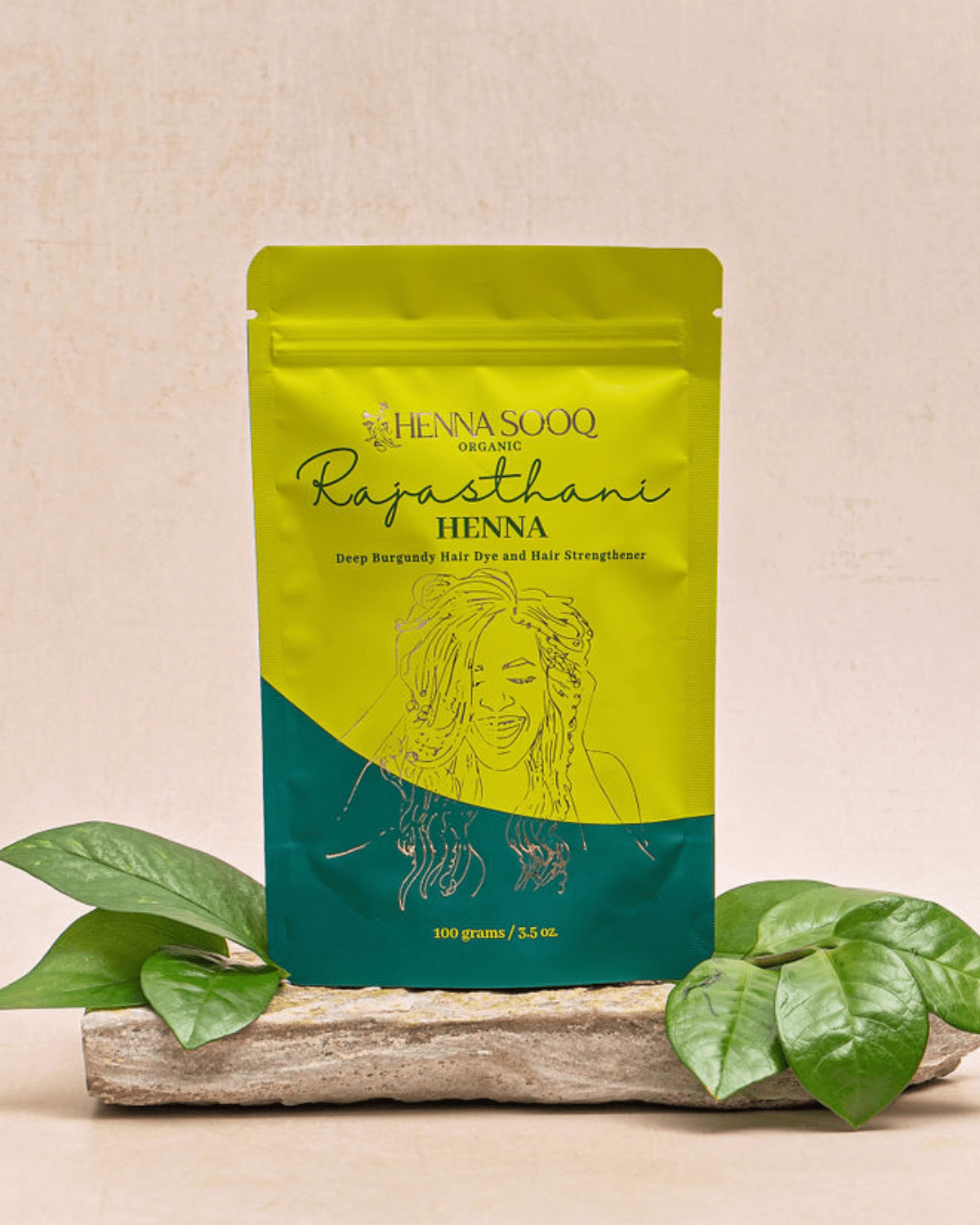
Henna’s journey from ancient ritual to modern self-expression is more than just a history lesson; it’s something you can connect with today. Whether you're creating body art, coloring your hair, or exploring the symbolism behind henna designs, using high-quality, plant-based henna powder keeps you grounded in tradition while embracing your own style.
At Henna Sooq, we offer natural henna powder sourced directly from trusted farms, made without additives or harmful chemicals. If you're new to henna or want to dive deeper, our resources, like our YouTube tutorials and blog guides, make it easy to get started.
Henna History FAQ: Everything You’ve Wondered, Answered
What is henna made of?
Henna is made from the dried, crushed leaves of the Lawsonia inermis plant. The resulting powder is mixed with a liquid, usually lemon juice or water, and sometimes essential oils to create a paste for body art or hair dye.
What is the origin of henna, and how old is it?
The origin of henna is ancient, with evidence of its use dating back over 5,000 years. It has been used in various regions, including South Asia, the Middle East, and North Africa, making it difficult to trace to one single culture.
How was henna used in ancient Egypt?
Henna in ancient Egypt was used in burial rituals applied to the nails and fingers of mummies and also as a cosmetic by women of status. It held both symbolic and aesthetic significance.
What is henna made from, and how is it prepared?
Henna is made from the henna plant's leaves. They are harvested, dried, and ground into a fine powder. To prepare it for use, it’s mixed with a liquid to form a paste that releases natural dye when applied to skin or hair. For a full step-by-step guide on mixing your own paste, head to our blog on how to mix henna for hair dye.
What does henna symbolize in different cultures?
Henna can symbolize protection, good luck, blessings, fertility, or celebration, depending on the cultural context. In weddings, it often marks joy and the beginning of a new chapter.
How has henna art evolved?
The evolution of henna art has gone from simple cooling applications to highly intricate designs used in ceremonies, festivals, and fashion. Today, it blends traditional symbolism with modern creativity.
What is the history of henna tattoos and body art?
The history of henna tattoos is ancient. Henna was one of the earliest known forms of temporary body art, used to mark rites of passage, celebrate milestones, and express identity long before modern tattooing existed.
Can I wear henna as a white person?
Henna can be worn by anyone, but it’s important to approach it with respect. Learn about its origins, avoid misusing sacred symbols, and always source natural henna powder from ethical, culturally aware businesses.
Is henna Arabic or Indian?
Henna is used in both Arabic and Indian cultures, among many others. Each region has its own styles and traditions, but no one group owns the practice; it’s part of a shared global history.
How long does henna last?
Henna stains typically last 1 to 3 weeks, depending on the skin type, paste quality, and aftercare. The stain fades gradually as the skin naturally exfoliates. Learn how to get the deepest, longest-lasting stain with these tips for henna body art aftercare.


