




Henna for White Hair: Colors, Results, and Expectations
White hair can respond to color very differently from pigmented hair, which is why henna results may look brighter, warmer, or more noticeable on white strands. Before using henna for white hair, it helps to understand how the color develops and what kind of result you can realistically expect.
Pure henna typically creates warm copper, orange-red, or red tones on white hair. When deeper shades such as brown or black are the goal, henna may be used alongside indigo as part of the coloring process. Results can vary based on your starting hair color, the amount of white hair you have, and how easily your strands take color.
If you’re looking for a more natural approach to covering white hair, knowing how henna behaves before you apply it can make choosing the right method much easier. In this article, we’ll look at expected color results, resistant white hairs, repeated applications, root touch-ups, maintenance, and how henna compares with conventional dye.
What Causes White Hair at an Early Age?
Hair turns white when the follicles produce less melanin, the pigment responsible for natural hair color. As pigment production decreases, individual strands can gradually lose their color and appear white.
Although white hair is commonly associated with aging, some people begin noticing it much earlier. Several factors may influence when this happens, including:
- Genetics
- Nutritional deficiencies
- Oxidative stress
- Smoking
- Chronic stress
- Hormonal imbalances
- Certain medical conditions or medications
Early white hair does not always point to a single cause, and the timing can vary greatly from person to person.
Understanding why hair has lost its pigment is also helpful when choosing a natural hair color for white hair. Because white strands contain little to no visible pigment, plant-based color can appear more noticeable on them than on darker hair.
If you are exploring a white hair treatment or wondering how to hide white hair naturally, the next step is understanding how henna behaves on white strands before deciding on a coloring approach.
What to Know Before Using Henna on White Hair
Before using henna on white hair, it helps to know that the final color will depend on your starting shade, which is why understanding how to choose the right henna powder can be useful before you begin. Henna adds color rather than lightening it, so white strands show the resulting tone more clearly than darker, pigmented hair.
Pure henna creates warm copper-to-red tones on white hair. If your goal is brown, dark brown, or black, henna may need to be used with indigo instead of on its own. This is why choosing your desired result before you begin is so important.
Before coloring, keep these basics in mind:
- Expect brighter results on white strands.
- Some white hairs may take color more easily than others.
- Your desired shade will determine whether you need henna alone or henna with indigo.
- Do a strand test first so you can see how the color develops on your own hair.
If your goal is to color white hair naturally, understanding these basics first can help you choose the right approach and avoid unrealistic color expectations.
This henna hair dye guide explains the different color paths in more detail.
Why White Hair Takes Henna Differently Than Pigmented Hair
White hair has little to no visible pigment, so henna tends to show up more clearly on it than on darker hair. Instead of blending into an existing brown or black base, the warm tones from henna sit over a much lighter starting color.
That is why henna for white hair can look especially vivid. Pure henna may appear copper, orange-red, or warm red on white strands, while the same application can look softer or more subtle on pigmented hair.
The difference comes down to the starting shade. Henna does not lighten hair, so darker strands keep much of their existing depth while white strands reveal the added color more noticeably.
This also means that mixed white and pigmented hair can develop a naturally varied result. White strands may look brighter, while darker strands can show warmer undertones. For anyone considering a henna hair dye for white hair, this contrast is worth keeping in mind before choosing a shade or blend.
How to Choose a Henna Color Based on Your Starting Hair
Choosing a henna color starts with your current hair color, not just the shade you want. Henna does not lighten the hair, so the result develops over your existing color. That means the same henna mix can look very different on white hair than it does on brown or black hair. A henna hair color chart can also help you compare how plant-based color may appear across different starting shades.
Here is a general idea of what to expect:
| Starting Hair Color | Henna Alone May Look Like |
|---|---|
| White hair | Bright copper, orange-red, or warm red |
| Blonde or light hair | Copper, strawberry blonde, or brighter red tones |
| Light brown hair | Warm copper, auburn, or reddish brown |
| Medium brown hair | Auburn, red-brown, or warm red tones |
| Dark brown hair | Subtle auburn, red, or warm undertones |
| Black hair | Very subtle red or warm tones, often more noticeable in brighter light |
If your goal is a warm copper or red result, henna alone may be enough. For brown or dark brown shades, henna is typically paired with indigo. When black is the goal, henna is generally applied first, followed by indigo in a separate step.
This is especially important when choosing a natural hair dye for white hair. Because white strands have such a light starting point, they can show plant-based color more vividly than the rest of the hair. A strand test can help you preview the result before coloring your full head.
Rather than choosing a shade based on a swatch alone, think of your starting color and desired result together. That makes it much easier to choose the right approach for covering white hair while keeping your expectations realistic.
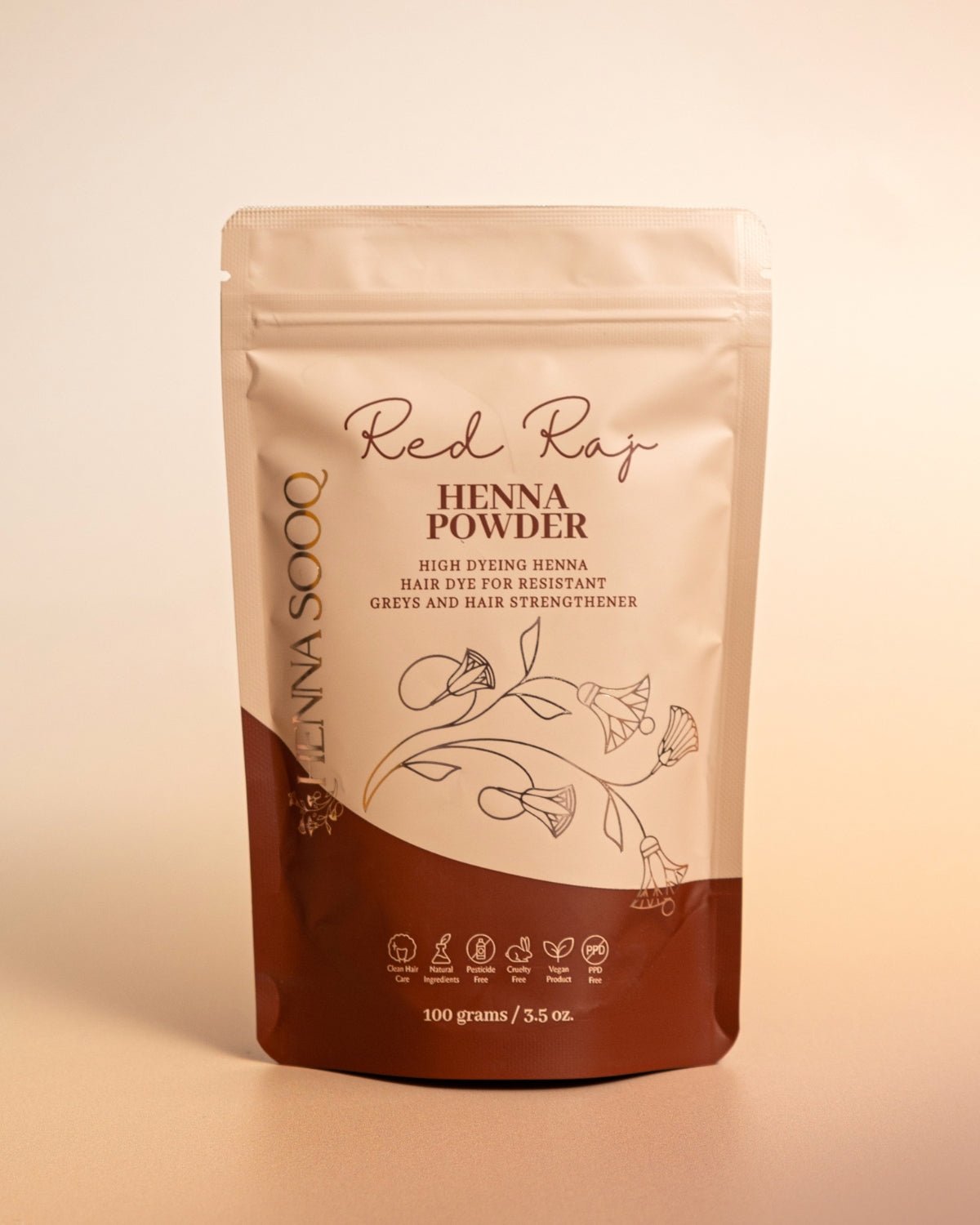


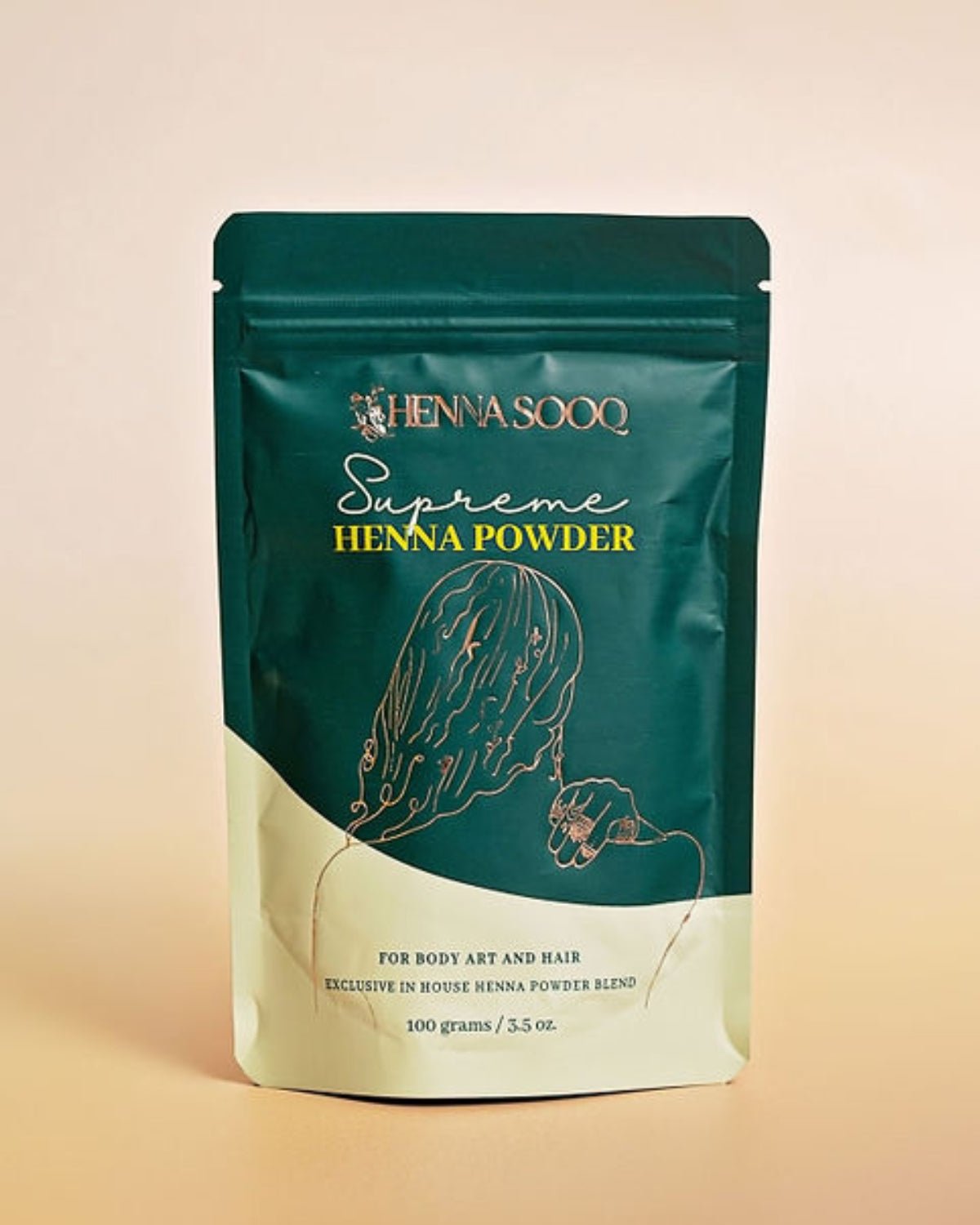
Henna for White Hair: What Colors and Results to Expect
One of the biggest questions people have before using henna for white hair is what color the white strands will actually become. The result depends on the plant powders used, your starting hair color, and the shade you are trying to achieve.Because white hair has little to no visible pigment, color tends to show more clearly than it does on darker strands. Pure henna creates warm tones, while indigo can be used with henna when the goal is brown, dark brown, or black.
Copper and Warm Red Results
Pure henna naturally colors hair within the copper, orange-red, red, and auburn family. On white hair, these tones are especially noticeable because there is very little underlying pigment affecting the result.Freshly colored white strands may initially appear brighter or more orange than expected. The color can continue to develop after rinsing, so the shade you see right away may deepen over time.
If your goal is a warm copper or red result, henna alone may be enough. Henna by itself, however, will not create brown or black hair.
Brown and Reddish-Brown Results
If you want a brown result, henna is generally used with indigo.Henna provides the warm base, while indigo adds depth. Understanding how indigo powder works for hair can make it easier to see why the balance between henna and indigo changes the final brunette result. Depending on the balance between the two, the finished color can range from reddish brown to a deeper, more traditional brown.
This is important when using henna hair dye for white hair, because white strands can make warm tones appear more noticeable. Adding indigo helps shift the result away from bright copper or red and toward a brunette shade.
Dark Brown Results
Dark brown shades also rely on a combination of henna and indigo.Using more indigo can help deepen the final color, but some white hairs may need more than one application before the shade looks as even or rich as desired.
This is especially common with more resistant strands, such as white hairs around the temples, roots, or hairline.

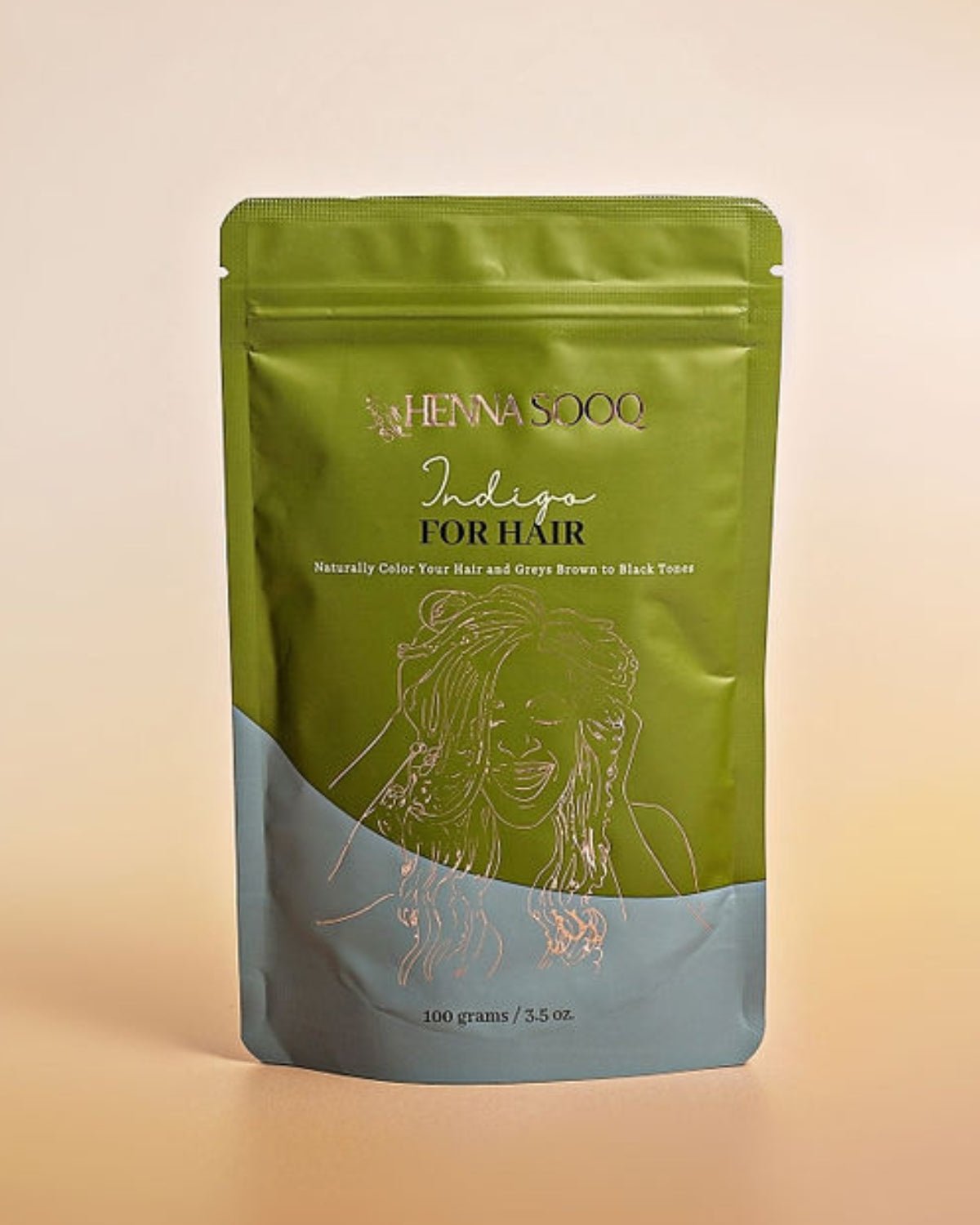
Black Results Usually Require Two Steps
For black results, henna and indigo are generally used in separate steps.
Henna is applied first to create a warm base. Indigo is then applied afterward to deepen the hair toward black. The complete guide to coloring hair with henna and indigo goes deeper into how this two-step process works.
Using indigo directly on very light or white hair without a henna base is not the recommended approach because the final tone may not develop as intended.
White Hair May Look Different From the Rest of Your Hair
If only part of your hair is white, do not expect every strand to look the same after coloring.
For example, pure henna may appear brighter and more copper-red on white strands, while naturally brown hair may develop a softer auburn or reddish tone. The final result can therefore look more dimensional rather than completely uniform.
This is one of the biggest things to understand when covering white hair with plant-based color. Henna works with the starting shade of each strand rather than replacing every hair with one flat color.
The Color Can Develop After Rinsing
The shade you see immediately after rinsing may not be the final result. Henna color can continue to deepen as it settles, which is why it is helpful to give the shade time to develop before deciding whether another application is needed.
A strand test is especially useful if you are trying to cover white hair naturally and want a specific result. It gives you a better idea of how your own hair responds before applying color throughout your entire head.
Ultimately, there is no single result that works as a universal white hair dye outcome. White hair can show henna very clearly, and the final shade depends on whether you are aiming for copper, red, brown, dark brown, or black. Knowing your color goal before you begin makes it much easier to choose the right approach.
Why Some White Hair Is Harder to Color
Some white hairs take henna easily, while others can be more resistant, especially around the roots, temples, edges, and hairline. This can lead to lighter or less even color in certain areas, even when the rest of the hair develops well.
Buildup Can Affect Color Coverage
Oils, conditioners, styling products, and other residue can make it harder for plant-based color to coat the hair evenly. Starting with thoroughly cleansed hair can help prepare white strands for better color uptake.
Certain Areas Can Be More Resistant
White hairs around the temples, hairline, and roots can sometimes be more stubborn than the rest of the hair. Shorter or finer strands in these areas may also take color differently, which can make them look lighter after the first application.
Some Strands May Need More Than One Application
If a few white hairs do not reach the desired depth right away, that does not necessarily mean the coloring method failed. Resistant strands may need repeated applications before the color becomes richer and more even.
When covering white hair, careful application matters too. Making sure the paste fully coats resistant roots and strands can help support more consistent results.
If the first application looks uneven, it is often better to assess the resistant areas before changing the entire color approach. White hair can respond differently from strand to strand, and some areas simply need more time or additional applications.
How Results Change with Repeated Henna Applications
Henna color can build gradually with repeated use. On white hair, the first application may look brighter or warmer, while later applications can create a deeper, richer result as more color is deposited onto the strands.
This is especially noticeable when using henna on white hair, since the lighter starting color makes each layer of plant-based color more visible.
Color Can Become Deeper Over Time
With repeated henna applications, copper and red tones can become more saturated. What starts as a brighter copper may gradually shift toward a richer red or auburn appearance.
The change is usually gradual rather than dramatic, so it is helpful to think of henna as a color that can build over time instead of expecting one application to create the final depth immediately.
Resistant White Hair May Need Repeated Coverage
Some white strands, particularly around the roots, temples, or hairline, may not take color as evenly on the first application. In these areas, another application can help improve depth and consistency.
For anyone using henna as a white hair solution, this is important to keep in mind. Uneven coverage after the first use does not always mean the method is wrong. Some strands may simply need more than one application.
Deeper Shades Can Also Build with Henna and Indigo
When henna and indigo are used for brown, dark brown, or black results, repeated applications can also help deepen the overall shade. The final result will still depend on the proportions used, the application method, and how easily the hair accepts the color.
Because color can continue building with each application, it is best to evaluate the result before immediately recoloring the entire head. This helps avoid going darker than intended.
If your goal is to cover white hair naturally, repeated applications can be part of the process, especially when working with resistant strands or trying to achieve a deeper shade over time.
How to Blend White Roots with the Rest of Your Hair
As white roots grow in, they can create a noticeable contrast with previously colored hair. The goal with root touch-ups is to refresh the new growth while keeping the overall color as balanced as possible.
Focus the Color on New Growth
If the lengths of your hair already have the depth you want, you may not need to apply henna from roots to ends every time. Concentrating the application on the white roots can help maintain coverage without continuing to deepen the rest of the hair.
This is especially helpful if you are using a henna dye for white hair and want to keep the color looking consistent over time.
Match Your Existing Color Method
For copper or red results, henna can be applied to the new white growth using the same approach that created your existing shade.
If your hair is brown, dark brown, or black, the root application may also need to follow the same henna and indigo method used on the rest of the hair. Staying consistent with the process can help reduce a visible difference between the roots and previously colored lengths.
Pay Extra Attention to Resistant Areas
White roots around the temples and hairline may be more resistant than other sections. Apply the paste carefully and make sure those strands are fully coated rather than lightly covered.
If the roots still look brighter after the first application, they may need additional color before they blend more closely with the rest of the hair.
Expect Some Natural Variation
Freshly colored roots may not look identical to older henna-colored hair right away. The newer application can appear brighter at first, while the lengths may already have several layers of color from previous applications.
As the root color develops and future applications build, the contrast can become less noticeable.
For anyone learning how to cover white hair, root touch-ups are often more about maintaining an established color than starting over each time. Focusing on the new growth can make ongoing coverage simpler while helping preserve the shade you already like through the lengths.
How to Maintain Henna-Colored White Hair
Once you have reached a color you like, maintenance is mostly about keeping new white growth covered and avoiding unnecessary buildup of color on the rest of the hair.
Henna is a long-lasting plant-based color, so previously colored lengths do not always need a full application every time your roots grow in. Focusing future applications mainly on the new white growth can help keep the overall shade more consistent.
Refresh White Roots as Needed
As new white hair grows in, the contrast between the roots and the colored lengths may become more noticeable. Root-only applications can help maintain coverage without repeatedly layering color through the entire head.
If you use henna with indigo for brown, dark brown, or black results, follow the same color method that originally gave you the shade you want.
Avoid Recoloring the Lengths Too Often
Repeated full-head applications can continue deepening the color over time. If your lengths already have enough depth, applying henna mainly to the new growth can help prevent the ends from becoming darker than intended.
Keep the Hair Clean Before Touch-Ups
Before applying fresh color, make sure the hair is free from heavy oils, conditioners, and styling buildup. Avoiding other common henna hair mistakes can also help make ongoing color maintenance more consistent. Clean strands give the plant-based color a better surface to coat, which can be especially helpful when working with resistant white roots.
Watch How the Shade Develops
Freshly colored roots may look slightly brighter at first than older, previously colored hair. Give the color time to develop before deciding whether another application is needed.
Maintaining a natural hair dye for white hair does not always mean recoloring everything from roots to ends. Once your preferred shade is established, targeted root touch-ups can make ongoing covering white hair much simpler.
Henna vs Conventional Dye for White Hair
Henna and conventional hair dye can both change the appearance of white hair, but they work differently. If you are weighing the switch, the article on reasons to switch to henna hair dye offers more background on choosing plant-based color. Here is a simple comparison:
| Feature | Henna | Conventional Hair Dye |
|---|---|---|
| How it colors hair | Adds plant-based color over your existing hair color | Uses synthetic colorants to change the hair color |
| Result on white hair | White strands may appear brighter and more noticeable because they have little to no visible pigment | Can create a more uniform result across white and pigmented strands |
| Typical color range | Pure henna creates copper, red, and auburn tones. Henna with indigo can create brown, dark brown, and black | Available in a much wider range of shades |
| Can it lighten hair? | No | Some conventional dyes can lighten hair |
| Color development | Color can continue developing after rinsing | Results are usually visible more quickly |
| Repeated applications | Color can become deeper and richer with repeated use | Results depend on the formula and shade being used |
| White root maintenance | Root-only applications can be used once the desired shade is established | Root touch-ups are commonly used as new white hair grows in |
| Color variation | Can create natural-looking variation between white and pigmented strands | Often designed to create a more even, consistent shade |
| Best suited for | Those who want to color white hair naturally and are comfortable working with their existing hair color | Those looking for faster color changes, lightening options, or a more uniform shade |
If you are looking for a natural hair dye for white hair, henna offers a different approach rather than a direct substitute for conventional dye. The better option depends on the color you want, your starting shade, and how much variation you are comfortable with in the final result.

Start Covering White Hair Naturally with Confidence
Choosing henna for white hair is less about finding one universal shade and more about understanding how plant-based color works with your starting hair. Comparing some of the best henna hair dye options can also help you understand how different henna choices fit different color goals
Pure henna can create warm copper and red tones, while henna used with indigo can help achieve brown, dark brown, or black results. White strands may appear brighter at first, resistant areas can take more than one application, and repeated use can deepen the color over time.
If you are learning how to cover white hair naturally, focus on three things: your current hair color, the shade you want to achieve, and how your own strands respond. A strand test can help you preview the result before committing to a full application.
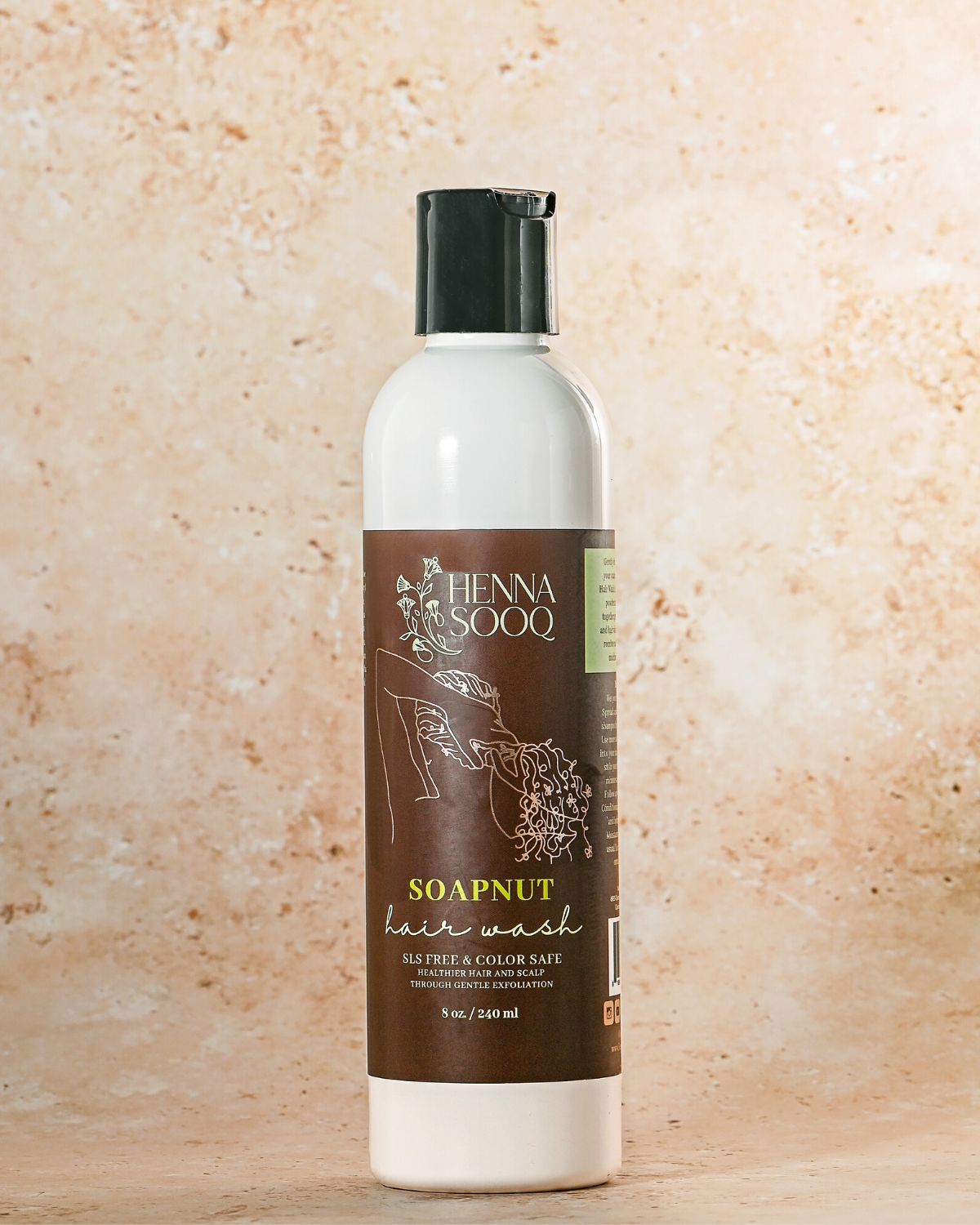
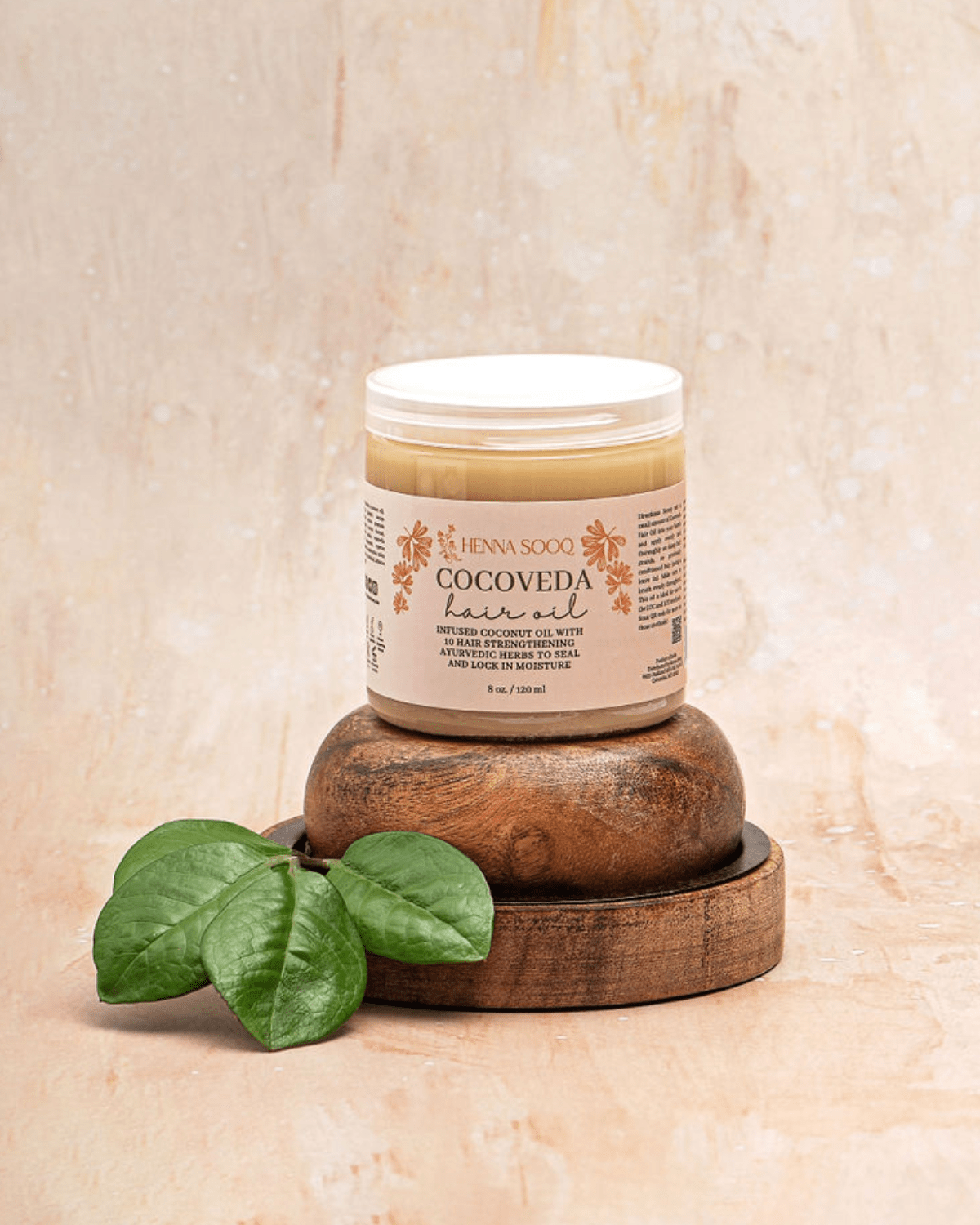
When you are ready to explore plant-based color options for white hair, Henna Sooq offers henna and indigo choices designed for a range of color goals.
Frequently Asked Questions About Henna for White Hair
Can henna cover white hair completely?
Yes, henna can cover white hair, but the final result depends on how resistant the strands are and the color you want to achieve. Pure henna typically turns white hair copper, orange-red, or warm red. Some resistant white hairs may need more than one application for fuller, more even coverage.
How to cover white hair naturally?
One way to cover white hair naturally is with plant-based hair color such as henna and indigo. Henna can be used alone for warm copper and red tones, while henna with indigo can create brown, dark brown, or black results. Starting with clean hair and doing a strand test can help you get a better idea of how your white strands will respond.
Is henna good for white hair?
Henna can be used effectively on white hair when you understand the color result it creates. Since white strands have little to no visible pigment, pure henna tends to appear especially bright and warm. If you prefer a deeper brunette or black shade, indigo is generally used along with henna.
Can henna make white hair look brown or black?
Henna alone does not create brown or black hair. For brown shades, henna is generally combined with indigo. For black results, henna is typically applied first, and indigo is applied afterward in a two-step process.
Will henna make white hair look orange?
Pure henna can make white hair appear copper, orange-red, or warm red, especially after the first application. Because white hair has such a light starting shade, these warm tones can look more vivid than they do on darker hair. The color may also deepen as it settles after rinsing.
Can you use indigo after henna on white hair?
Yes. Indigo can be applied after henna as part of a two-step process for achieving black or very deep hair color. The henna provides the base color first, and the indigo is then applied over it to deepen the result.
How long does henna stay on white hair?
Henna is considered a long-lasting plant-based hair color. Rather than washing out quickly, the color remains on the strands while new white hair grows in at the roots. How often you need a touch-up will therefore depend largely on your hair growth and how noticeable the new white roots become.
Can henna be used on white roots only?
Yes. Once the lengths of your hair have reached the color you want, henna can be applied mainly to new white root growth. Root-only applications can help maintain coverage without repeatedly adding more layers of color to hair that is already sufficiently colored.


